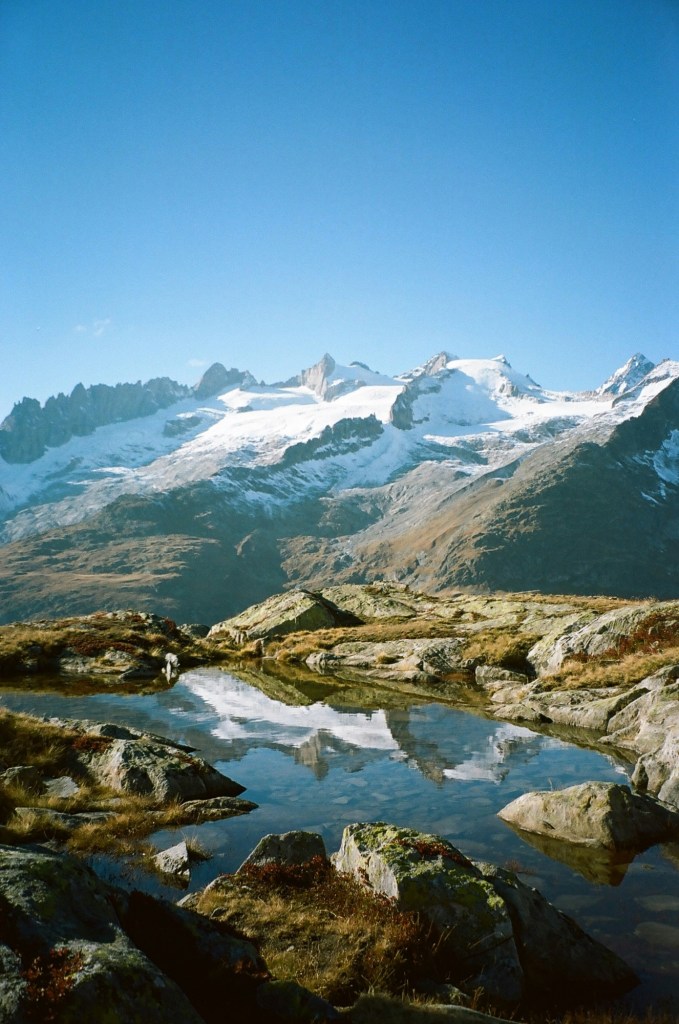
Switzerland’s Aletsch Glacier and France’s Mer de Glace are breathtaking natural wonders, carved over thousands of years by the slow movement of ice. But they are disappearing. Climate change is causing them to shrink at an alarming rate, with scientists warning that these glaciers could become unrecognizable—or even vanish—within our lifetime. This reality has created an ethical dilemma for travelers: should we rush to see these wonders before they’re gone, or does our presence contribute to their demise?
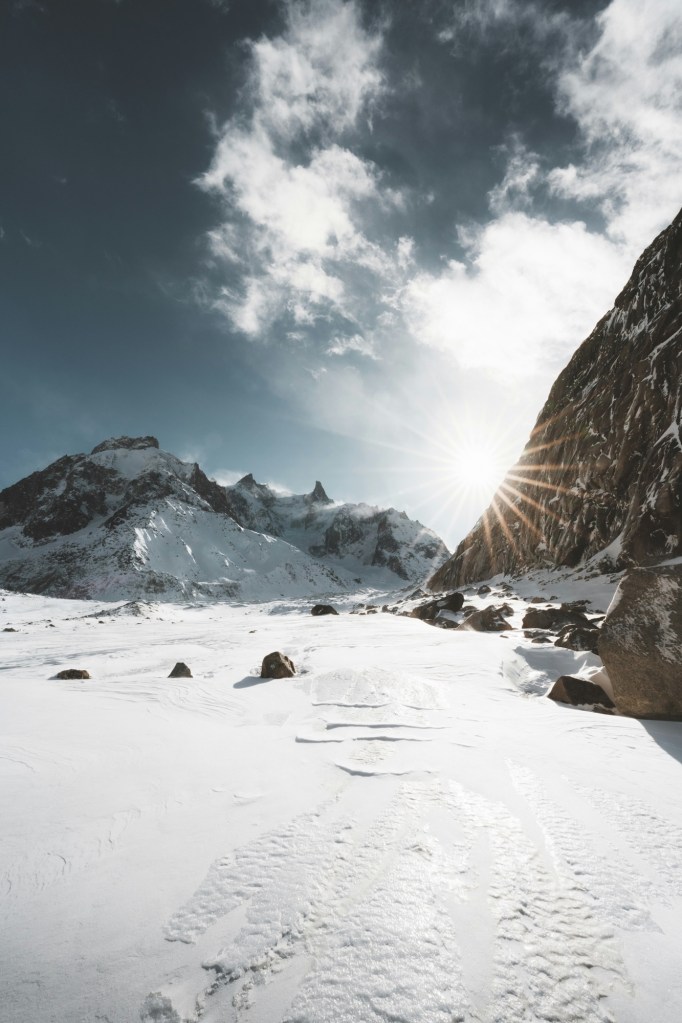
For many, the idea of standing before these glaciers, witnessing their immense beauty and fragility, is a once-in-a-lifetime experience. There’s something undeniably awe-inspiring about walking along the icy expanse of the Aletsch Glacier, the largest in the Alps, stretching over 14 miles through the Swiss mountains. Likewise, Mer de Glace—literally translating to “Sea of Ice”—was once an overwhelming spectacle of nature, but today, visitors must descend a seemingly endless staircase to reach the glacier’s receding edge. The experience is both humbling and heartbreaking, a tangible reminder of how quickly our planet is changing.
But at what cost? Tourism, while offering people a chance to connect with and appreciate these landscapes, also comes with environmental consequences. Increased foot traffic, infrastructure development, and the carbon footprint of travel itself all contribute to the very crisis threatening these glaciers. So, are travelers unintentionally accelerating their demise?
The Impact of Climate Change on Glaciers
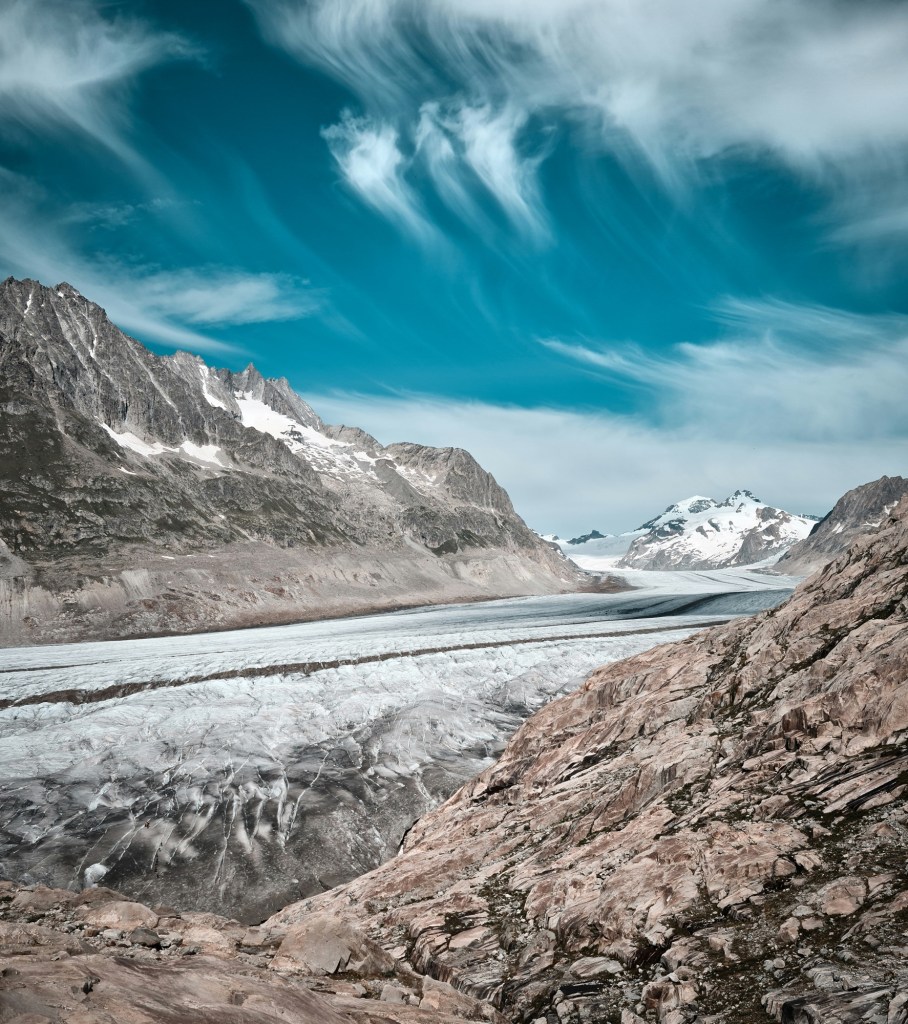
Glaciers worldwide are retreating due to rising temperatures. According to recent studies, Mer de Glace loses an average of 4-5 meters in depth each year, and its surface has dropped by more than 100 meters since the early 20th century. The Aletsch Glacier is shrinking as well, with estimates suggesting it could lose 90% of its volume by 2100. This isn’t just about disappearing ice; melting glaciers contribute to rising sea levels, disrupt ecosystems, and impact freshwater supplies for communities that depend on them.
While climate change is the primary culprit, human activity—including tourism—plays a role. Flights, car travel, and the energy required to support tourism infrastructure all generate carbon emissions. The irony is painful: the very act of visiting these glaciers to appreciate their beauty may be hastening their disappearance.
The Dilemma of Last-Chance Tourism
The concept of “last-chance tourism”—visiting places before they vanish—has grown in popularity. From the Great Barrier Reef to Antarctica, people are flocking to at-risk destinations with a sense of urgency. But this raises ethical concerns. Is it responsible to visit these places knowing that increased tourism can cause further harm? Or is witnessing these changes firsthand a way to spark greater awareness and action?
There’s no simple answer. Seeing the glaciers in person can be a profound, eye-opening experience, fostering a deeper understanding of climate change. Some argue that if people witness these changes firsthand, they may be more motivated to take action. However, without sustainable travel practices, last-chance tourism risks becoming a self-fulfilling prophecy—where the more people visit, the faster the destination deteriorates.
Can We Travel Responsibly?
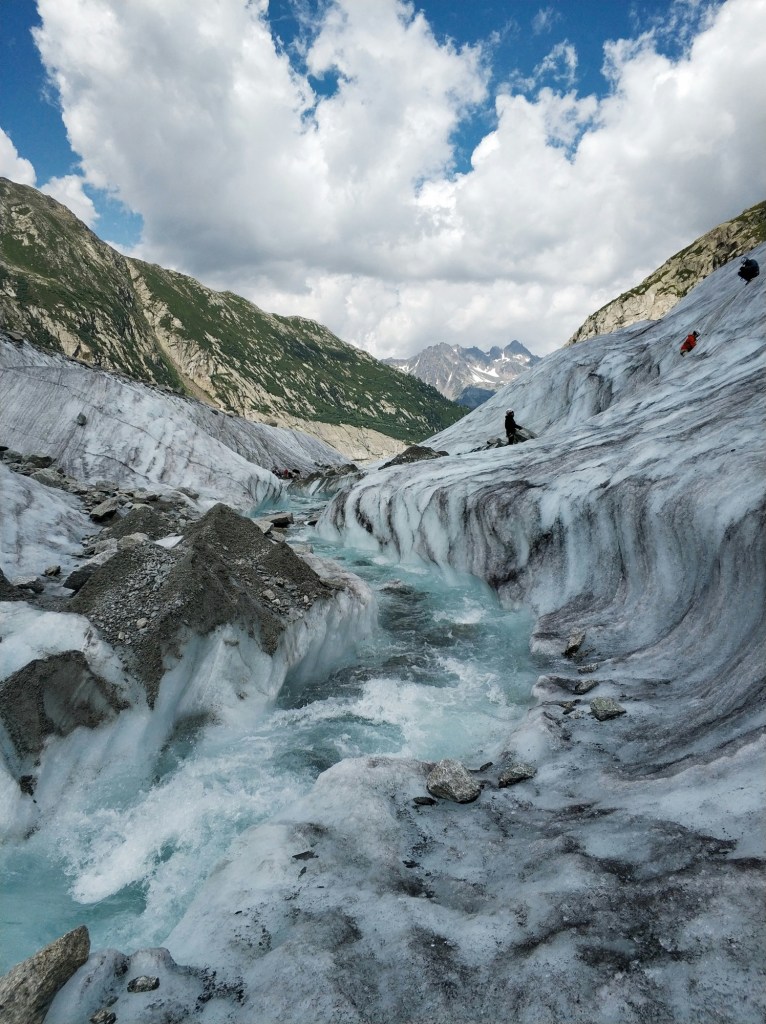
So, is there a way to visit these glaciers without contributing to their decline? The good news is that responsible tourism can make a difference. Here’s how:
• Opt for sustainable transportation. Instead of driving, take Switzerland’s efficient train system or France’s eco-friendly public transit to reduce your carbon footprint.
• Choose eco-conscious tour operators. Some companies are actively working to minimize their environmental impact, using electric transport and supporting conservation efforts.
• Stay on designated trails. Hiking off-path can damage delicate ecosystems and accelerate erosion.
• Support conservation initiatives. Some local organizations work to monitor and protect these glaciers—donating or volunteering can help offset your impact.
• Be mindful of carbon emissions. If you’re flying long distances, consider carbon offset programs that support reforestation or renewable energy projects.
Some destinations are also taking action. In Chamonix, France, local officials have introduced measures to reduce pollution and encourage sustainable tourism. Similarly, Switzerland has been investing in renewable energy and environmental education programs to help preserve its iconic landscapes.
The Future of Glacial Travel
As climate change accelerates, the ethical debate around visiting fragile environments like glaciers will only become more pressing. While travel itself isn’t inherently bad, the way we travel matters. It’s crucial that we shift from being passive spectators to active participants in conservation.
So, should we go? Or should we stay away to minimize our impact? The truth lies somewhere in between. If done responsibly, visiting these glaciers can be a powerful way to connect with the planet and advocate for change. But if tourism is purely about crossing a destination off a bucket list, without consideration for the long-term consequences, then perhaps it’s time to rethink the journey.
One thing is certain—these glaciers won’t wait for us. What we do next matters.
What do you think? Should travelers visit these disappearing wonders, or is it better to leave them undisturbed?
 Bucket List World Travel
Leave a comment