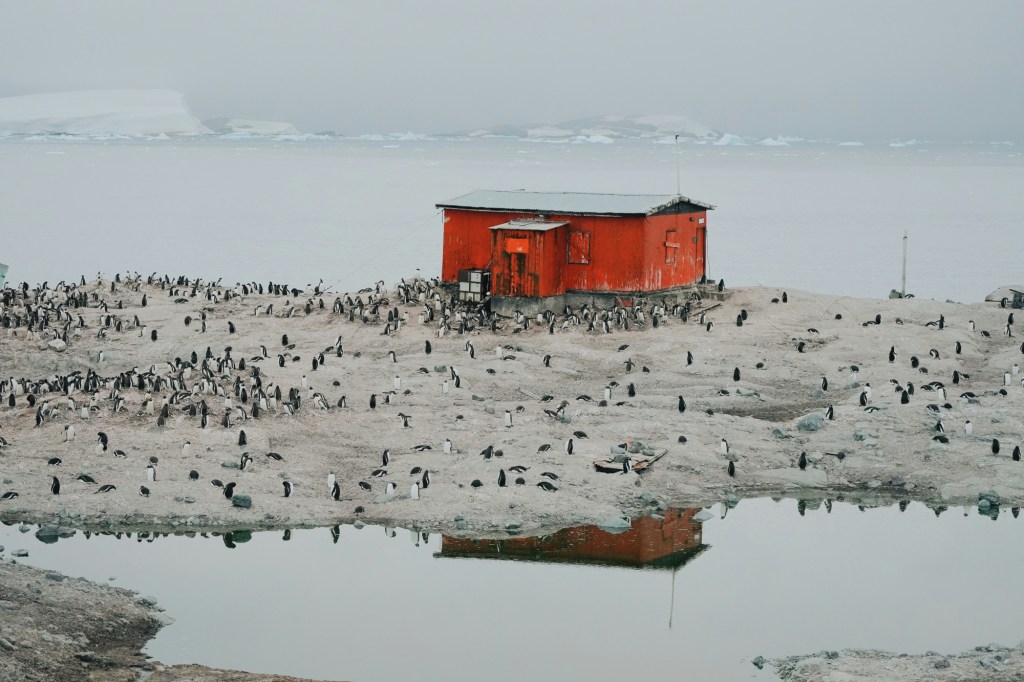
In the vast icy expanse of Antarctica, there stands a tiny black-and-red hut where you can mail a postcard to anywhere on the planet. This is Port Lockroy, the continent’s historic “Penguin Post Office” – the southernmost public post office in the world – and getting there is an adventure unto itself. Trekking across glittering ice and snow, mingling with curious penguins, and dropping a card in the world’s most remote mailbox are all part of the unforgettable journey to this frozen outpost.
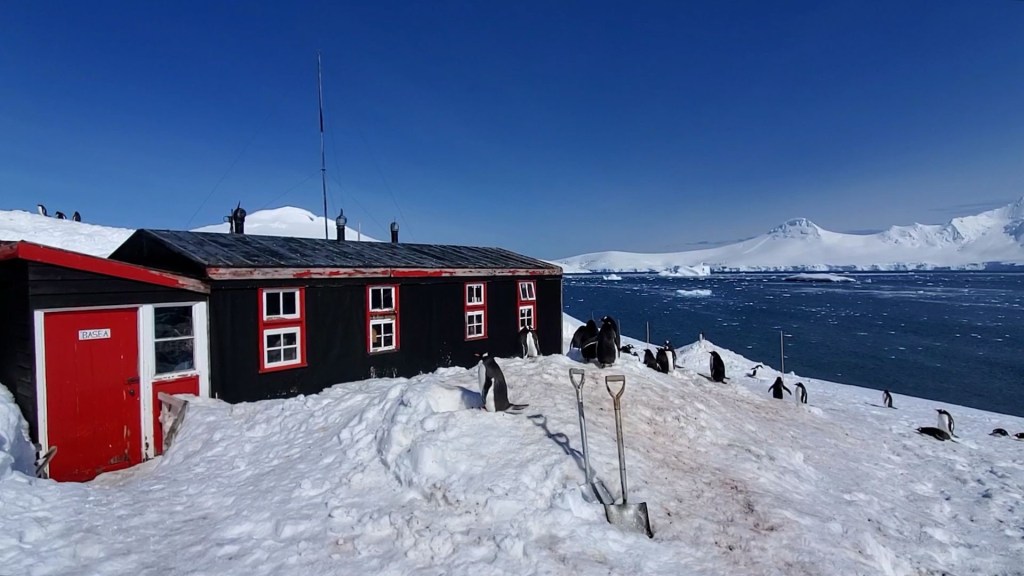
Historic Port Lockroy: The black-and-red Bransfield House at Port Lockroy serves as a museum and the world’s most southerly post office, welcoming visitors alongside a thriving colony of gentoo penguins .
Trekking Across Antarctica’s Icy Frontier
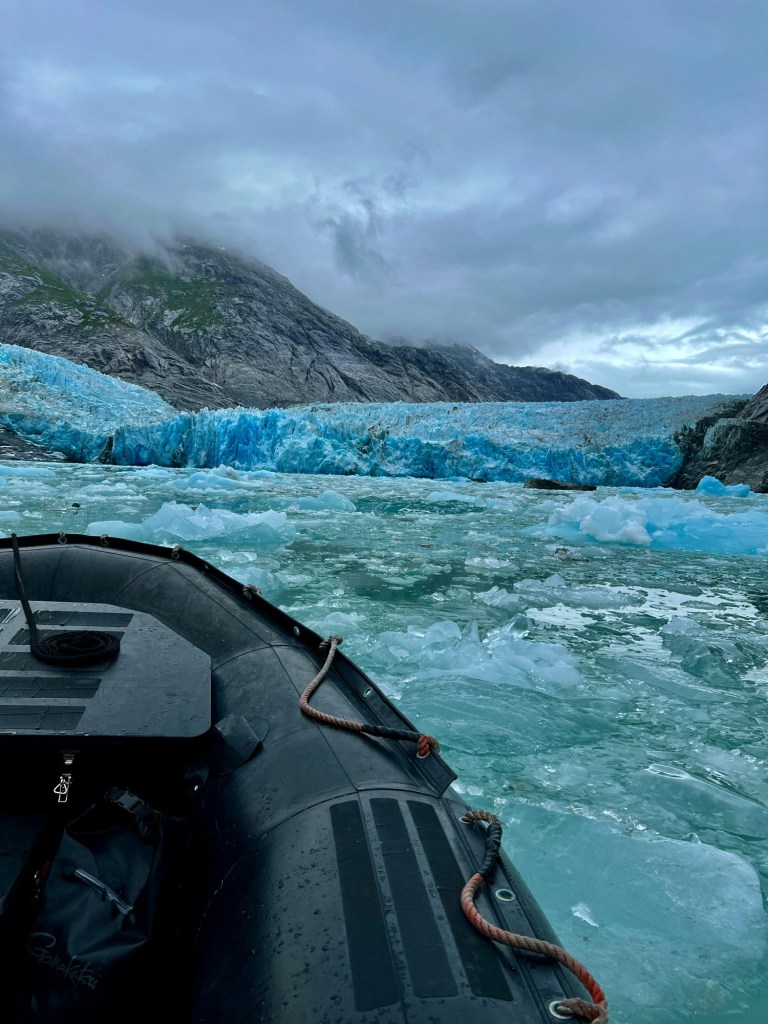
Reaching Port Lockroy means venturing to one of the most remote corners of the planet. After days of sailing through polar seas and weaving past shimmering icebergs, travelers finally enter a sheltered bay framed by some of the most dramatic mountain and glacier scenery on the Antarctic Peninsula . Often the final approach is by small inflatable boats (Zodiacs) cutting through brash ice. The air is crisp and filled with anticipation as the rocky shore of Goudier Island comes into view.
Stepping ashore is both exhilarating and tricky. The landing site is a pebbly, snow-dusted strip of rock, and it takes some agility to scramble out of the boat and find footing on the icy ground . Early in the season, sea ice can block access entirely – one year, heavy pack ice meant that an expedition cruise was the first ship of the summer to reach Port Lockroy, weeks later than planned . Even in mid-summer, parts of the island remain buried in snow. As you trek inland a few hundred meters toward the base, you might find yourself crunching through knee-deep drifts. In some spots, deep snow and hidden crevasses demand caution: explorers may rope together and don snowshoes, still occasionally sinking to their waists before finding firm footing . Every step is an adventure, with the sun glaring off untouched snowfields and a backdrop of jagged white peaks all around.
On calmer days, the journey feels almost otherworldly. The only sounds might be the crunch of your boots and the distant rumble of ice. Some travelers describe an eerie, beautiful quiet—until a muffled boom suddenly echoes across the bay as a chunk of glacier calves into the sea, reverberating like thunder . The icy ground may even tremble for a moment. It’s a stark reminder that Antarctica’s landscape is alive and ever-changing. Surrounded by glowing blue icebergs and endless shades of white, you truly feel like you’ve stepped into an ethereal realm far removed from the rest of the world .
Wildlife Encounters in a Frozen World
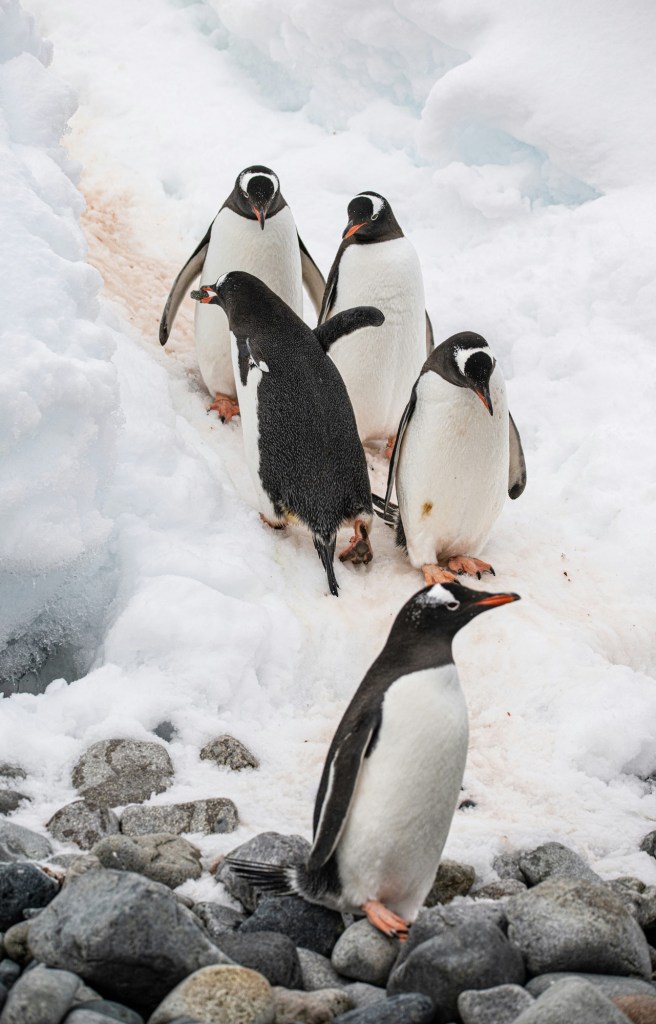
At Port Lockroy, humans are very much guests in the animals’ domain. The island is absolutely teeming with penguins – hundreds of squawking, waddling gentoo penguins make their nests all around the buildings and rocky slopes . Visitors must yield to these charismatic locals as they toboggan across the snow or waddle along well-worn “penguin highways” between the sea and their nesting grounds. It’s not uncommon to find a curious penguin inspecting your boot or pecking at your camera bag. (Keep an eye out – they have a habit of “borrowing” small items for their nests!) All the while, expedition guides ensure everyone keeps a respectful distance and sticks to the designated paths; the welfare of the wildlife comes first on this icy sanctuary .
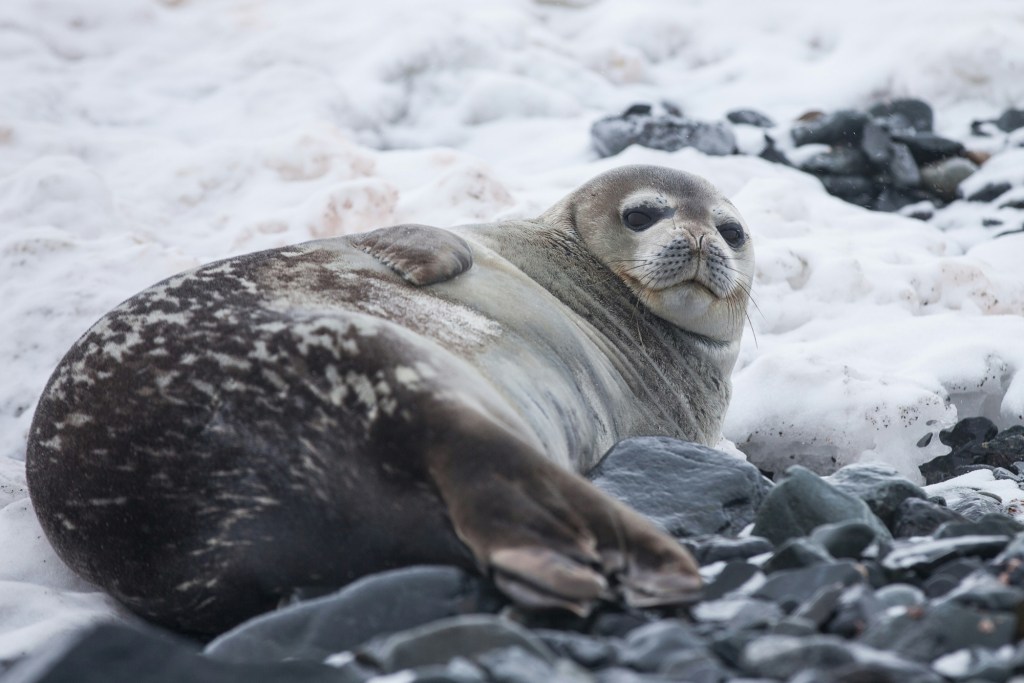
Gentoo penguins may be the stars of Port Lockroy, but they are far from the only wildlife. Snowy white sheathbills loiter around the colony, looking for scraps, and brown skuas wheel overhead, ready to swoop down on an unguarded penguin egg or chick. Kelp gulls nest on nearby islets, adding their raucous calls to the cacophony . On the beaches and ice floes, you might spot a Weddell seal or a crabeater seal lounging peacefully, unbothered by the commotion. Offshore, the dorsal fins of porpoising penguins (they swim as gracefully as they waddle awkwardly on land) ripple the surface. If you’re lucky, you may even catch the spray of a humpback whale or orcas in the distance, or a pair of dolphins slicing through the frigid waters alongside your boat. Every wildlife encounter, from a penguin’s comical head tilt to the majestic silence of a seal, reinforces the feeling that you’ve entered a world where nature reigns supreme.
Penguin Neighbors: Gentoo penguins congregate near the Union Jack flag at Port Lockroy, their colony thriving alongside the human outpost amid Antarctica’s dramatic snowy peaks . Visitors must mind the “penguin highways” as these birds commute between their nests and the sea.
Life at Port Lockroy: Living History on the Ice
Port Lockroy is more than a postcard mailing spot – it’s a living museum frozen in time. The main building, Bransfield House, was built in 1944 as part of a secret WWII mission and later became a science research station . Abandoned in 1962, it has since been restored to its 1950s-era glory . Pushing open the wooden door, you feel like you’ve stepped back into the age of heroic explorers: the small rooms are filled with memorabilia and equipment from decades past. Faded tins of British provisions line green shelves, a Union Jack flag hangs on the wall, and vintage radios and meteorological instruments are on display, exactly as they were left. It’s easy to imagine the former occupants huddled around the stove, scribbling weather reports by the dim light of an oil lamp during an Antarctic winter night.
Amid these relics of history, Port Lockroy is very much alive today. During the austral summer, a small team of four to five staff members from the UK Antarctic Heritage Trust calls this place home. They bunk in a separate little Nissen hut (modern prefab cabin) behind the museum, without luxuries like running water or heating. In fact, getting basic supplies is a constant concern – the team relies on visiting ships to bring fresh water and food, and when the sea ice closes in, they’ve been known to chop up glacial ice to melt for drinking water . Daily life for the staff revolves around maintaining the museum, greeting tour groups, running the tiny gift shop, and even conducting penguin census counts for conservation. It’s a simple life, but one rich with purpose and camaraderie in one of the harshest environments on Earth.
When a tourist ship arrives (often two or three per week in peak season), Port Lockroy springs into action. Zodiacs buzz back and forth ferrying a wave of excited visitors. Because the buildings are so small, only a limited number of guests can squeeze inside at once – others wait their turn outside, watching penguins or admiring the scenery . Inside the old base, it’s cozy and crowded. You might find one staffer cheerfully stamping passports at a desk (yes, you can get an Antarctica passport stamp here as a souvenir!), while another rings up sales of postcards and T-shirts in the corner. There’s chatter and laughter as people marvel at the antique typewriters and bunk beds in the sleeping quarters turned museum. In a given austral summer, Port Lockroy can welcome up to 18,000 visitors – making it the most visited spot in Antarctica – yet it still feels intimate and authentic. Each group only stays for an hour or two, just enough time to soak in the atmosphere and mail their cards, before boarding the Zodiacs again so the next group can have their turn.
As evening falls and the last skiff departs, a profound quiet blankets Port Lockroy. The hubbub of tourists gives way to the gentler rhythms of polar nature. The summer sun may linger low on the horizon, casting an otherworldly pastel glow on the snow. The staff often gather on the rocky shore by the landing site, now that their penguin roommates have settled down. These are the moments that define the magic of Port Lockroy: listening to the gentle snap-crackle-pop of brash ice and icebergs melting in the bay, watching for the spouts of whales in the glassy Neumayer Channel, and hearing nothing but the sigh of the cold wind and distant penguin mutters . Over mugs of hot tea (or the occasional gifted bottle of rum from a passing ship’s crew), the team trades stories and marvels at their luck to live in a place where time seems paused. There is an almost sacred tranquility in these twilight hours. Few places on Earth can offer such a feeling – as if you’ve slipped outside civilization entirely, into a sublime world ruled by ice and penguins.
The Adventurous Souls Who Make the Journey
Who are the people drawn to undertake this arduous journey to the bottom of the world? The travelers who venture to Port Lockroy are a diverse bunch, united by a common spark of adventure. In fact, the allure of this remote post office attracts all kinds of explorers:
• Wildlife enthusiasts – eager to observe penguins, seals, and seabirds up close in their natural habitat.
• History buffs – thrilled by the chance to step inside a preserved WWII-era base and experience a tangible piece of Antarctic exploration history.
• Global travelers – checking off their seventh continent or determined to send a postcard from the most far-flung place imaginable, just for the bragging rights.
• Adventure seekers – drawn by the challenge of the journey itself, from crossing the Drake Passage’s legendary rough seas to trekking across icy islands few humans ever tread.
Truly, Port Lockroy offers something for everyone, from the penguin lover to the hardcore expedition history fan . You might meet a retired teacher fulfilling a lifelong dream of visiting Antarctica, or a backpacking solo traveler like the young woman who watched a Netflix documentary on the “Penguin Post Office” and resolved to see it with her own eyes . There are photographers hauling long lenses to capture the perfect shot of penguins against a backdrop of glaciers, and postal enthusiasts excited to get a rare Antarctic postmark in their collections. What unites all these visitors is a deep curiosity about the world and a willingness to venture far off the beaten path. They come knowing it will be cold, they might get wet and windswept, and comfort will be limited – yet they come because of those challenges, not in spite of them. The journey itself, and the stories they’ll gather, are the ultimate souvenirs.
Most people journey to Antarctica in search of epic landscapes and incredible wildlife, and Port Lockroy adds an extra layer of wonder to that experience . The simple novelty of being able to hand-write a postcard and send it from “the edge of the world” brings a childlike grin to even the most seasoned traveler. It’s a moment of connection – both to the explorers of old who once lived here, and to the loved ones back home who will receive a dispatch from the bottom of the map. In an age of instant digital communication, this little post office inspires adventurers to slow down and cherish a more nostalgic form of outreach. That desire – to touch the ends of the Earth and share a piece of it – is what drives people to take on the voyage to Port Lockroy, again and again.
Sending a Postcard from the End of the World
Perhaps the most cherished ritual upon arriving at Port Lockroy is sending a postcard from this extreme place. Inside the tiny post office (which doubles as the gift shop), visitors crowd around a writing table, picking out cards adorned with penguins or icebergs and carefully penning messages to friends and family back home. There’s a palpable excitement in the air as stamps are licked and postcards are dropped into the designated mail box – each card a tangible slice of Antarctica headed out into the world. Many travelers even mail one to themselves for the pleasure of receiving their own Antarctica postmark as a future memento. One adventurer described sitting down to write herself a heartfelt note at Port Lockroy, as a reminder of the goal she’d accomplished and a keepsake to display proudly at home . It’s easy to understand why: a postcard from here isn’t just a piece of mail, it’s a story and a trophy in one.

Despite its remote location, this little post office handles an astonishing volume of mail. It is officially operated by the British Antarctic Territory, and each austral summer season it sends out over 70,000 postcards and letters, all by hand . For about US$1 you can buy an Antarctic stamp, which the staff will carefully frank (ink stamp) with Port Lockroy’s unique postmark. Once a batch of mail is ready, it doesn’t go directly into a mailbox down the street (there are none of those for a thousand miles!). Instead, the postcards are bundled up and eventually loaded onto the next ship heading north. From Antarctica, your card’s journey is just beginning: it will travel by ship to the Falkland Islands, then hop on a Royal Air Force transport flight to be delivered to postal services in the UK, and finally enter the regular mail system to its destination . In the best case, a postcard might arrive in two to three weeks; often it takes longer, especially if you visit late in the summer season when the last mail pickup has already happened and your card waits through the long winter . But part of the charm is the suspense. Months after you return home, when you’ve almost forgotten about it, you’ll open your mailbox to find a weathered postcard with a penguin stamp and a cancellation that reads “Port Lockroy, Antarctica.”
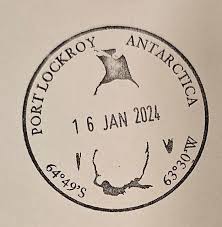
The joy of sending (and eventually receiving) that postcard is hard to overstate. In that brief message scrawled on the back of a card, travelers distill the awe and wonder of their Antarctic experience to share with loved ones. The Port Lockroy team has seen thousands of these missives and notes that each one carries a spark of polar magic – it’s a way for visitors to “pass on their share of wonder and awe” from Antarctica, written on the back of a postcard . Imagine a grandmother in England reading a note from her grandson, postmarked in Antarctica, or a child in Japan excitedly holding a card that crossed oceans and glaciers to reach them. The connection forged by that simple act of mailing a postcard makes the world feel both vast and small at the same time. Here, at the literal end of the Earth, humanity feels very connected.
Sending a postcard from Port Lockroy is more than a travel gimmick; it’s a moment of reflection and gratitude. As you jot down your thoughts in the very heart of the Antarctic wilds, you pause to absorb where you are – how extraordinary it is that you’re writing letters under the gaze of snow-capped peaks and penguins. You drop the postcard into the slot with cold, gloved hands, knowing it will carry a piece of your adventure to someone thousands of miles away. In that moment, you’re not just a tourist – you’re an explorer sharing tales from a far frontier.
In the end, the journey to Port Lockroy is truly a voyage of discovery. It’s about braving the elements, forging friendships with fellow adventurers and friendly penguins alike, and appreciating the rare union of past and present in a place utterly unlike anywhere else on Earth. Whether you come for the thrill of the trek, the wildlife encounters, or the quirky charm of mailing a letter from Antarctica, you leave with something profoundly personal. Perhaps it’s a newfound respect for the hardy souls who live and work in such isolation, or a sense of accomplishment at having stood on one of the planet’s last edges. And when that postcard you sent finally arrives home, you’ll relive the magic all over again – a small paper ambassador bearing witness to the fact that you were there, at Port Lockroy, where adventure meets history at the end of the world.
 Bucket List World Travel
Leave a comment