Some places feel like they were designed purely to make travelers question their life choices—like, why am I not living here forever? Gjógv, a tiny village in the Faroe Islands, is one of those places.
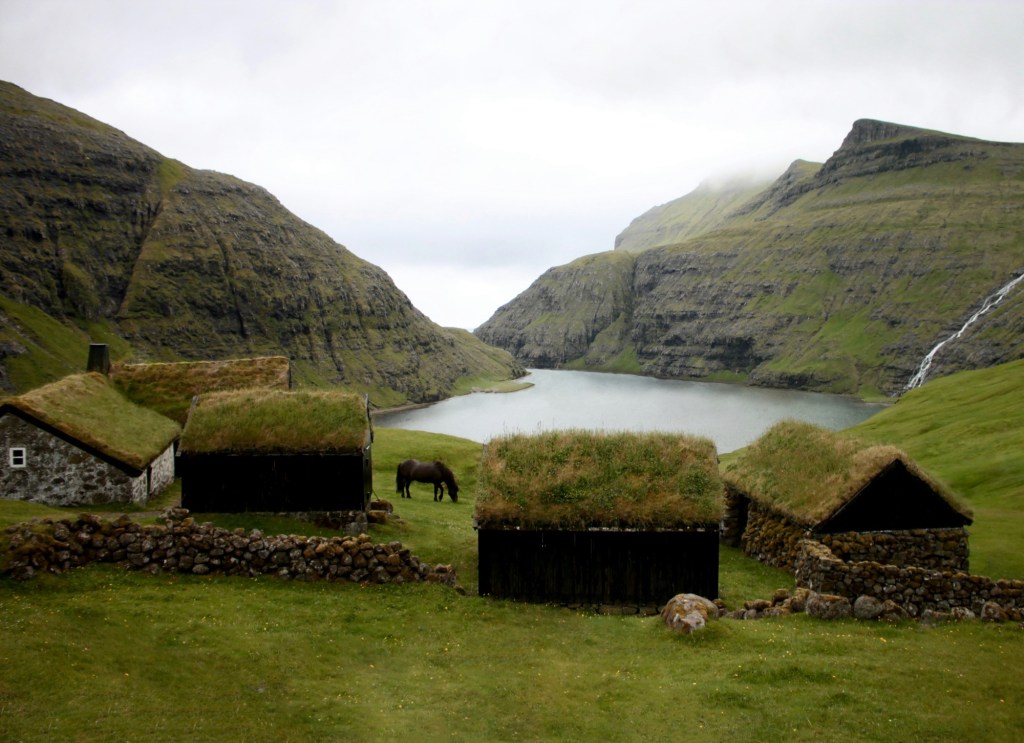
With turf-roofed houses, a dramatic natural harbor, and exactly zero signs of modern chaos, it’s the kind of village that makes you want to trade in your smartphone for a simpler life—one filled with fjord views, puffin sightings, and maybe a friendly sheep or two. But is it really Europe’s most beautiful village? I traveled to Gjógv to find out (and maybe never leave).
Getting to Gjógv: The Road to Nowhere (In the Best Way Possible)
First, let’s talk about getting there. The Faroe Islands aren’t exactly around the corner, and Gjógv is farther still—perched at the northern tip of Eysturoy Island, one of 18 windswept landmasses that make up this spectacular archipelago.
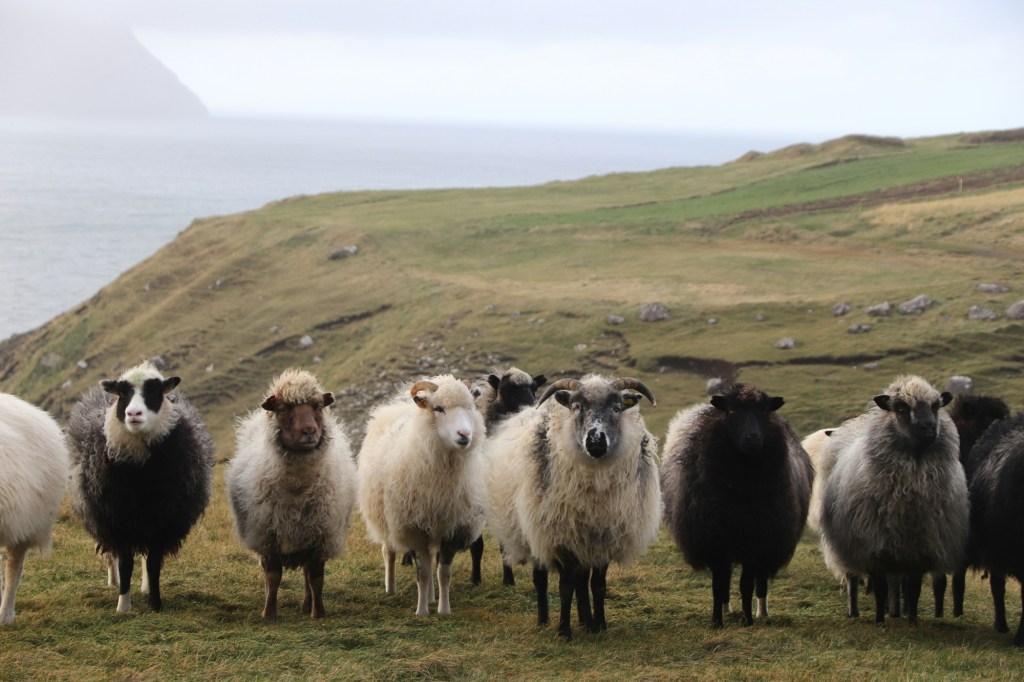
From Vágar Airport, you’ll drive past waterfalls that look too perfect to be real, sea cliffs straight out of Viking legends, and a suspicious number of sheep standing directly in the road, daring you to figure out right-of-way etiquette (spoiler: the sheep win).
The final stretch to Gjógv takes you through the Funningur Valley, a winding road where every turn makes you say, okay, this is officially the best view so far… no, wait—this one is. Then, just as you’re getting used to being awestruck, the road ends—literally. That’s when you know you’ve arrived.
What Makes Gjógv So Special?
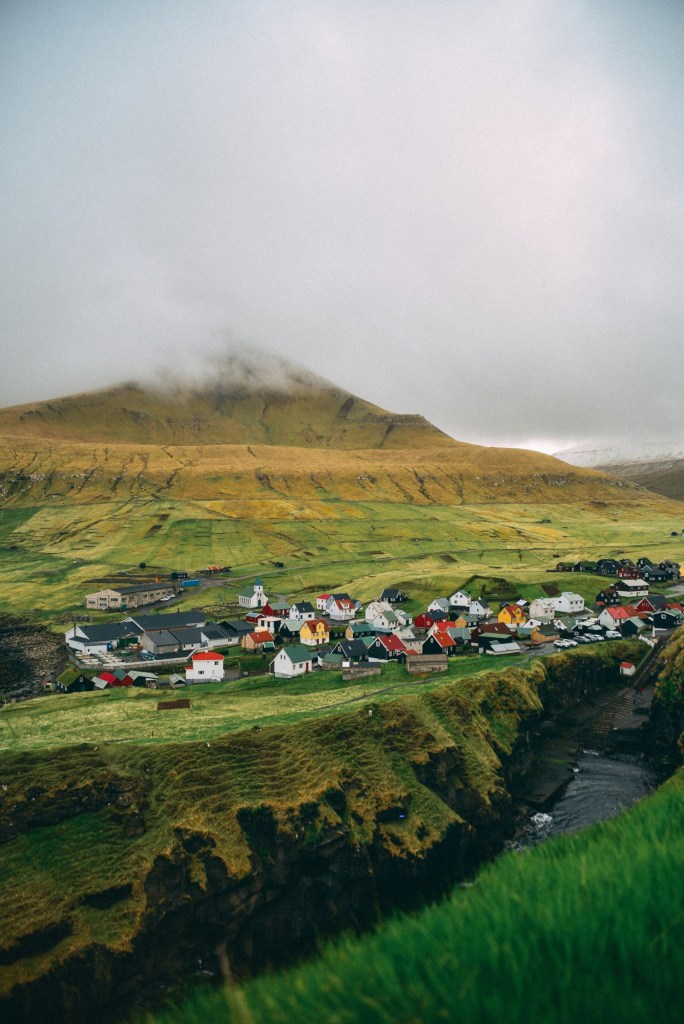
1. It’s Like Stepping Into a Fairy Tale (Minus the Dragons, Hopefully)
Gjógv doesn’t feel real. It’s like the set of a movie where the main character gives up city life to find true happiness—but, you know, in the Faroes.
• Tiny houses painted in red, yellow, and black sit along a narrow river.
• Grassy rooftops blend seamlessly with the landscape, because in the Faroes, your roof can literally be your lawn.
• There’s no traffic, no chain stores, no stress—just mountains, ocean, and the occasional puffin flying by as if it owns the place (which, honestly, it kind of does).
It’s the kind of place where you find yourself taking deep, dramatic breaths of fresh air for no reason other than the fact that it feels right.
2. The Legendary Gjógv Gorge: The Village’s Natural Masterpiece
Let’s be honest—Gjógv has some stiff competition when it comes to scenic Faroese villages. But its trump card is its namesake gorge (Gjógv literally means gorge in Faroese), a massive rock-cut channel leading straight into the North Atlantic.
For centuries, this was the village’s only harbor. Fishermen would lower their boats into the gorge, row out into the open sea, and bring back cod and haddock like it was no big deal. Standing at the edge today, I felt like I was looking at nature’s own secret dock, where the ocean breathes in and out between the towering rock walls.
There’s a staircase that winds down the cliffs to the water—ideal for capturing ridiculously dramatic photos where you pretend to be a lone explorer (when, in reality, you’re just trying not to slip on wet stone).
3. The View from Crown Princess Mary’s Bench (Fit for Royalty and Regular People Alike)
If Gjógv had a VIP seating area, this would be it.
Perched atop a grassy hill, Crown Princess Mary’s Bench (yes, that Crown Princess Mary of Denmark) offers a front-row seat to one of the most spectacular views in the world.
• The colorful houses of Gjógv below? Check.
• The endless Atlantic stretching to the horizon? Yep.
• Dramatic cliffs where seabirds soar and waves crash? Oh, absolutely.
Sitting there, I found myself contemplating very deep thoughts—like whether moving to Gjógv and opening a café that exclusively serves Faroese waffles was a reasonable life decision.
Things to Do in Gjógv (Besides Staring at the View and Questioning Your Life Choices)
For a village with fewer than 50 residents, Gjógv has plenty to keep travelers busy.

1. Hiking to Places That Feel Like the Edge of the World
The Faroe Islands are a hiker’s dream, and Gjógv is surrounded by some of the best trails in the country.
• The Víkar hike takes you to an abandoned settlement with jaw-dropping ocean views.
• Slættaratindur, the highest peak in the Faroes, is just a short drive away—if you want to conquer a mountain before lunch.
2. Birdwatching (Because Puffins Are the Real Celebrities Here)
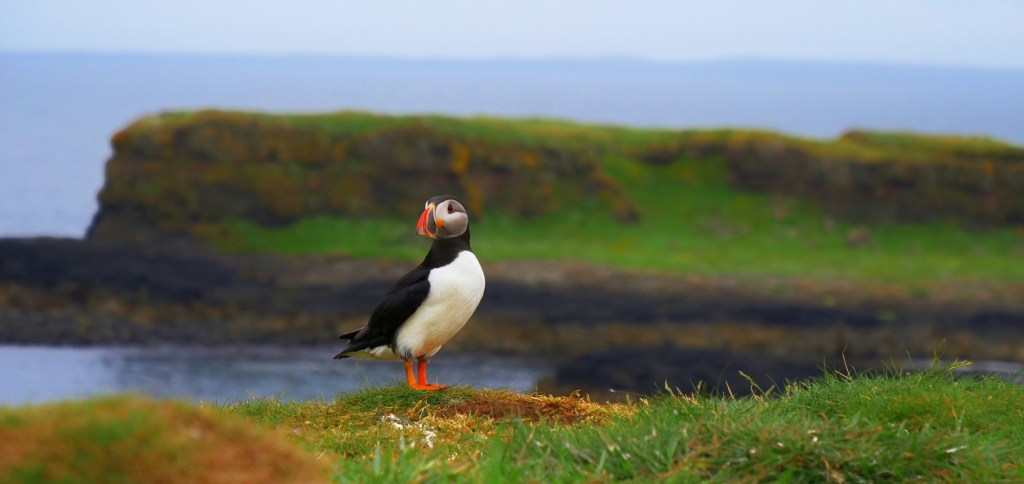
Gjógv’s cliffs are home to thousands of seabirds, and if you visit during summer, you might spot adorable puffins waddling along the rocks like they own the place (which, again, they kind of do).
• Bring binoculars—watching puffins dive into the waves is a free nature documentary unfolding in real-time.
3. Experiencing Faroese Hospitality
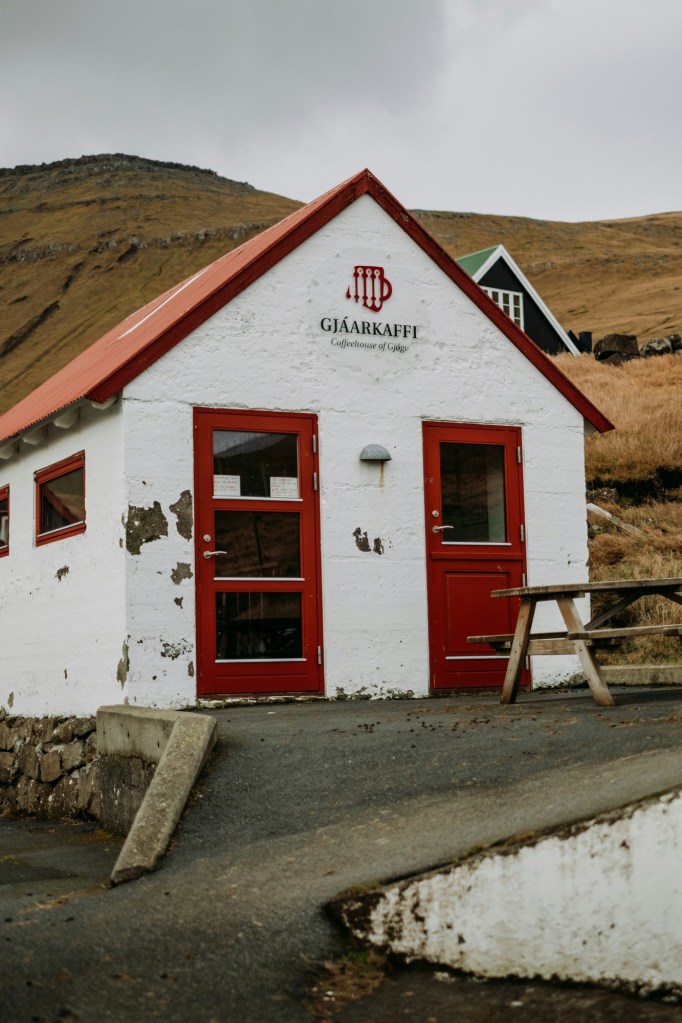
• Gjógv’s only guesthouse, Gjáargarður, serves up homemade Faroese cuisine (think fresh fish, lamb, and surprisingly delicious rhubarb desserts).
• Locals are friendly in a quiet, unassuming way—you won’t get a touristy show, but you might get an interesting conversation over coffee if you ask about life in such a remote place.
Is Gjógv Really the Most Beautiful Village in Europe?
I’ve been to some stunning European villages—Hallstatt (Austria), Positano (Italy), Reine (Norway)—and yet Gjógv feels different.
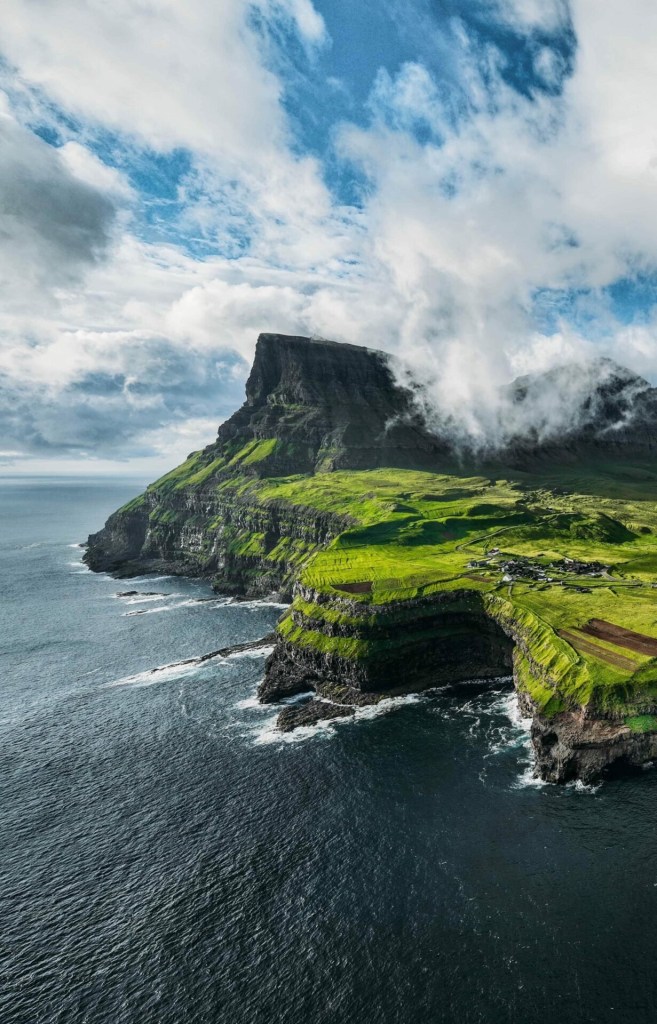
• There are no crowds, no overpriced souvenirs, no pretentiousness.
• It’s raw, unfiltered beauty, where the landscape is the star, and humans are just guests passing through.
• It’s peaceful in a way that makes you forget about emails, deadlines, and anything that isn’t the sound of the ocean.
Is it the most beautiful village in Europe? Maybe. But what makes it special isn’t just how it looks—it’s how it makes you feel.
Sitting on that bench, watching the waves roll in, I realized that Gjógv isn’t just a place you visit—it’s a place that stays with you long after you leave.
And that, I think, is what makes it truly unforgettable.
Final Tips for Visiting Gjógv
• Best Time to Visit: June–August for long daylight hours, or autumn for golden landscapes.
• Where to Stay: Gjáargarður Guesthouse is the only accommodation in town (cozy and worth it!).
• How to Get There: Rent a car—it’s a beautiful 1-hour drive from Tórshavn.
• What to Pack: Layers (Faroese weather changes fast), hiking boots, and a good camera—you’ll need it.
So, should you visit Gjógv?
If you love epic landscapes, absolute serenity, and the idea of watching puffins instead of checking Instagram, then yes.
Just be warned: leaving Gjógv feels a lot harder than getting there.
 Bucket List World Travel
Leave a comment