
Some places you visit, snap a few photos, and move on. Bhutan isn’t one of those places. It’s the kind of destination that stays with you long after you leave, not just because of its breathtaking landscapes or centuries-old monasteries, but because everything about it feels intentional.
This tiny Himalayan kingdom has cracked the code on tourism: fewer people, more meaningful experiences, and zero environmental regret. While the rest of the world grapples with over-tourism, Bhutan is busy setting the gold standard for sustainable travel—and it’s been doing it for decades.
Tourism, the Bhutanese Way
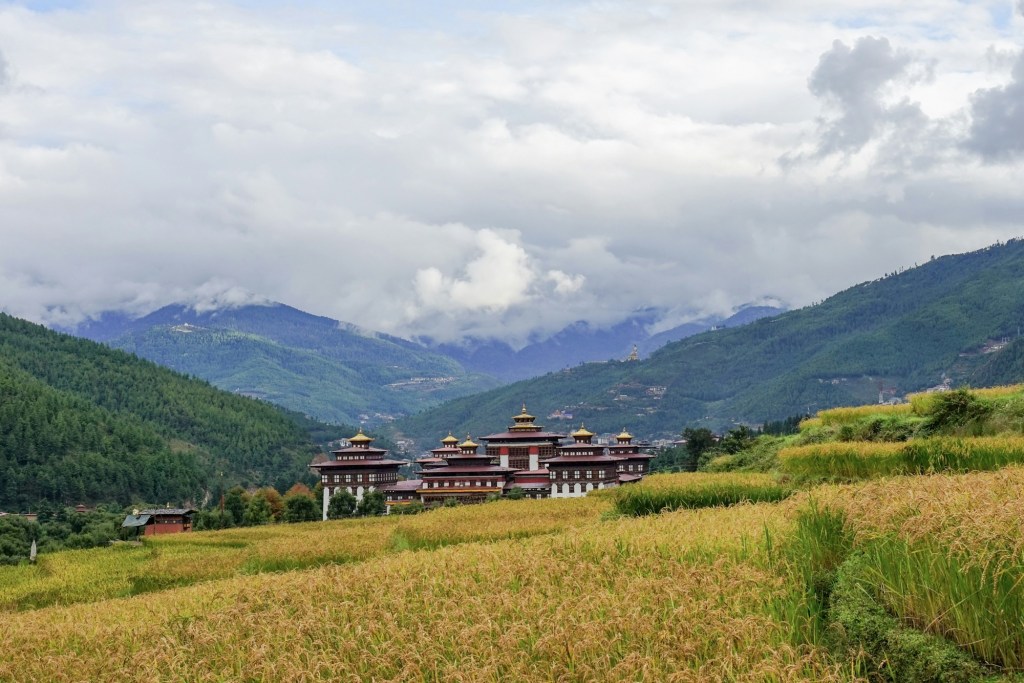
Most countries measure success by how many visitors they can cram in. Bhutan does the opposite. Here, it’s all about quality over quantity.
Instead of rolling out the red carpet for mass tourism, Bhutan follows a “high-value, low-volume” model. Translation? Fewer tourists, a required daily sustainable development fee (SDF), and a travel experience that actually contributes to the country’s well-being instead of draining it.
That fee? It goes toward environmental conservation, free healthcare and education for locals, and cultural preservation—which means your trip isn’t just a vacation; it’s an investment in one of the most unique places on Earth.
A Nation That Measures Happiness, Not Just Money
While most of the world chases GDP, Bhutan is out here measuring Gross National Happiness (GNH)—a philosophy that ensures every aspect of life, including tourism, aligns with environmental sustainability, cultural preservation, and social well-being.
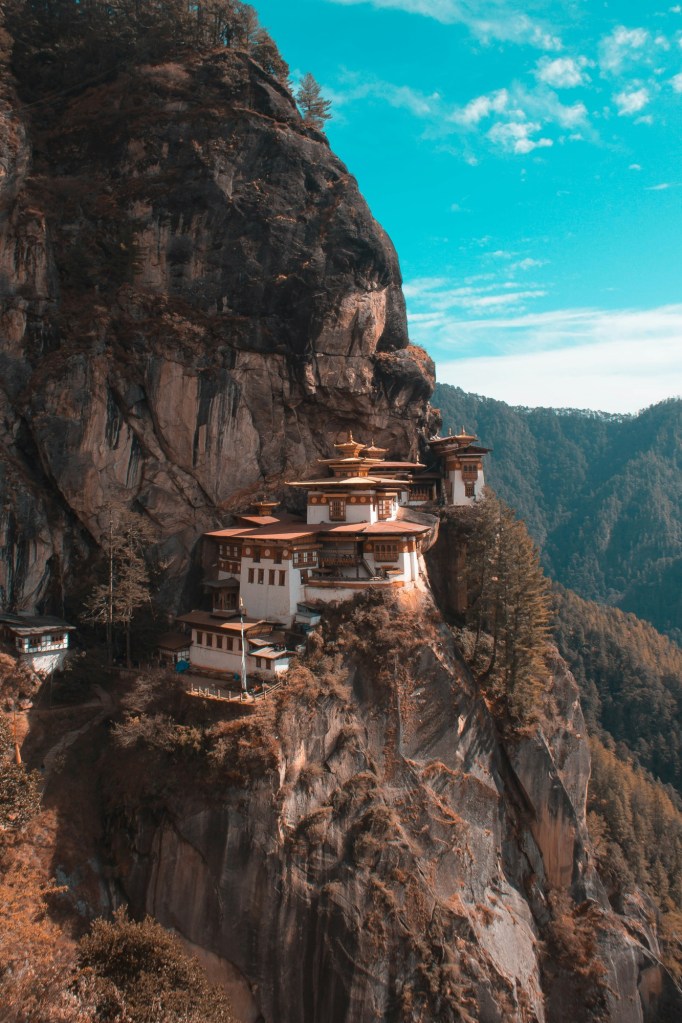
So, when you visit, you’re not just checking off another country—you’re stepping into a place that actually cares about maintaining its identity, its people, and the landscapes that make it special.
Adventures That Go Beyond Sightseeing
Bhutan isn’t just about looking—it’s about experiencing. Every part of your visit connects you with nature, culture, or both, whether you’re trekking through pristine forests, watching monks perform ancient rituals, or sipping butter tea in a traditional farmhouse.
Here’s what awaits:
1. Wildlife Watching—Nature’s VIP Section
Bhutan is wild, literally. It’s home to some of the rarest animals on the planet—think red pandas, golden langurs, and black-necked cranes. If you’re lucky, you might even spot a snow leopard (and if you do, buy a lottery ticket immediately).

2. Trekking—For Those Who Like Their Views Earned
With over 70% of the country covered in forests, Bhutan’s trekking routes are something else. The Snowman Trek? One of the hardest hikes on the planet. The Druk Path Trek? A stunning multi-day journey through remote mountain passes and ancient villages. Whichever path you choose, expect jaw-dropping scenery and zero crowds.

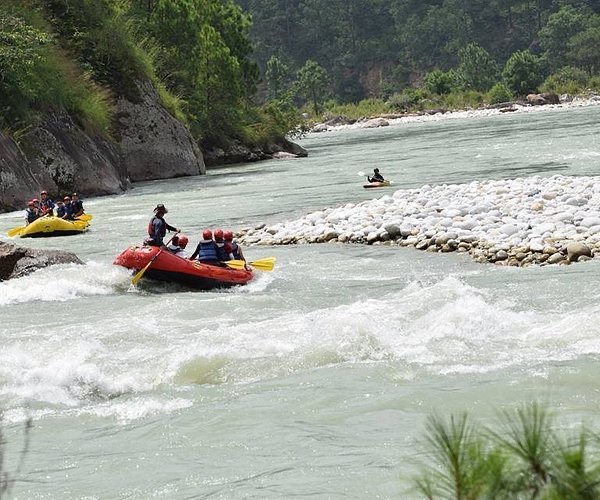
3. Rafting—Because Bhutan’s Rivers Aren’t Just for the Views
Glacier-fed rivers mean some seriously epic white-water rafting. But it’s not just about the adrenaline rush—rafting tours here often flow through protected areas where guides educate visitors on conservation efforts. A thrill ride that also makes you smarter? Yes, please.
4. Homestays—Ditch the Hotel, Stay With Locals
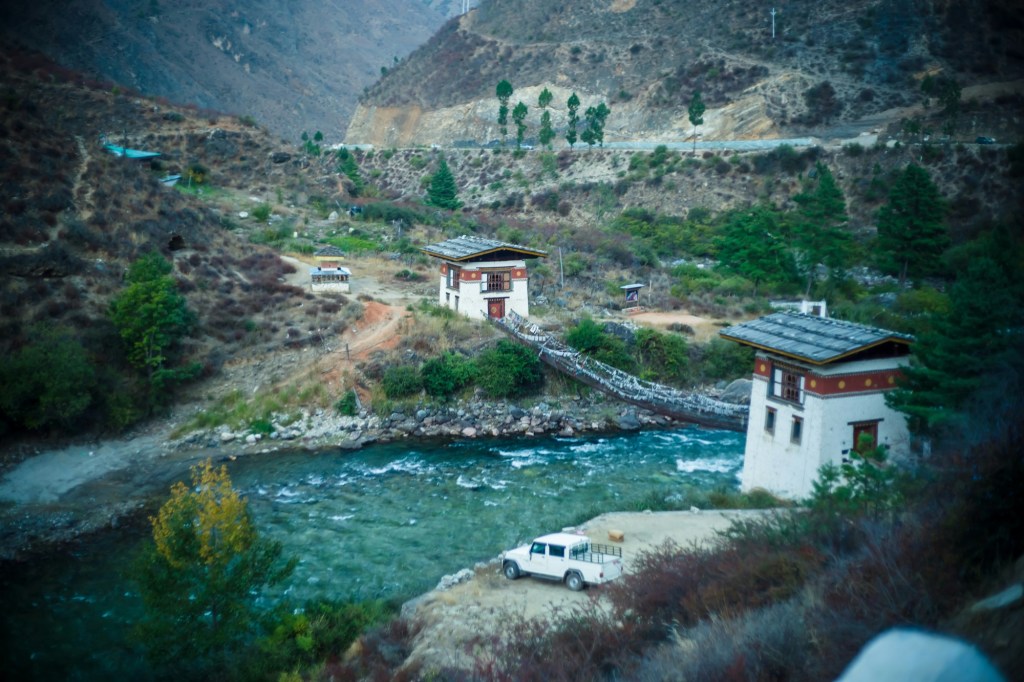
Want a real taste of Bhutanese life? Stay with a family in a traditional farmhouse. Not only will you get home-cooked Bhutanese meals (expect lots of chili and cheese), but you’ll also experience daily life in a place where traditions run deep. Bonus? Your stay directly supports local families.
5. Festivals—Where Culture Comes to Life
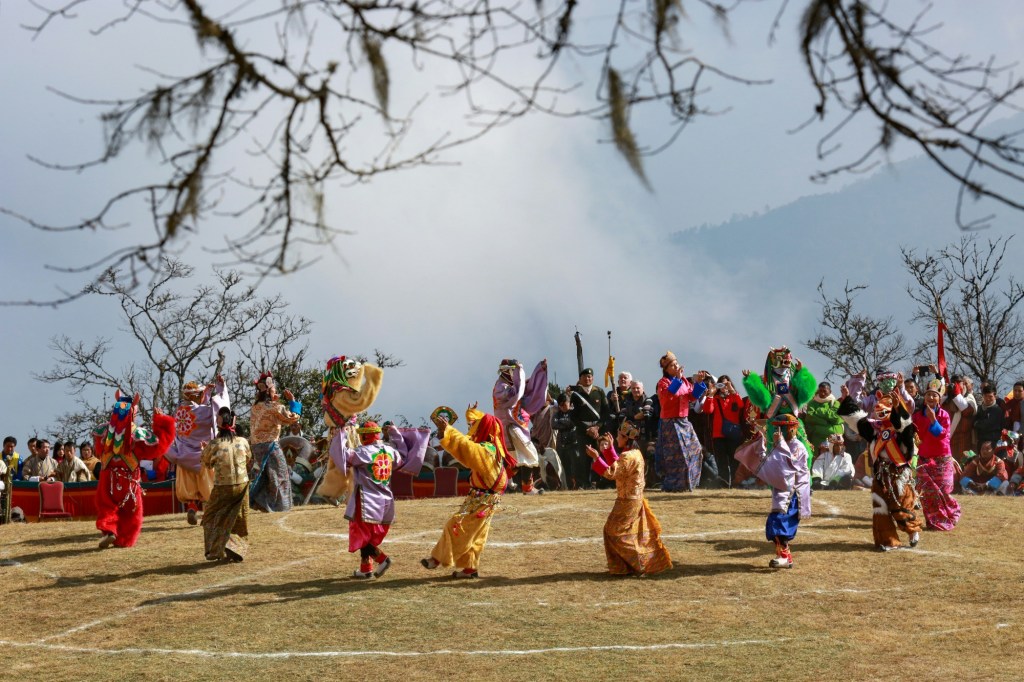
Bhutanese Tshechus (religious festivals) aren’t just events—they’re an explosion of color, tradition, and spiritual energy. Think monks in elaborate masks performing sacred dances, massive gatherings at fortress-like monasteries, and an atmosphere so electric you can’t help but get swept up in it.
6. The GEF Ecotourism Project—Tourism That Gives Back
Bhutan doesn’t just talk about sustainability—it acts on it. The Global Environment Facility (GEF) Ecotourism Project is one example. Focused on areas like Bumdeling and Sakteng Wildlife Sanctuaries, this initiative ensures that tourism actively contributes to conservation, eco-friendly infrastructure, and local job creation.
Why Bhutan’s Approach Works (And Why The Rest Of The World Should Take Notes)
Bhutan’s tourism model isn’t just impressive—it’s proof that travel can be a force for good. Here’s why it works:
1. Tourism That Puts Money Where It Matters
Instead of lining the pockets of giant corporations, Bhutan’s tourism revenue goes directly into local communities, conservation efforts, and preserving its cultural heritage.
2. Nature Stays Untouched
While many countries struggle with deforestation and pollution, Bhutan remains carbon-negative. That’s right—it absorbs more carbon than it emits. Thanks to strict conservation policies, forests are thriving, wildlife is protected, and rivers run clean.
3. Community Empowerment, Not Exploitation
Tourism here isn’t about locals serving visitors—it’s about mutual benefit. By involving communities in tourism initiatives, Bhutan ensures that its traditions, crafts, and way of life aren’t diluted by outside influences.
4. A Global Wake-Up Call
Bhutan doesn’t just protect its own land—it inspires visitors to think differently about their impact on the planet. If you leave Bhutan without a fresh appreciation for sustainable travel, were you even paying attention?
What’s Next for Bhutan’s Ecotourism?
Bhutan isn’t stopping anytime soon. The country continues to explore innovative ways to make tourism even more responsible—from promoting solar energy and electric transport in tourism operations to expanding conservation projects in remote regions.
They know that the world is watching, and they’re determined to lead by example.
Bhutan: A Reminder That Travel Should Be Meaningful
In an era where mass tourism is stripping destinations of their identity, Bhutan stands firm—proving that less is more, quality beats quantity, and responsible travel isn’t just an idea—it’s the future.
So, if you’re looking for a place that will challenge how you think about travel, Bhutan is waiting. But be warned: once you experience tourism done right, there’s no going back.
 Bucket List World Travel
Leave a comment