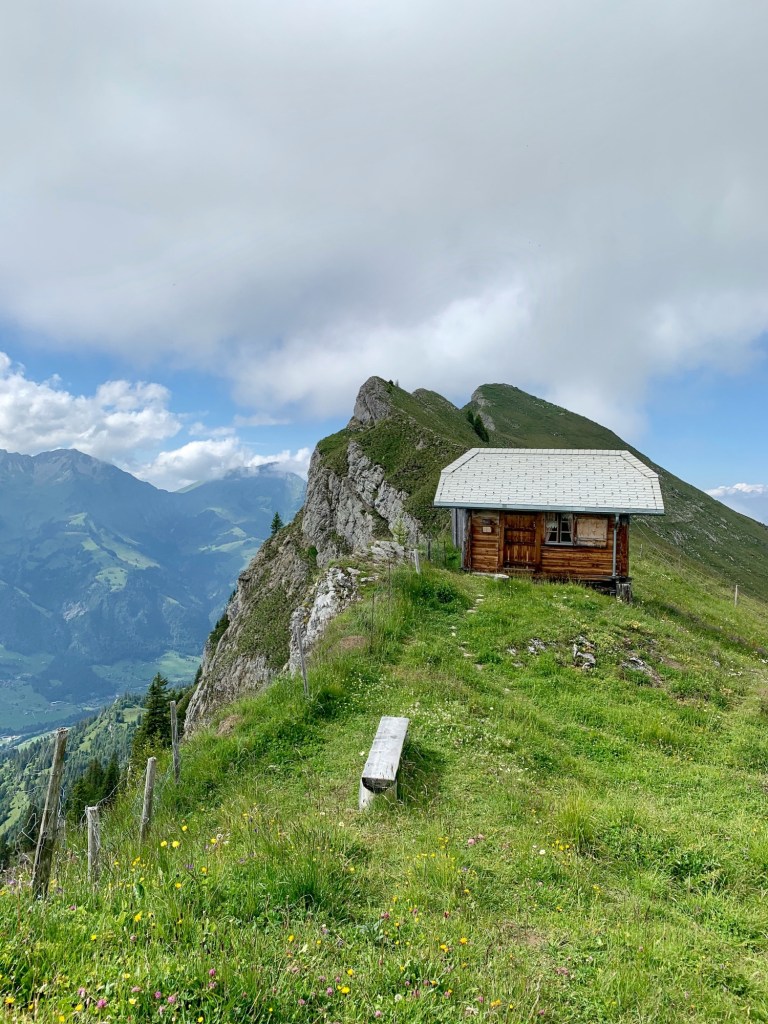
Sprawling across the heart of Switzerland like a crown of snow and stone, these peaks don’t just define the landscape — they shape the rhythm of life. Up here, the air is thinner, the days feel longer, and beauty shows up in both the grand views and the quiet details: the clink of cowbells echoing through green pastures, the first sip of coffee at a wooden hut, the way morning light touches a glacier like gold.
Here’s what makes the Swiss Alps not just a destination, but a feeling that stays with you.
1. More Than Mountains — A Living Landscape
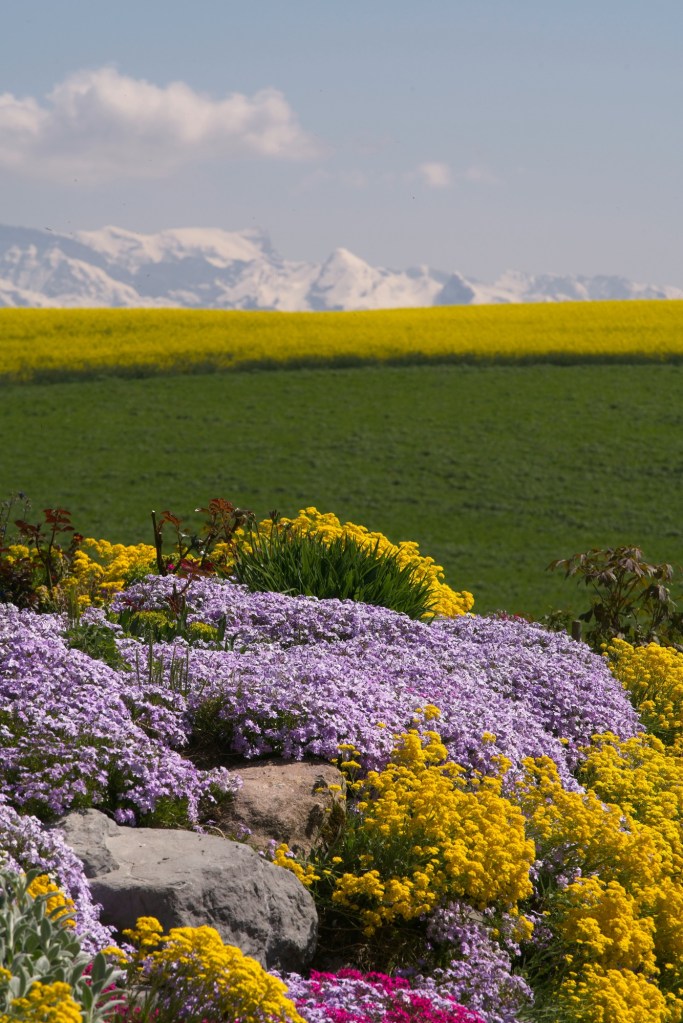
The Swiss Alps aren’t just alpine peaks — they’re living, breathing landscapes full of stories. From snowy summits that scrape the sky to rolling meadows bursting with wildflowers in summer, the terrain shifts with the seasons, and with it, the experiences.
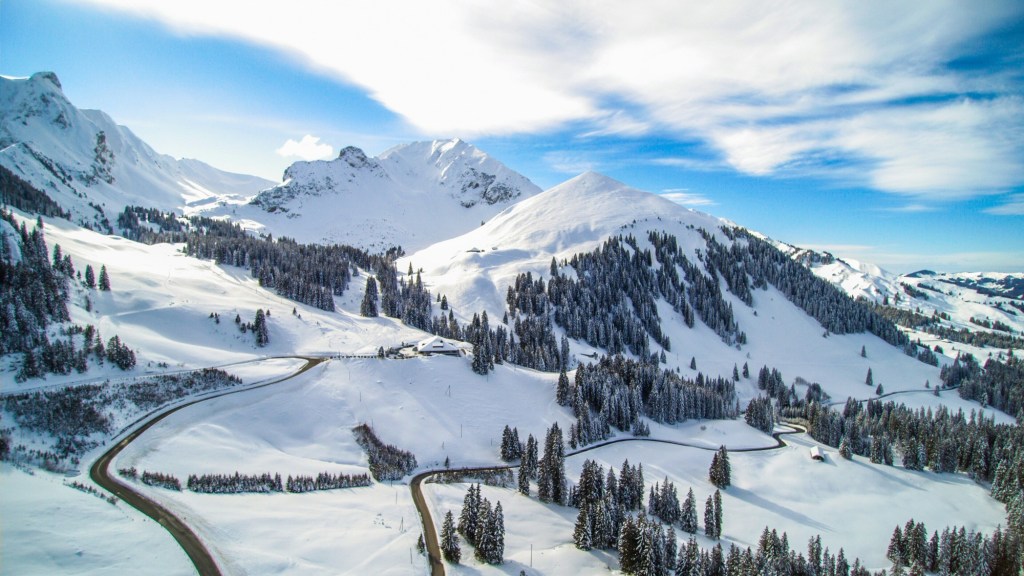
In winter, it’s all about powder. Skiing in Zermatt, St. Moritz, or Verbier means gliding down world-class slopes with glacier views at your side and charming après-ski culture waiting at the bottom. But there’s more than just skiing — snowshoeing, sledding, cozy mountain spas, and scenic train rides through snow-covered valleys bring the magic to life for everyone.
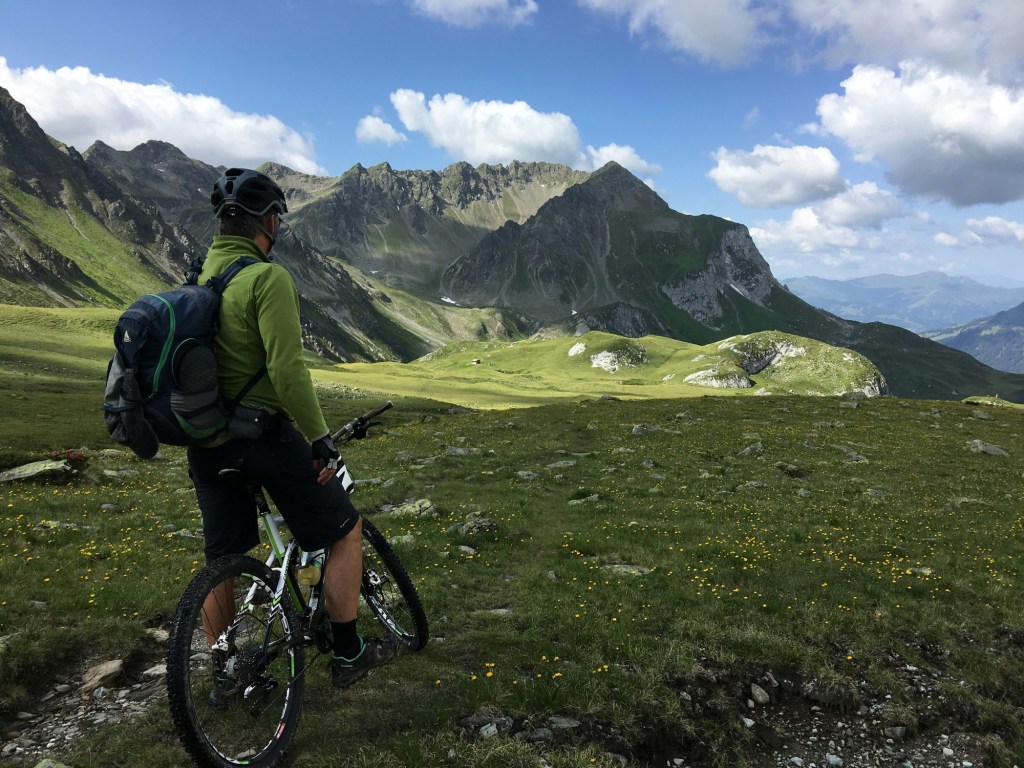
In summer, the Alps transform. Trails open up. Waterfalls roar. Herds of cattle move through the valleys with bells that make the hills sing. Hikers, bikers, and paragliders fill the mountain air, chasing those endless blue skies and crisp alpine air.
2. The Iconic Peaks — Matterhorn, Eiger, and Beyond
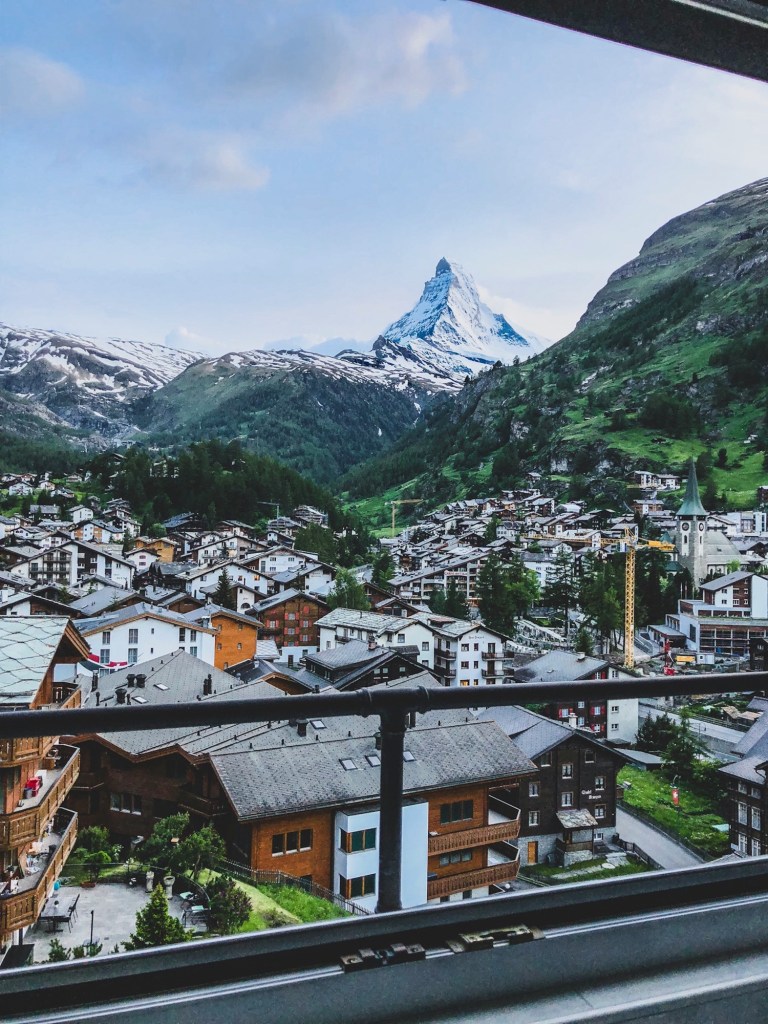
If the Alps had a celebrity lineup, it would start with the Matterhorn — that dramatic, pyramid-shaped peak that rises above Zermatt like something out of a dream. It’s not the tallest, but it’s arguably the most striking. Whether you see it from a train window, a trail, or a mountaintop sunrise, the Matterhorn has a way of stopping you in your tracks.
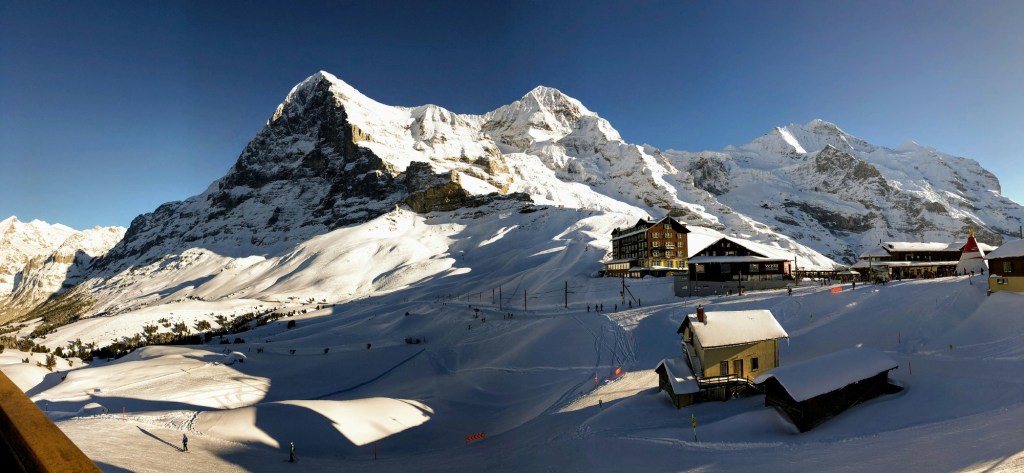
Then there’s the Eiger, towering above Grindelwald and casting its shadow over legends and climbers alike. Nearby, the Jungfrau and Mönch complete a trio that defines the Bernese Alps — grand, glacial, and unforgettable.
And while the big names get the glory, there are hundreds of peaks, each with their own quiet majesty. The Alps are full of surprises — sometimes the view you stumble on by accident ends up being the one you remember forever.
3. Villages with Storybook Charm
Switzerland does villages like no other. Tucked between peaks and wrapped in green, alpine villages in the Swiss Alps offer more than just a place to sleep — they offer a way of life.
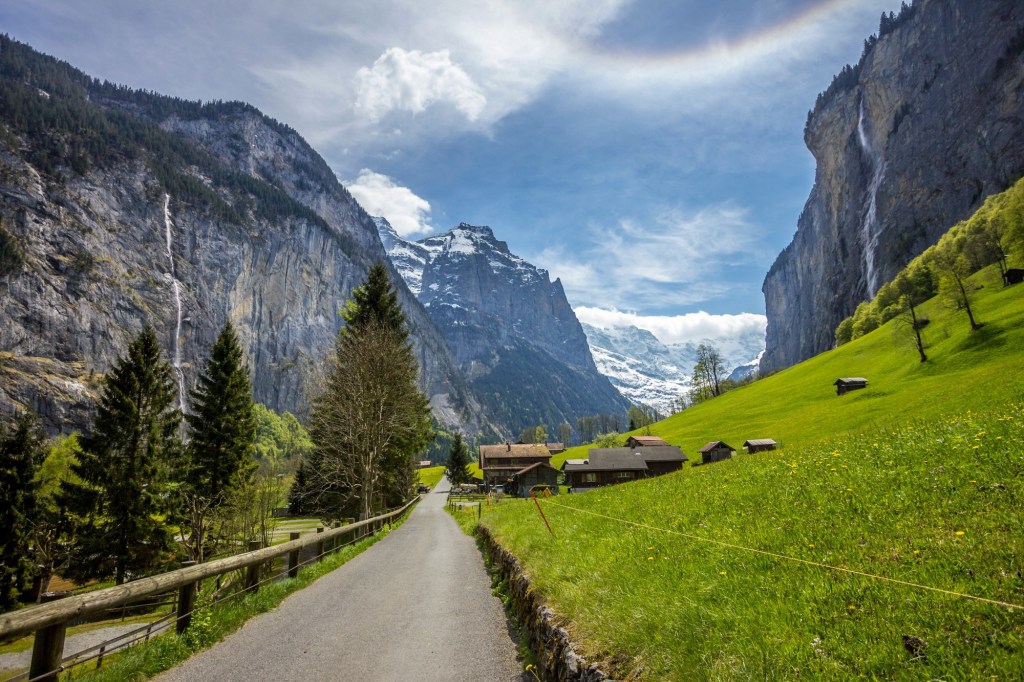
In Lauterbrunnen, waterfalls tumble from sheer cliffs, and timber chalets line the valley floor like they’ve been there for centuries. In Wengen and Mürren, no cars are allowed — just trains, hiking boots, and silence broken only by the rustle of wind in the trees.
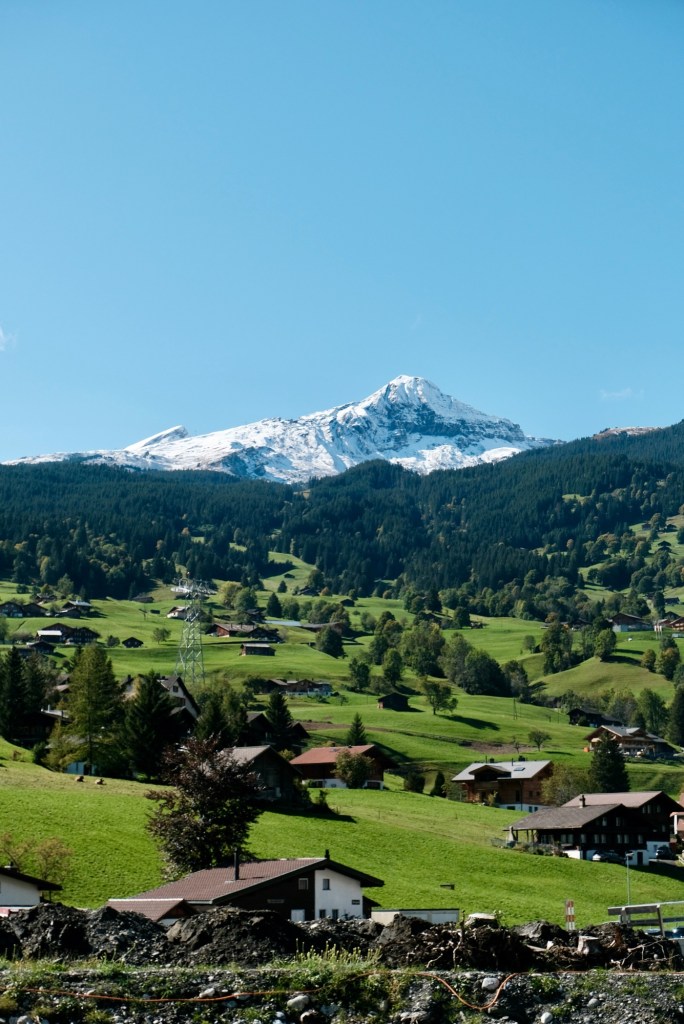
Grindelwald, Saas-Fee, Andermatt, and Adelboden — each has its own flavor, but all share a common rhythm: slow mornings, mountain views out every window, and traditions that run deep.
4. Trains That Turn the Journey Into the Destination

In the Swiss Alps, getting there is half the joy. Some of the most scenic train routes in the world snake through these mountains, offering sweeping views from panoramic windows that feel like movie screens.
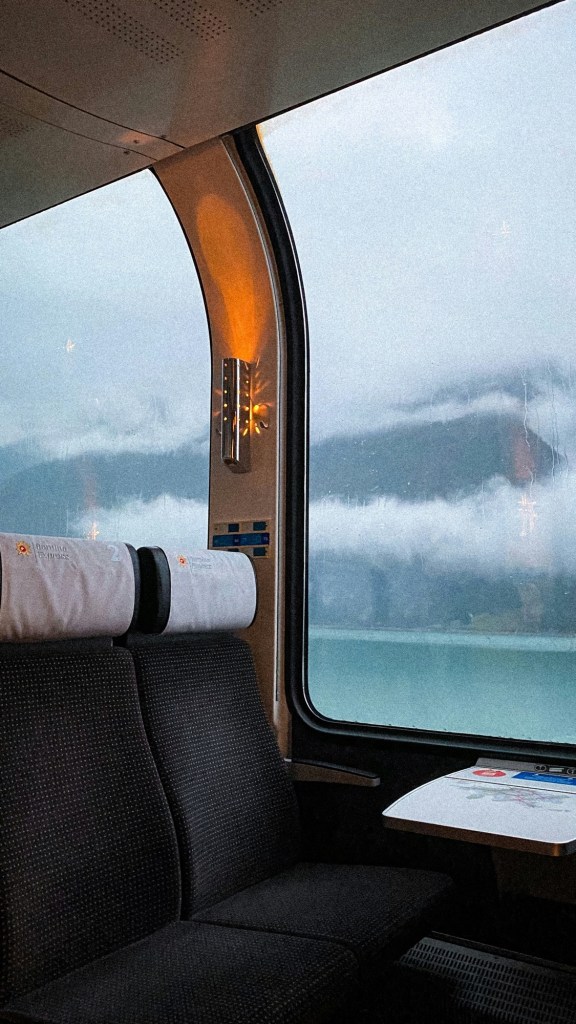
The Glacier Express, stretching from Zermatt to St. Moritz, takes you across 291 bridges, through 91 tunnels, and past high mountain passes and remote valleys. It’s called the slowest express train in the world — and you wouldn’t want it any other way.
The Bernina Express is just as breathtaking, especially when it glides past icy lakes and into the Italian-speaking region of Ticino. For those who prefer the path less traveled, regional trains and cog railways offer quiet, equally stunning rides through the Alps’ lesser-known corners.
5. Food That Feeds the Soul
Alpine food is simple, hearty, and exactly what you crave after a day on the mountain. Think bubbling pots of fondue, golden rösti (Swiss-style hash browns), paper-thin Bündnerfleisch (air-dried beef), and pastries that taste like someone’s grandmother made them that morning.

Stop at a mountain hut — or Berghütte — and you’ll find yourself eating cheese made from the cows grazing just outside, alongside fresh bread and wine from a nearby valley. There’s no need for pretense here. Just good food, fresh air, and views that stretch for miles.
And yes, the chocolate really does taste better up here.
6. The Hikes You’ll Remember Forever
Whether you’re an experienced trekker or just someone who loves a good walk, the Swiss Alps have a trail for you. There are thousands of miles of marked paths, ranging from peaceful strolls through flower-filled meadows to intense multi-day alpine crossings.
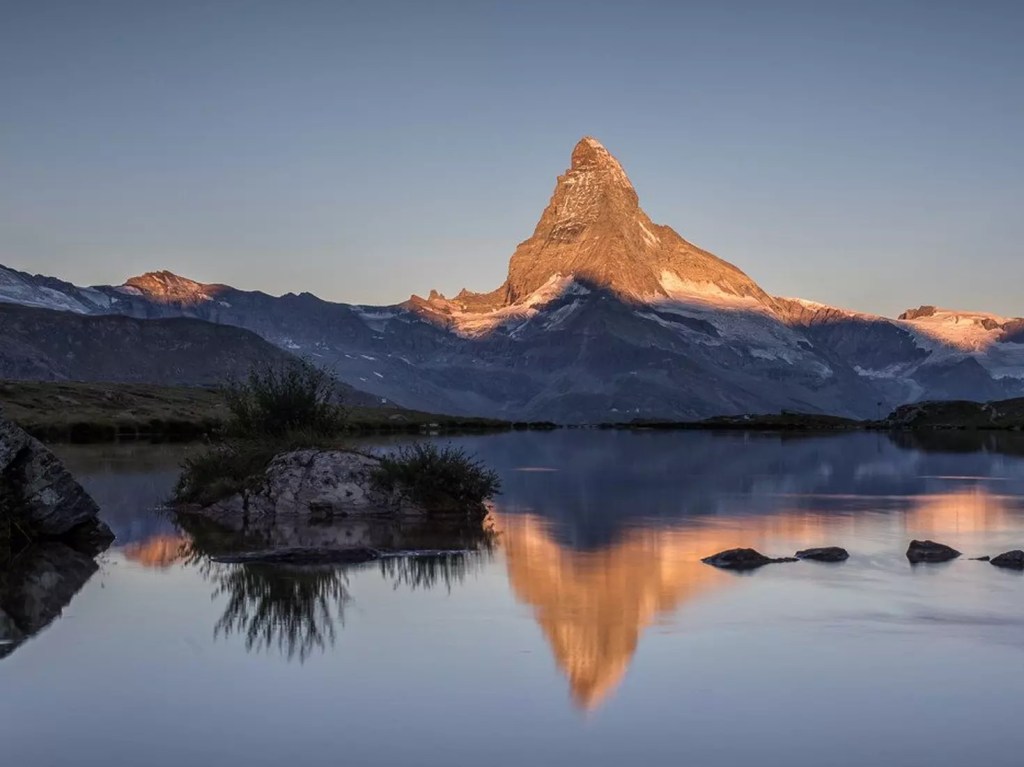
The Five Lakes Walk in Zermatt, the Eiger Trail above Grindelwald, and the path to Oeschinensee near Kandersteg are all unforgettable. Want something more remote? Try the Via Alpina or parts of the Haute Route that links Chamonix to Zermatt — the kind of trails that change how you see the world, and yourself.
7. When the World Slows Down
Maybe the most surprising thing about the Swiss Alps isn’t the peaks or the food or even the postcard views — it’s how they make you feel. Life up here runs on a different clock. Trains are precise, yes — but time itself feels more generous.
There’s space to think. To wander. To listen. You notice the small things — the sound of a stream, the scent of pine, the warmth of a wooden bench in the sun.
How to Make the Most of It
• Best time to go: December–March for skiing; June–September for hiking and green alpine landscapes.
• Getting around: Trains are the way to go. Get a Swiss Travel Pass for unlimited access to trains, buses, and boats.
• Where to stay: Cozy mountain hotels, family-run guesthouses, or a rustic alpine hut for a night under the stars.
• Pro tip: Don’t try to do it all. Pick one region and let it reveal itself slowly.
Final Thoughts
The Swiss Alps have a quiet way of drawing you in. Whether you’re looking for adventure or calm, luxury or simplicity, there’s something here that feels true.
And long after you’ve left the trails behind, you’ll still hear them — in the quiet moments, calling you back.
 Bucket List World Travel
Leave a comment