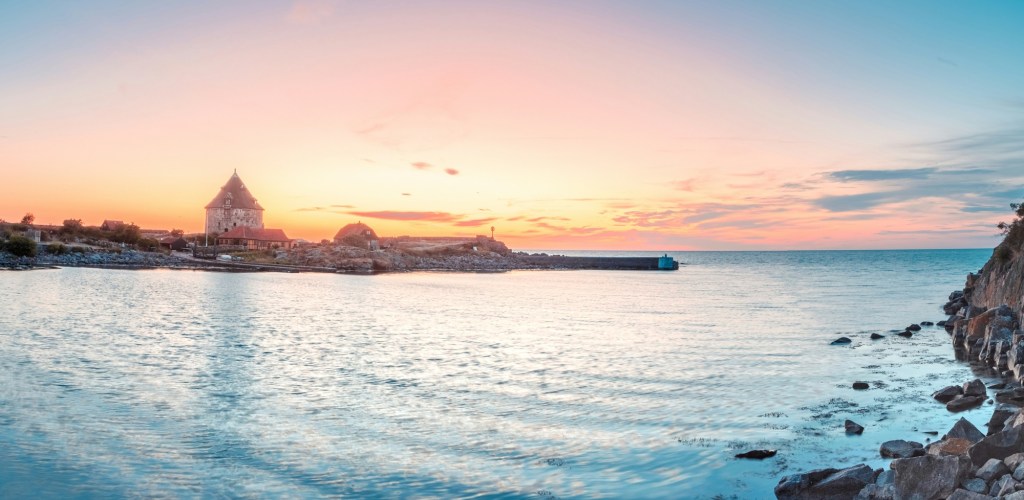
When people dream of a Scandinavian escape, they often picture the sleek streets of Copenhagen, the moody coastlines of Norway, or Sweden’s serene archipelagos. But Denmark hides a secret just offshore—a constellation of enchanting islands few tourists ever reach. These islands are where pastel cottages lean into the sea breeze, bike paths meander through fields of wildflowers, and locals greet you with warmth and a smile.
If you’re craving peace, charm, and an authentic Danish experience, here are five secret islands in Denmark you’ve probably never heard of—but absolutely should visit.
1. Ærø – The Fairytale Island That Time Forgot
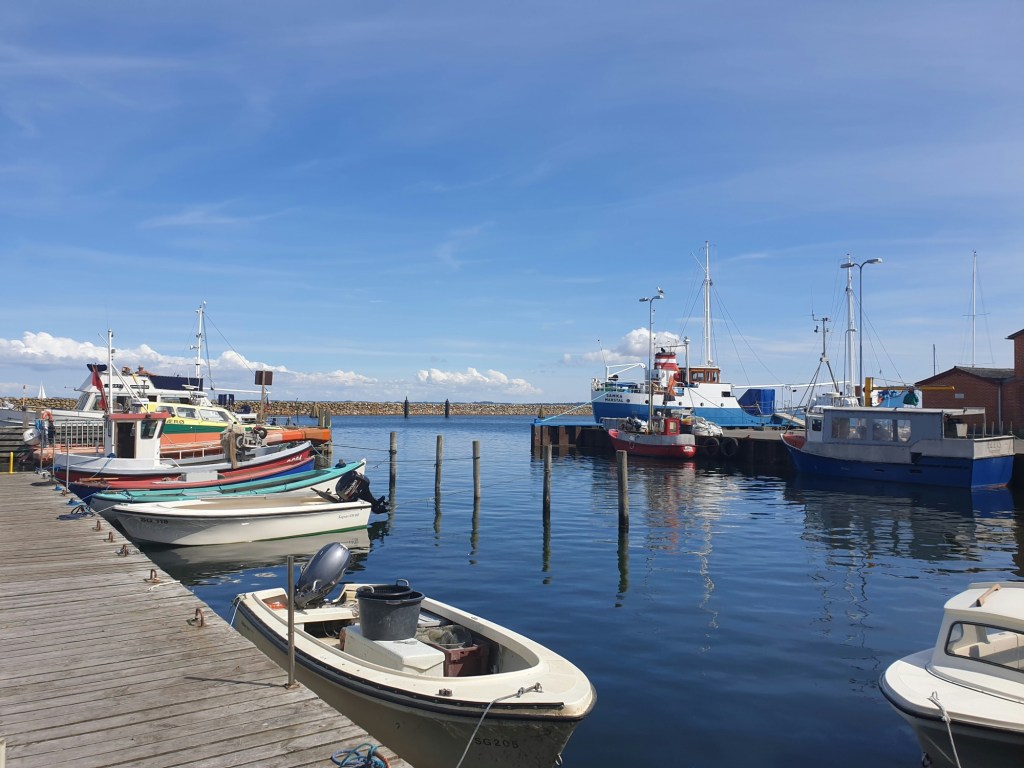
Tucked into the South Funen Archipelago, Ærø (pronounced Air-uh) feels like something from a Hans Christian Andersen tale. Cobblestone streets weave through Ærøskøbing, one of Denmark’s best-preserved 18th-century towns, where homes are painted in buttery yellows and soft seafoam blues, and hollyhocks bloom like wild confetti.
What makes Ærø truly magical, though, is its slow, storybook rhythm. Bicycles are the preferred mode of travel, sailboats bob in the harbor, and the beaches are lined with charming bathing huts in pastel shades.
Don’t Miss:
• A romantic bike ride from Ærøskøbing to Marstal, passing rolling countryside and sea cliffs.
• The beach huts at Vesterstrand—a photographer’s dream.
• Local wines and smoked fish at one of the tiny farm-to-table restaurants.
How to Get There: Take a ferry from Svendborg on the island of Funen. The trip takes about an hour and feels like a portal to another world.
2. Fanø – Wild Nature and Seaside Nostalgia
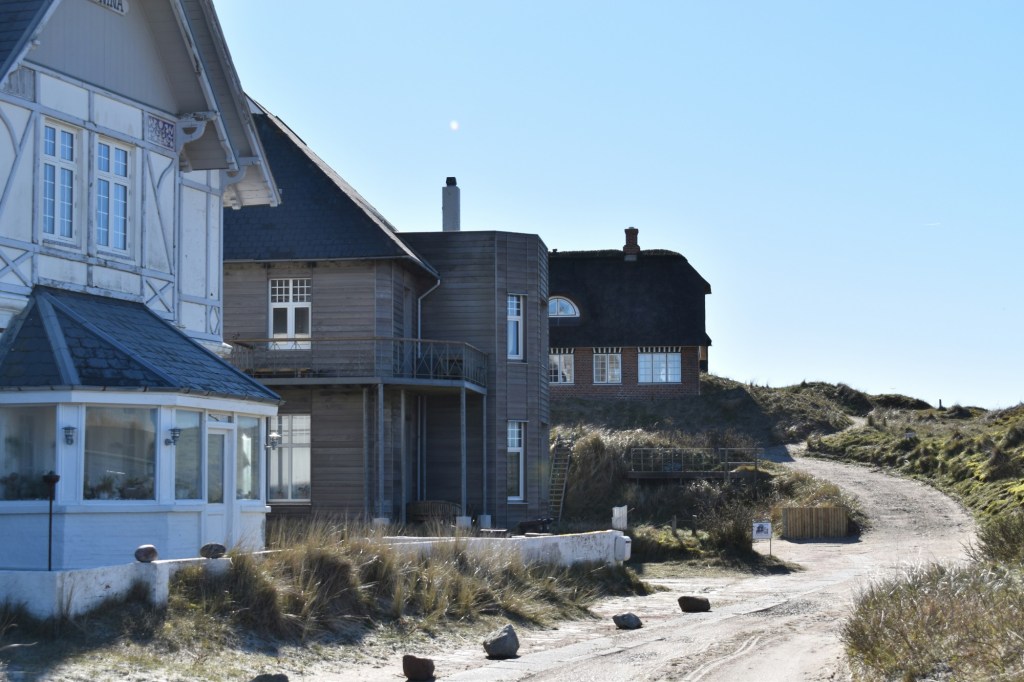
Just off Denmark’s west coast, Fanø is where wild dunes meet nostalgic beach towns, and the salty air carries the scent of heather and the sound of kites fluttering overhead. Once a hub for sailors and whalers, Fanø is now a haven for nature lovers and creatives seeking inspiration and solitude.
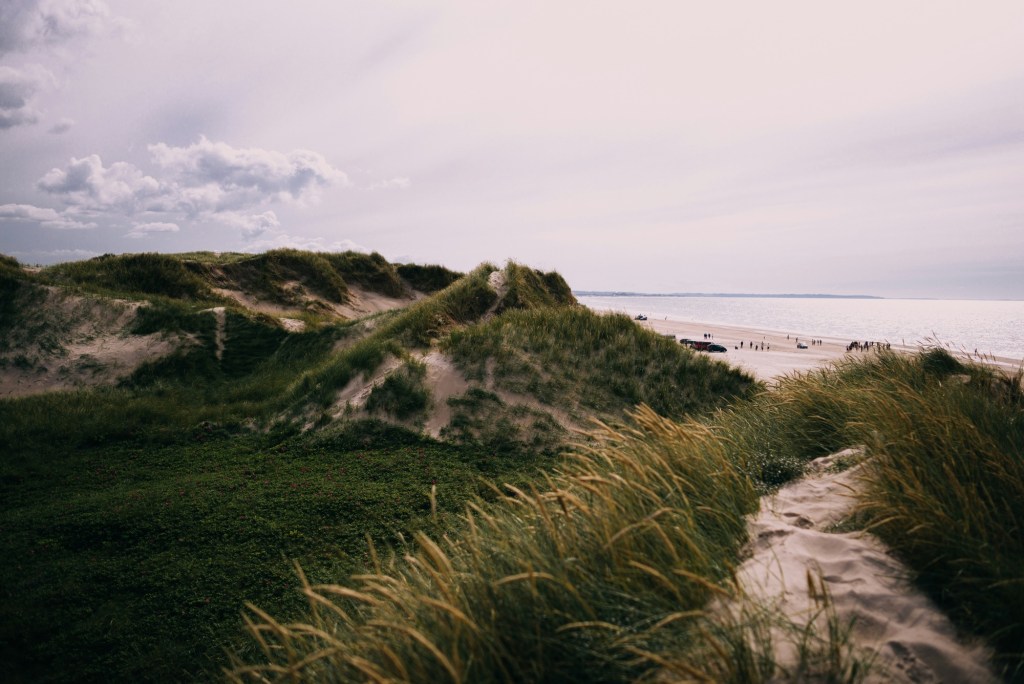
The town of Nordby charms with its narrow lanes and thatched-roof houses, while the beaches stretch so wide you can drive on them (yes, legally!). In summer, Fanø comes alive with Europe’s largest kite festival, filling the skies with color.
Don’t Miss:
• Walking barefoot on the endless beach at Rindby Strand at sunset.
• Spotting wild seals lounging on the sandbanks at low tide.
• Enjoying “kagebord,” a traditional Danish cake table, at a local café.
How to Get There: A quick 12-minute ferry ride from Esbjerg on the mainland makes Fanø easily accessible yet still blissfully quiet.
3. Samsø – Denmark’s Sustainable Paradise
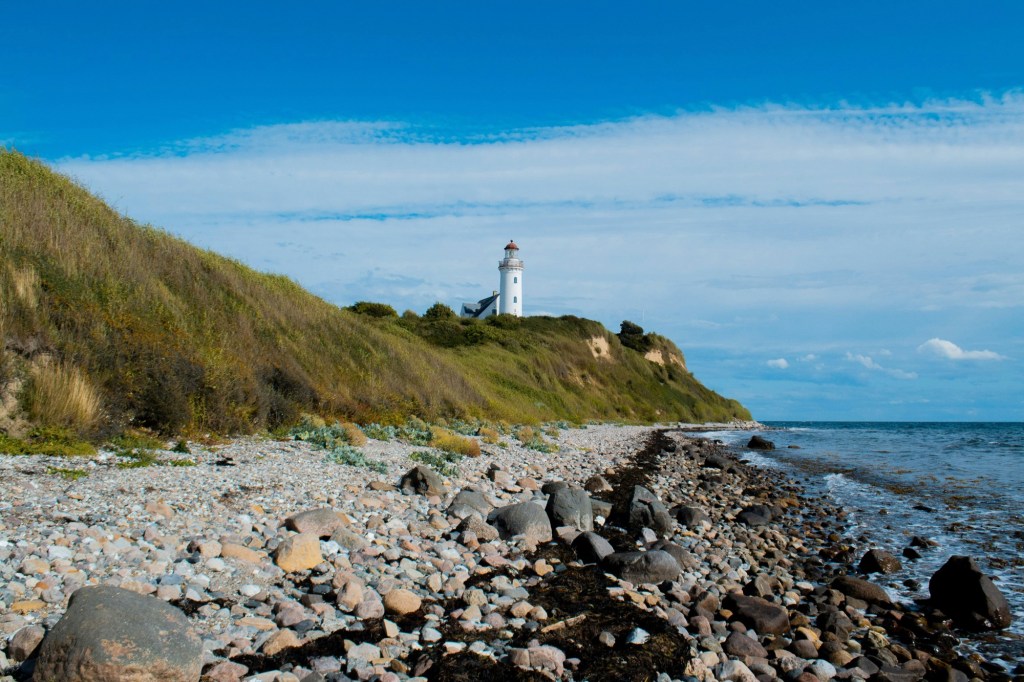
Halfway between Zealand and Jutland lies Samsø, an island that has earned global attention for its impressive environmental achievements. It runs almost entirely on renewable energy, and the locals are proud stewards of their land and sea.
But beyond its green credentials, Samsø is simply stunning—sun-kissed fields, sleepy villages, lavender farms, and beaches that feel undiscovered. Life here moves slowly, giving you space to reconnect with nature, taste fresh produce, and watch golden light pour across the meadows in the evening.
Don’t Miss:
• Renting an e-bike and touring the island’s organic farms and vineyards.
• Walking to Issehoved, the dramatic northern tip where the land tapers into the sea.
• Enjoying Samsø potatoes—famous throughout Denmark for their flavor—at a local summer food market.
How to Get There: Ferries run from Hou (Jutland) and Kalundborg (Zealand), making it a perfect island detour from either direction.
4. Læsø – Salt, Seaweed, and Island Magic
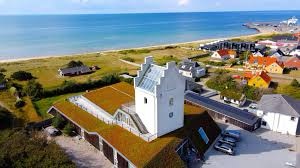
In the Kattegat Sea between Denmark and Sweden lies Læsø, a mysterious, windswept island known for its historic seaweed-roofed houses and centuries-old salt production. Once considered the “salt capital” of Denmark, Læsø’s traditional saltworks have been revived, and visitors can even try bathing in saltwater spas said to have healing properties.
Læsø is also home to wide, peaceful beaches, pine forests, and a distinctive local culture shaped by its isolation and resilience. The island has been described as “like nowhere else in Denmark”—a place to wander, slow down, and discover something utterly original.
Don’t Miss:
• Visiting the Læsø Saltworks and learning the ancient techniques still in use today.
• The remarkable houses with thick, wave-like roofs made from eelgrass (seaweed).
• Exploring the island’s art galleries and craft shops, many run by resident artists and weavers.
How to Get There: A ferry from Frederikshavn takes you to Læsø in just 90 minutes, yet it feels a world apart from the bustle of the mainland.
5. Tunø – The Car-Free Island Where Time Stands Still

Tiny Tunø, located in the Kattegat Sea off the east coast of Jutland, is entirely car-free—making it one of Denmark’s most tranquil escapes. The only way to get around is on foot, by bike, or on little island tractors used by locals.
With its golden fields, quiet beaches, and a charming village with whitewashed buildings and a church that also functions as a lighthouse, Tunø has a quietly spiritual presence. It’s perfect for those seeking a digital detox or a chance to feel the rhythm of a simpler life.
Don’t Miss:
• Hiking the 8-kilometer trail around the island’s perimeter, with views of the sea on all sides.
• Climbing the church tower (Denmark’s only church lighthouse) for panoramic island views.
• Picking blackberries along the road and enjoying homemade ice cream at the harbor café.
How to Get There: Ferries run from Hou (on Jutland’s east coast) and take under an hour.
Why These Islands Deserve a Spot on Your Travel Bucket List
What makes Denmark’s secret islands so irresistible isn’t just their natural beauty—though they have that in abundance. It’s the sense of peace, authenticity, and discovery that comes with each one.
You’ll find:
• Zero crowds, even in peak summer.
• Friendly locals happy to share their stories and traditions.
• Real experiences rooted in Danish culture—from saltmaking to smørrebrød to seaweed roofs.
• Plenty of time and space to slow down and savor the moment.
Whether you’re sailing between islets, stargazing without a single light pollution interruption, or biking along quiet country roads with only the breeze as company, these islands invite you to reconnect—with nature, with history, and with yourself.
Travel Tips for Island-Hopping in Denmark
• Ferries are part of the fun: Denmark’s ferry network is efficient and scenic. Booking in advance during summer is smart, but many crossings don’t require reservations.
• Rent a bike: Most islands are best explored on two wheels. Rentals are usually available near the ferry ports.
• Go in summer or shoulder season: May through September offers the best weather, but June and September are quieter and still beautiful.
• Pack layers: Even in summer, island breezes can be cool. A windbreaker, scarf, and comfy shoes will go a long way.
Final Thought
These secret islands in Denmark aren’t about ticking off tourist attractions. They’re about feeling the wind in your hair, tasting berries still warm from the sun, watching boats drift across the water, and rediscovering the art of slow travel. They’re little reminders that sometimes, the best places are the ones hiding quietly on the edges of the map—waiting for you to find them.
 Bucket List World Travel
Leave a comment