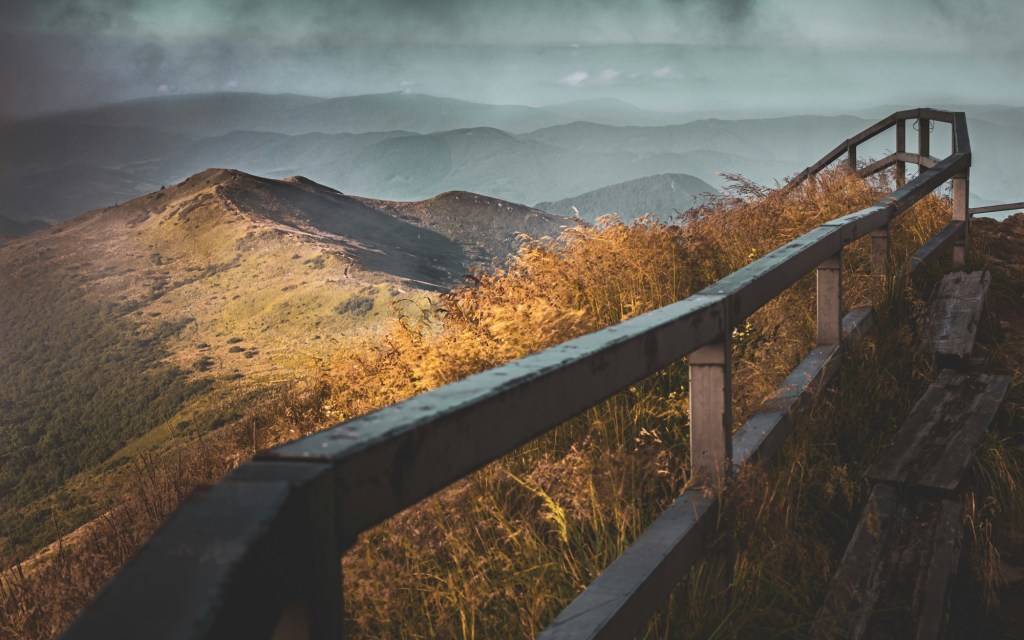
There’s a place tucked into the southeastern corner of Poland where time slows down, where mist lingers over rolling hills in the morning light, and where the loudest sound is the wind whispering through the trees. Welcome to the Bieszczady Mountains—Poland’s most soulful and secluded region.
This is not your average tourist destination. You won’t find glossy souvenir shops or crowded museums here. What you will find is something infinitely more valuable: silence, space, and a raw, natural beauty that feels untouched and eternal.
For those craving a quiet escape, a digital detox, or a brush with something deeply authentic, the Bieszczady Mountains are a revelation.
Where Are the Bieszczady
Mountains?
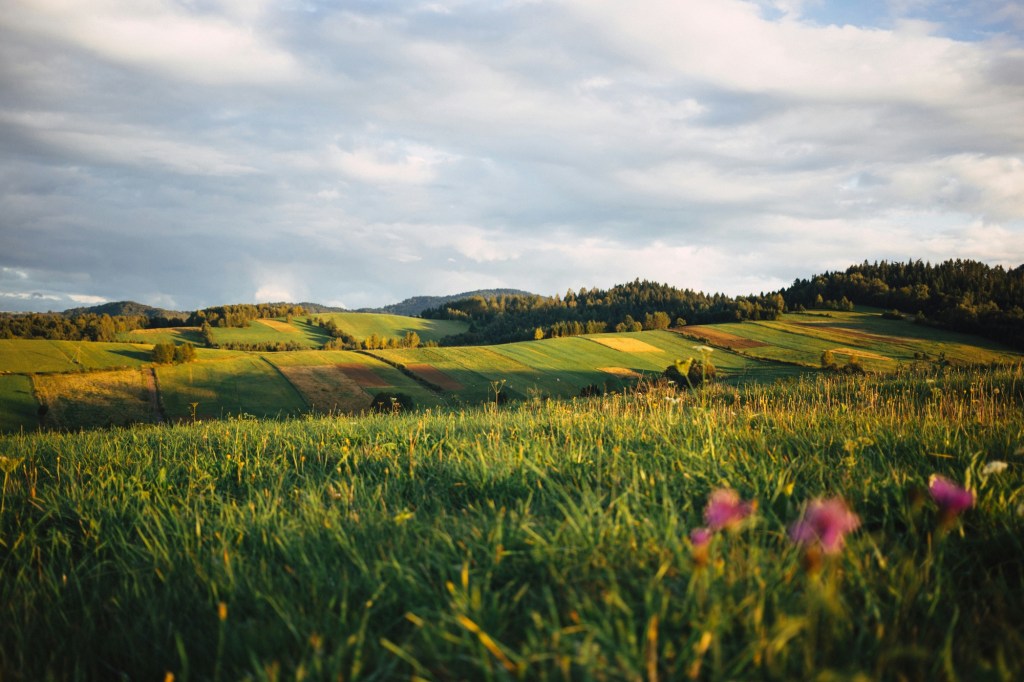
Nestled at the southeastern tip of Poland, bordering Slovakia and Ukraine, the Bieszczady region forms part of the larger Carpathian mountain range. It’s remote—one of the least populated areas in the country—and that’s exactly what makes it so magical.
This isn’t a place you stumble upon by accident. You come here with intention, and in return, the mountains give you a kind of stillness you didn’t know you needed.
The Soul of the Bieszczady: Wild, Free, and Forgotten
There’s a Polish phrase—“rzucić wszystko i wyjechać w Bieszczady”—which translates to “drop everything and go to Bieszczady.” It’s a well-worn fantasy, often said half-jokingly by overworked city dwellers longing for escape.
But the magic of Bieszczady is no joke. This is where people really do disappear for a while—artists, poets, hikers, and free spirits—drawn by the region’s wild beauty and elusive peace.
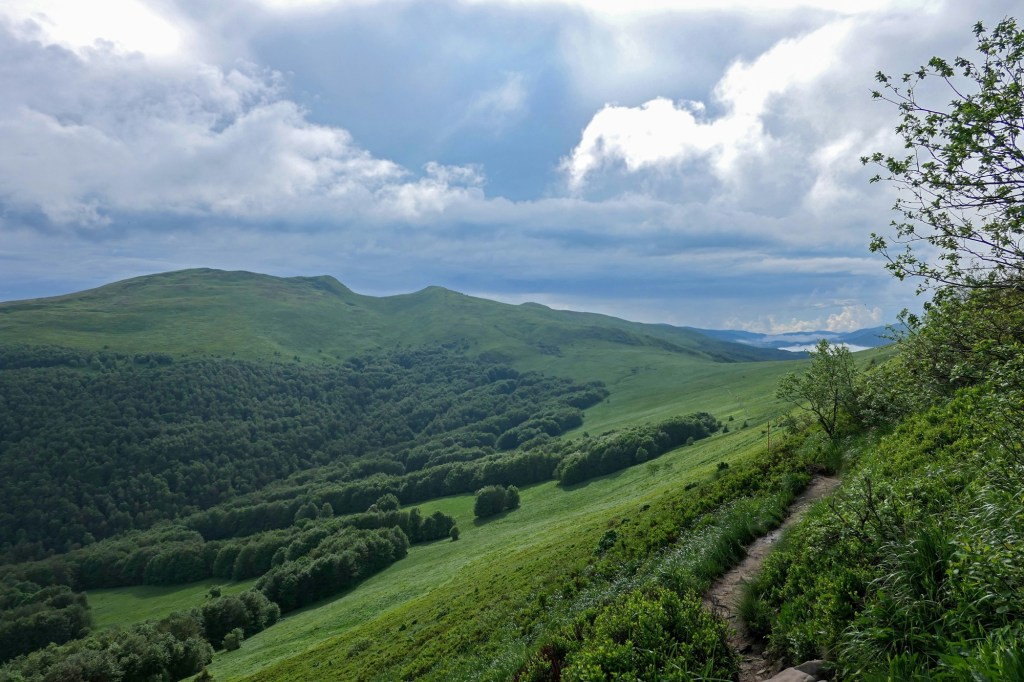
The mountains have a rugged, melancholic charm. Grassy meadows called poloniny roll over the peaks like soft waves. Wooden Orthodox churches sit in lonely clearings, their onion domes glinting through the trees. Herds of wild bison move quietly through the woods. And somewhere in the hills, wolves and lynx still roam, unseen but felt.
1. Hike the Poloniny for Views That Steal Your Breath

The poloniny—high-altitude meadows that stretch over the ridgelines—are the crown jewels of Bieszczady. They’re best explored on foot, and the two most famous trails, Połonina Wetlińska and Połonina Caryńska, offer some of the most cinematic views in Poland.
The trails are not difficult, though they can be steep in places. The reward? A horizon of endless green in summer, and a sea of gold and crimson in autumn. The air is crisp. The silence, nearly complete. Up here, the world feels hushed, sacred, and impossibly wide.
Tip: Start your hike early to catch the sunrise above the mist-filled valleys. It’s like watching the world wake up in slow motion.
2. Tarnica – The Rooftop of the Region
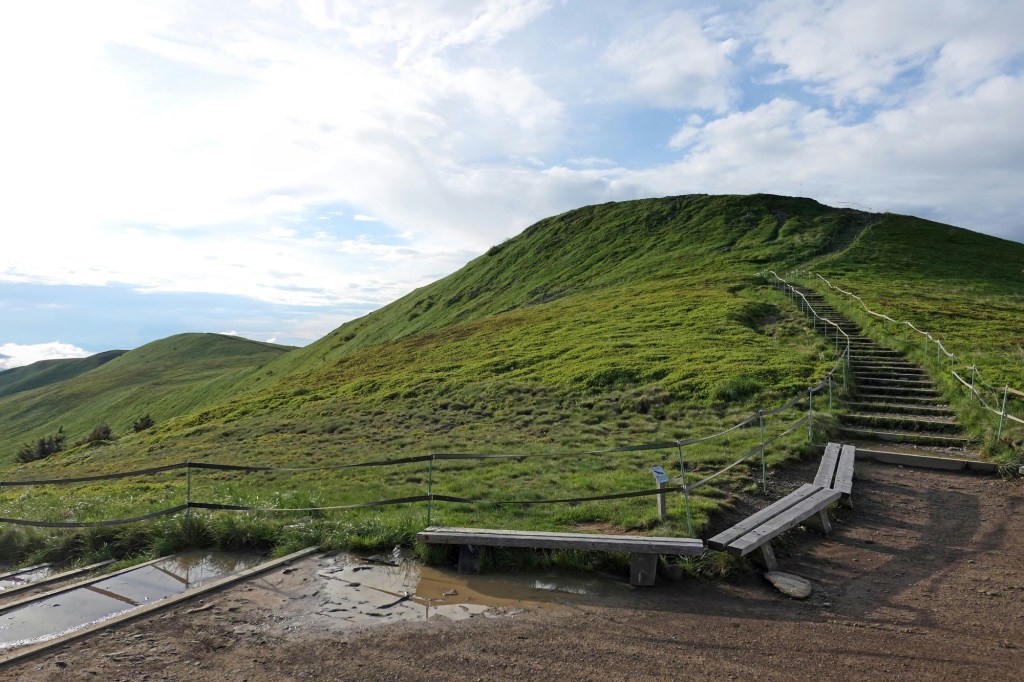
Tarnica is the highest peak in the Polish Bieszczady, rising to 1,346 meters. The trail winds through pine-scented forests before opening up to alpine meadows and eventually, the rocky summit.
At the top stands a simple iron cross and a panoramic view of rolling mountains fading into the misty blue. There’s something deeply humbling about being up there—like standing on the edge of an old-world dream.
3. Wooden Churches Frozen in Time
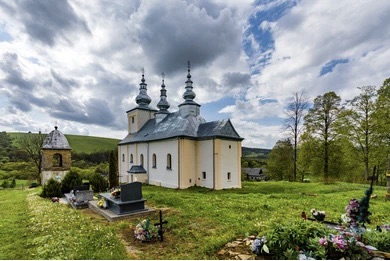
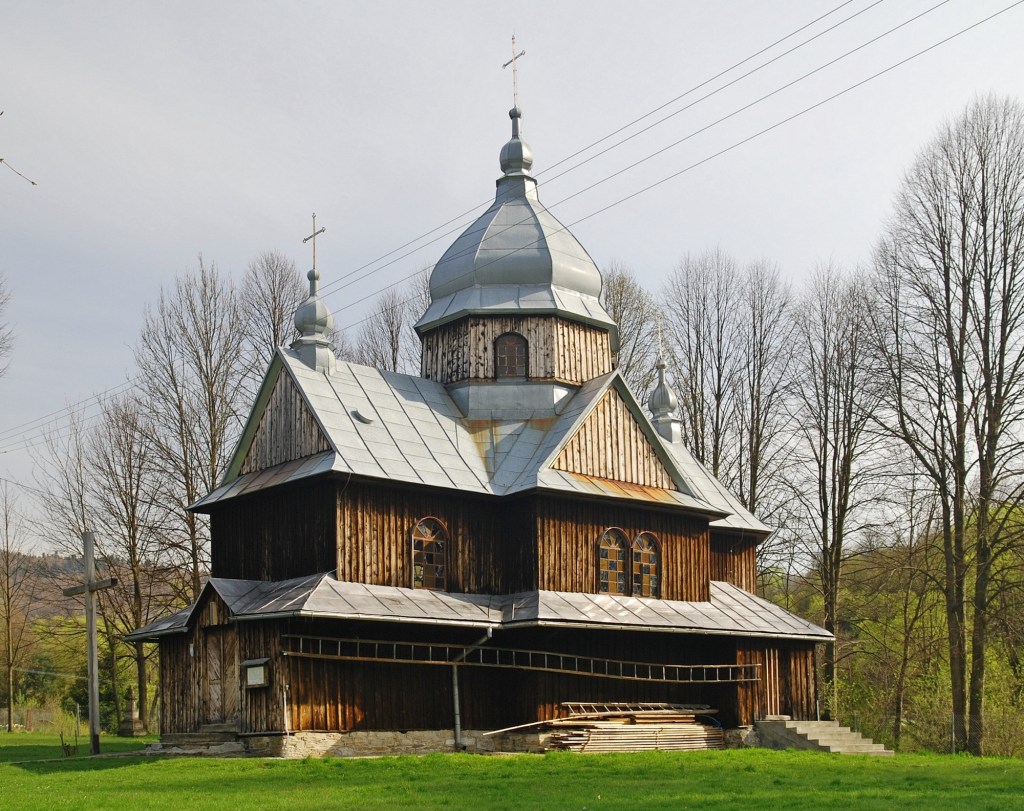
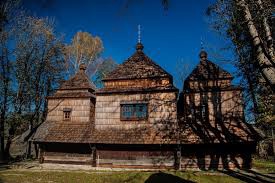
Scattered across the Bieszczady countryside are centuries-old wooden churches—some Orthodox, some Greek Catholic. Their steep shingled roofs and onion-shaped domes look like something out of a folktale.
Many of these churches are now UNESCO-protected, though they still feel beautifully forgotten. Step inside, and you’ll find icons faded with time, quiet altars lit by dusty sunbeams, and a sense of reverence that transcends religion.
Don’t miss:
• The Church in Smolnik – a perfectly preserved Lemko-style church from the 18th century.
• Cerkiew in Chmiel – surrounded by ancient apple trees and silence.
4. Solina Lake – Where the Mountains Meet the Water
After days of forest hikes and mountain air, Solina Lake feels like a reward. This man-made reservoir is the largest in southern Poland and is wrapped in green hills, tiny villages, and forested peninsulas.
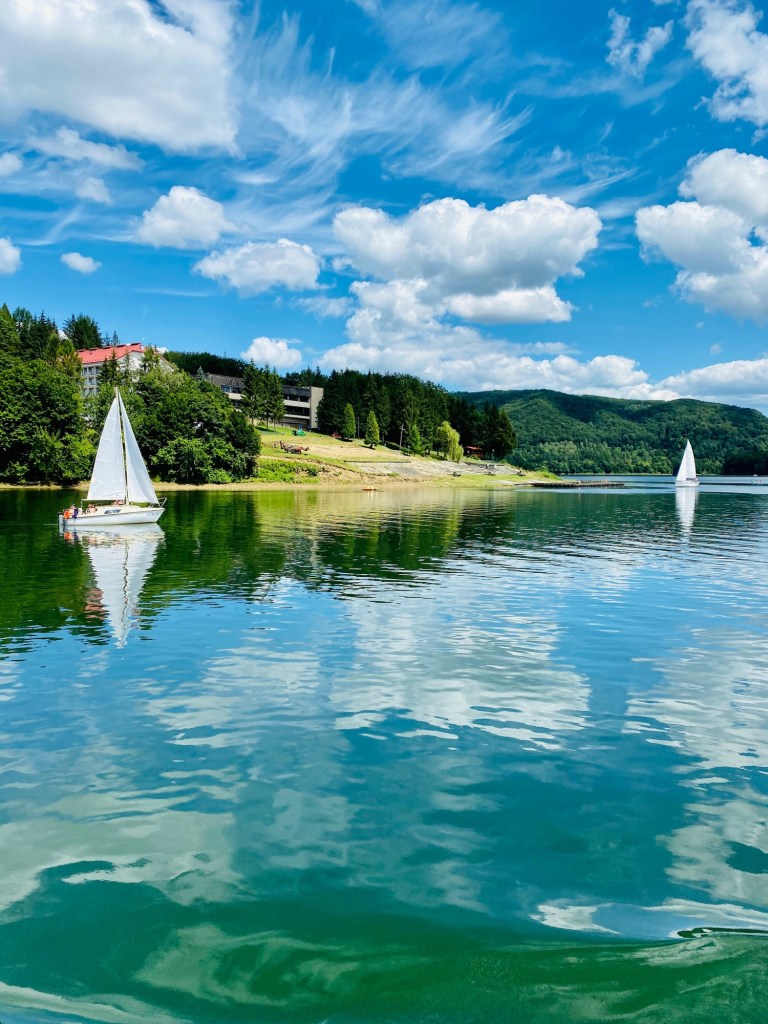
You can rent a kayak, paddle along glassy water, or take a slow cruise on a wooden boat as the sun melts into the lake. There are floating cabins, lakeside cafés, and docks that stretch into the stillness.
But what makes Solina truly special is how quiet it remains, especially in early morning or late evening. The mist often drifts in from the water, softening the edges of the hills and blurring the line between dream and reality.
5. Ride the Bieszczady Forest Railway
A narrow-gauge train chugs through the forest like something out of a children’s book. The Bieszczady Forest Railway (Bieszczadzka Kolejka Leśna) is a vintage locomotive that winds through dense woodland, over creeks, and past mossy rock faces.

The ride isn’t fast, and that’s the point. You sit, you watch, you breathe. Children press their noses to the window. Adults sip coffee from flasks. The train whistles softly as it disappears into the trees.
6. Visit Wetlina and Cisna – Villages with Old Souls
Two of the most charming base villages in the region are Wetlina and Cisna. Here, wooden cottages peek out from behind flowering trees. There are mountain inns with creaky staircases and warm bread. Artists’ workshops dot the roadsides, and little taverns serve up steaming bowls of żurek and mulled wine.
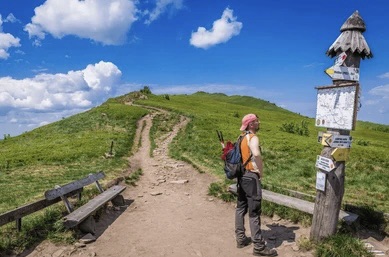
Wetlina is known for its hiking trails and sweeping views. Cisna feels more like a creative retreat—home to potters, painters, and poets who came and never left.
Stay a few nights. Talk to the locals. Walk slowly. That’s the rhythm of life here.
7. Meet the Wildlife (If You’re Lucky)
The Bieszczady Mountains are home to some of Europe’s most elusive wildlife. European bison roam freely in the valleys—majestic and calm. Wolves move through the trees like shadows. Golden eagles soar overhead, scanning the fields below.
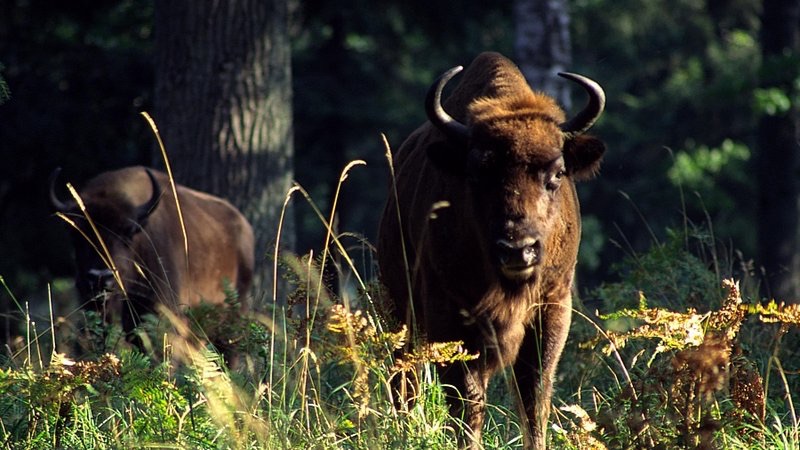
You may not see them, but you’ll feel their presence. It’s a reminder that you’re not just visiting nature—you’re part of it.
If you want a closer look, visit the Bison Show Reserve near Muczne, where a peaceful forest trail leads to an observation area.
8. A Place for the Soul: Spiritual and Artistic Retreats
Over the years, the Bieszczady Mountains have become a quiet refuge for those seeking something deeper—healing, creativity, solitude. Monasteries, yoga retreats, and silent hermitages can be found hidden in the trees.
But even without a formal retreat, just being here feels like a balm. You wake up to birdsong. You spend your days in nature. You remember how to listen.
Many travelers come here alone. They read. They write. They walk. And they leave a little lighter.
When to Visit the Bieszczady Mountains
• Spring brings blooming meadows and gushing rivers.
• Summer is perfect for hiking and kayaking, with long golden evenings.
• Autumn is a firework show of reds and oranges—arguably the most magical time to visit.
• Winter covers the mountains in snow and quiet, ideal for snowshoeing or simply hibernating in a cozy cabin with tea and a book.
How to Get There
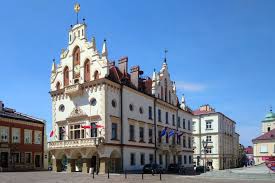
The nearest large city is Rzeszów, which has an airport and train connections. From there, you can rent a car (recommended) and drive 2.5 to 3 hours into the heart of the Bieszczady. Public transport exists but is limited—part of what keeps the region so beautifully unspoiled.
Final Thoughts: Go Before the World Finds Out
There are still places in Europe where you can hear your own thoughts. Places where nature speaks louder than engines. Where the stars are bright, the people are kind, and the silence is a gift.
The Bieszczady Mountains are one of those rare places. Go—not for the Instagram likes or the bucket-list bragging rights—but because they will leave a quiet mark on your heart.
 Bucket List World Travel
Leave a comment