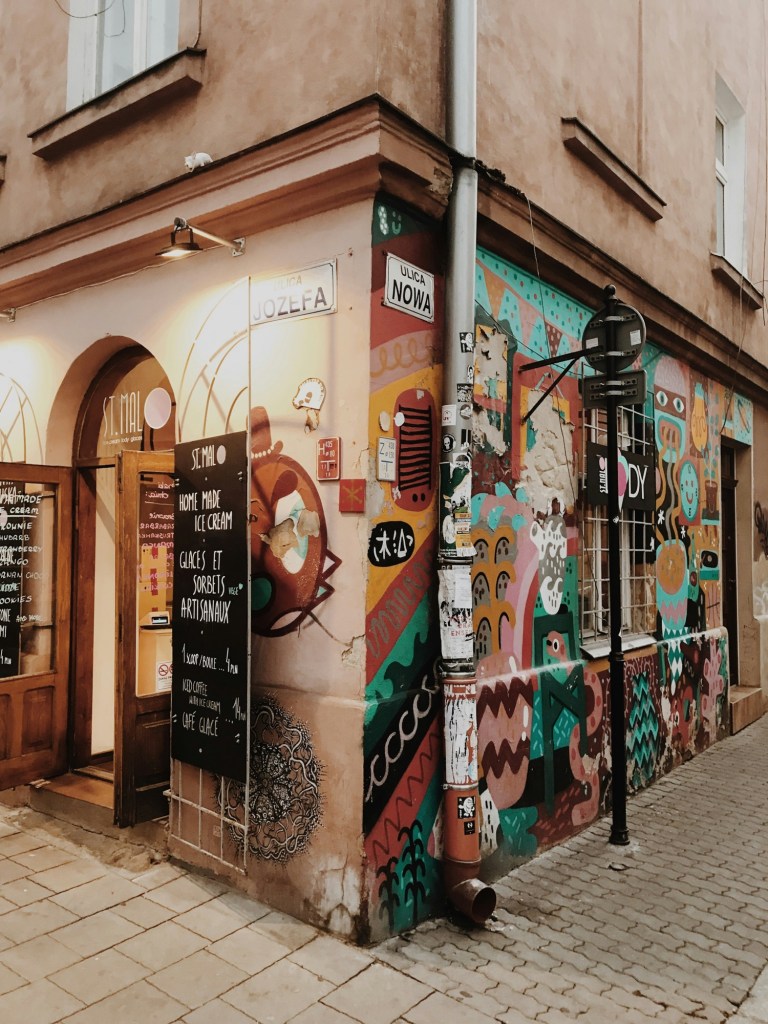
Poland might be known for its charming old towns, hearty food, and dramatic history—but venture beyond the expected, and you’ll find a country full of surprises. From forests of mysteriously twisted trees to underground chapels made entirely of salt, Poland has a quirky, curious side that feels pulled straight from the pages of a fantasy novel—or a traveler’s dream journal.
If you think you know Poland, think again. Here are 11 of the most unusual, weird, and wonderful places to visit in this incredibly underrated country.
1. The Crooked Forest (Krzywy Las) – A Natural Mystery
Tucked away near the village of Nowe Czarnowo in western Poland, the Crooked Forest is one of the most bizarre natural wonders in Europe. Roughly 400 pine trees grow with an almost perfect 90-degree bend at their base before curving back upright.
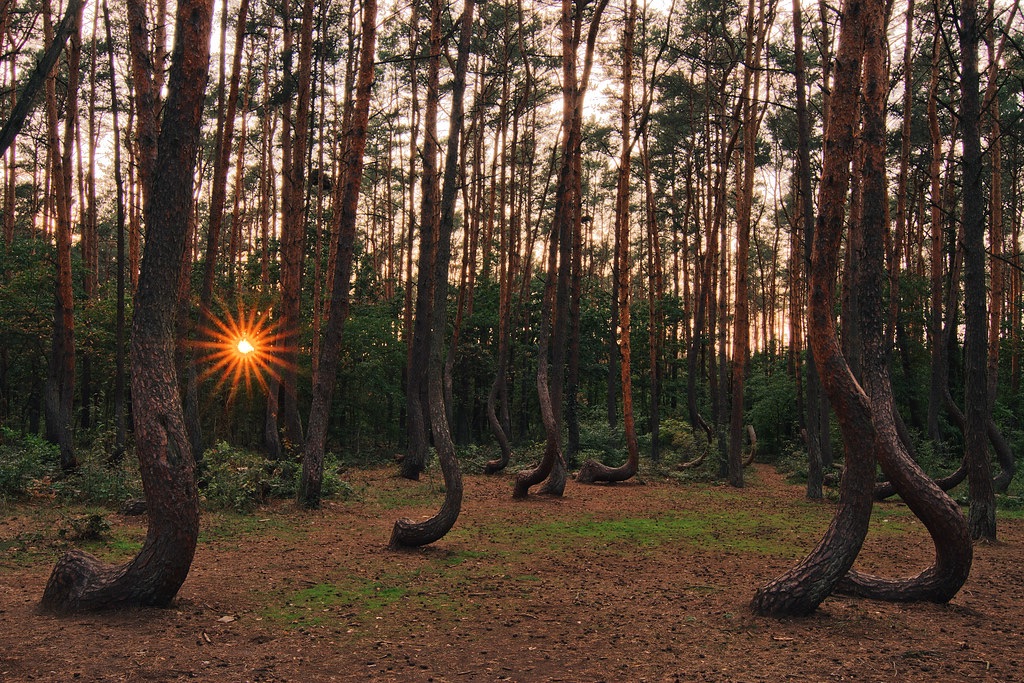
No one truly knows how this forest came to be. Was it human interference? An odd weather phenomenon? A botched forestry experiment from the 1930s? The mystery only adds to the magic.
Best time to visit: Early morning or late afternoon when the low sun casts long shadows across the bent trees—it’s strangely haunting and beautiful.
2. Zalipie – Poland’s Painted Village
At first glance, Zalipie looks like a living fairytale. In this tiny village, nearly every surface is painted with colorful floral designs—walls, fences, doghouses, even barns and beehives. The tradition began over a hundred years ago, and it continues today with yearly competitions and festivals.

Zalipie isn’t touristy or flashy—it’s simple, serene, and stunning. It’s like walking into a cheerful folk-art painting that somehow came to life.
Don’t miss: The House of Felicja Curyłowa, the original artist who helped spark the village’s floral explosion.
3. Łódź’s Street Art Scene – Urban Canvas of Dreams
The industrial city of Łódź may not be on every traveler’s radar—but it absolutely should be for lovers of the unusual. Once known for textile factories and smokestacks, Łódź has reinvented itself as Poland’s street art capital.
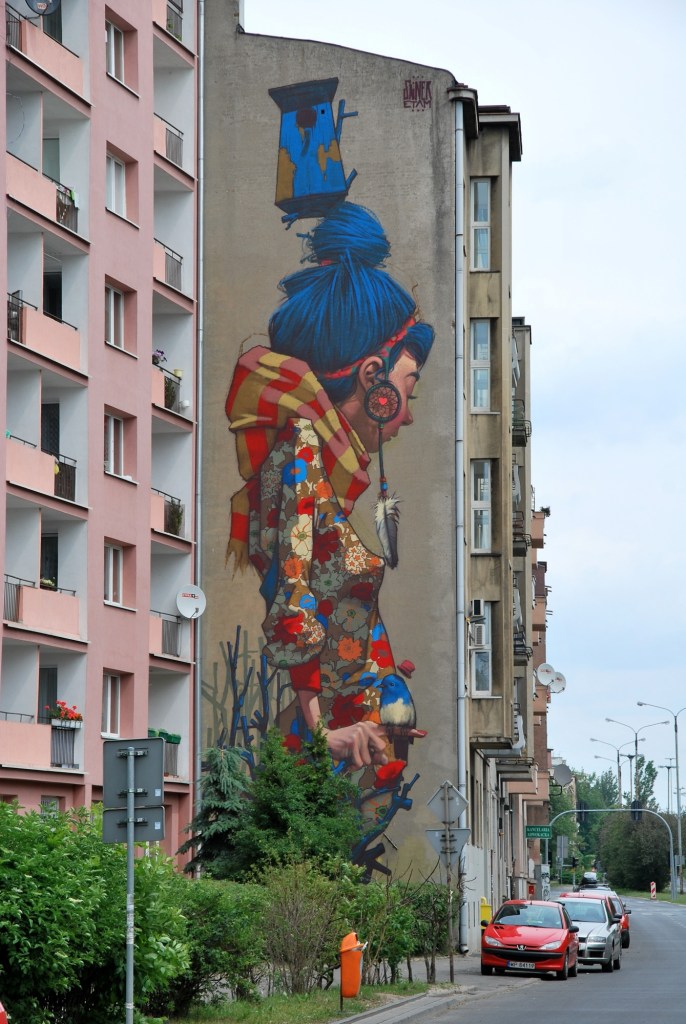
Massive murals—some covering entire buildings—bring color and surrealism to the city’s gritty architecture. You’ll spot optical illusions, 3D illusions, abstract collages, and scenes that blend fantasy with reality.
Start at: ul. Piotrkowska, one of the longest commercial streets in Europe, and work your way into the surrounding neighborhoods for hidden gems.
4. Wieliczka Salt Mine – A Cathedral Below the Earth
Just outside Kraków lies a wonder carved entirely out of salt—chandeliers, chapels, altarpieces, and even a subterranean lake. The Wieliczka Salt Mine, a UNESCO World Heritage Site, stretches for over 300 kilometers underground (though only part is open to visitors).
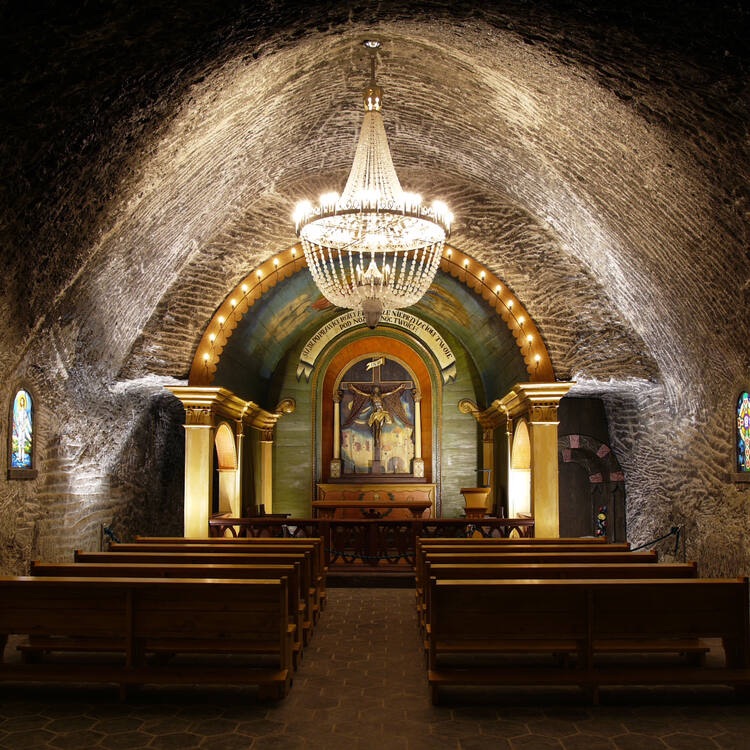
The crown jewel is the Chapel of St. Kinga, an enormous underground cathedral carved from salt by miners with artistic ambition. Everything you see—from the floors to the sculptures to the chandeliers—is made of rock salt.
Pro tip: Book a guided tour to hear legends, history, and marvel at the craftsmanship.
5. The Upside-Down House in Szymbark
Imagine walking into a house where the floor is above your head and the ceiling below your feet. In the tiny village of Szymbark, you can do just that. The Upside-Down House is built completely backward—furniture glued to the ceiling, curtains hanging down from the floor above you.
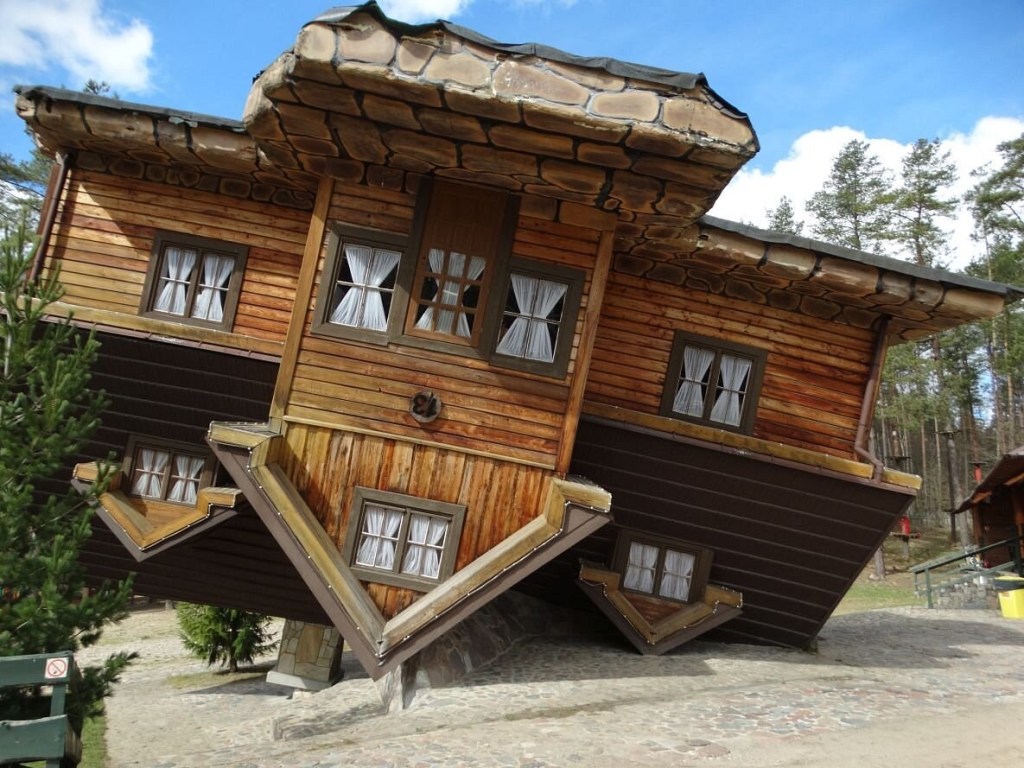
The experience is disorienting in the best way. It’s both fun and metaphorical—a comment on the topsy-turvy nature of the world during communist times in Poland.
Fun fact: You walk through it at an angle, adding to the dizzying sensation.
6. Skansen in Sanok – Poland’s Forgotten Wooden World
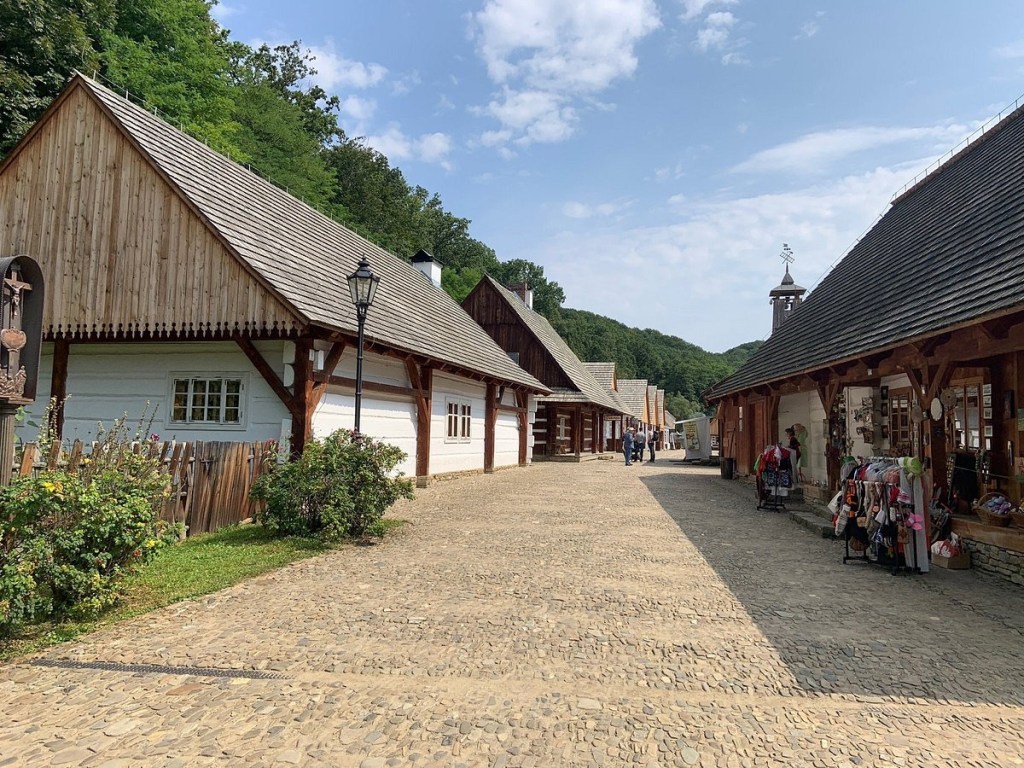
Step back in time at the Museum of Folk Architecture in Sanok, also known as Skansen. It’s the largest open-air museum in Poland, featuring a sprawling collection of historic wooden homes, churches, and windmills relocated from across southeastern Poland.
What makes it so unusual is its eerie quietness and the feeling of wandering through an abandoned village stuck in time. Thatched roofs, creaky floors, smokehouses, and even a recreated market square paint a vivid picture of long-lost village life.
Extra charm: The museum sits on a hillside with views over the San River and Carpathian foothills.
7. Keret House in Warsaw – The World’s Narrowest House
Squeezed between two buildings in Warsaw is a house so thin, it looks like a joke. But the Keret House is real—and officially the narrowest home in the world, measuring just 92 centimeters (36 inches) at its slimmest point.
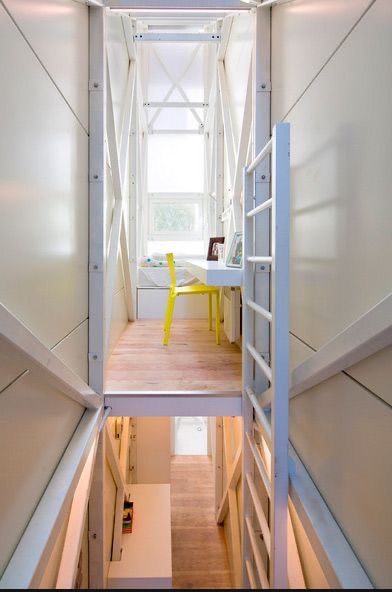
Designed as an art installation by architect Jakub Szczęsny, it’s fully functional: there’s a bed, a desk, and even a bathroom. It was created for Israeli writer Etgar Keret, whose parents survived the Holocaust in Warsaw.
You can’t sleep in it, but you can visit and marvel at this modern-day architectural oddity.
8. Ruchome Wydmy (Moving Dunes) – Poland’s Coastal Desert
Did you know Poland has sand dunes that shift with the wind? The Ruchome Wydmy, or “moving dunes,” are located in Słowiński National Park on the Baltic coast and move up to 10 meters each year.
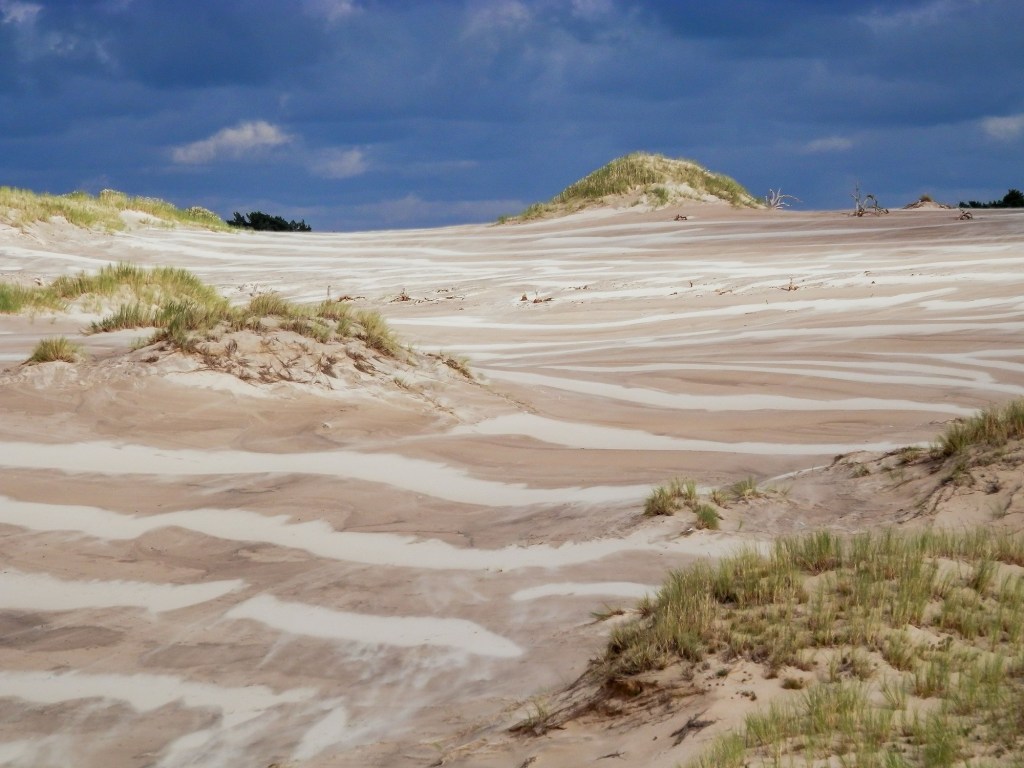
They look like a Saharan mirage, rising in soft white curves against the backdrop of blue skies and forest edges. Climbing them feels surreal—like being in two places at once: the beach and the desert.
Don’t miss: The view from the top of a dune at sunset is pure magic.
9. Czocha Castle – Secrets, Tunnels, and a Hogwarts Vibe
Perched on a lake in Lower Silesia, Czocha Castle looks like it was pulled straight from a Harry Potter film. But this castle is more than just looks—it’s full of legends, hidden rooms, and secret passages.
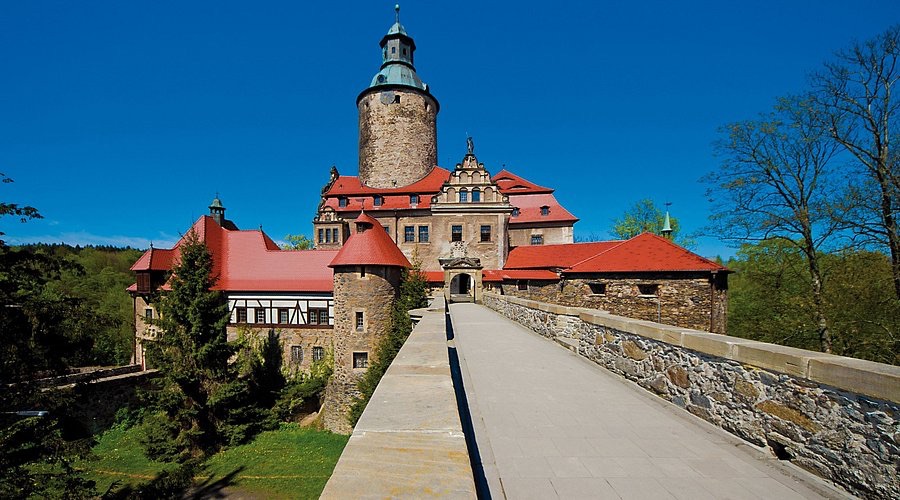
Over the centuries, it’s served as a fortress, noble home, Nazi outpost, and military communications center. Today, it’s a hotel and film location, with guided tours that lead you through trap doors, rotating bookcases, and underground tunnels.
Bonus: You can spend the night and live out your own wizarding fantasy.
10. The Skull Chapel (Kaplica Czaszek) in Czermna
If you’re into the gothic and the macabre, this one’s for you. In the small village of Czermna, a modest-looking chapel hides one of the most haunting interiors in Europe.
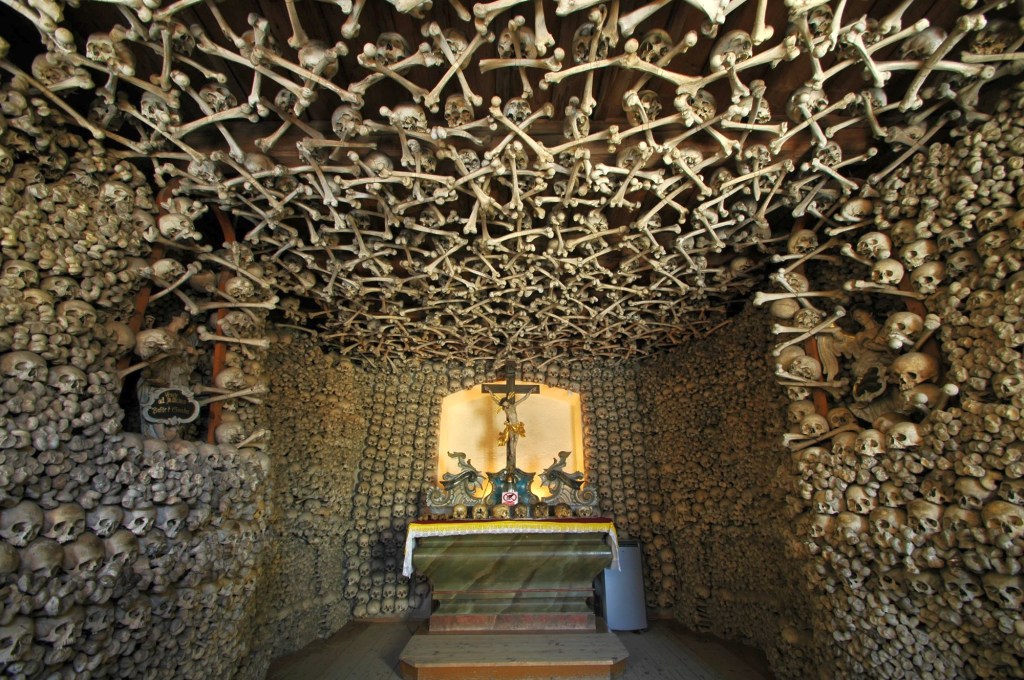
The walls of the Skull Chapel are lined with over 3,000 human skulls and bones—collected by a local priest in the 18th century from war and plague victims. The remains of another 20,000 lie beneath the floor.
It’s not gruesome—it’s strangely moving. A quiet, somber reminder of life’s fragility and the power of remembrance.
11. Toruń’s Gingerbread Museum – Sweet, Spicy, and Interactive
Toruń is famous for two things: being the birthplace of Copernicus, and making the best gingerbread in Poland. At the Museum of Gingerbread, you’re not just a visitor—you’re part of the show.
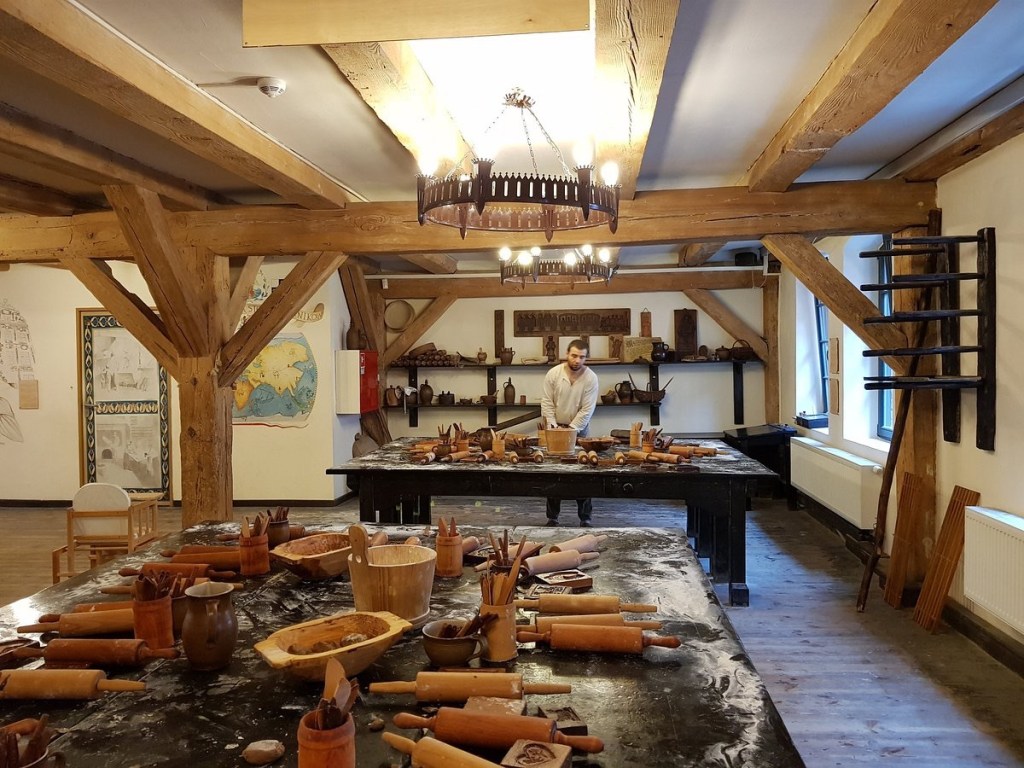
Costumed guides walk you through medieval baking rituals, and you even get to make your own spiced creation using traditional molds and recipes. The museum is quirky, joyful, and utterly charming.
Great for families, couples, and foodies alike.
Final Thoughts: Weird and Wonderful Poland Awaits
Poland is full of surprises. Beyond the postcard-perfect cities and historic landmarks lies a world of wonder—a place where forests bend without explanation, castles whisper secrets, and houses hang upside-down.
These 11 unusual places prove that travel isn’t just about seeing the big sights—it’s about chasing curiosity, collecting stories, and finding the unexpected in the everyday.
So next time you plan a trip to Poland, go a little off-script. Wander into the weird. Embrace the wonderful. That’s where the real magic hides.
 Bucket List World Travel
Leave a comment