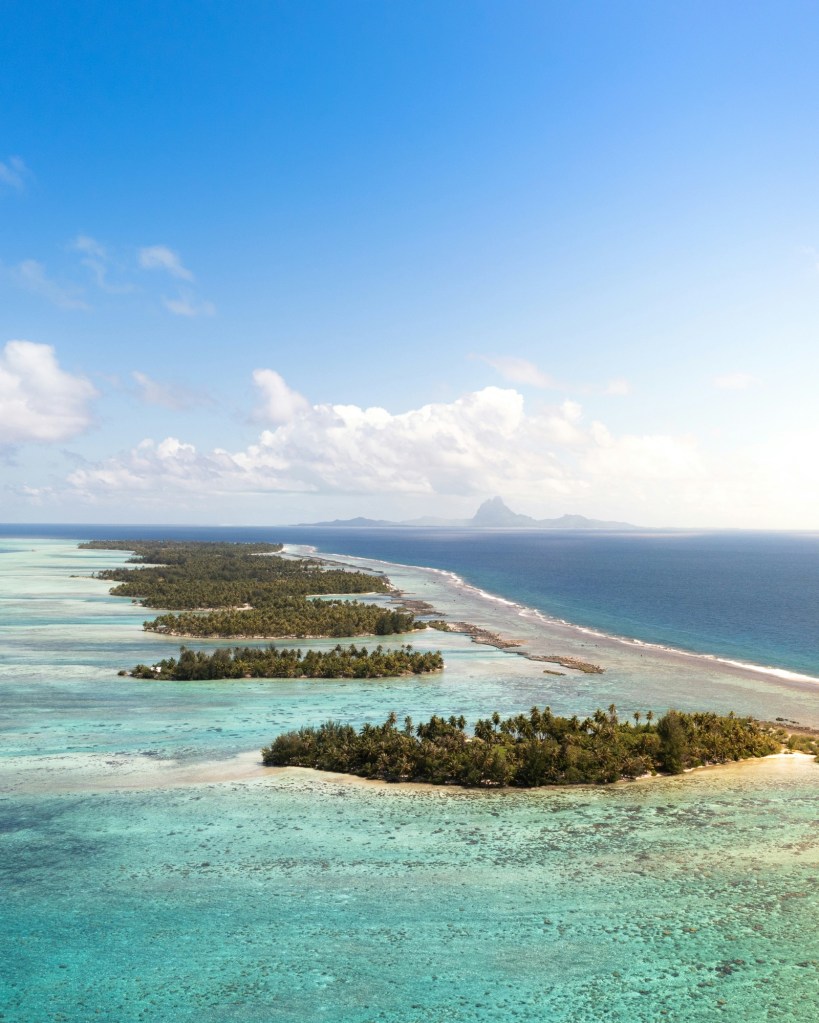
In the shimmering turquoise heart of French Polynesia, most travelers are drawn to what’s easy to see—the lagoons, the coral gardens, the overwater bungalows perched above postcard-perfect water. But if you peel back the layers, past the resorts and the cruise itineraries, you’ll find something more soulful, more surprising.
It smells like wildflowers and spice.
It grows in the shadows of trees on a small, fragrant island called Taha’a.
Welcome to the Vanilla Valley—a lush, living experience that most visitors to Tahiti completely miss.
A Slow Adventure Through Taha’a
Getting to Taha’a is half the magic. You’ll board a boat from neighboring Raiatea, gliding across glassy lagoon waters as jagged green peaks and motus drift past like mirages. The island itself doesn’t scream for attention. It hums. Quietly. Like the perfume of something sweet you can’t quite place.

There are no large cities here, no traffic lights or high-rise hotels. Just winding roads, tiny villages, and jungle-covered hills where the most luxurious scent on Earth is born.
Taha’a produces more than 80% of French Polynesia’s vanilla, and it does so not with factories, but with hands. On this island, vanilla is still cultivated the traditional way—on family-run farms where each flower is pollinated by hand, and each bean is cured under the Pacific sun.
The Story Behind Tahitian Vanilla
Vanilla isn’t native to Tahiti, but over generations, it’s become part of the island’s identity. The variety grown here—Vanilla tahitensis—is different from the Bourbon vanilla found in places like Madagascar. It’s floral, fruity, and more aromatic, with notes of cherry, licorice, and spice. Chefs and perfumers all over the world call it the finest vanilla on Earth.
But what makes it truly remarkable isn’t just the flavor—it’s the process.
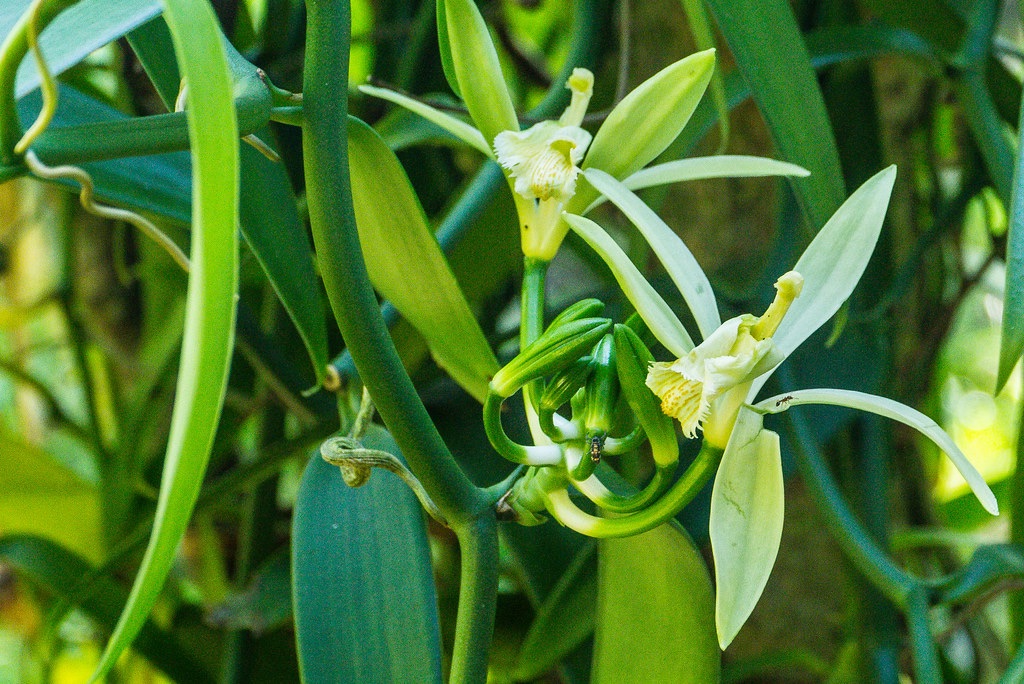
Each orchid blooms for one day only. If it’s not pollinated within that window, it won’t produce a bean. And since there are no natural pollinators in Tahiti, every single flower must be hand-pollinated. Farmers do this using a sliver of wood or a toothpick, delicately folding the flower’s reproductive parts together—a process so detailed and time-sensitive that it’s often called “marrying the flower.”
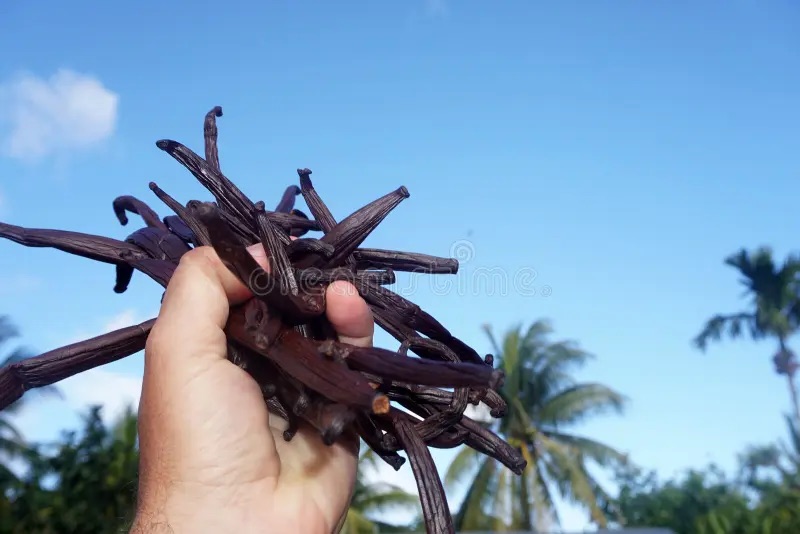
From pollination to harvest takes about nine months, and then another few months to cure and dry the beans. The result is a fragrant, oily pod full of seeds—the kind that transforms desserts, perfumes, and even cocktails.
Walking the Vanilla Trails
Most visitors to Taha’a start their journey at a small plantation, like La Vallée de la Vanille or Maison de la Vanille. These aren’t Disney-fied versions of farms; they’re real, working plantations, often family-owned for generations.

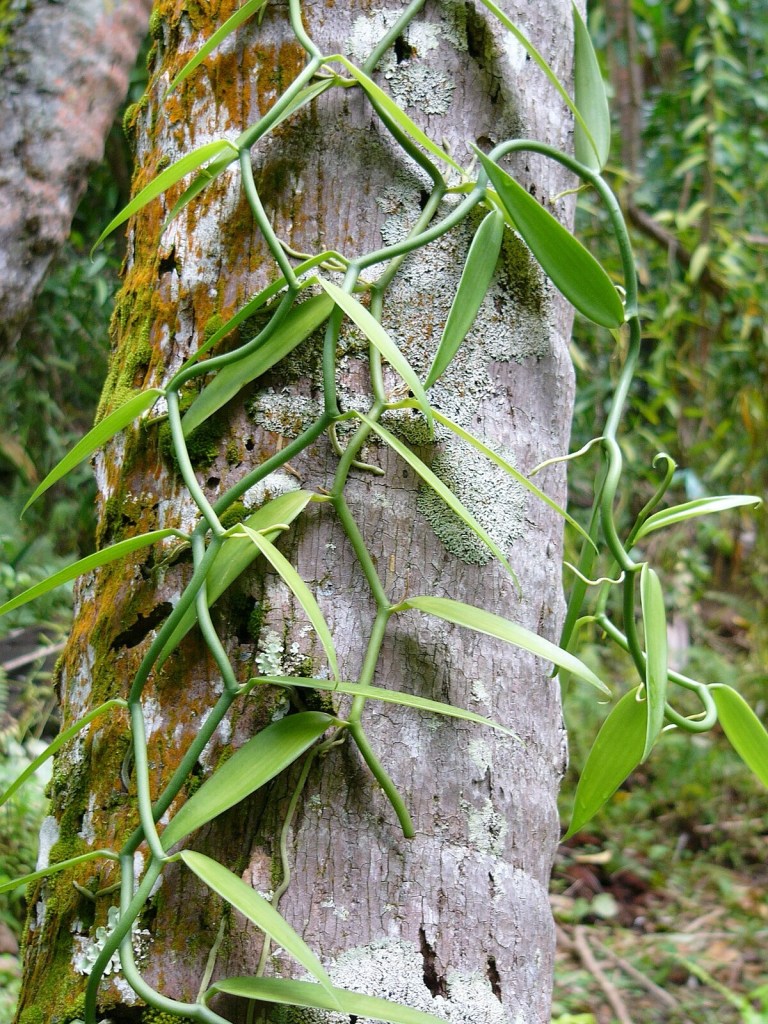
You’ll follow a winding path through tall grasses and shaded groves, passing rows of wooden posts wrapped in spiraling vanilla vines. Overhead, the trees filter sunlight into gold. You’ll spot butterflies, banana trees, and chickens pecking through the underbrush.
The farmer—likely barefoot, sun-kissed, and full of stories—guides you through the vanilla lifecycle. You’ll see where they hand-pollinate the blooms, where the beans are bundled for curing, and where they’re laid out on wooden racks to dry in the sunlight. The scent is subtle at first—green, earthy—but intensifies as you reach the curing area. It’s like walking through a cloud of warm pastry.
Some tours end in a shaded grove where you’ll sample homemade vanilla rum, taste poached fruit soaked in fresh syrup, or dip a spoon into creamy vanilla jam. These aren’t store-bought flavors. They’re bold, fresh, and incredibly local—you’re tasting vanilla grown within arm’s reach.
This valley touches all your senses
What makes visiting the Vanilla Valley so unforgettable isn’t just the product—it’s the rhythm of the place. Time slows. Your senses awaken. And you start to feel a connection to the land that goes far beyond sightseeing.
Travelers often describe their time on Taha’a as the most peaceful part of their trip. The island isn’t flashy. You will remember how it smells, how the air feels on your skin, how the farmer’s hands moved as he pollinated a bloom.
How to Get There
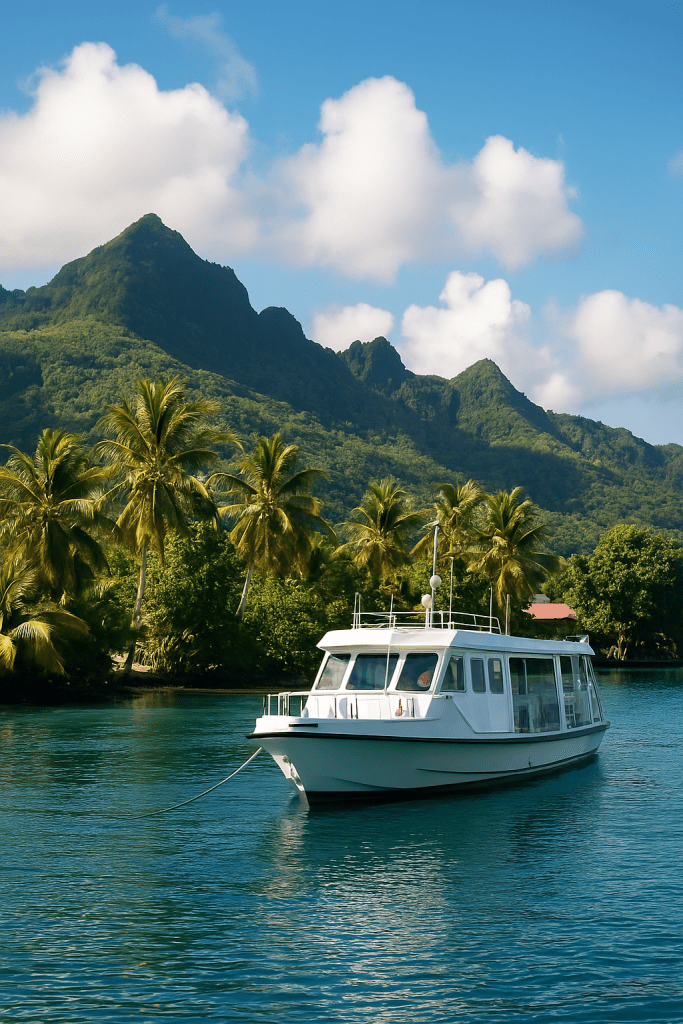
Fly to Raiatea: From Tahiti, hop a short domestic flight to Raiatea (about 45 minutes). Take a boat to Taha’a: Ferries and water taxis make the quick crossing in about 15–30 minutes, depending on your final stop. Some pensions include transfers. Stay on Taha’a: Guesthouses, boutique bungalows, and even luxury hideaways like Le Taha’a by Pearl Resorts offer stays on the island.
Best Time to Visit
Flowering season: July to October is the best time to see hand-pollination in action. Harvest & drying season: November to March is great for seeing the beans being cured and processed.
Tours are available year-round, and the island’s weather is warm and tropical in every season.
Tips for Travelers
Bring cash: Many small farms and roadside stands sell their own vanilla beans, oils, or infused rum—and they don’t accept cards. Buy direct: Beans purchased straight from farms are fresher, more fragrant, and often cheaper than those sold at resorts or in airports. Support local: Your visit helps support family businesses and preserve traditional cultivation methods. Stay overnight: Most people visit Taha’a as a day trip from Bora Bora—but staying overnight means you get the sunset, the stillness, and the sounds of the jungle after dark.
Beyond Vanilla
If you’ve made the journey to Taha’a, don’t stop at vanilla. The island is also home to:
Coral gardens perfect for snorkeling Pearl farms, where you can see how black pearls are cultivated Remote motus, where you can picnic on sandbars and swim with rays Hiking trails that take you deep into forested valleys with panoramic views of neighboring islands
It’s an island made for curious, thoughtful travelers—those who want to go a little deeper, stay a little longer, and find something the guidebooks forgot to mention.
Final Thought: Why This Experience Stays With You
Travelers often say that the Vanilla Valley wasn’t something they had planned. It was a quiet add-on. A rainy day idea. A last-minute detour.
But it’s the part they remember the most.
Because while everyone can show you a photo of Bora Bora’s lagoon, few can tell you what a vanilla orchid looks like up close, or describe the scent of a drying barn filled with sun-cured pods, or explain how a single flower bloom—open for just a few hours—can flavor an entire dish.
That’s the kind of experience that lingers.
 Bucket List World Travel
Leave a comment