Far from the crowds and cookie-cutter resorts of the South Pacific lies a destination that few travelers reach—but none forget. The Solomon Islands remain one of the last true wilderness frontiers, a scattered archipelago where time moves slowly, traditions still thrive, and raw beauty reigns.
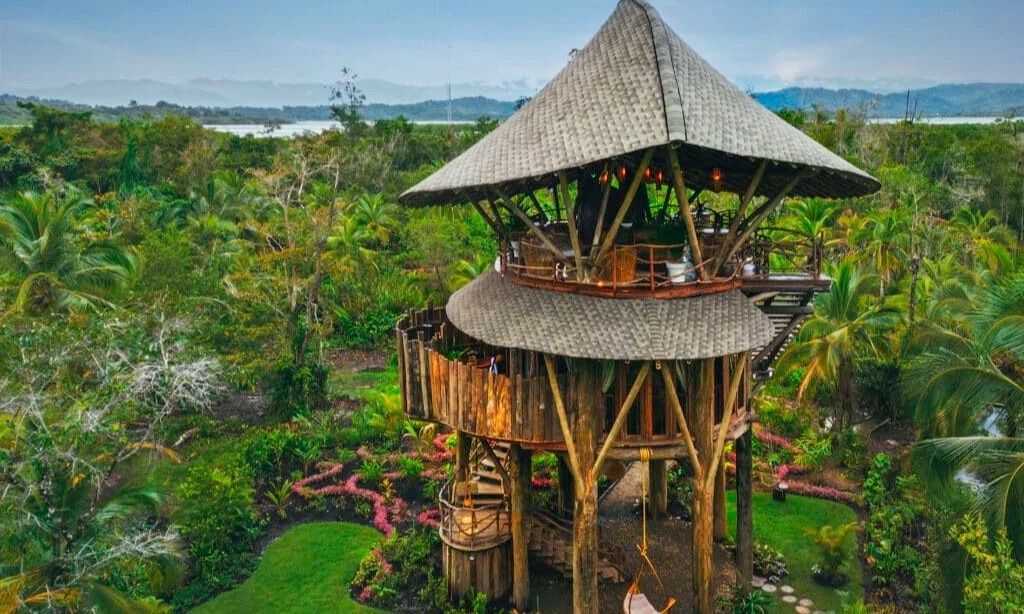
Tucked into the lush folds of Santa Isabel province, on a private islet surrounded by reef and rainforest, is Papatura Island Retreat—a rustic, hand-built lodge where you can literally sleep in a treehouse over the sea.
There’s no Wi-Fi. No TVs. No infinity pools. Just you, the wind, the waves, and a connection to place that feels sacred. This is barefoot luxury of the most unforgettable kind.
The Treehouse Stay: Rustic, Real, and Remarkable

The treehouse bungalows at Papatura are more than a place to sleep—they’re a state of mind. Built with hand-hewn timber, woven palm thatch, and open-air layouts, they blur the line between inside and out. At high tide, you’ll feel like you’re floating above the reef. At night, the moon casts shadows through the slatted shutters as geckos chirp and coconut palms sway.
There are no locks on the doors—because there’s no need. There’s no air-conditioning—because you don’t need it. The sea breeze and ceiling fans keep things cool, and the lull of waves lapping the shore might just give you the best sleep of your life.
Why Go: You’ll fall asleep to the sound of the sea and wake to sunrise over untouched reef—no screens, no schedules, just pure presence.
Local Tip: Pack a headlamp for navigating after dark, and bring a journal—you’ll want to remember how this place made you feel.
Reef Walks and Dugout Canoes: Nature in Its Purest Form
At low tide, the reef outside your treehouse becomes a living garden. Sea cucumbers, starfish, and giant clams emerge in the shallows. Coral heads glow in muted blues and greens. Local guides will take you barefoot along the reef edge, pointing out hidden wonders that most visitors never notice.
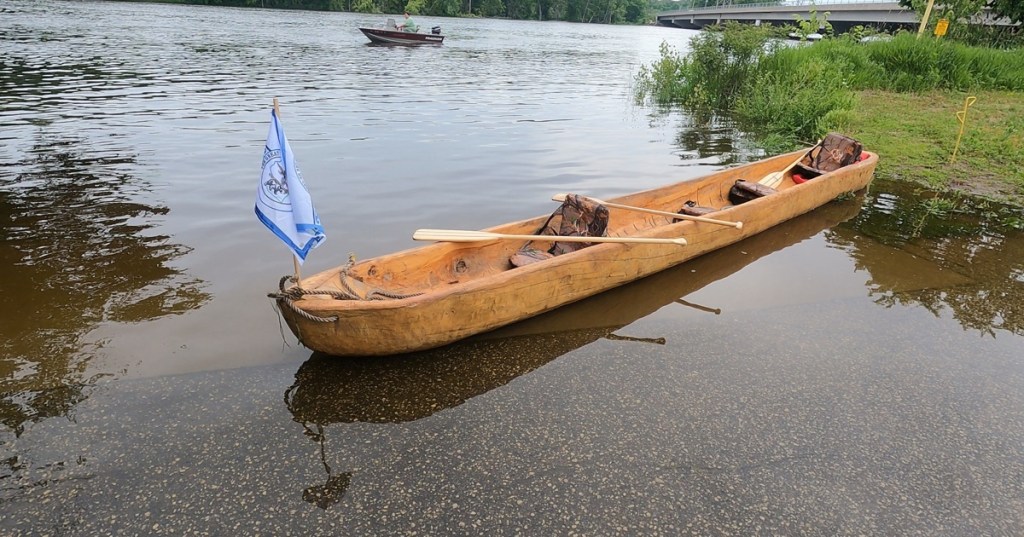
For deeper exploration, you can hop into a dugout canoe—hand-carved by local villagers—and paddle quietly through mangrove channels or around nearby islets. It’s the kind of serene experience you’ll remember long after your tan fades.
Why Go: No crowds, no tour groups—just one-on-one exploration of pristine ecosystems led by people who’ve lived here for generations.
Local Tip: Ask about a night paddle if the tide is right. When the water glows with bioluminescence, it’s like stardust follows your every stroke.
Island Feasts and Traditional Fishing: Food That Tells a Story

Here, your meals don’t come from a kitchen—they come from the sea. Guests are often invited to help fish the traditional way: using hand lines, bamboo nets, and reef traps. Whatever you catch might end up on your plate that night, alongside freshly grated coconut, wood-fired taro, and ripe papaya.
Dinner is served communally, often by lantern light, with long conversations, island stories, and occasional drumming or song. There’s no menu—just whatever the island gives that day, prepared with love and laughter.
Why Go: It’s more than a meal. It’s a connection to local tradition with every bite.
Local Tip: Say yes to trying everything, especially motu (a rich coconut cream dish) and nali nuts if they’re in season.
The Island With No Roads: A Village Way of Life
The entire islet is roadless—just footpaths worn into the earth, sandy trails shaded by jungle, and the occasional hand-painted wooden sign. You’ll pass children playing in the shallows, women weaving mats beneath trees, and fishermen repairing nets in the afternoon sun. Everyone smiles. Everyone waves.
Unlike tourist hotspots where locals stay behind the scenes, here they’re at the heart of the experience. Most of the lodge’s staff are also community members from nearby villages like Fera and Buala, and many guests are invited to join a church service, dance, or storytelling circle.
Why Go: It’s travel with purpose—every dollar you spend supports the local community and protects the island’s natural beauty.
Local Tip: Bring small gifts like notebooks, eco-toiletries, or children’s books to leave behind in the village.
A Quick Guide to Getting There (Because Yes, It’s Worth It)
Getting to Papatura is an adventure in itself—but one that filters out the casual tourist and rewards the intentional traveler.
Step 1: Fly to Honiara (HIR), the capital of the Solomon Islands, from Brisbane or Port Moresby. Step 2: Take a domestic flight to Fera Airstrip, followed by a 15-minute boat ride to Papatura Island. Step 3: Breathe deep. You’ve arrived.
Local Tip: Flights may be delayed or rescheduled—flexibility is part of the charm. Treat it as part of the experience, not an obstacle.
Nearby Magic: Where Else to Wander
If you’re already in Santa Isabel, you might consider extending your stay with a few other hyper-local adventures:
Kia Island: A speck of land with traditional villages, blue holes, and an untouched reef system ideal for freediving.
Buala: The island’s main town, where you can visit open-air markets, buy handmade baskets, and meet the chief.

Aravon Islands: A turtle conservation zone where you can camp and witness hatchlings emerge under the stars.
Sustainability That Feels Personal
Papatura Island Retreat runs on solar power, rainwater, and community. There are no single-use plastics. Food is locally grown or fished. The retreat is owned and operated with full support of surrounding villages, who are deeply involved in every aspect—from guiding to building to cultural exchange.
Why Go: It’s not just eco-conscious—it’s soul-conscious. You’ll leave lighter, slower, and more grounded.
Local Tip: Bring home only stories and photos. Leave behind nothing but gratitude.
Final Thoughts: A Place That Changes You
Sleeping in a treehouse over the Coral Sea is a memory that lingers like salt on sun-warmed skin.
This is travel for the curious. For the quiet-seekers. For those who want to remember what the world felt like before it was filtered and developed.
Here, the stars still shine without competition. The water still holds secrets. And if you let it, the island will hold a little piece of your heart—long after you’ve gone.
 Bucket List World Travel
Leave a comment