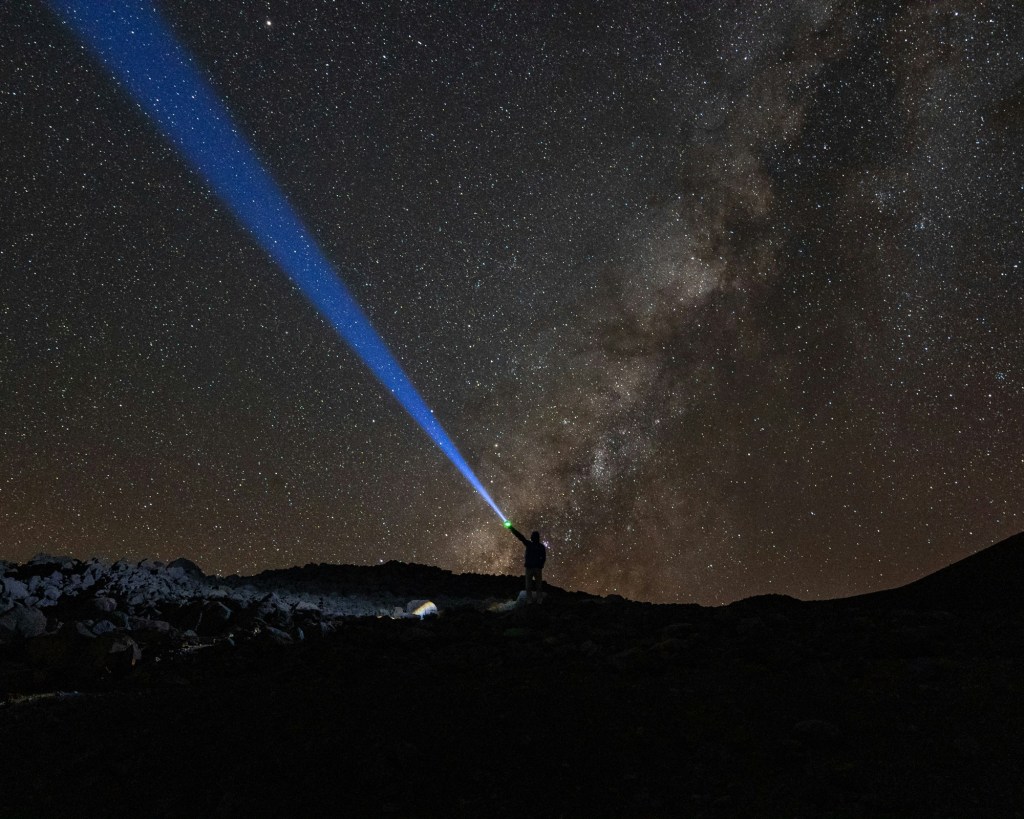
There’s a place on Earth where the stars don’t twinkle—they blaze. A place so high, so silent, so far above the clouds, it feels like another realm entirely. Welcome to Mauna Kea, Hawai‘i’s otherworldly giant, where astronomy, ancient legend, and untouched nature collide in one of the most surreal experiences a traveler can have.
Whether you’re chasing the Milky Way or dreaming of walking above the clouds, a journey to the summit of Mauna Kea is a brush with the divine—both cosmic and cultural.
Where Earth Ends and the Universe Begins
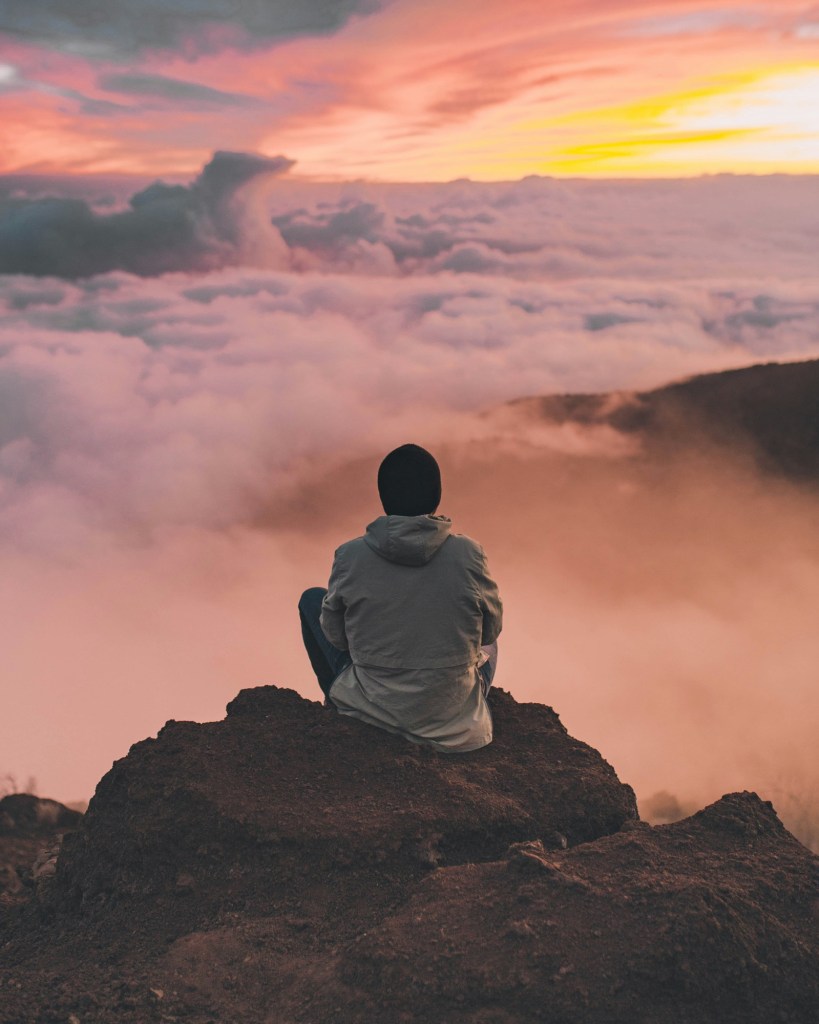
Mauna Kea isn’t just tall—it’s the tallest mountain on Earth when measured from base to summit, rising over 33,000 feet from the ocean floor. Standing at its peak, you’re higher than 40% of the Earth’s atmosphere, above 90% of all the water vapor, and quite literally closer to the stars.
And it shows.
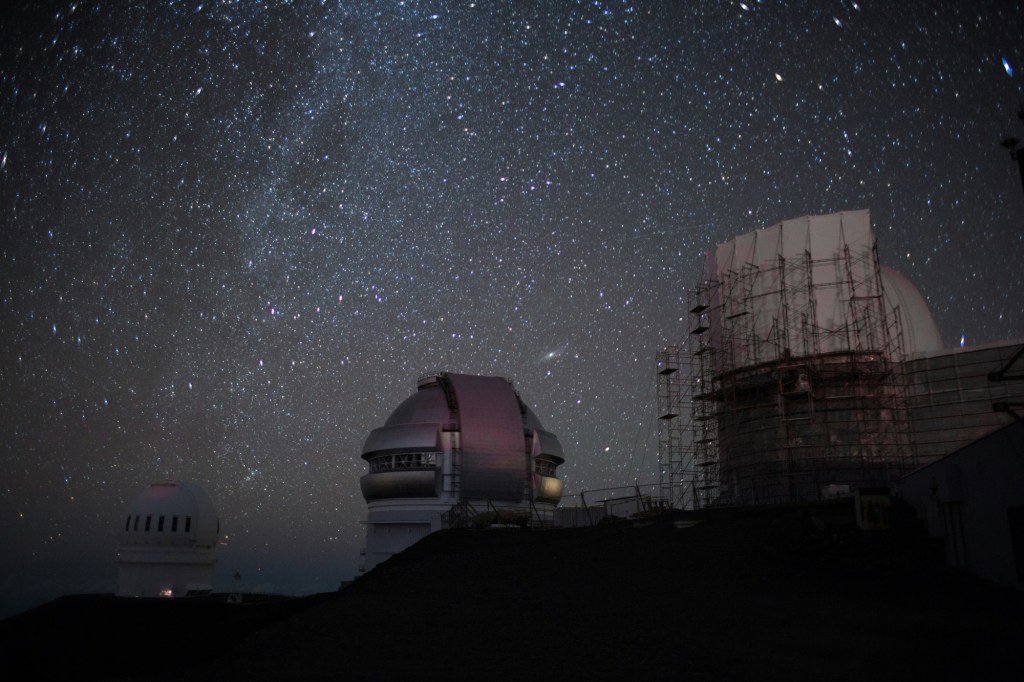
On a clear night, the sky bursts open with galaxies. The Milky Way swirls overhead like a living canvas. Shooting stars slice through the silence. Even the planets burn more brightly here, floating just above a sea of clouds that glows soft orange with the fading sun.
A Sacred Place Between Worlds

But Mauna Kea is not just a mountain—it’s a sacred being, revered in Hawaiian culture as the piko (navel) of the world. It’s a place where the gods reside, where ancestors whisper on the winds, and where humans walk gently.
That weight of reverence is palpable. Every step you take—whether under a blanket of stars or a veil of snow—feels profound, like you’ve been allowed somewhere you were never meant to find on your own.
It’s not just the height. It’s the feeling that the universe is listening.
The Ascent: Climbing Through the Clouds
Your journey begins far below the summit, winding your way up a road that climbs past lava flows, desolate moonscapes, and eventually, clouds that cling to the slopes like misty guardians.
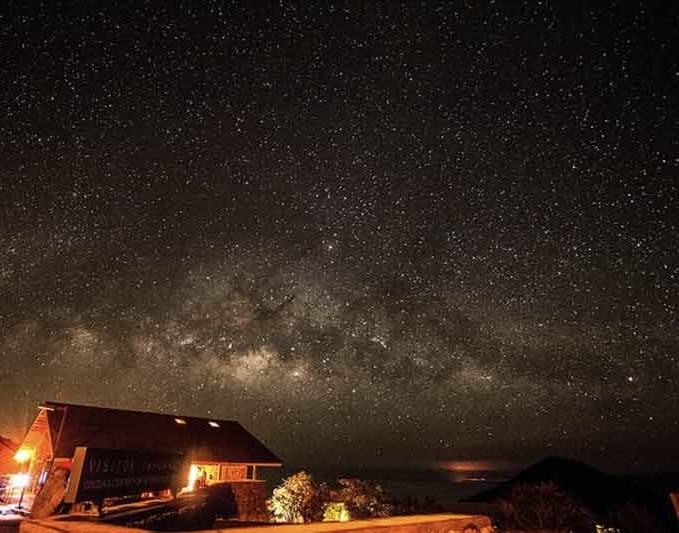
About halfway up, at 9,200 feet, is the Onizuka Visitor Center, where visitors acclimate to the thin air. It’s more than a pit stop—it’s a front-row seat to the stars if you choose to stay here. Telescopes are set up nightly, and enthusiastic guides point out constellations you didn’t even know existed.
But for those who go further—to the very top—the real magic awaits.
Sunset at the Summit: A Portal to the Stars
Few experiences on this planet match sunset from Mauna Kea’s summit. The sun doesn’t just set—it melts into an ocean of clouds, painting the world in a surreal spectrum of orange, violet, and gold. The surrounding volcanic peaks resemble alien planets, their shadows stretching across the heavens.
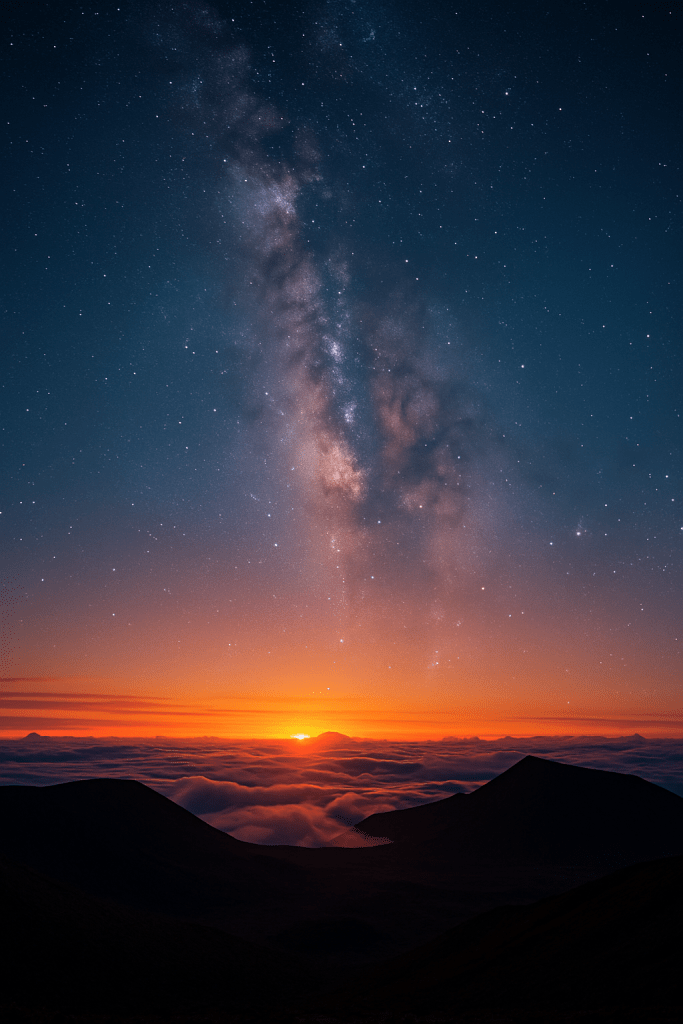
Then, as if someone switches on the cosmos, the stars arrive all at once.
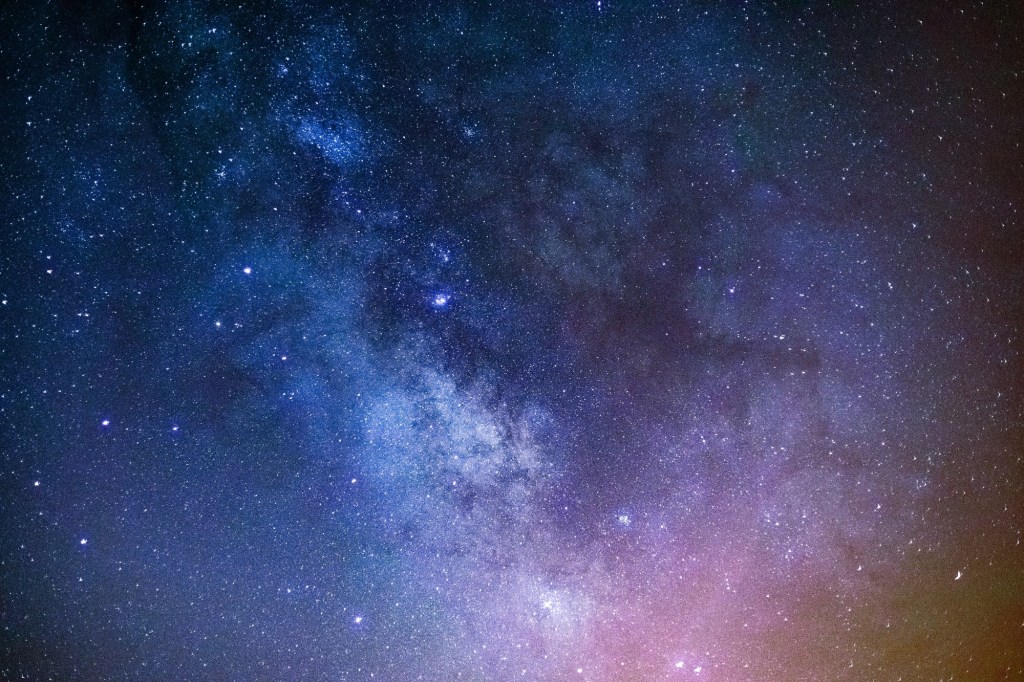
There’s no waiting. No slow reveal. Just an explosion of brilliance, like the universe is saying, “You made it. Now look.”
A Stargazer’s Paradise
Thanks to its elevation, lack of light pollution, and dry, stable air, Mauna Kea is one of the best places on Earth to view the night sky. Astronomers from around the world come here to gaze through some of the most powerful telescopes ever built.
But you don’t need a Ph.D. to fall in love with the view.
Just look up.
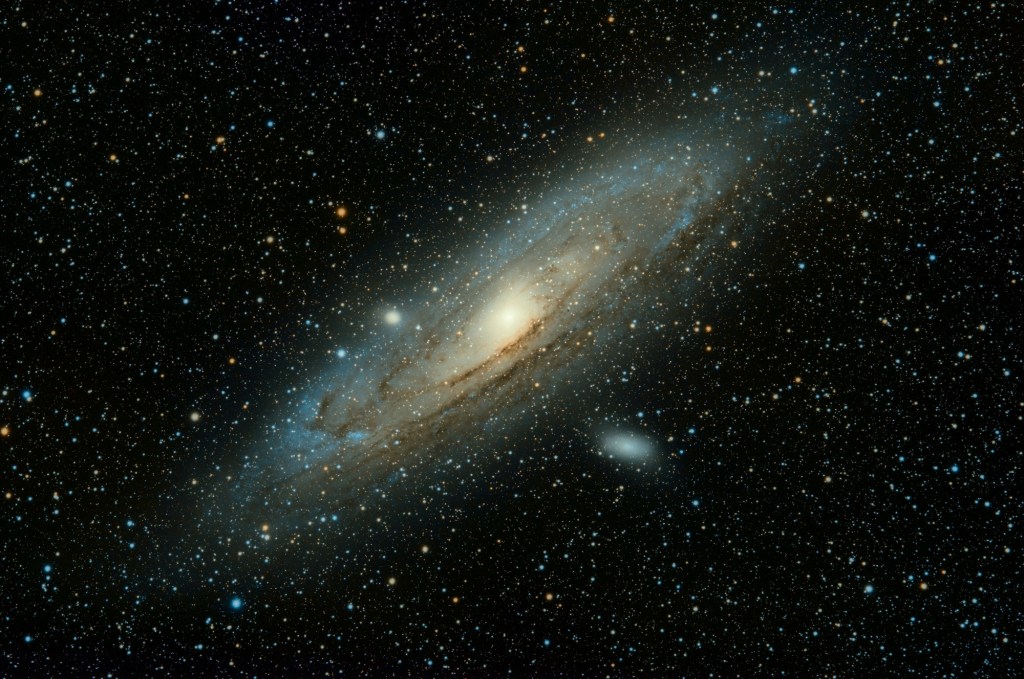
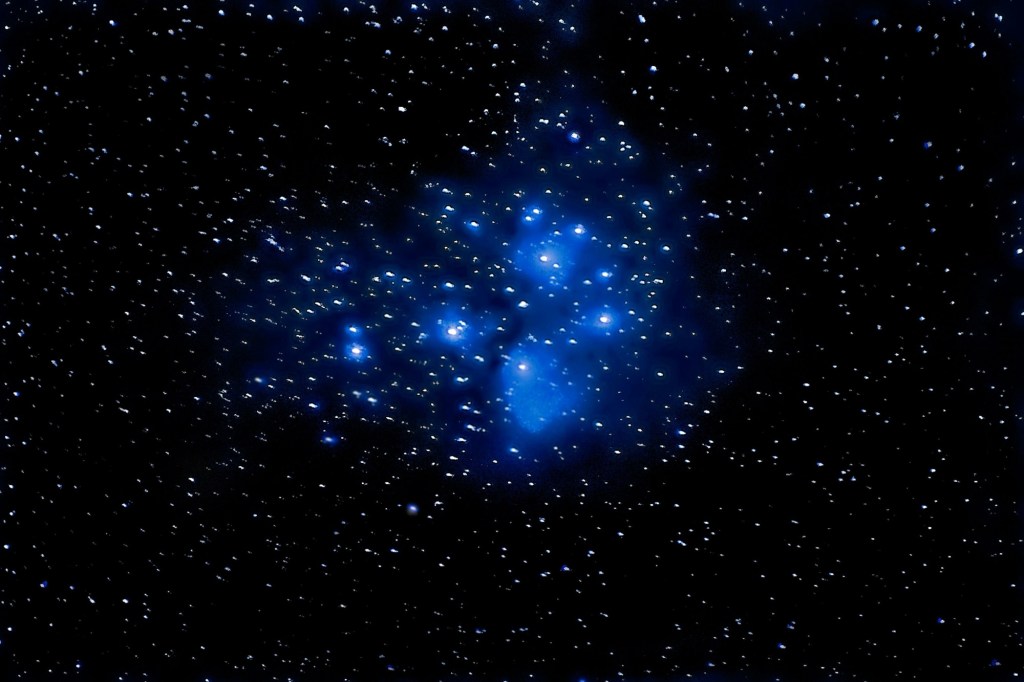
Even with the naked eye, you’ll see the Andromeda Galaxy, the shimmering Pleiades, and maybe even satellites silently gliding across the stars. The Milky Way arches so vividly overhead, it feels close enough to swim in.
Bring a blanket. Lie back on volcanic gravel. And drift between stars and silence.
Go With a Guide: Elevate the Experience
You can make the drive yourself (with a proper 4WD vehicle), but most travelers opt for a guided tour—and it’s worth every penny.
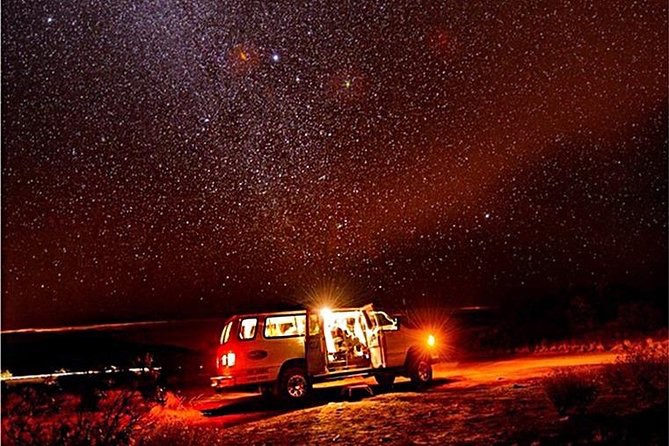
Companies like Mauna Kea Summit Adventures and Hawaii Forest & Trail not only handle the logistics, but enrich the journey with warm parkas, steaming hot cocoa, and storytelling that brings both science and sacredness to life.
Your guide may point out Saturn’s rings through a telescope or tell you of Poli‘ahu, the snow goddess who lives at the summit. They might help you photograph the stars or simply let you sit in silence, spellbound by the sky.
The Responsibility of Wonder
A trip to Mauna Kea is not just a photo op—it’s a privilege. The summit is fragile, both ecologically and culturally. Tread softly. Respect the silence. Honor the voices that have protected this mountain long before telescopes were ever dreamed of.

Support efforts to steward the mountain in harmony with Native Hawaiian culture, and understand that this is a shared space—between Earth and sky, science and spirit, past and future.
‘Imiloa: Where Science Meets Soul
Before or after your summit adventure, make time to visit the ‘Imiloa Astronomy Center in Hilo. This isn’t just a museum—it’s a bridge between worlds.
Inside, you’ll discover how early Polynesians navigated the Pacific using only the stars, long before telescopes or GPS. You’ll learn how modern astronomers now peer billions of light years into the past—from that very same mountain.
It’s a place of cosmic connection, where the ancient and the infinite converge.
Before You Go: Tips for Your Surreal Skywatching Experience
Go during the new moon for the darkest skies and brightest stars. Dress warmly—temperatures at the summit can drop below freezing even in summer. Give yourself time to acclimate at the visitor center (altitude sickness is real). Book your tour well in advance, especially during busy travel seasons. Respect the mountain. Follow all guidelines and signs—and listen.
Final Thought: What If the Stars Are Calling?
Some places make you feel small in the best possible way. Mauna Kea is one of them.
It humbles you. It silences you. And somehow, in that silence, it speaks.
Maybe it’s the air. Maybe it’s the altitude. Or maybe, just maybe—it’s something cosmic. Something ancient. Something you won’t fully understand until you’re there, under a sky so vivid it doesn’t look real, yet feels more real than anything you’ve ever seen.
So if the stars are calling… don’t just look up.
Go to them.
 Bucket List World Travel
Leave a comment