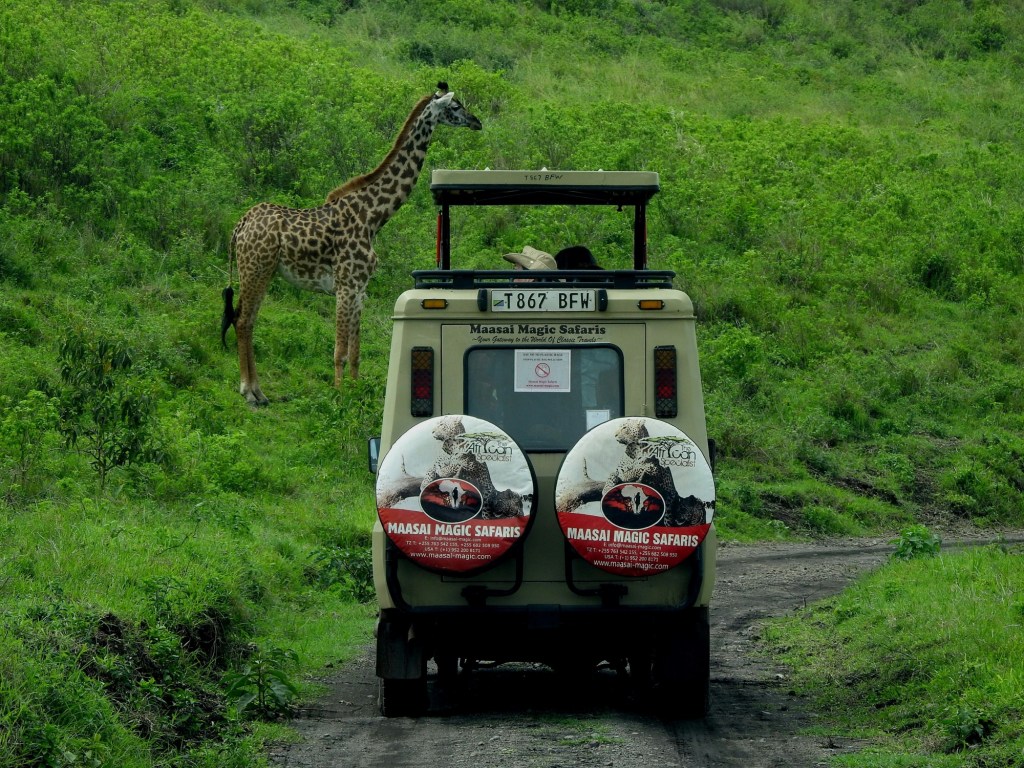
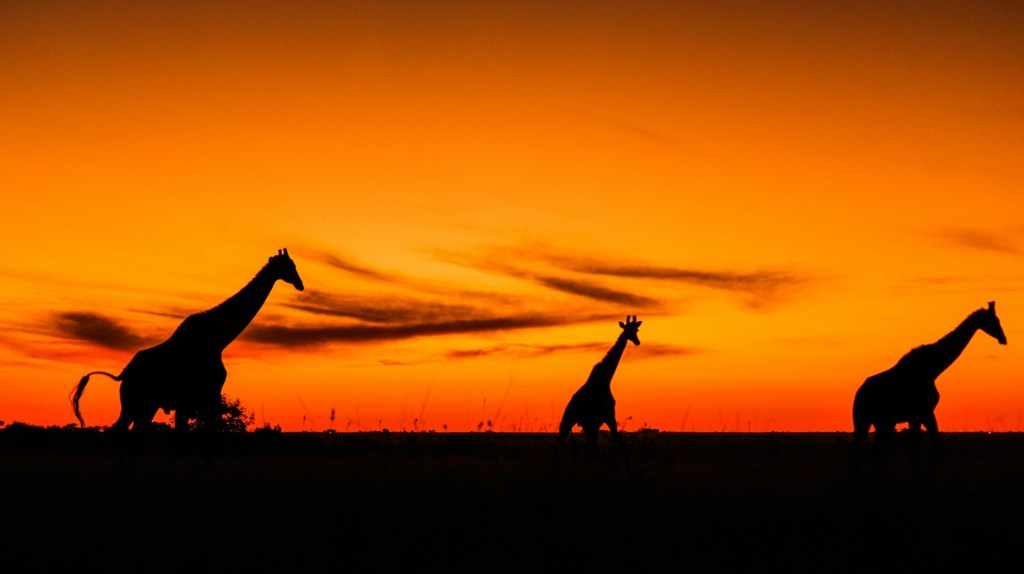
There’s a moment that happens on every great safari — a breath-holding stillness just before something wild and unexpected unfolds. Maybe it’s the flick of a lion’s tail in the tall grass. Maybe it’s the low rumble of elephants as they move through the bush at sunrise. Or maybe it’s the way the sky turns gold, casting everything — giraffes, trees, your very heartbeat — in a kind of dreamlight.
An African safari is more than a vacation. It’s an ancient rhythm, a raw encounter with the wild, and one of the most humbling, breathtaking experiences you can have on this planet. But before you pack your bags and board the bush plane, here’s what you need to know to make the most of your journey into the heart of Africa.
1. Choose Your Destination Wisely — It Changes Everything
Africa is a continent, not a country — and no two safari destinations are quite alike. Are you dreaming of the Great Migration in Tanzania or Kenya? Craving the wild remoteness of Botswana’s Okavango Delta? Or maybe you’re drawn to the dramatic desert landscapes of Namibia or the accessible parks of South Africa?
Here’s a quick breakdown:
Kenya & Tanzania: Classic safari country. Best for witnessing the Great Migration (July–October), big cats, and iconic savannah scenery.
Botswana: For water-based safaris, fewer crowds, and pristine wilderness. The Okavango Delta is otherworldly.
South Africa: Great for first-timers, with easier logistics and malaria-free options like Addo or Madikwe.
Namibia: Surreal desert landscapes, rare desert-adapted elephants, and self-drive safari options.
Uganda & Rwanda: Best for gorilla trekking and lush, mountainous terrain.
Zambia & Zimbabwe: Fantastic walking safaris and Victoria Falls proximity.
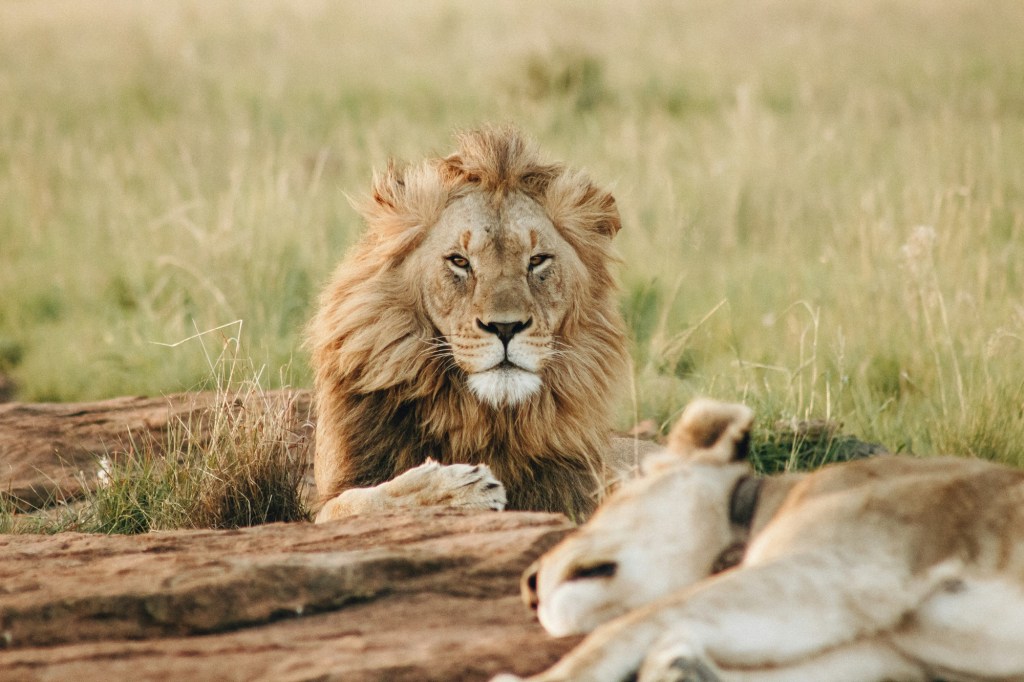
Pick a country (or a few) based on your wildlife goals, budget, and appetite for adventure.
2. Timing is Everything — Know When to Go
Africa’s wildlife is seasonal, and so is the safari experience. The best time for game viewing is typically during the dry season, when animals congregate around waterholes and the vegetation thins out.

East Africa (Kenya, Tanzania): June–October is prime time. Calving season (January–March) is also incredible for predator action.
Southern Africa (Botswana, South Africa, Zimbabwe): May–October is dry, cool, and ideal for spotting wildlife. Gorilla trekking: Go during Uganda and Rwanda’s dry seasons — December–February or June–September.
Off-season safaris can be cheaper and quieter, but you may deal with thick vegetation, muddy roads, and elusive wildlife.
3. You Don’t Need to Pack Your Whole Closet
Safaris have a very specific dress code, but not for fashion — for function.
You’ll want…
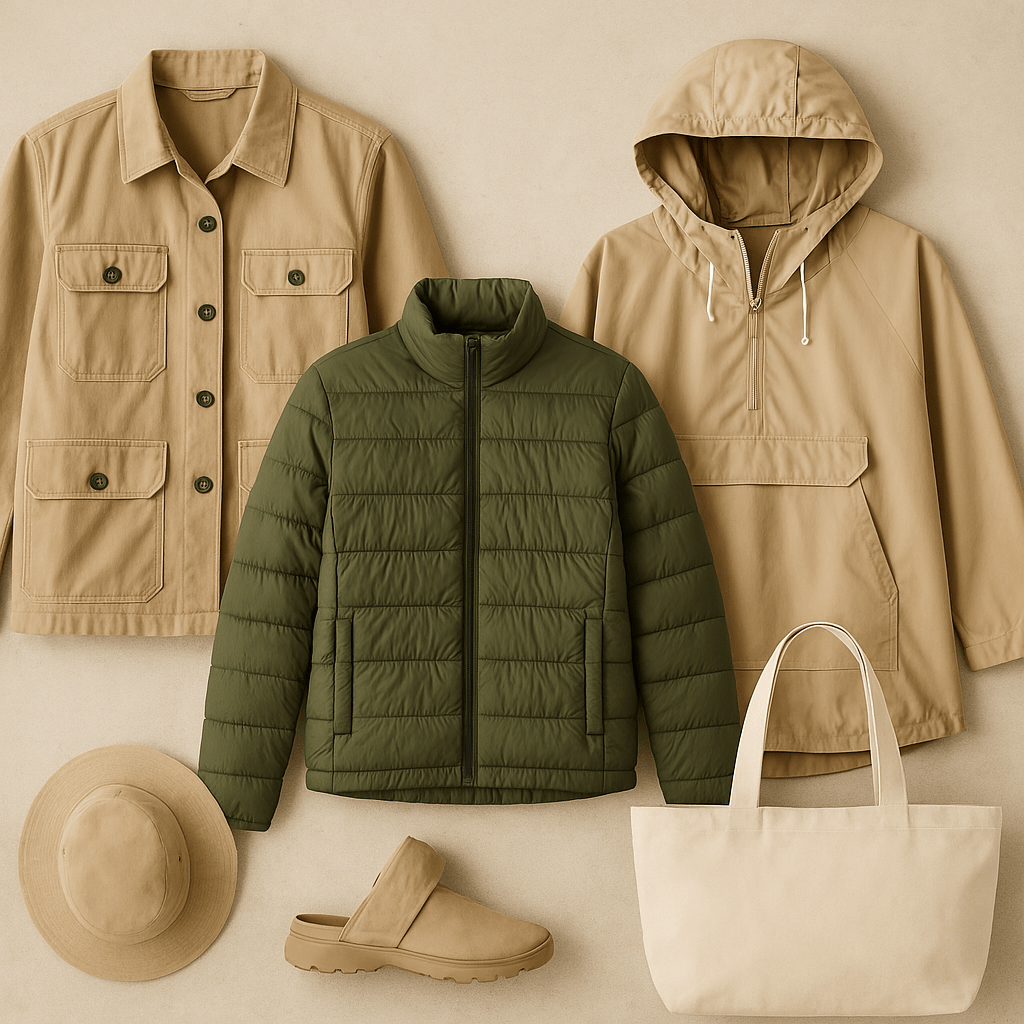
Neutral-colored clothing: Think khaki, olive, beige. Avoid bright colors and black/blue (which attract tsetse flies).
Layers: Early mornings can be freezing, while midday temps soar. Comfortable walking shoes
Sun protection: Hat, sunglasses, sunscreen. A lightweight rain jacket
Swimsuit: Many lodges have pools! Binoculars and a good camera: These are game-changers. Dry bags or ziplocks: For dust and moisture protection.
Leave anything flashy, noisy, or fragrant behind — subtlety is key in the bush.
4. Your Safari Style: Lodge, Tented Camp, or Mobile?
Where you sleep can be just as thrilling as what you see.
You’ve got options-

Luxury lodges: High-end, often with private decks, plunge pools, and gourmet dining. Perfect for honeymooners or those who want to safari in style.
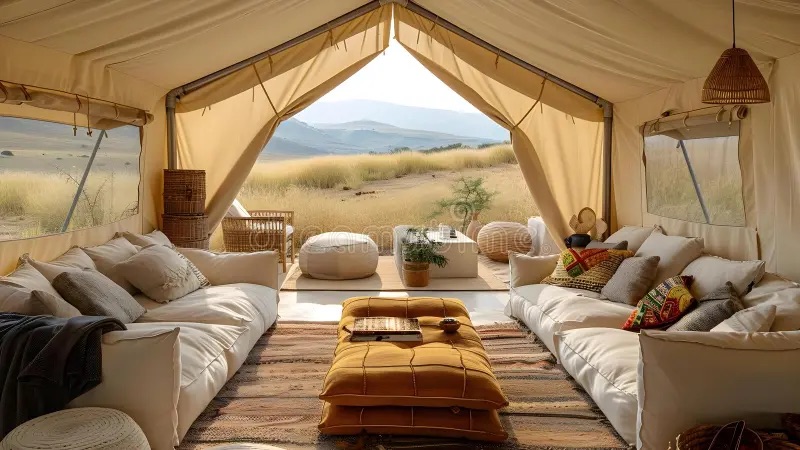
Tented camps: Don’t be fooled — these can be ultra-luxe or rustic-chic. You’ll hear the hyenas yipping at night and feel the true pulse of the wild.
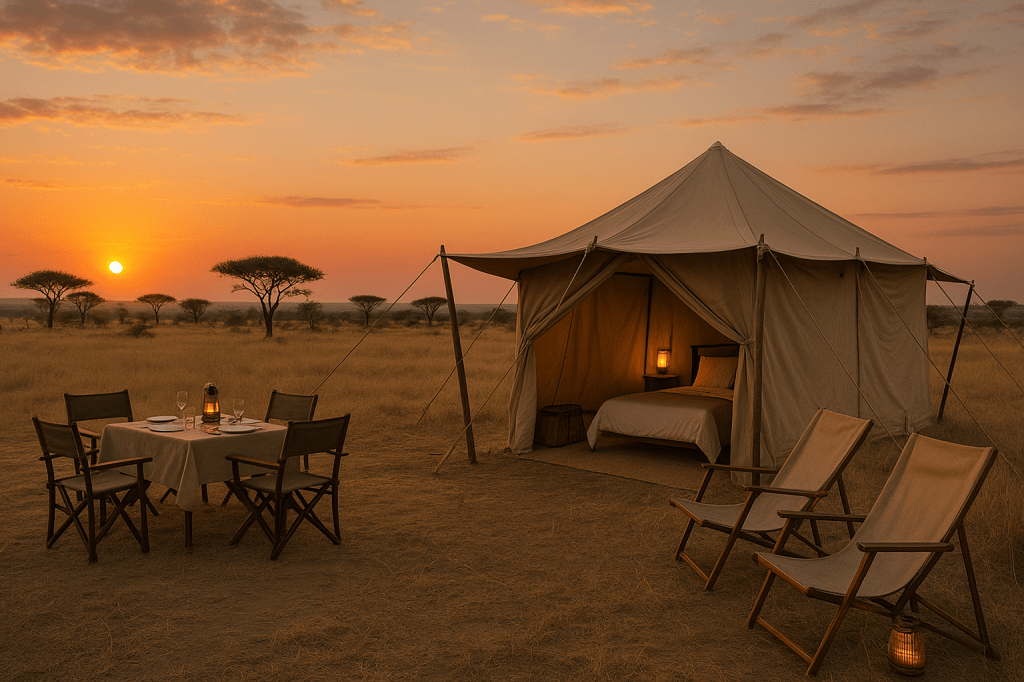
Mobile camps: These move with the migration or seasonal game shifts. For serious wildlife lovers.
Some camps are so remote they’re only accessible by small plane. Others are family-run gems that deliver soul and authenticity over polish.
5. Safari Days Start Early — And They’re Unforgettable
Expect a rhythm that syncs with nature-
5:00–6:00 AM: Wake-up call with coffee and rusks (a safari rite of passage).
6:30–10:00 AM: Morning game drive — golden light, fresh animal tracks, prime predator activity.
Late morning: Brunch, relaxation, maybe a nap or swim.
3:30–6:30 PM: Evening game drive — perfect light and often thrilling encounters.
Evening: Sundowners in the bush, dinner under the stars, and campfire stories.
It’s immersive, magical, and surprisingly addictive.
6. Expect the Unexpected — The Wild Has No Script
You may dream of a leopard lounging on a tree limb or a lioness mid-hunt, but the real magic lies in the unpredictability. One day you’ll see five elephants swimming in a river; the next, you’ll spend an hour watching dung beetles work tirelessly.
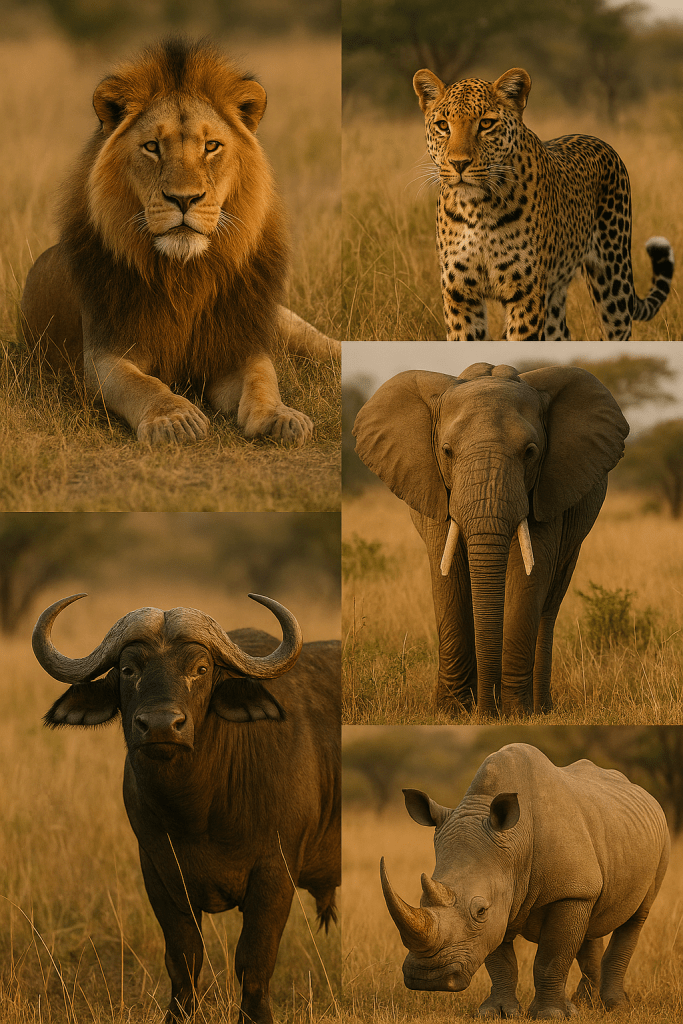
The “Big Five” (lion, leopard, elephant, buffalo, rhino) are legendary — but don’t overlook the small wonders: a lilac-breasted roller in flight, a curious mongoose, the silent shape of a civet cat on a night drive.

Keep your eyes wide and your expectations loose. The bush rewards patience.
7. It’s Not Just Game Drives — Try These Too
Safaris aren’t all about the 4×4
Walking safaris: Led by expert guides and armed rangers, these bring you inches from the wild. Feel your pulse rise as you learn to read tracks and listen like prey.
Canoe safaris: Paddle through hippo-laden waters in Zambia or Botswana.
Night drives: Spotlight safaris reveal nocturnal creatures — genets, bush babies, and big cats on the prowl.
Cultural visits: Learn from Maasai, Himba, or San communities — their stories are as rich as the land itself.
These experiences bring depth and soul to your journey.
8. Health & Safety: Be Smart, Be Prepared
Vaccinations: Check requirements for yellow fever, typhoid, hepatitis, and tetanus.
Malaria: Many areas are malaria zones — consult your doctor for preventative meds.
Travel insurance: A must, especially if your safari includes remote flights.
Water: Stick to bottled or filtered water.
Local guides: Always follow their instructions. They know the animals and the terrain far better than you ever will.
Don’t let safety worries stop you — just be smart, and you’ll be fine.
9. The Cost — And Why It’s Worth Every Penny
Safari prices vary wildly, from budget-friendly self-drives in Kruger to ultra-luxury camps in the Serengeti.
Factors that affect cost-
Season (high vs. green season)
Type of accommodation
Number of game drives
Transfers (especially if they involve bush planes)
Even a budget safari isn’t cheap — but remember, you’re paying for more than a bed. You’re investing in guides with years of training, conservation programs, protected land, and the privilege of entering a world few ever experience.
10. Give Back — Travel With Purpose
Many lodges are deeply involved in conservation and community support. When choosing your safari operator, look for those that-
Support anti-poaching efforts
Employ local staff
Contribute to education and health initiatives
Practice sustainable tourism
You’ll leave not only with memories, but knowing your trip helped protect the very place you came to love.
Final Thoughts:
Let the Wild Rewire You
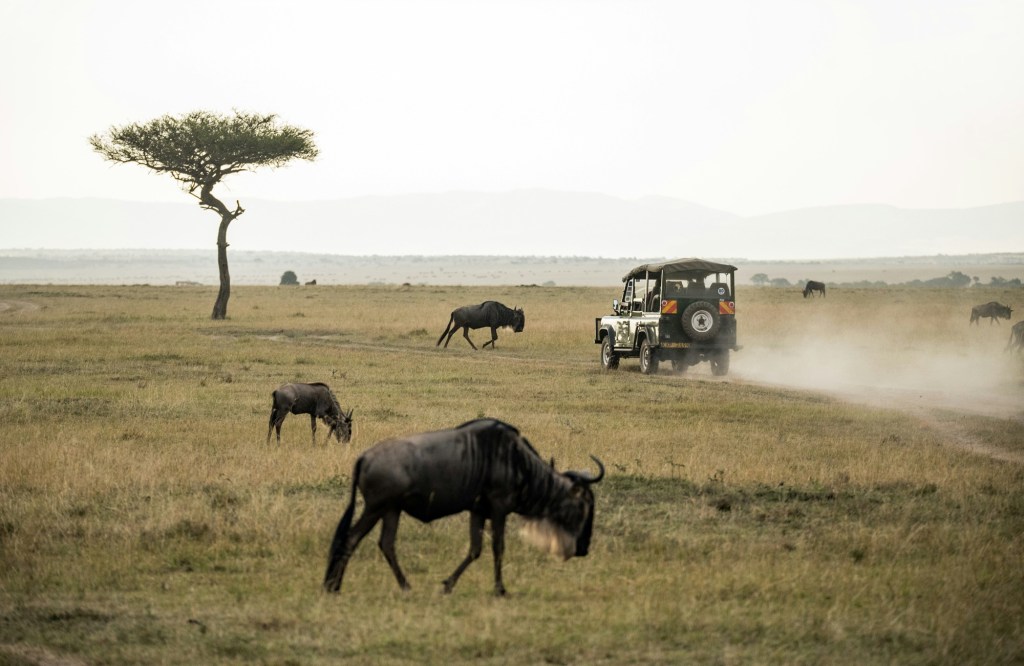
An African safari changes you. It reminds you of how small you are — and how connected. It’s where silence speaks louder than Wi-Fi and moments can’t be downloaded. Where dusty boots, sunrise light, and the slow blink of a lion become the new definition of luxury.

So come curious. Come open. Come ready for stillness and thunder and laughter around firelight. Africa has stories to tell — and they begin where the pavement ends.
 Bucket List World Travel
Leave a comment