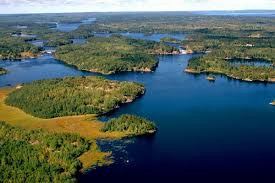
There’s something about standing at the edge of the water in Voyageurs National Park that makes the world feel bigger, wilder, and a little more mysterious.
Maybe it’s the endless chain of lakes stretching out before you.
Maybe it’s the call of a distant loon echoing across the water.
Or maybe it’s the way the sky opens up at night, spilling more stars than you knew existed across the darkness.
When I first set out to explore Voyageurs, I thought I was prepared. I had packed the usual gear — hiking boots, bug spray, a good camera.
But this park, tucked away along the border of Minnesota and Canada, has a way of humbling even the most seasoned travelers.
It teaches you quickly: here, the water is the road, and the wilderness is your guide.
If you’re planning your first visit (or even your second or third), here are the tips and tricks I wish someone had shared with me — woven together with a little bit of what makes Voyageurs so unforgettable.
Embrace the Water — and Plan Around It
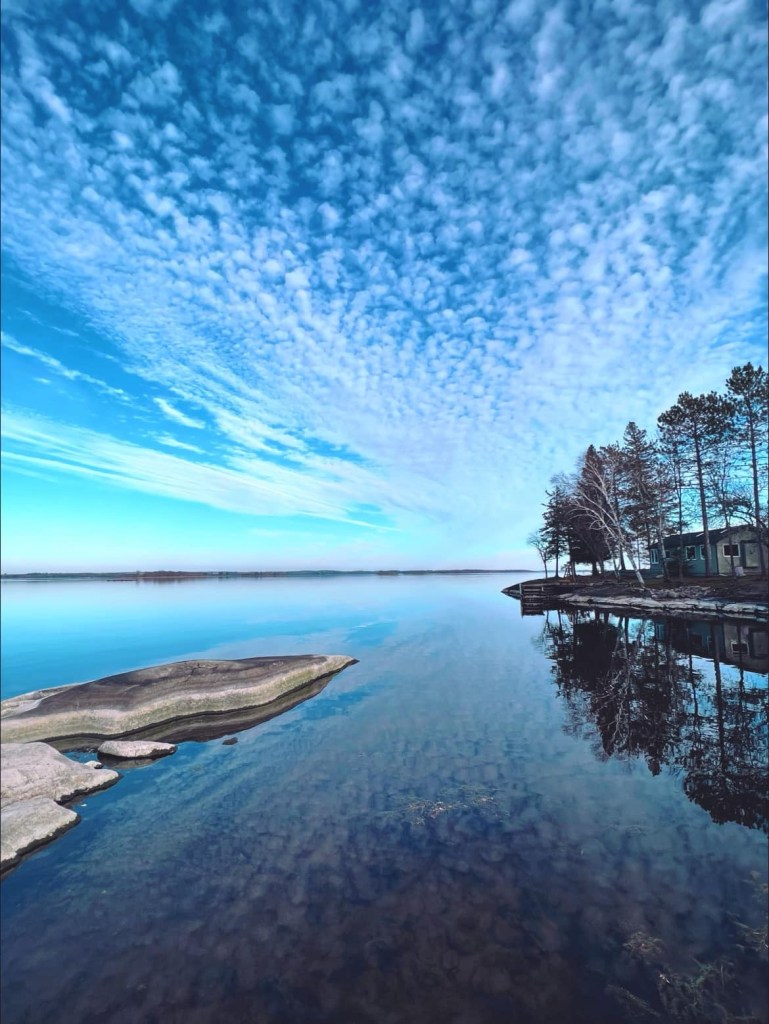
Voyageurs is a water-based park. Unlike most national parks where trails dominate the map, here, it’s the lakes — Rainy Lake, Kabetogama Lake, Namakan Lake — that stitch the landscape together.
Tip:
You’ll need a boat to truly experience it. Whether it’s a kayak, canoe, houseboat, or a small motorboat, the best way to move around is by water. If you don’t have your own, don’t worry — there are plenty of outfitters near the park entrances that rent boats or offer guided tours.
Trick:
Book your rental early, especially if you’re visiting between June and August. Summer is peak season, and boats get reserved quickly. If you’re new to navigating by water, consider starting with a guided day trip before venturing out solo.
Campsites Are Islands — Literally
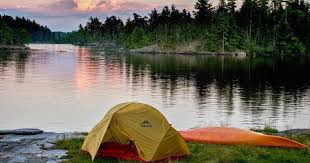
Most of Voyageurs’ campsites are only reachable by boat.
Picture it: pulling your canoe up onto a rocky shoreline, pitching your tent under towering pines, and falling asleep to the gentle lapping of the lake against the rocks.
Tip:
Every campsite is reservable online through Recreation.gov. Plan your route and your campsites ahead of time — you can’t just wander in and hope for an open spot.
Trick:
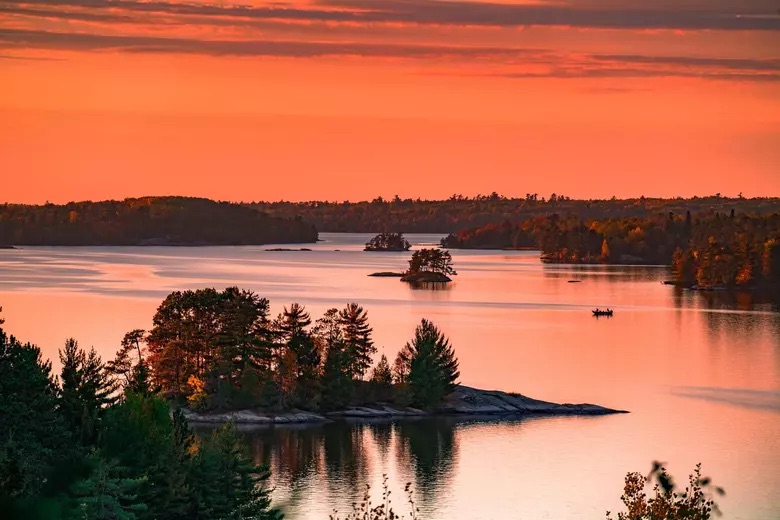
Aim for campsites with western views. Watching the sunset over the lake from your own private island feels like stepping into another world. Some favorites? Try sites along the north shore of Kabetogama Lake or hidden gems on Namakan.
Watch the Weather — It Changes Fast
One minute you’re paddling under blue skies, and the next, you’re racing a thunderhead to the nearest cove. The lakes can whip up serious wind and waves with very little warning.
Tip:
Check the weather forecast daily, but more importantly, learn to read the sky. Gray bands on the horizon, a sudden drop in temperature, or a shift in the wind can mean it’s time to pull off the water and wait it out.
Trick:
Pack layers — even in July. Mornings can be chilly, afternoons hot, evenings crisp. And always, always have rain gear easily accessible.
Wildlife is Everywhere — But Patience is Key
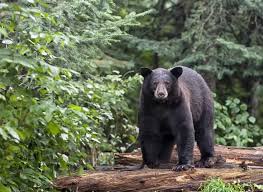
Voyageurs is a sanctuary for moose, black bears, wolves, eagles, and otters.
The tricky part? The animals aren’t interested in schedules. You can paddle for hours without seeing more than a fish jump, then suddenly stumble upon a moose calf splashing in a marsh.
Tip:
Best wildlife viewing times are dawn and dusk. Set your alarm early or plan your paddles for the golden hours.
Trick:
Move quietly. Canoes and kayaks are perfect for slipping silently along the shorelines where wildlife feeds and plays. Keep your camera ready but resist the urge to talk or make noise when you spot something — you’ll get much closer and linger longer in their world.
Don’t Skip the Night Sky
Voyageurs is a certified International Dark Sky Park.
That means no city glow, no car headlights sweeping through the night — just you, the stars, and sometimes even the green glow of the Northern Lights.

Tip:
Pick a clear night, grab a sleeping bag or a camp chair, and head down to the water’s edge. Look up. Stay awhile.
Trick:
If you can, plan your visit around a new moon for the darkest skies. And if the forecast mentions aurora activity? Set an alarm for 2 or 3 AM. You’ll thank yourself later.
Respect the Quiet
One of the most special things about Voyageurs is how deeply quiet it can be.
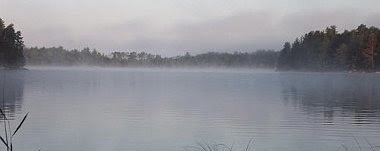
Paddling through a misty morning when the only sound is the dip of your paddle in the water is pure magic.
Tip:
Turn your phone off if you can. Let yourself be unreachable for a day. It’s amazing what you’ll notice when you aren’t distracted by notifications.
Trick:
If you’re camping with a group, make quiet time part of the experience. Early mornings and evenings are especially sacred — listen to the loons calling across the lake instead of music or conversation.
Know Your Entrance Points
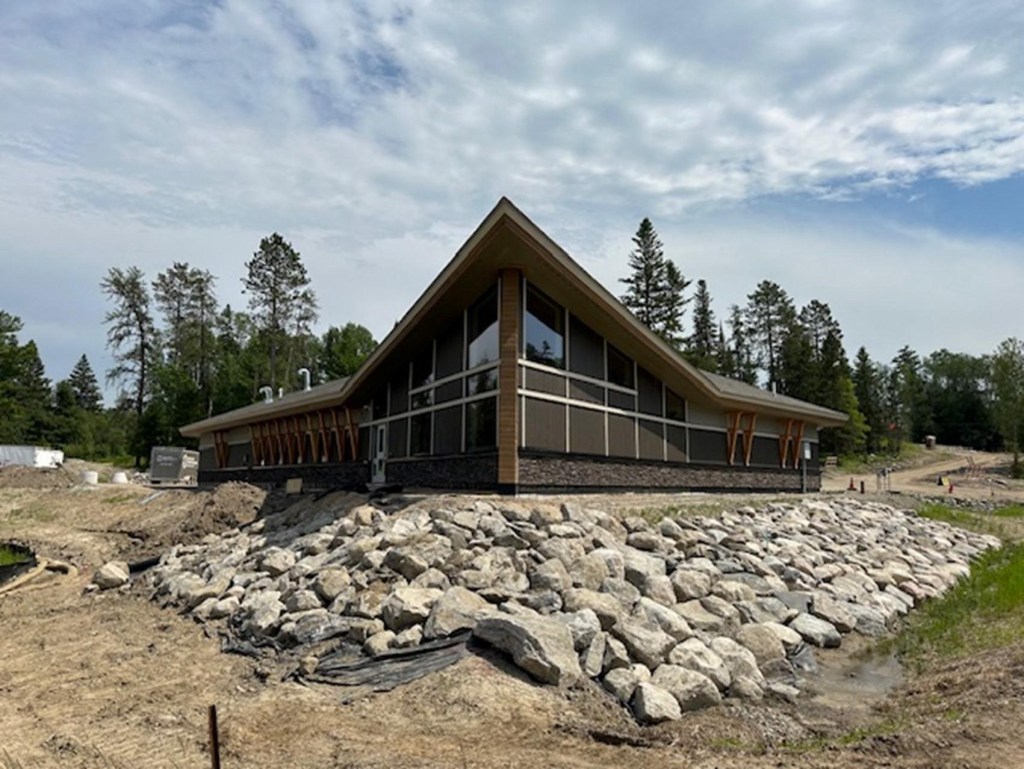
Voyageurs has three main visitor centers: Rainy Lake, Kabetogama Lake, and Ash River.
Each offers a slightly different experience.
Tip:
Rainy Lake is great for those who want a more developed feel, with boat tours and easy rentals.
Kabetogama feels wilder, a bit quieter.
Ash River is the perfect launch for those craving a little bit of everything.
Trick:
Start your trip with a ranger chat if you can. They often share recent wildlife sightings, current lake conditions, and insider tips you won’t find in the brochures.
Final Thoughts — Let the Park Set the Pace
Voyageurs National Park isn’t a place you rush through.
It’s a place that asks you to slow down, to paddle instead of drive, to watch instead of hurry.
There’s no list to check off, no must-do trailhead selfies.
Instead, there’s mist lifting off the water at sunrise, campfires crackling on rocky islands, eagles circling overhead, and stars you’ll never forget.
Come ready to be patient. Come ready to listen.
And most of all — come ready to fall in love with a place that feels like it belongs to another, wilder time.
 Bucket List World Travel
Leave a comment