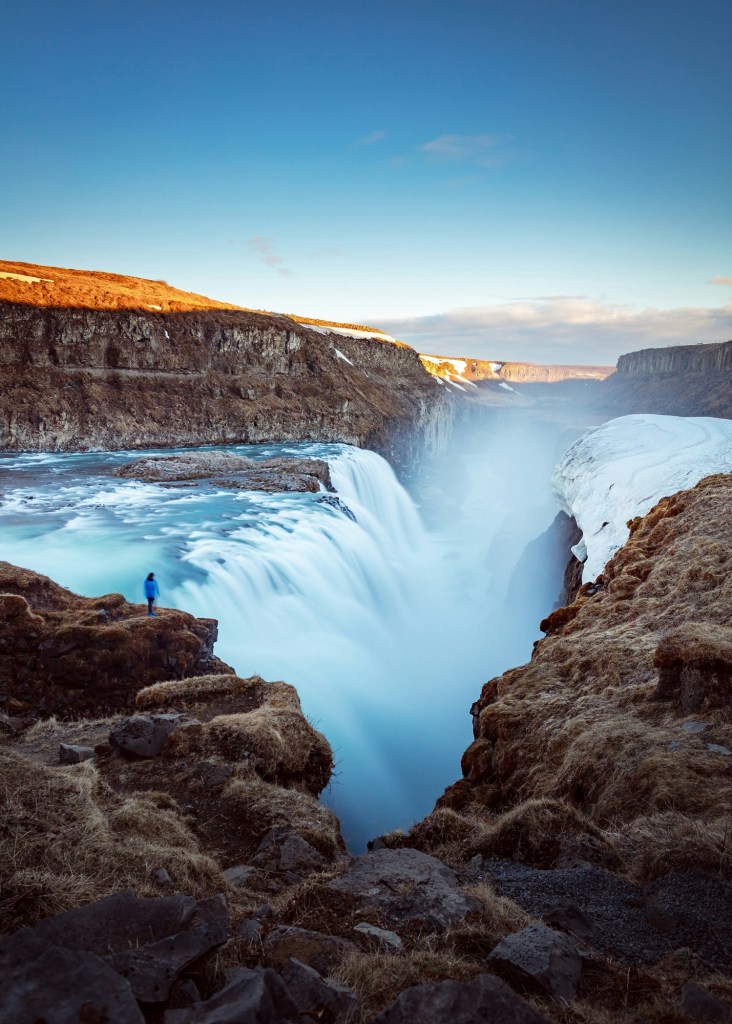
When travelers arrive in Reykjavik and step into Iceland’s bracing air, the first sensation is unmistakable. Crisp, clean, and laced with salt and volcanic minerals, it feels like breathing in an ancient story. This is a land of extremes — roaring waterfalls, vast glaciers, steaming geothermal pools, and black-sand beaches where the Atlantic thunders. It is also a place where the weather refuses to play by anyone’s rules.
Packing for Iceland is not simply a matter of style or comfort; it is a survival skill and an invitation to embrace the journey without distraction. To prepare well is to ensure that the adventure ahead is remembered for its magic, not its mishaps.
Iceland’s Ever-Changing Weather
The first rule of Icelandic travel: expect everything. Sunshine can bathe Reykjavík in warmth one moment, only for rain to sweep across the city the next. A glacier hike might begin under blue skies and finish in mist so thick it feels dreamlike. The local saying captures it perfectly: “If you don’t like the weather, wait five minutes.”
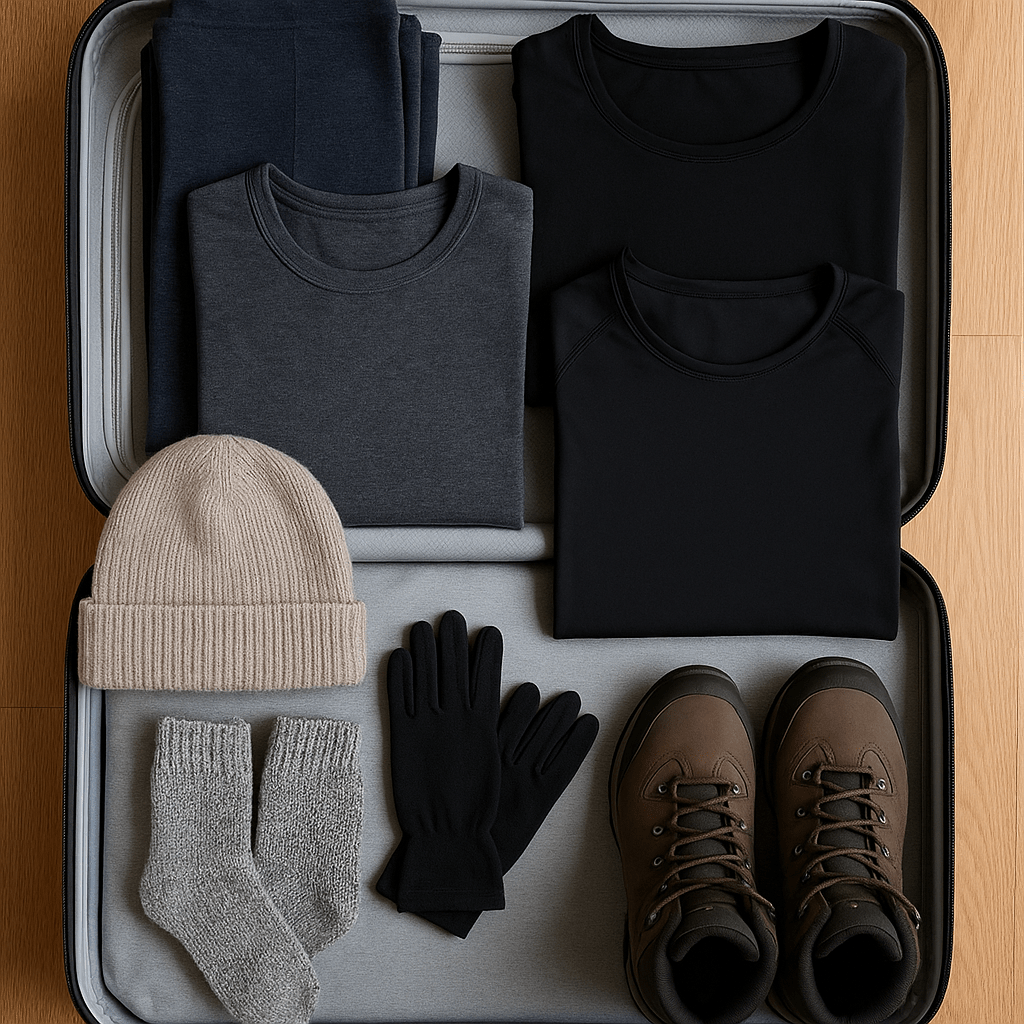
This unpredictability means packing for Iceland requires versatility. Rain, wind, cold snaps, and bursts of sunshine can all appear in a single day. Every item in the suitcase should be chosen with that in mind.
Clothing: Layers That Tell a Story
Think of dressing in Iceland as writing in layers — each one revealing or protecting as needed.
Base Layer: The Foundation
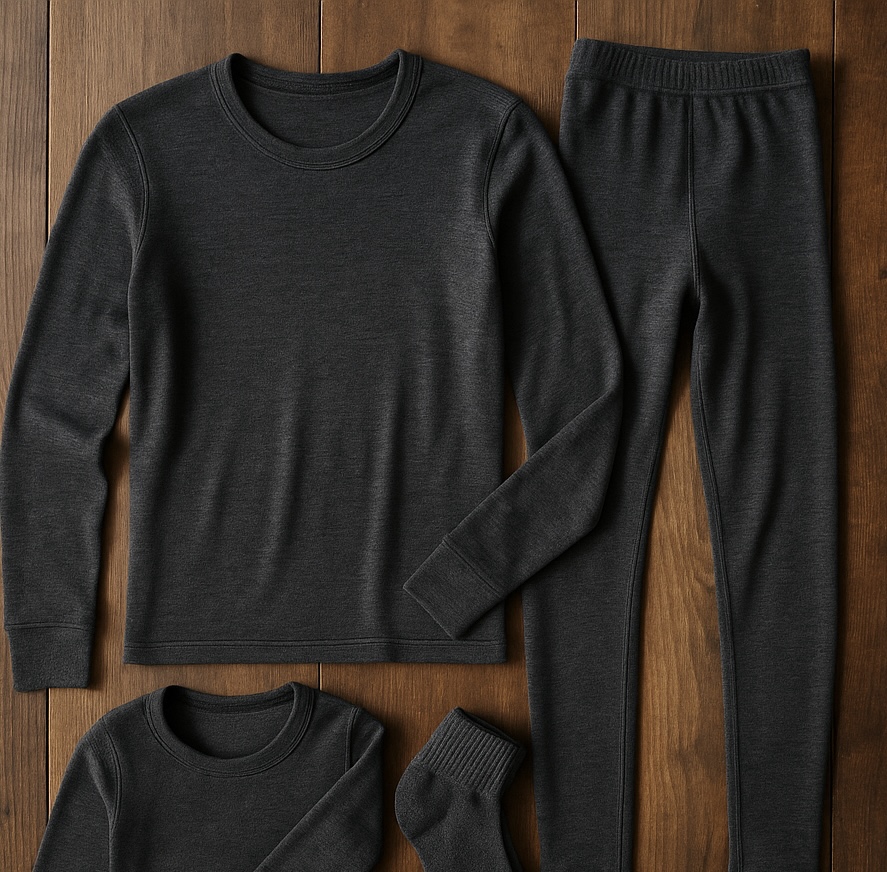
The first layer is the unsung hero, managing body temperature and wicking away moisture.
Merino wool tops and leggings: Lightweight, breathable, naturally odor-resistant. Synthetic alternatives: For those sensitive to wool, moisture-wicking fabrics provide a strong substitute.
On the trail toward a glacier’s edge or during long drives through lava fields, the base layer is what keeps travelers dry and comfortable.
Mid Layer: The Warm Embrace

The second layer provides warmth — essential when standing beneath waterfalls like Skógafoss or watching the Northern Lights in the midnight chill.
Fleece jackets or lightweight down: Trap heat without adding bulk.
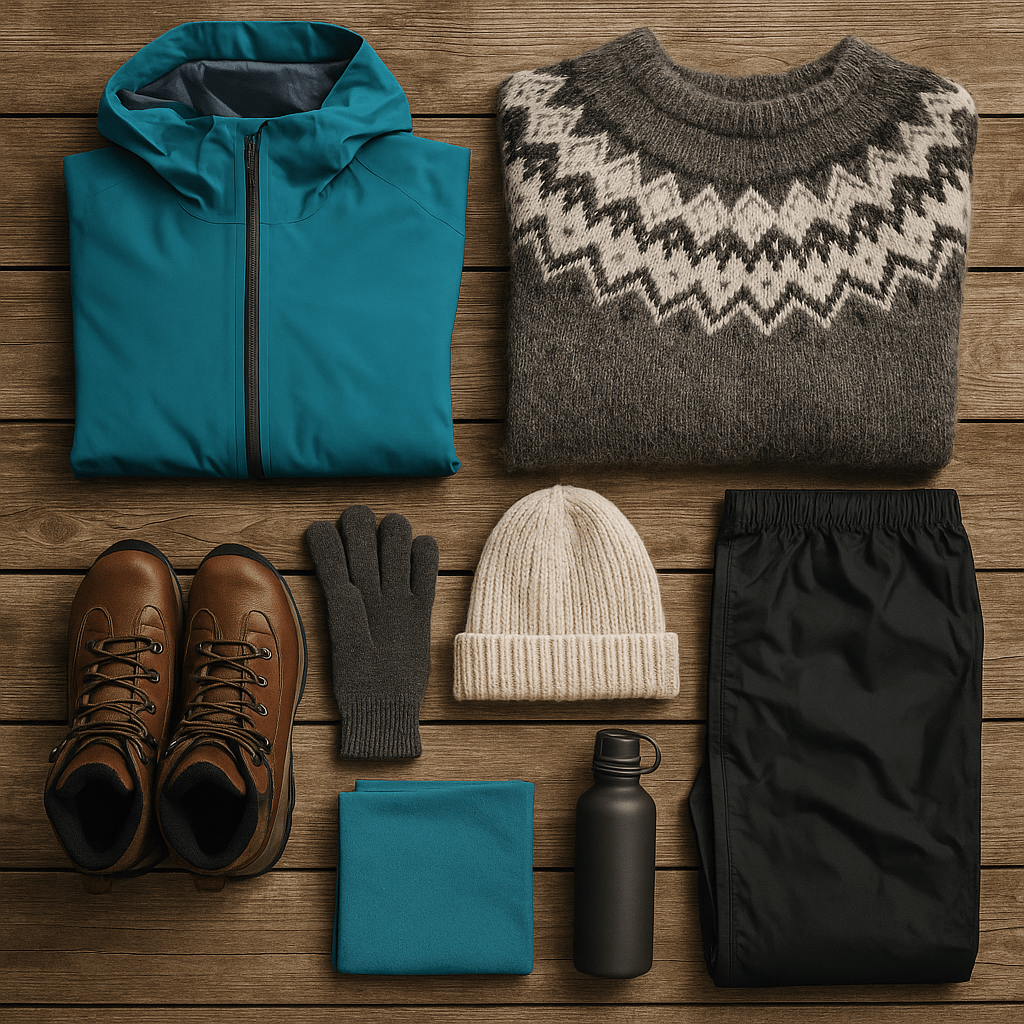
Wool sweaters: A traditional Icelandic lopapeysa not only insulates but also connects travelers to centuries of culture.
Outer Layer: The Armor
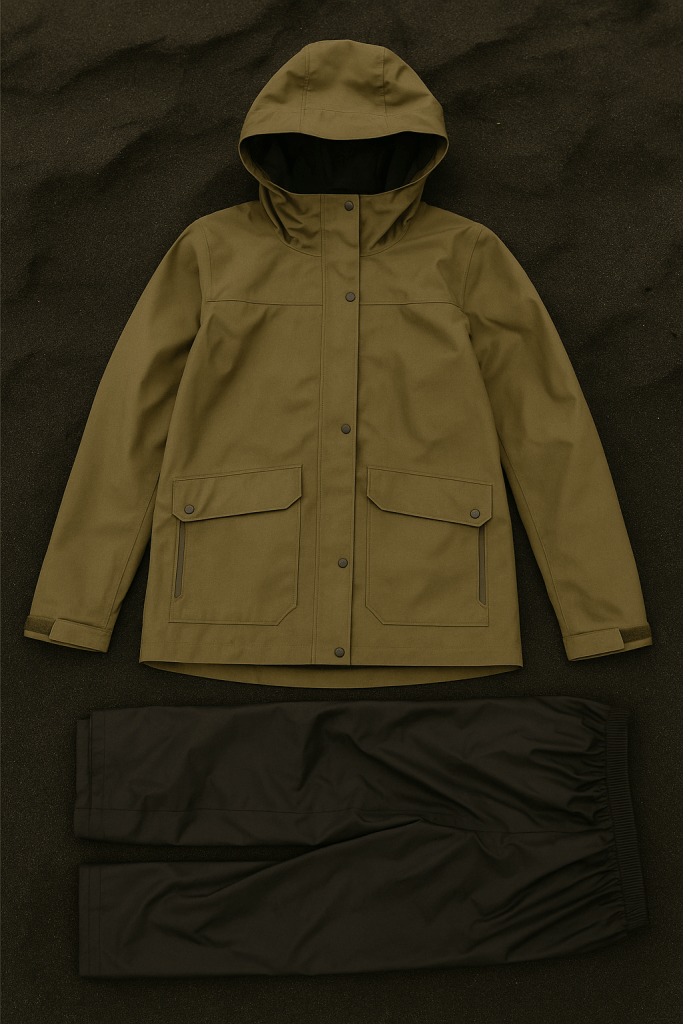
The final layer shields against Iceland’s wild moods.
Waterproof jacket with taped seams and hood: Essential for sideways rain on the South Coast.
Waterproof pants: Easy to slip on when the skies open unexpectedly.
On the black sands of Reynisfjara, where winds push hard against the shore, this outer layer feels like protective armor.
Essential Extras
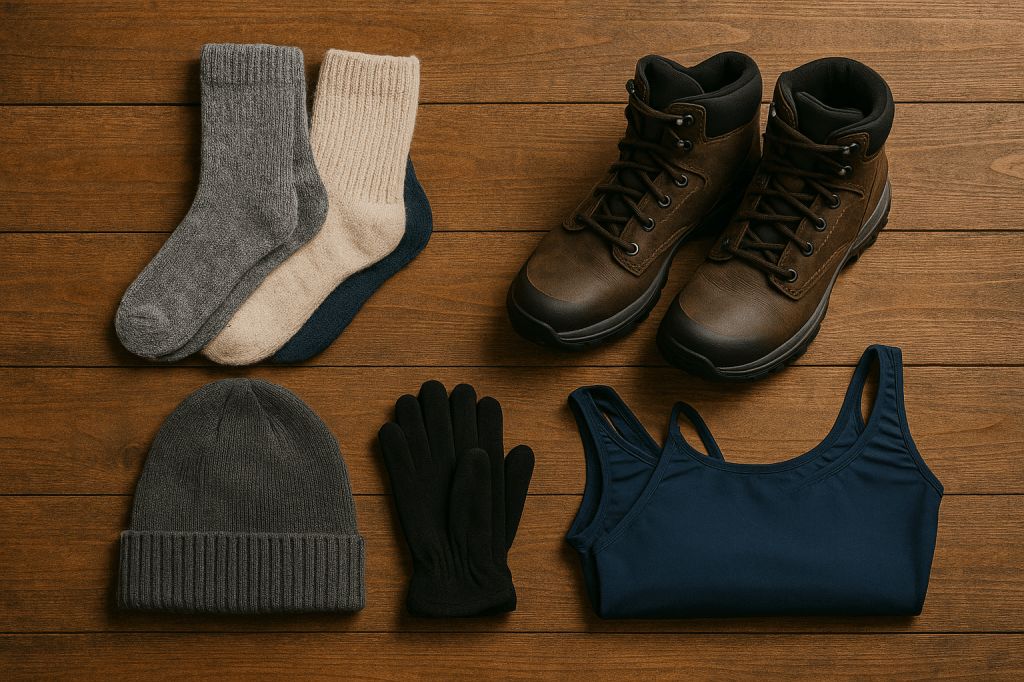
Wool socks: Multiple pairs are invaluable for hiking or slipping on after a geothermal soak.
Sturdy hiking boots: Waterproof with ankle support, built for rocky trails and slippery moss-covered paths.
Beanie and gloves: Wind can bite even in midsummer.
Swimsuit: For the Blue Lagoon, Sky Lagoon, or secret hot springs in the countryside.
Accessories: Small Things, Big Difference

Often, it’s the smallest items that prove most valuable.
Quick-dry towel: Handy after a dip in hot springs or during sudden showers.
Reusable water bottle: Iceland boasts some of the world’s purest tap water, drawn straight from glaciers.
Sunglasses: Necessary year-round; snow and ice reflect sunlight intensely.
Sunscreen: The UV index surprises many visitors, and burns under a rain jacket are not uncommon.
Travel adapter (Type F): Essential for keeping devices charged.
These accessories make everyday exploration smoother, whether pausing at Gullfoss waterfall or enjoying a picnic along the Ring Road.
Gear for Adventurers
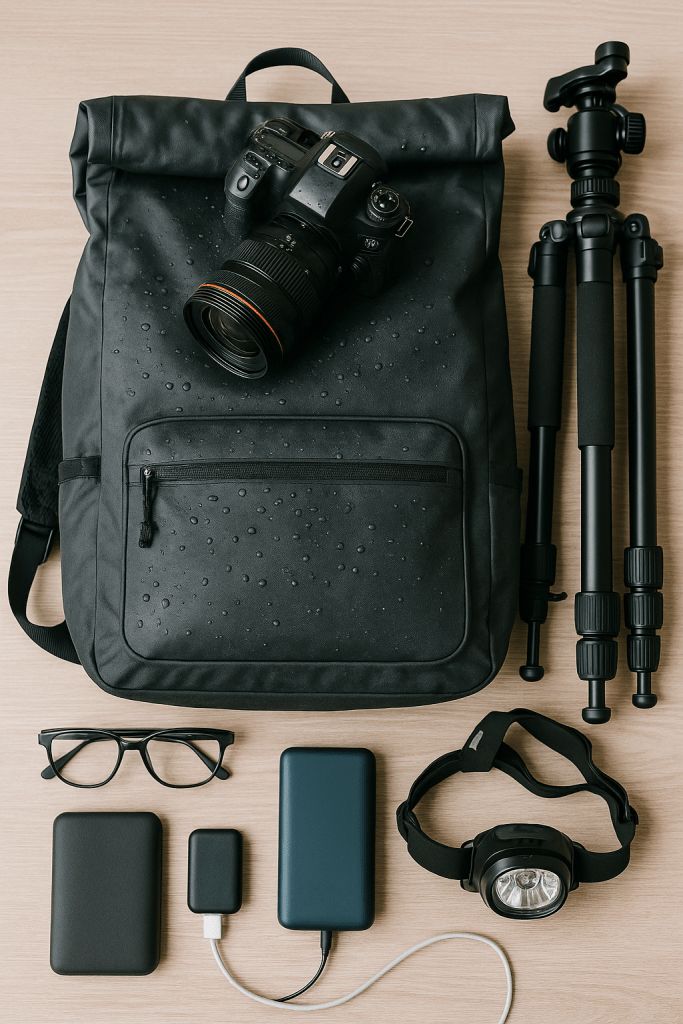
Beyond clothing, a few items elevate the Icelandic journey from good to extraordinary.
Daypack: Waterproof, large enough for snacks, water, and extra layers.
Camera equipment: Wide-angle lens for sweeping landscapes, zoom for puffins, tripod for Northern Lights.
Power bank: Long drives and photo sessions drain devices quickly.
Headlamp: Particularly useful in winter when daylight is scarce.
For those chasing the Aurora Borealis, these items transform a cold night into a well-prepared adventure.
Seasonal Adjustments
Summer (June–August)
Eye mask: The midnight sun barely allows for darkness.
Bug spray: Northern lakes can be alive with midges.
Winter (November–March)
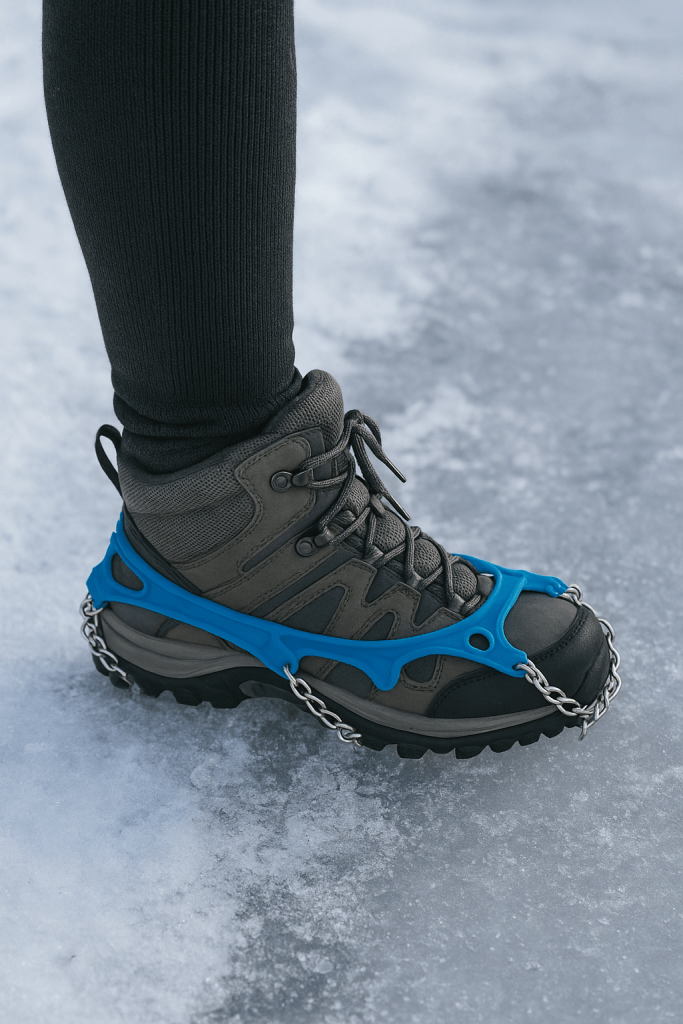
Thermal leggings: Vital for long hours spent outdoors searching for the Northern Lights.
Ice cleats/crampons: Slip over boots to tackle icy sidewalks or frozen trails.
Shoulder Seasons (April–May, September–October)
Versatile layers: These months deliver the widest range of weather.
Light gloves and scarf: Easy to pack, yet invaluable.
Packing Philosophy: Smart and Light
While Iceland tempts travelers to bring everything “just in case,” restraint is wiser. Choose versatile, layerable clothing and gear. Icelanders themselves favor practicality and comfort over excess. Re-wearing a fleece or base layer isn’t unusual; it’s simply sensible.
Leaving a little suitcase space for souvenirs — a wool sweater, volcanic jewelry, or handmade blankets — ensures the memories continue long after the trip ends.
Why Preparation Matters
Consider a traveler on a hike toward Glymur, Iceland’s second-highest waterfall. Without proper gear, sudden rain soaks through clothing, jeans become heavy with water, and each step feels burdensome. Nearby, another hiker passes in waterproof layers and sturdy boots, smiling as the storm becomes part of the adventure.
This contrast illustrates Iceland’s truth: the difference between discomfort and joy often lies in the contents of a suitcase.
Final Thoughts
Packing for Iceland is more than a logistical exercise; it’s an act of respect for the land itself. Layers prepare travelers to meet the island on its terms — through storms, sunshine, and shifting skies. When well-prepared, each downpour, gust of wind, and burst of sun becomes part of the story. Iceland rewards those who arrive curious, equipped, and open to wonder.
 Bucket List World Travel
Leave a comment