
The first glimpse of Sedona feels like the sudden unveiling of a grand stage. The desert highway winds through sagebrush and quiet hills until, without warning, the land opens to reveal towering cathedrals of stone. Cliffs of crimson and ochre rise toward the sky, their surfaces brushed with streaks of amber and gold. Above them, the heavens spread in a blue so deep it seems painted. No photograph or whispered description can prepare the traveler for the way Sedona unfurls—majestic, startling, alive.
The Land That Breathes
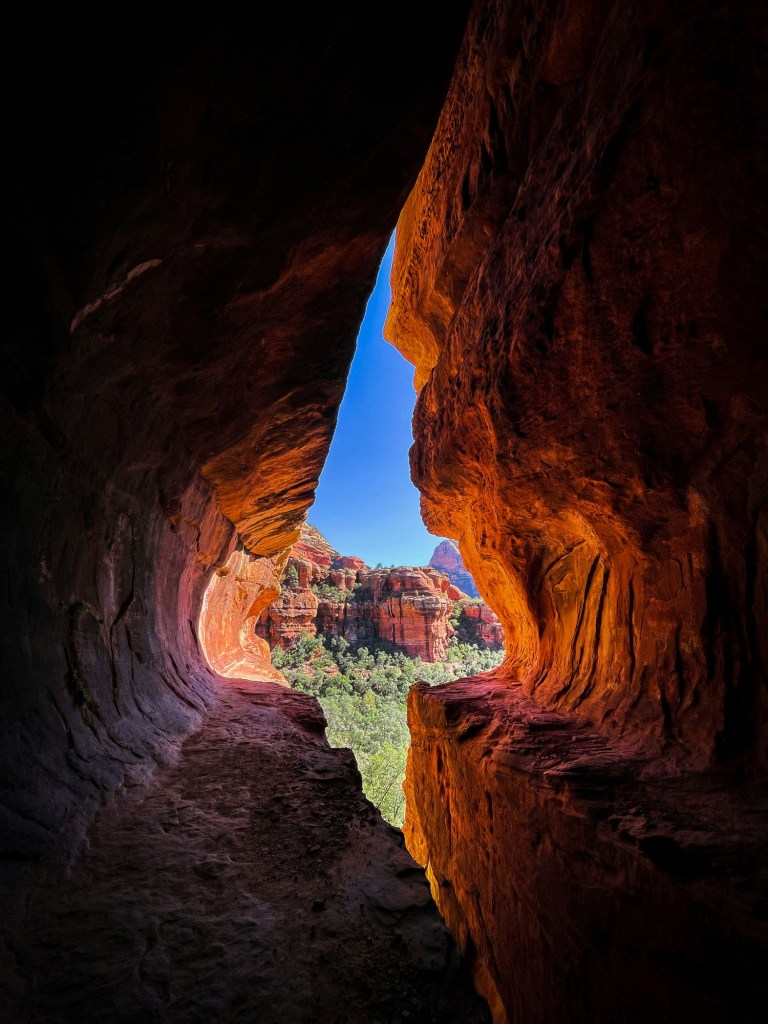
The valley hums with a presence that feels almost tangible. Warm desert air carries the fragrance of juniper and sage, while silence settles in a way that amplifies every sound: the whisper of wind, the flutter of wings, the crunch of stone underfoot. The red rocks seem less like ancient geology and more like sentient guardians of the land.
Legends speak of energy vortexes hidden in the cliffs, places where earth and spirit converge. Whether one believes or not, there is no denying the sensation of vitality here. The sunlight sharpens edges, deepens shadows, and sets the cliffs aglow as if embers smolder inside them. As evening approaches, the stone blushes with shades of rose and violet, a shifting spectrum that seems to pulse with life.
A Town Woven Into Stone
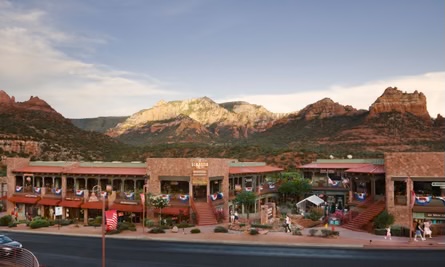
At the heart of this landscape lies Sedona itself, a town shaped by its surroundings. Low adobe walls, sun-washed facades, and winding streets echo the rhythm of the desert. Art seems to bloom from every corner—galleries filled with landscapes painted in fire and clay, jewelry set with turquoise stones, and pottery glazed in the very hues of the earth around it. Creativity feels inseparable from the terrain, as though the cliffs themselves lend their colors to human hands.
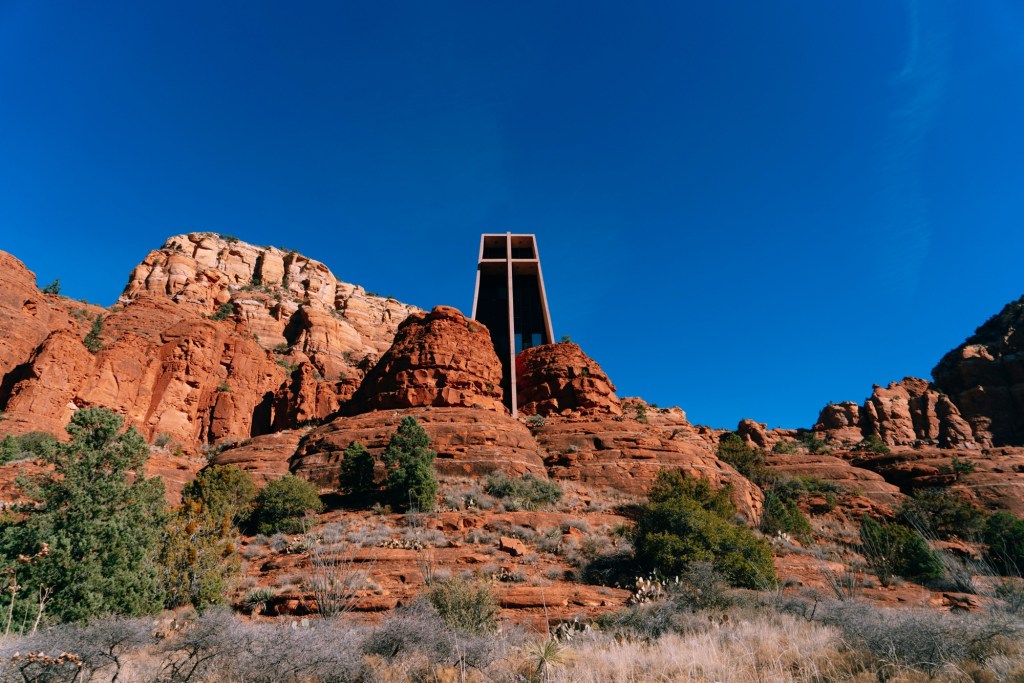
Overlooking the valley, the Chapel of the Holy Cross clings to the rock face. Its glass windows stretch toward the horizon, framing an expanse of mountains and mesas. Inside, silence reigns. The view from its threshold is a sermon spoken without words, a reminder that the divine can be carved into stone and sky.
Dawn Over the Desert

When the first light of morning spills across the cliffs, the transformation is extraordinary. The chill of night lingers, the desert birds stir, and the rocks soften to pastel shades before igniting into flame. At this hour, the valley belongs only to stillness. Trails lie empty, shadows linger in the canyons, and the hush of dawn magnifies the majesty of the land.
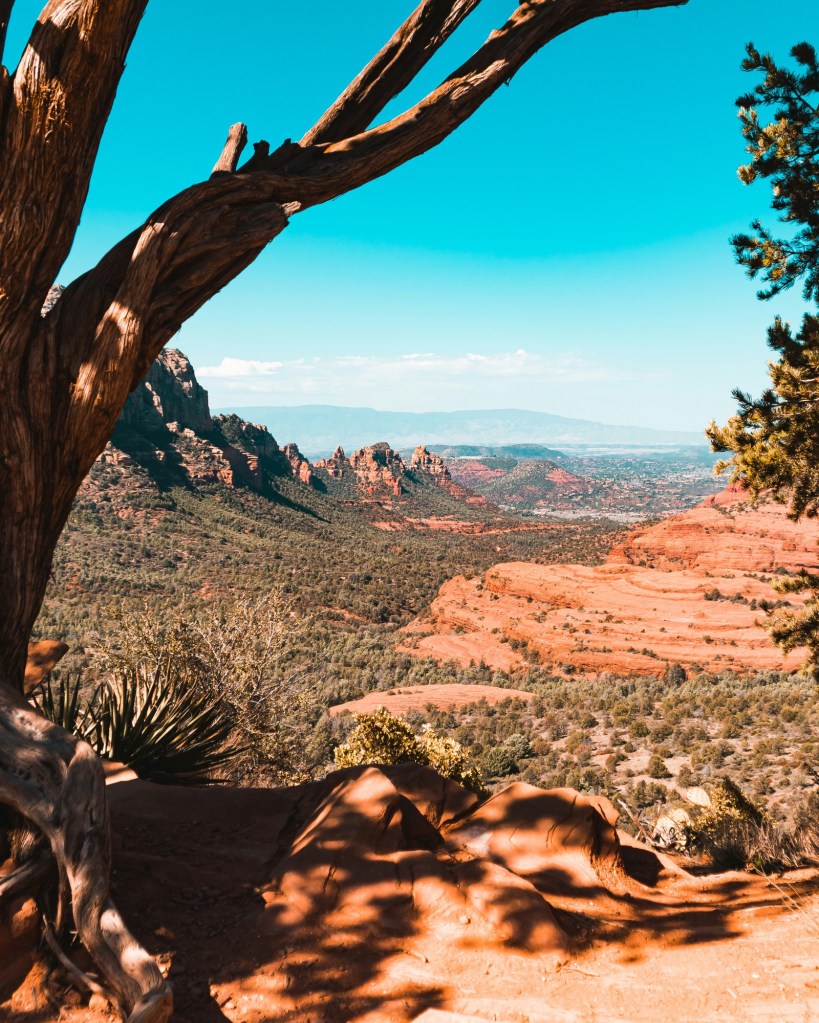
As the sun rises, Sedona reveals itself as a living artwork in motion. Each ridge and butte shifts color with the light, turning terracotta, then scarlet, then gold. The spectacle feels less like observation and more like communion. Time seems irrelevant; the land insists on a slower rhythm.
Echoes of the Ancients
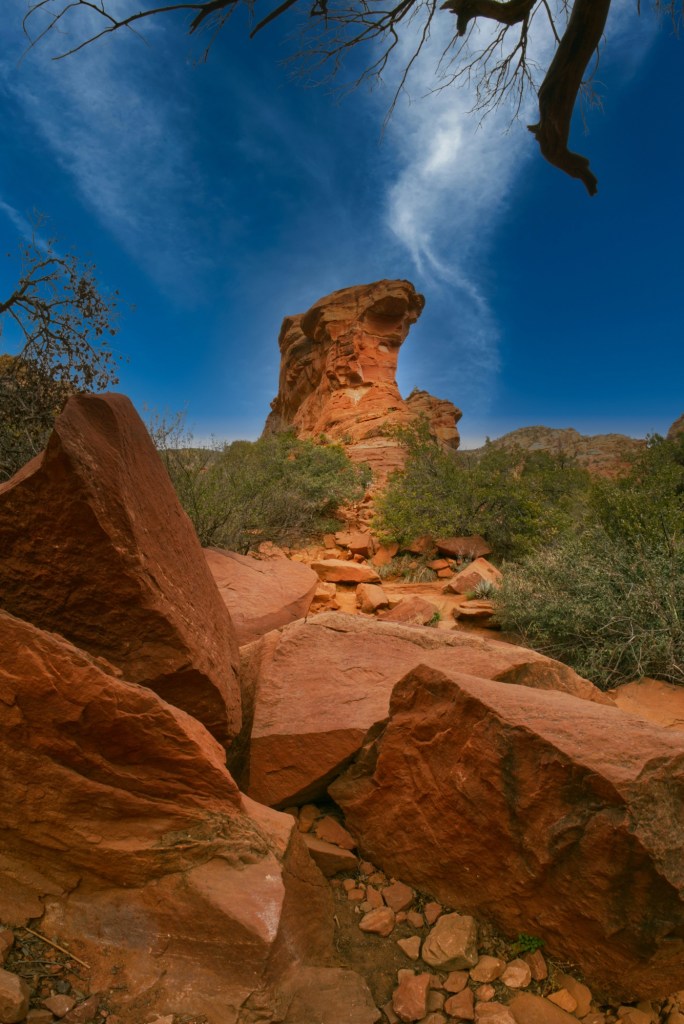
Sedona’s story is not only geological but deeply human. Long before artists and seekers arrived, Indigenous tribes called this valley home. Traces of their lives remain etched in stone: petroglyphs carved into canyon walls, silent witnesses to hunts, ceremonies, and celestial cycles. These markings, weathered but enduring, remind visitors that Sedona has always been a place of reverence.
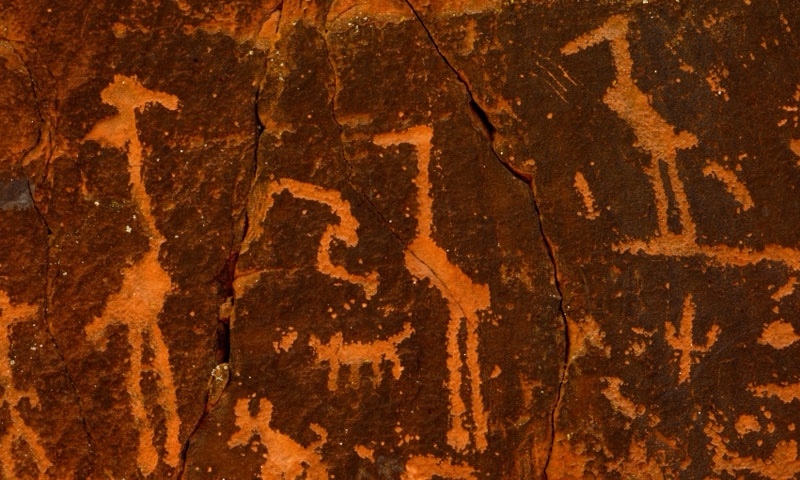
The people who walked here centuries ago must have looked upon the same cliffs with awe, feeling the same thrum of energy in the earth. To stand before their carvings is to sense a continuity of wonder, as though the land itself preserves memory.
The Dance of Light and Shadow
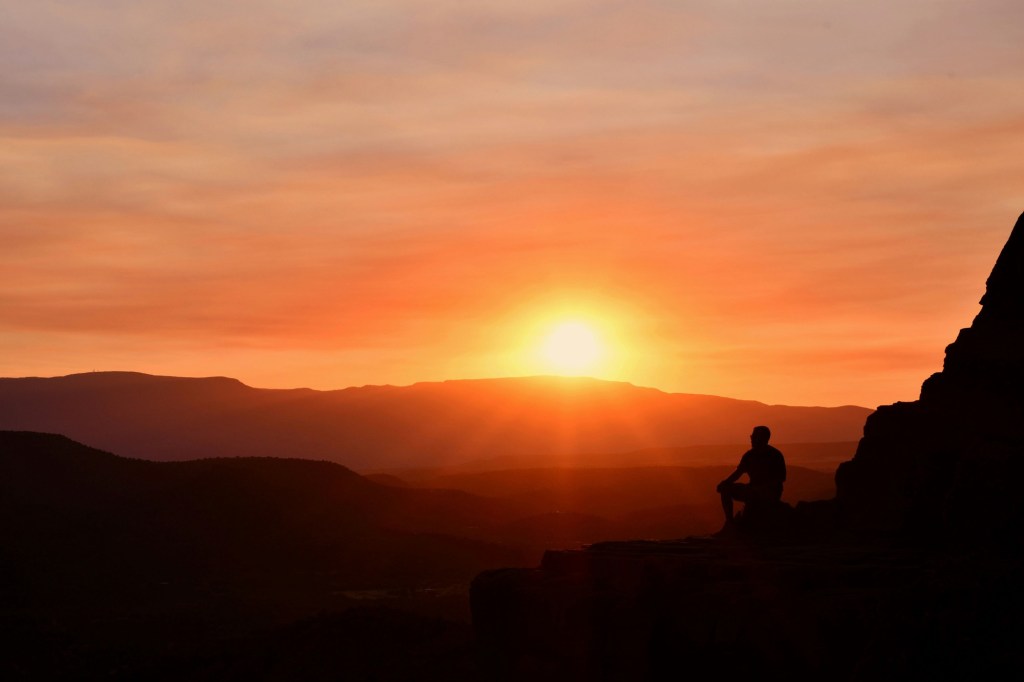
Throughout the day, Sedona stages a performance of light. Midday brings a fierce brightness that makes the rocks burn as if lit from within. Heat shimmers on the valley floor, cicadas pulse their steady rhythm, and the air vibrates with intensity. But it is the evenings that carve themselves into memory.
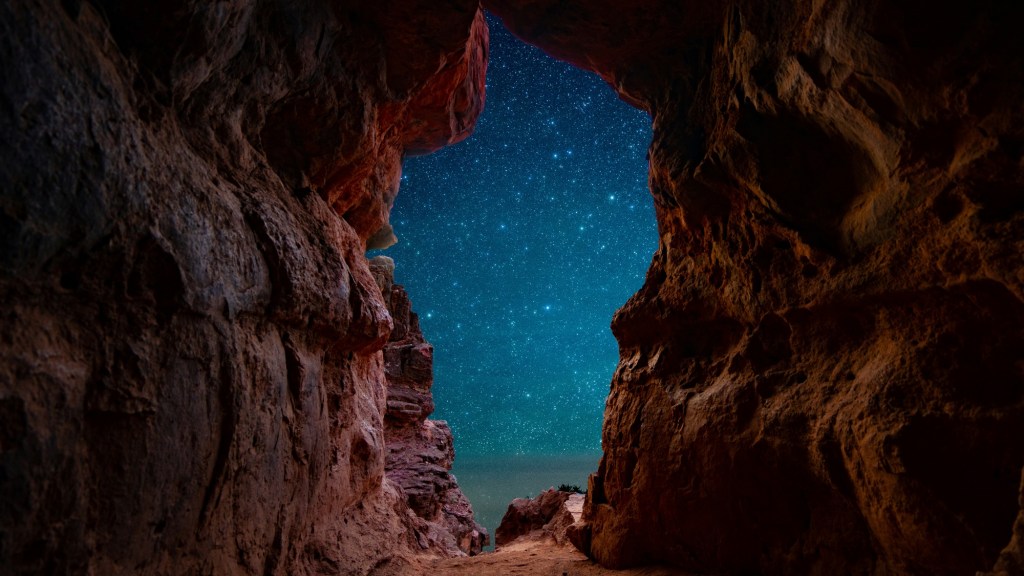
As twilight falls, the cliffs ignite with their final blaze—reds deepen to wine, oranges dissolve into violet, and the valley becomes a theater of shadows. The desert exhales, the air cools, and silence stretches across the land. When darkness finally takes hold, the sky explodes with stars. The Milky Way sweeps in a radiant arc overhead, and the cliffs stand in silhouette, as ancient and unchanging as the constellations above them.
The Stillness That Seduces
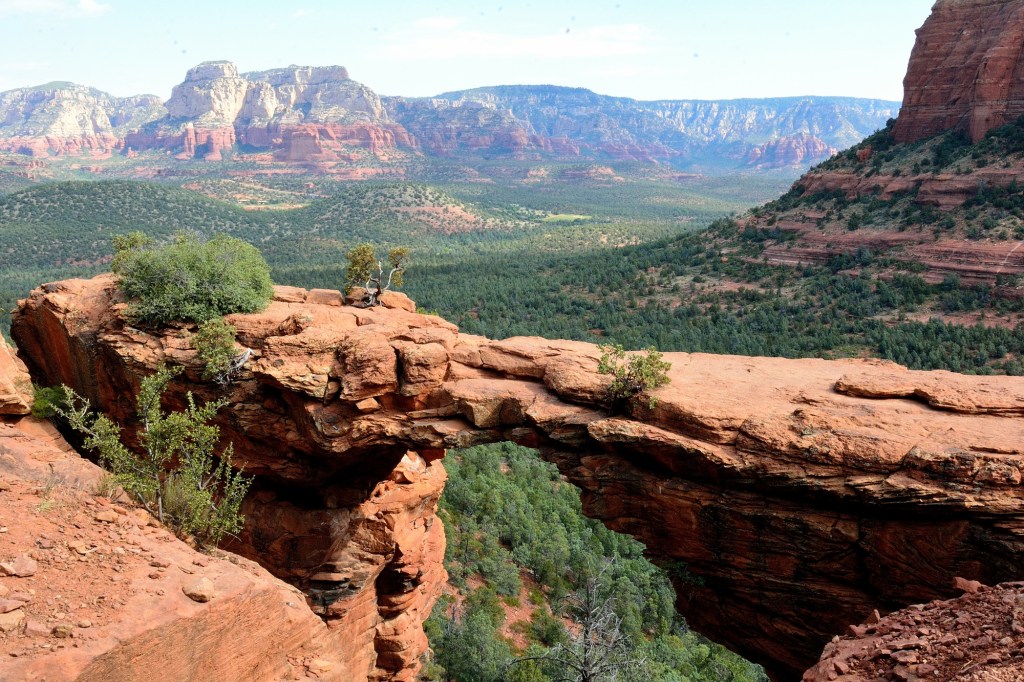
What lingers in Sedona is not only beauty but stillness. The valley offers a rare kind of silence, the kind that invites reflection rather than demands it. Hours can pass unnoticed while sitting on a flat rock above the valley floor, watching shadows lengthen and colors shift. In this stillness, the weight of everyday life loosens its grip.
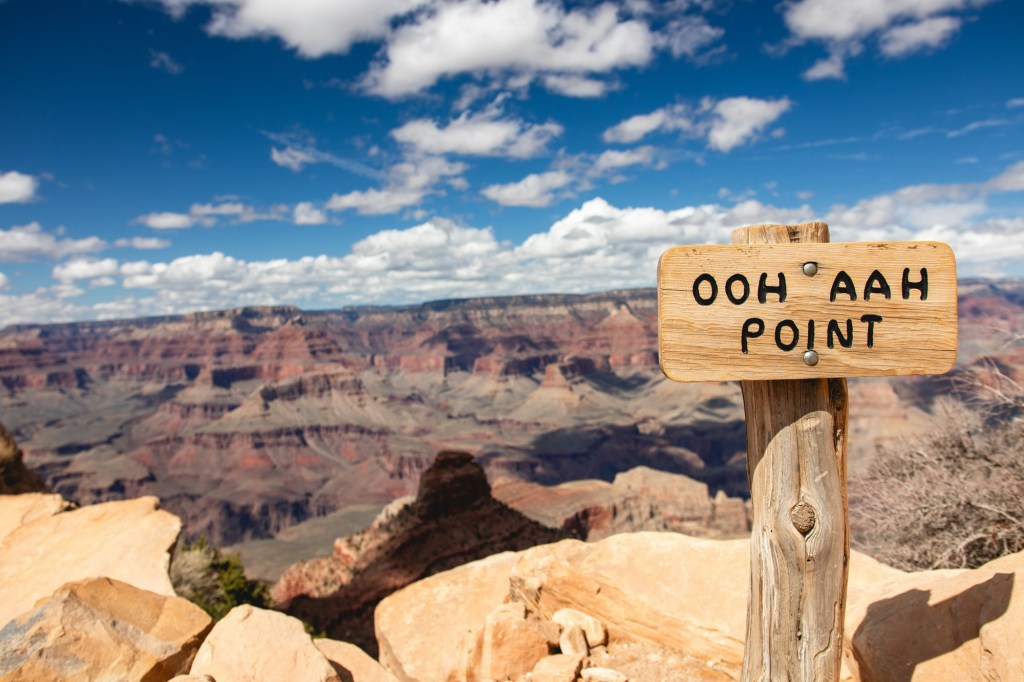
Many who visit speak of transformation. Some call it spiritual, others emotional, but whatever the language, the experience is universal. Sedona does not merely show itself; it reshapes perception. It teaches that stillness can be profound, that silence can speak, that the earth itself can be a sanctuary.
A Place That Stays With You

Though departure is inevitable, Sedona resists being left behind. The road leading out winds through diminishing cliffs, and soon the red spires fade into memory. Yet memory is not where they remain. The valley travels with every visitor, tucked away like a quiet ember.
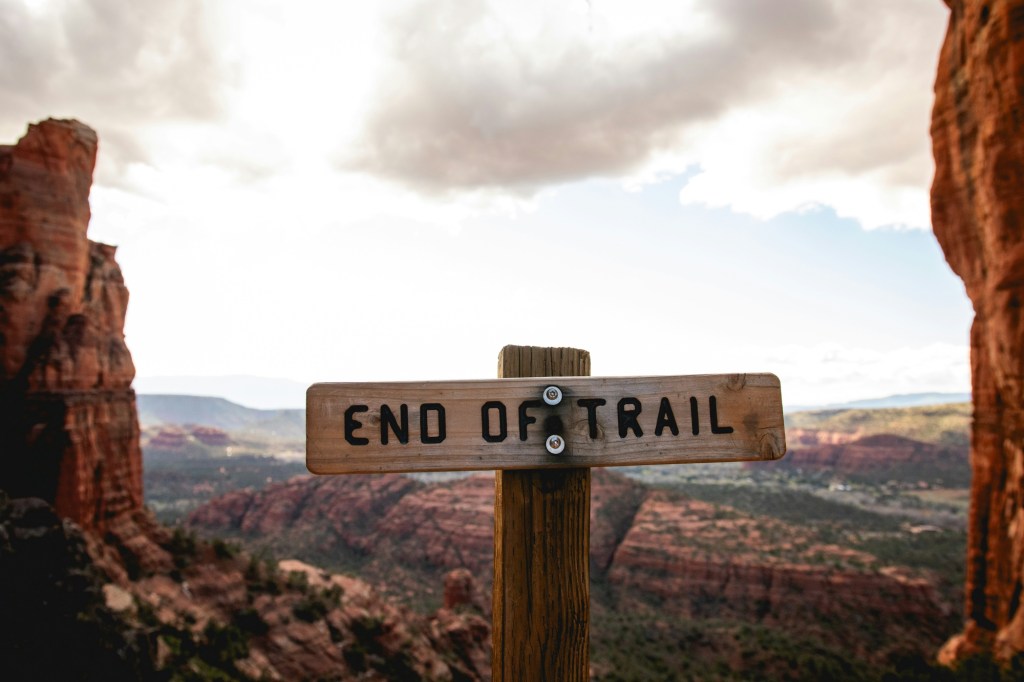
Long afterward, the vision of dawn over the cliffs, the hush of a canyon, and the desert air scented with sage return unbidden. Sedona does not let itself be forgotten. It endures as reminder, as presence, as proof that there are landscapes so powerful they alter the way the world is seen
 Bucket List World Travel
Leave a comment