
Tokyo is a city that doesn’t just do things well — it elevates everything. From sushi and ramen to fashion, design, and even pizza, Japan takes the ordinary and makes it extraordinary. You’ll find beauty in the smallest details: the perfect latte art in a backstreet café, the elegance of a hotel lobby, even the humble 7/11 convenience store stocked with surprisingly gourmet snacks. Tokyo runs on precision, hospitality, and creativity — and that’s what makes it unlike anywhere else in the world.
While the world paused, Tokyo quietly kept innovating. New luxury hotels, restaurants, and cultural spaces blossomed, adding fresh layers to a city already overflowing with energy and tradition. Today, it feels like stepping into the future while still being rooted in centuries of culture. It’s a place where you can wander serene gardens one moment, then lose yourself in neon-lit streets the next.
This guide will take you through some of Tokyo’s most fascinating neighborhoods — each with its own personality, flavors, and rhythm.
Essential Things to Know Before You Go
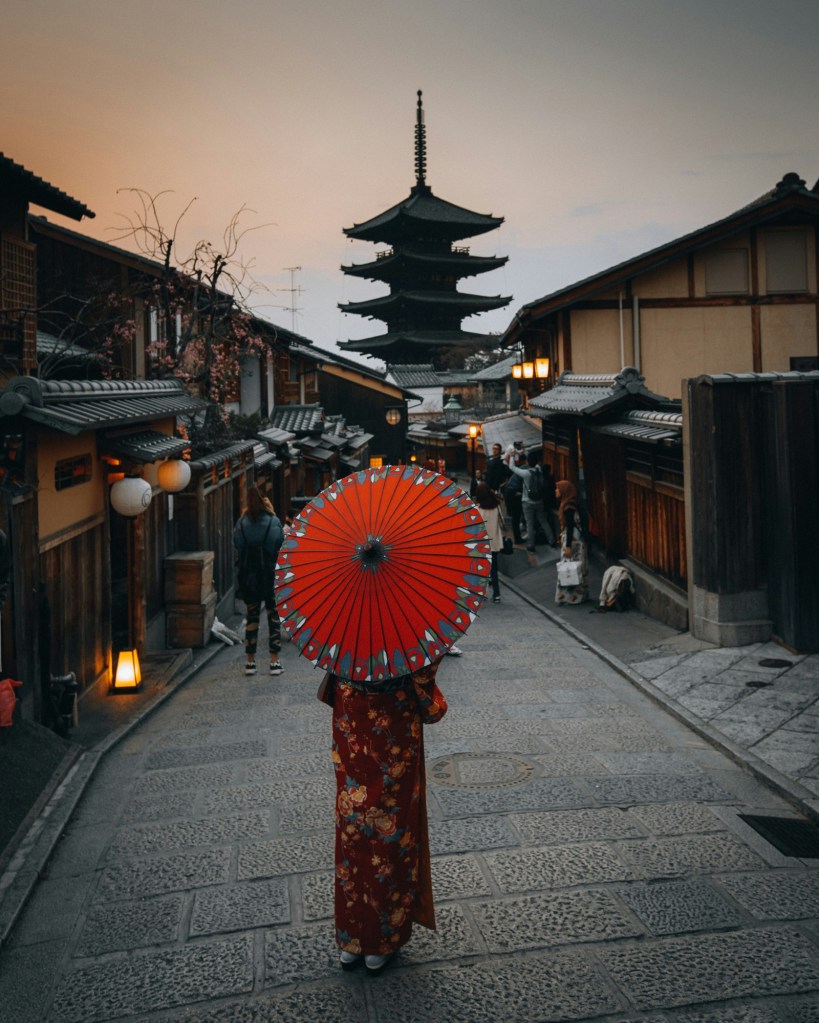
Currency: ¥ Japanese yen (JPY)
Language: Japanese
Airports: Haneda (HND) and Narita (NRT)
Getting around: Tokyo’s public transportation is world-class — clean, efficient, and easy to navigate. JR East trains, Tokyo Metro, and Toei lines make taxis almost unnecessary.
Best time to visit: Late March–early April for cherry blossoms (expect crowds) or September–November for crisp autumn days (though typhoon season means the occasional downpour).
How long to stay: 5–7 days for a deep dive into Tokyo, or 3 days if it’s one stop on a larger Japan trip.
Key dishes to try: Sushi and sashimi, yakitori, ramen, tempura, tonkatsu, and shabu-shabu.
Useful phrases: Konnichiwa (hello), Arigatou gozaimasu (thank you), Sumimasen (excuse me), Kudasai (please).
What to wear: Light layers, stylish sneakers, and one statement piece — fashion is part of the culture here.
Shibuya & Shinjuku: Neon Nights and Nonstop Energy
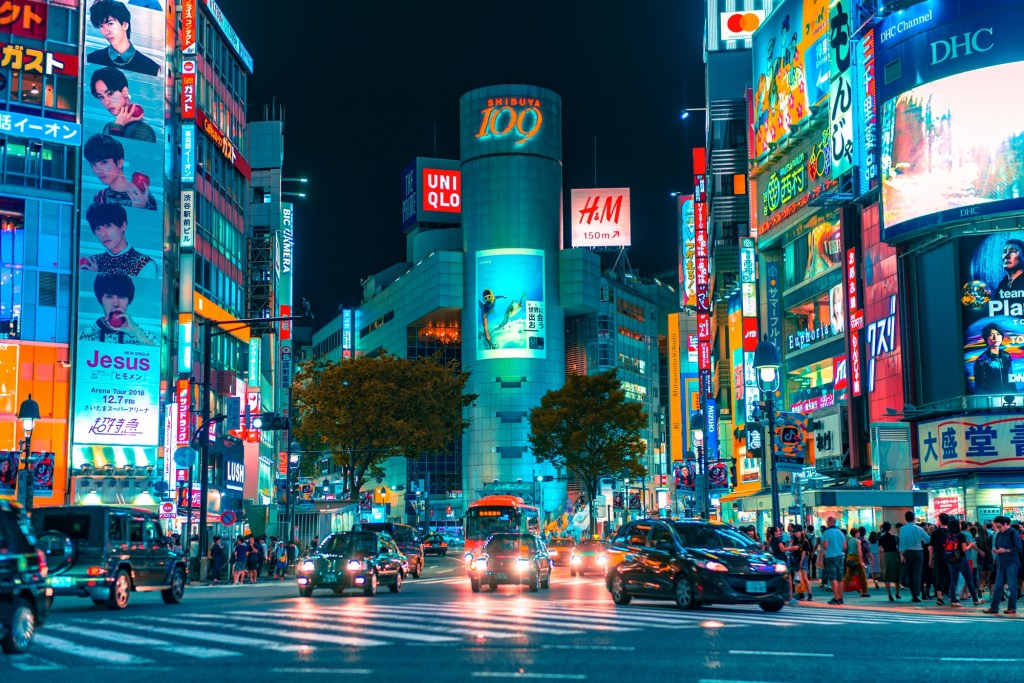
If you want to experience Tokyo at full volume, start with Shibuya and Shinjuku. Shibuya’s Scramble Crossing — one of the busiest intersections in the world — is a photo-worthy rite of passage. Beyond the chaos, Shibuya is a hub of youth culture, with vintage record shops, indie theaters, and plenty of ramen counters and izakayas tucked down narrow streets.
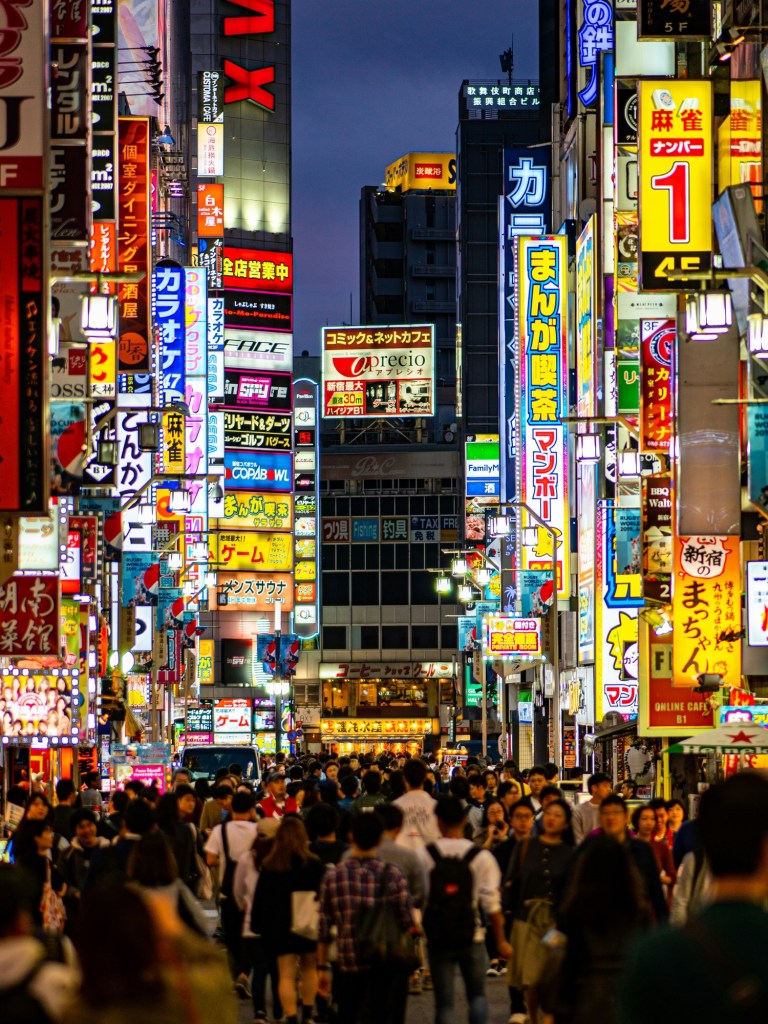
Shinjuku is equally electrifying, its skyscrapers glowing neon at night. It’s home to cozy pubs in Kabukicho, hidden cocktail bars, and some of the city’s best late-night dining. By day, you can stroll Shinjuku Gyoen National Garden, where sprawling lawns and peaceful ponds contrast with the city’s buzz.
Where to stay: The Park Hyatt Tokyo is legendary for its skyline views and jazz bar, while Kimpton Shinjuku brings modern design and youthful flair. For boutique charm, Trunk Hotel Yoyogi Park offers a wellness vibe in the heart of it all.
Shimokitazawa: Vintage Finds and Bohemian Cafés
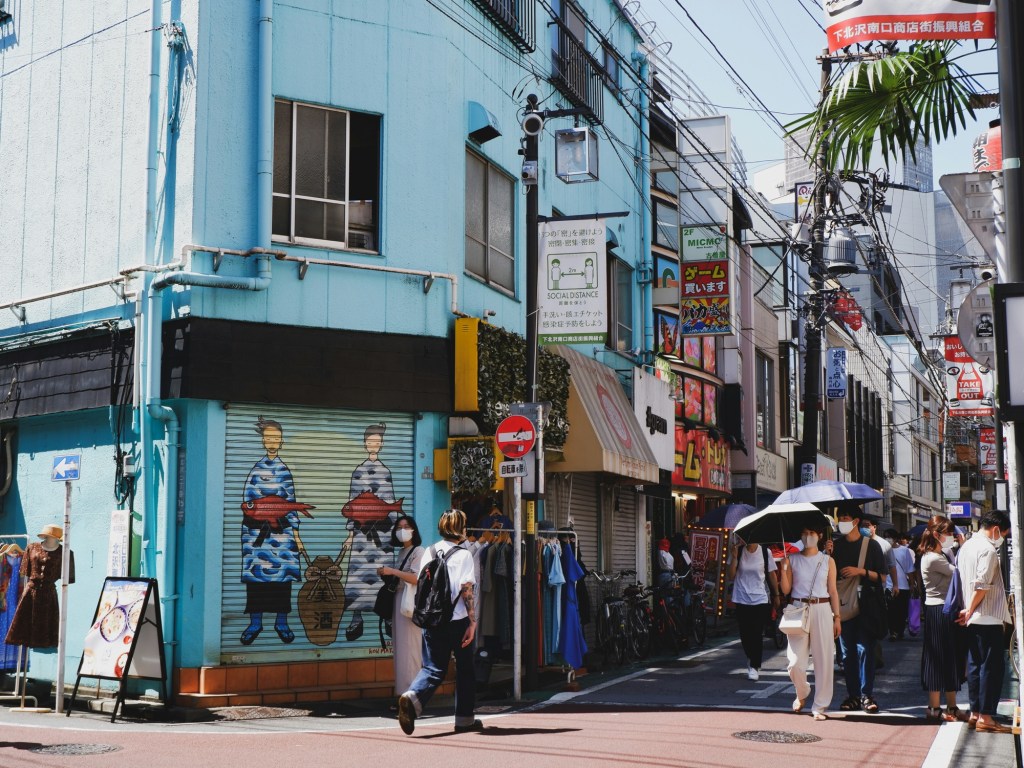
Shimokitazawa, affectionately known as “Shimokita,” is where Tokyo slows down and gets creative. This laid-back neighborhood is a playground of thrift stores, live music venues, and hip cafés.
Spend an afternoon treasure hunting at New York Joe Exchange, a vintage shop in a former public bathhouse, or flipping through rare records at Pianola. Then settle in at Gallery Hana to discover Tokyo’s next wave of artists.
Food here is quirky and memorable. Don’t miss Curry Spice Gelateria KALPASI, which pairs flavorful curries with inventive gelato (think masala chai or cumin chocolate). For something heartier, Andon’s rice bowls and porridge bring comfort food to a new level.
Ginza: Tokyo’s Elegant Side
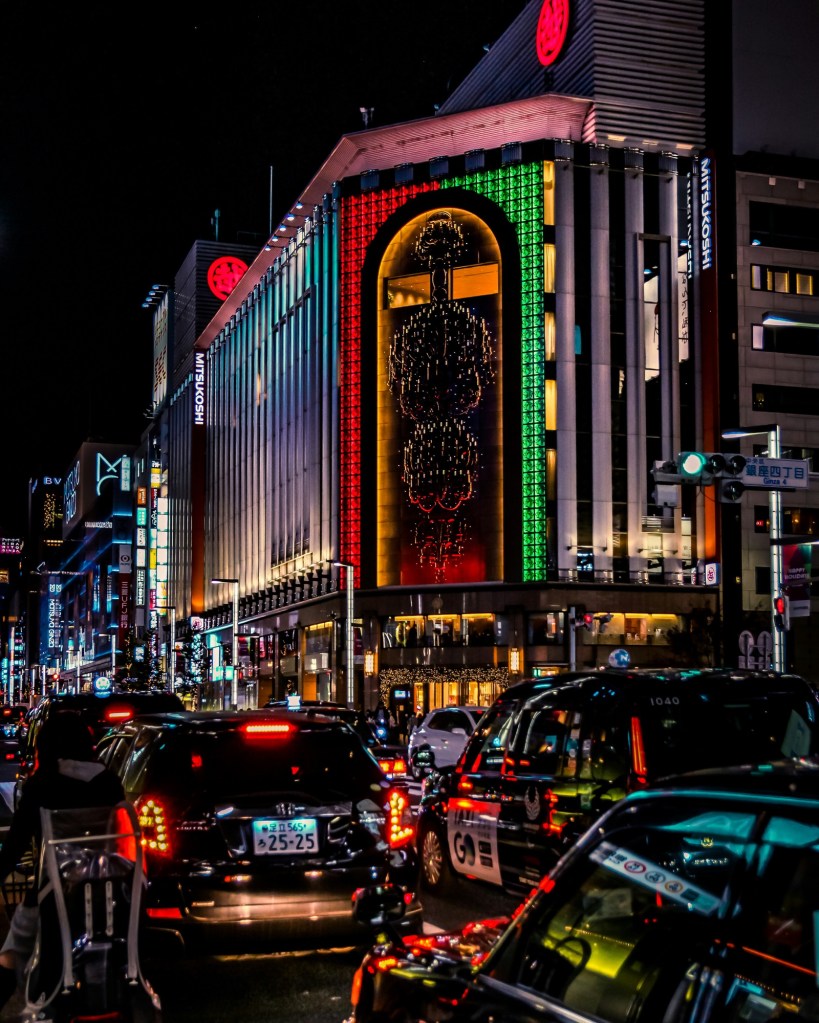
If Shibuya is all energy, Ginza is all elegance. Wide boulevards are lined with luxury flagships, high-end department stores, and refined dining. This is where Tokyo feels at its most glamorous.
Catch a traditional Kabuki performance at Kabukiza Theatre, or slip into the Shiseido Gallery for contemporary art. Then let your taste buds take center stage — from sushi perfection at Hakkoku to Japanese sweets and tea at the serene Higashiya Ginza. After dinner, a nightcap at the iconic Star Bar is the perfect ending.
Where to stay: Hyatt Centric Ginza blends playful design with upscale comfort right in the center of it all.
Nihonbashi: Where Old Meets New
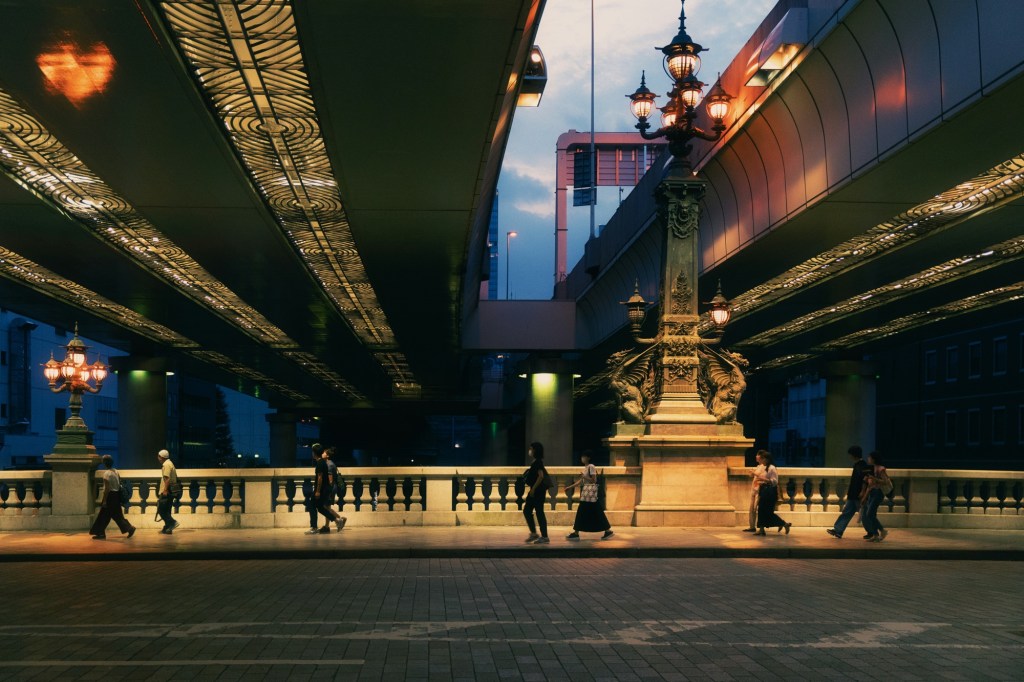
Named after its historic bridge, Nihonbashi has long been the gateway to Japan. Today it blends centuries-old traditions with sleek skyscrapers. You can shop at Mitsukoshi, the country’s oldest department store, or explore the quirky Kite Museum, filled with colorful designs.
Food here balances tradition and creativity. Try Kaisendon Tsujihan for the best seafood bowls in town or Caveman for modern Japanese dishes in a stylish, plant-filled space.
Where to stay: Mandarin Oriental Tokyo — a masterpiece of sleek sophistication with one of the city’s best spas.
Minato & Roppongi: Art, Architecture, and Nightlife
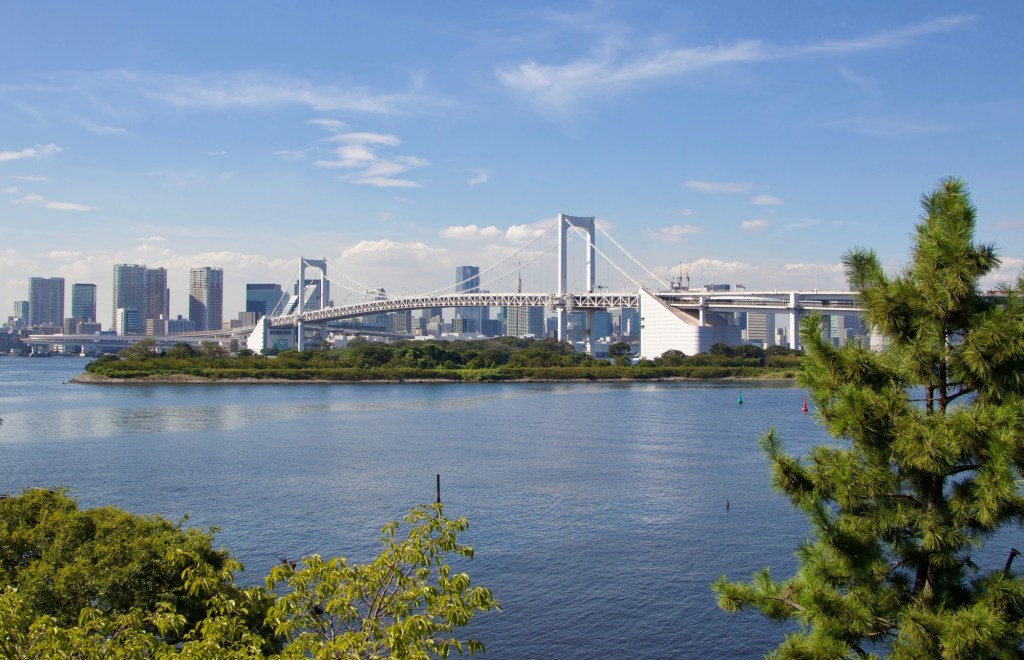
Tokyo Tower rises from Minato like a Japanese echo of Paris’s Eiffel Tower, but this district is far more than its landmark. Roppongi, within Minato, is one of the city’s top nightlife hubs and home to world-class art museums.
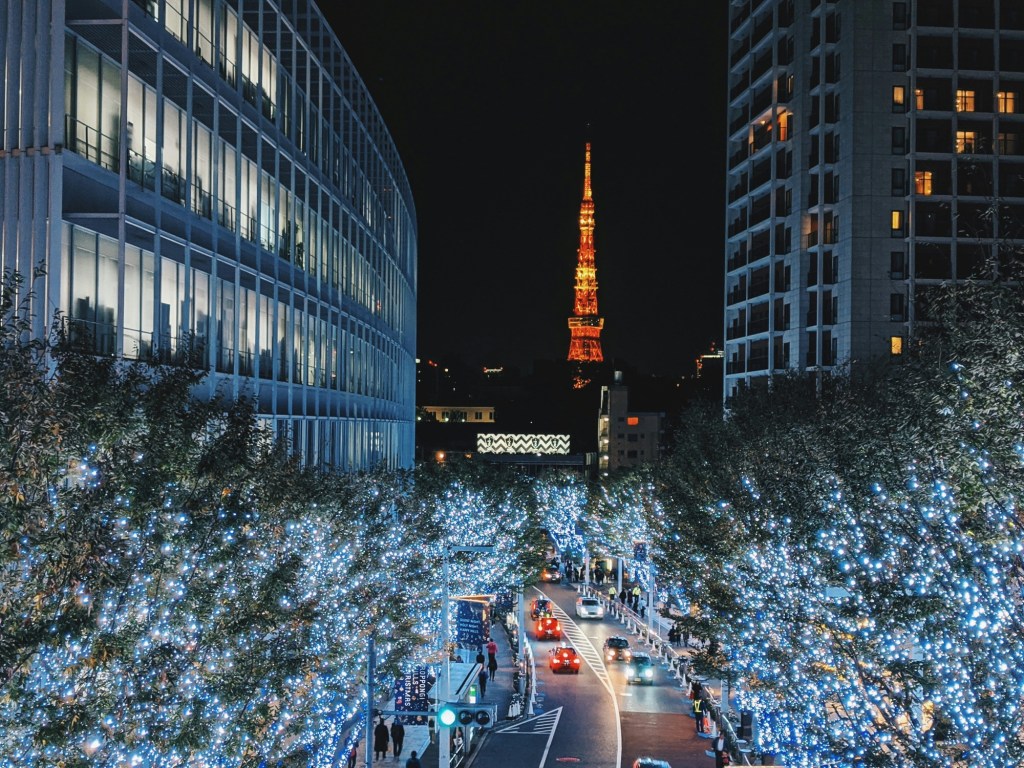
Spend a day at the Mori Art Museum, National Art Center, and Suntory Museum, then slip into Roppongi Hills or Tokyo Midtown for designer shopping and fine dining.
For food, don’t miss Butagumi, where tonkatsu (crispy breaded pork) reaches legendary status, or Savoy Azabu-juban, a tiny spot serving some of the city’s best wood-fired pizzas. Cocktail lovers will want to book a seat at Gen Yamamoto, where seasonal produce inspires creative drinks.
Where to stay: Choose between the stylish Conrad Tokyo, the chic Tokyo EDITION Toranomon, or the art-filled Park Hotel Tokyo.
Nakameguro: Cherry Blossoms and Cool Cafés
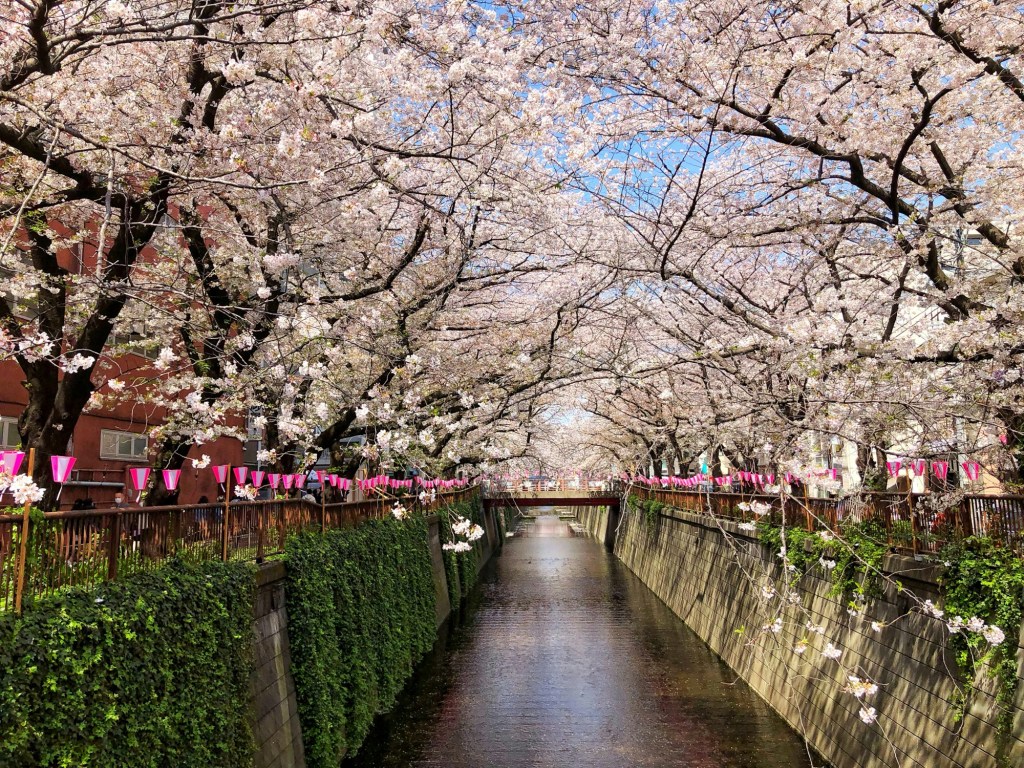
Nakameguro is one of the most photogenic neighborhoods in Tokyo, especially when the cherry blossoms bloom along the Meguro River in late March. But even outside sakura season, it’s a trendy enclave filled with boutiques, cafés, and a slower pace of life.
Browse the curated shelves at Tsutaya Bookstore, relax in the rooftop Meguro Sky Garden, and stop for a coffee at Onibus Roasters — the perfect neighborhood blend of cool and understated.
Akihabara: Anime, Arcades, and Subcultures
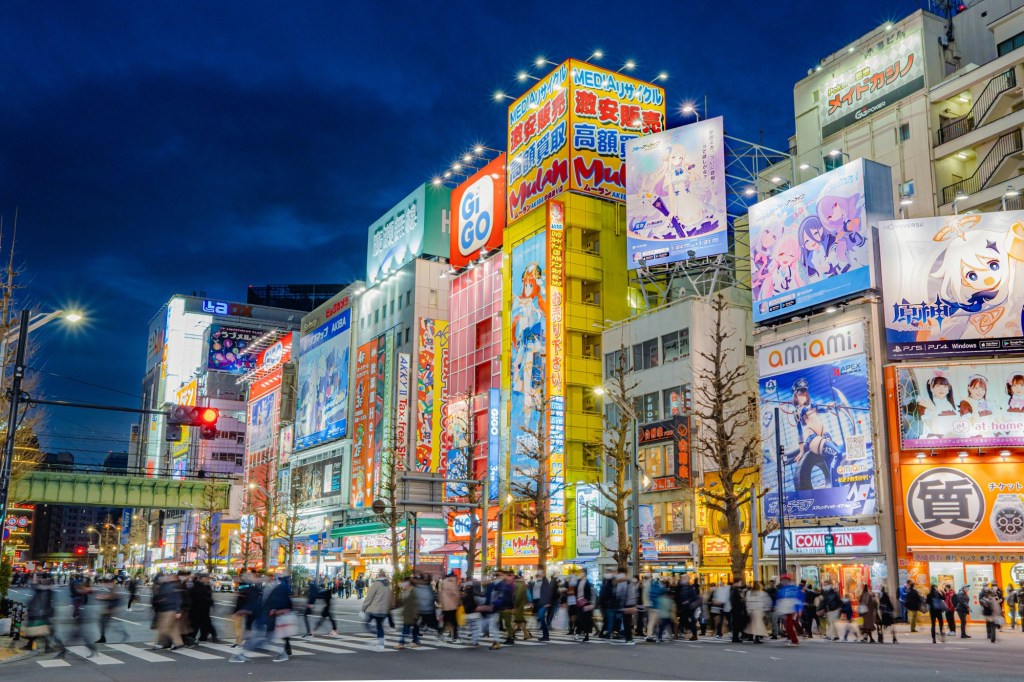
Anime lovers and pop culture fans, this one’s for you. Akihabara is loud, playful, and colorful, filled with electronics shops, themed cafés, and endless arcades. Even if anime isn’t your thing, it’s worth wandering for the sheer atmosphere.
If you have time, head to the Ghibli Museum in Mitaka. Even if you’ve never seen Spirited Away, the museum is pure magic.
Tsukiji: A Market with Soul

Though the inner fish market relocated, Tsukiji’s Outer Market still buzzes with life. Arrive early to sample sushi, seafood bowls, and countless street snacks. It’s chaotic, nostalgic, and delicious — a taste of Tokyo’s past and present colliding.
After eating your fill, visit Tsukiji Hongan-ji Temple, a Buddhist temple with architecture inspired by cultures from around the world.
Chiyoda & Otemachi: Gardens and Luxury
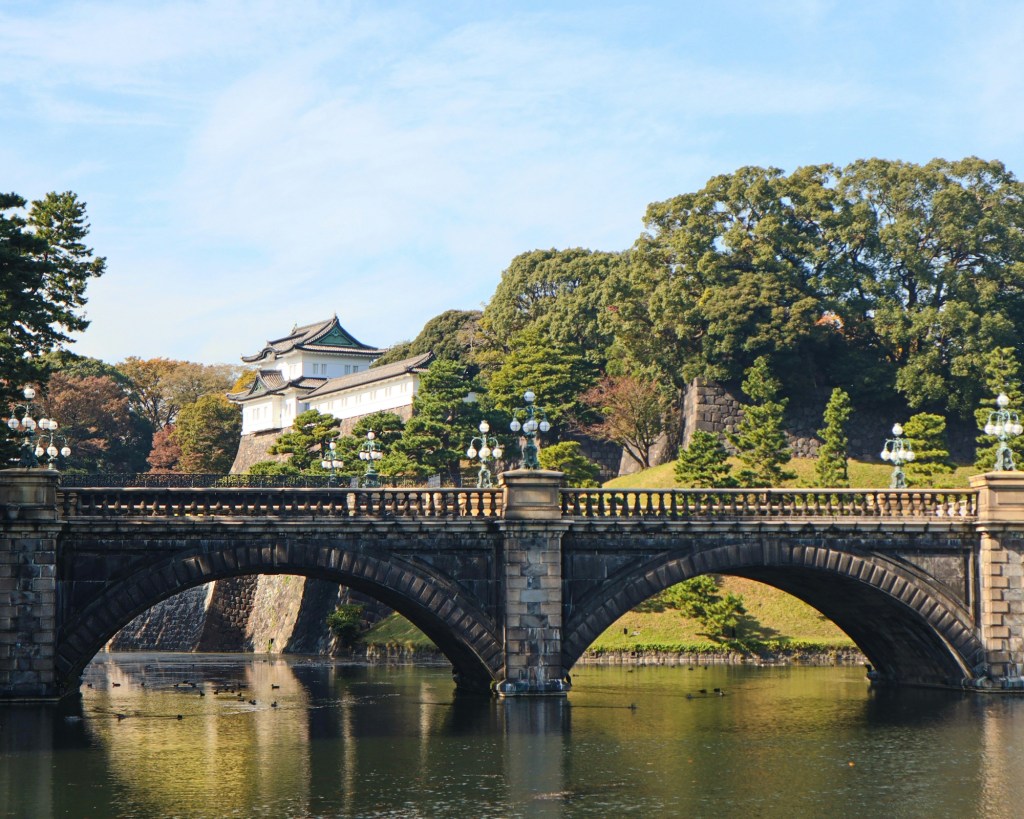
Chiyoda is Tokyo’s historic heart, home to the Imperial Palace and its surrounding gardens. Stroll along the moat, watch locals enjoy the park, or browse the Oedo Antique Market on Sundays. Otemachi, nearby, is one of Tokyo’s modern business hubs, with soaring towers and some of the city’s most luxurious hotels.
Here, food is as refined as the surroundings. Try est at the Four Seasons for French cuisine with Japanese ingredients or Sumibi Yakiniku Nakahara for tableside charcoal-grilled meats.
Where to stay: Splurge at Aman Tokyo, stay in a modern ryokan at HOSHINOYA, or enjoy unrivaled service at The Peninsula Tokyo.
Why Tokyo Captivates
Tokyo is a city of contrasts — tradition meets technology, quiet shrines sit next to skyscrapers, and simple dishes are elevated into unforgettable meals. Each neighborhood has its own rhythm, its own flavor, its own way of telling the Tokyo story.
It’s a city that stays with you long after you leave — the flavors, the energy, the meticulous details, the kindness of strangers. And it’s a place worth returning to, again and again, because no two trips will ever be the same.
 Bucket List World Travel
Leave a comment