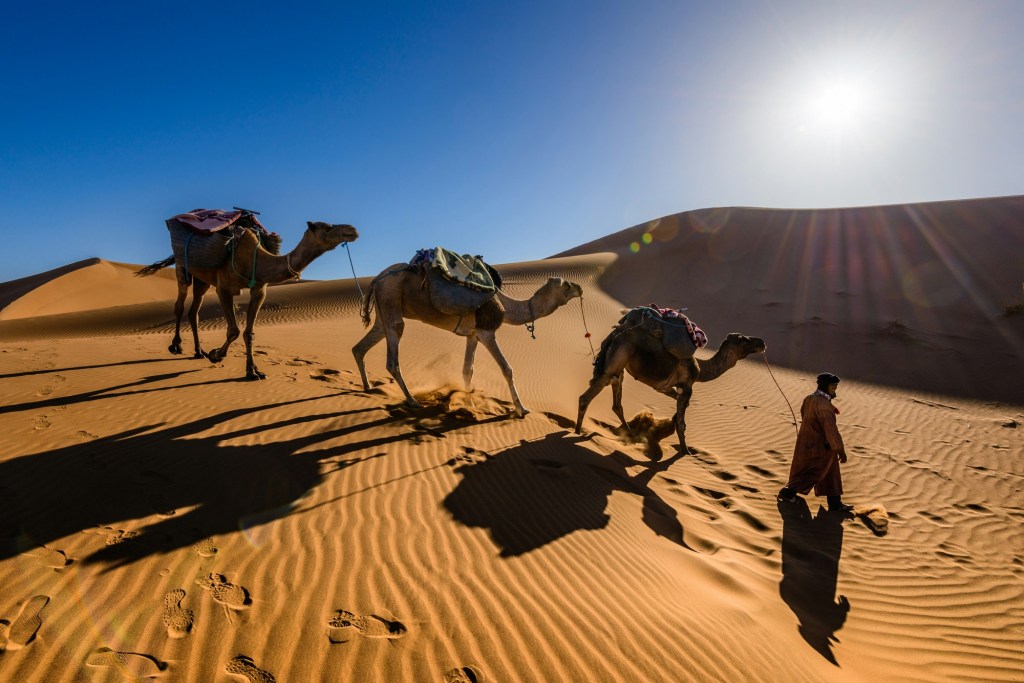
Morocco is a land that stirs the senses. From the vibrant swirl of its souks to the silence of the desert, from courtyards filled with jasmine to mountain trails lined with Amazigh villages, it’s a country that feels timeless and alive all at once. It’s where you sip mint tea while watching artisans at work, wander medinas that have stood for centuries, and end the day with a fragrant tagine under a canopy of stars.
This is not a place you simply visit — Morocco immerses you. Each city, each region tells its own story, whether it’s the spiritual pulse of Fes, the energy of Marrakech, or the breezy, bohemian calm of Essaouira. Let’s take a storybook journey through Morocco’s most enchanting corners — with a taste of where to stay, what to do, and the flavors you’ll never forget.
Before You Go: Essentials to Know
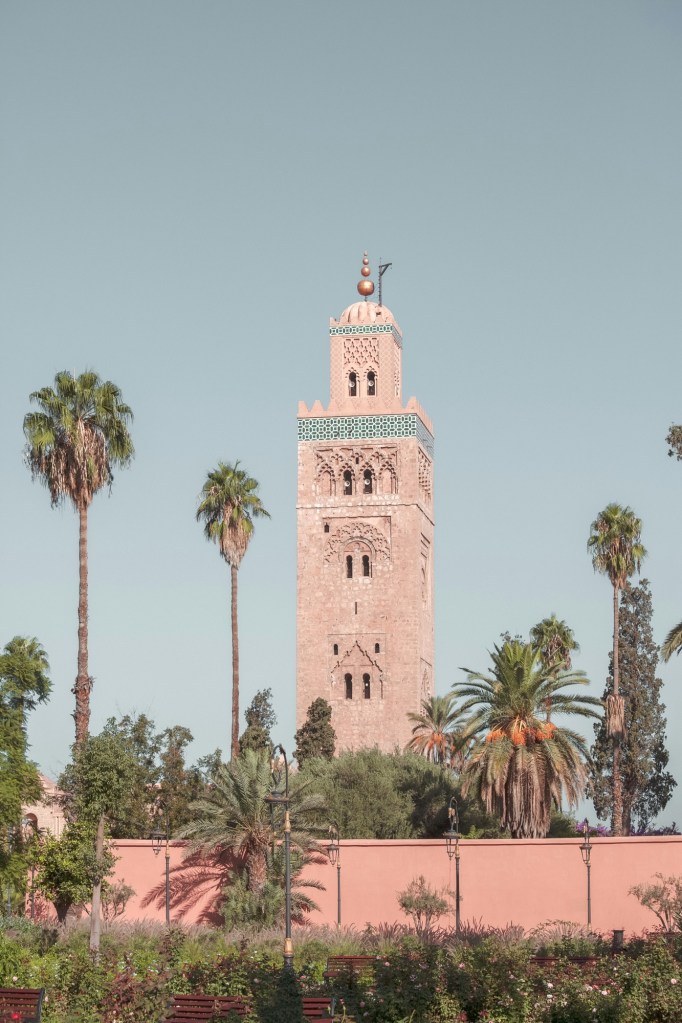
Currency: Moroccan Dirham (MAD) — roughly 10 MAD to 1 USD.
Languages: Arabic and Amazigh; French is widely spoken, with English common in hospitality.
Airports: Casablanca (CMN), Marrakesh Menara (RAK), Fès–Saïss (FEZ).
Getting Around: Private drivers or guides add rich cultural context and ease. Infrastructure is improving, with high-speed rail expanding ahead of the 2030 World Cup.
Best Time to Visit: Winters are mild with fewer crowds, autumn is crisp and colorful, and summers are hot inland but breezy on the coast. Your ideal season depends on whether you’re drawn to beaches, mountains, or desert escapes.
Ideal Stay: 3–4 days for a single city; 9–10 for a sweeping itinerary.
Flavors to Try: Tagine, chermoula, buttery m’smen flatbread, sfinj doughnuts, and kalinté (chickpea bread).
Dress Code: Flowy linen and lightweight layers; keep a shawl handy for religious sites.
Casablanca: The Gateway
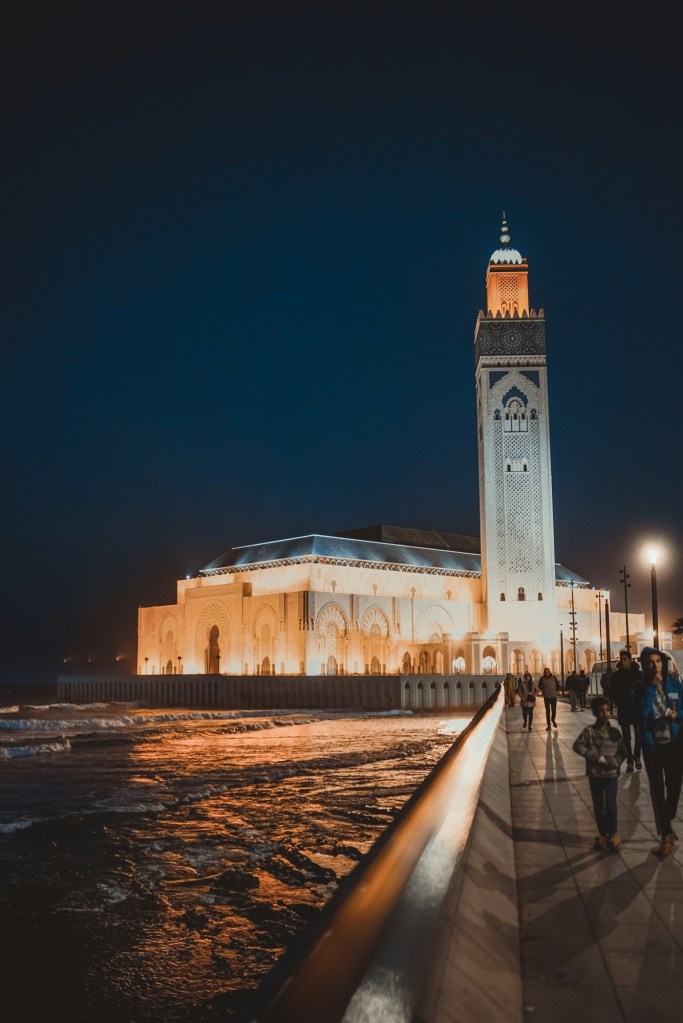
Most travelers arrive in Casablanca, Morocco’s commercial heart and crossroads of cultures. Though many move on quickly, the city is worth exploring. Here, French Art Deco façades meet traditional Moroccan craftsmanship, and the Atlantic breeze cuts through the hum of daily life.
Wander: The Hassan II Mosque, perched on the sea, is Morocco’s largest and a must-see marvel of tilework and scale. Downtown’s Art Deco streets whisper of the 1930s, while the Habous neighborhood brims with souks perfect for authentic souvenirs. Don’t miss the Marché Central for spices and produce, or the Museum of Moroccan Judaism — the only one in the Arab world.
Stay: Four Seasons Hotel Casablanca — beachfront elegance after a long flight.
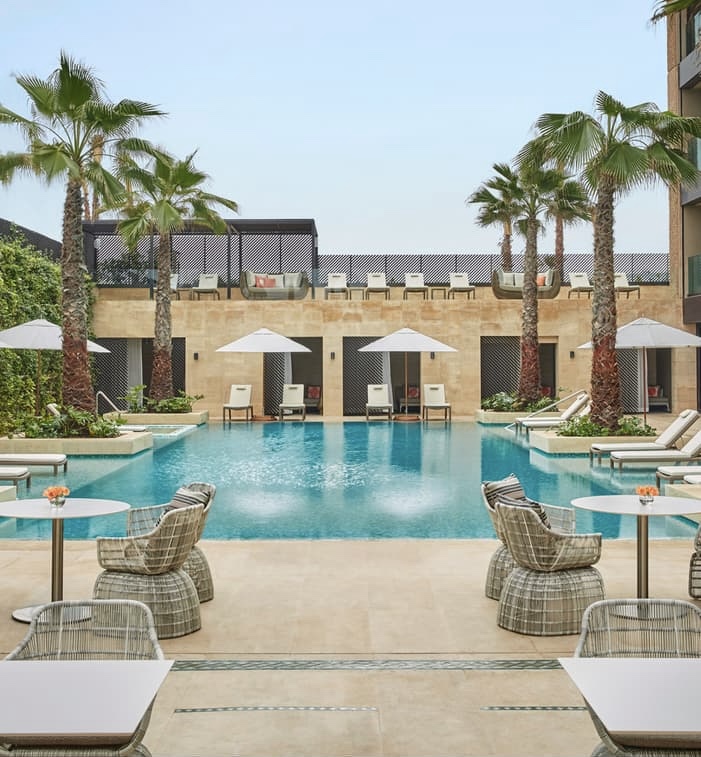
Mazagan Beach & Spa Resort — a luxury playground of pools, surf, and family-friendly fun.
Royal Mansour Casablanca — five-star Moroccan artistry in hotel form.
Taste: Savor tagines at La Sqala or Dar Dada, or enjoy nostalgia at Rick’s Café, a nod to the classic film. For something meaningful, dine at the Association Solidarité Féminine, supporting single mothers through culinary training.
Fes: Morocco’s Soul
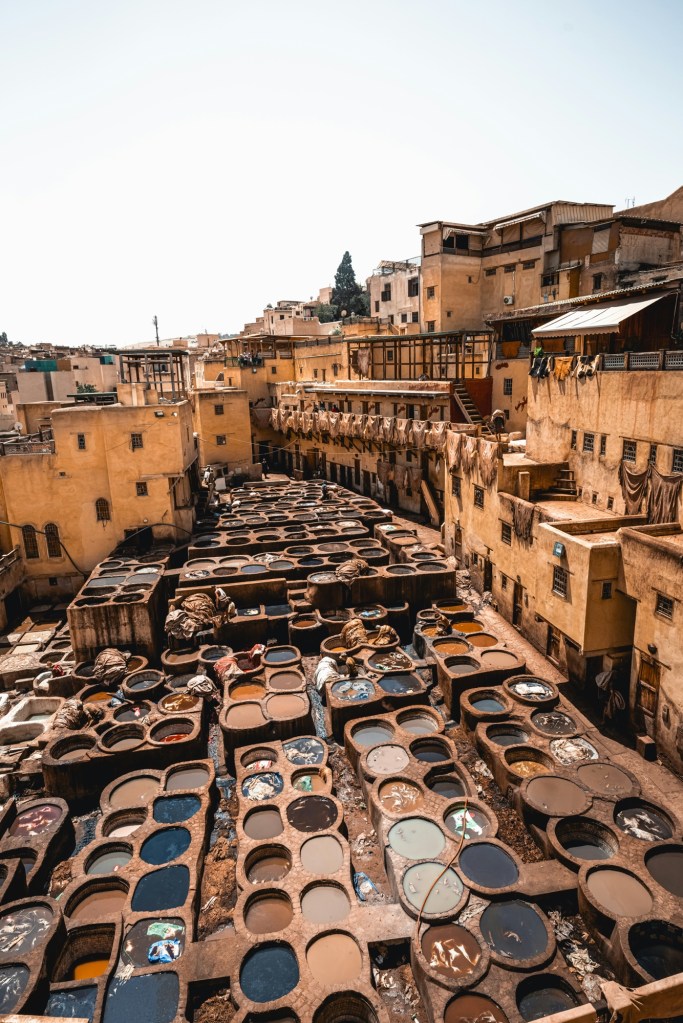
Step into Fes and you step into Morocco’s living history. This medieval city is its spiritual and cultural capital, home to one of the world’s largest car-free medinas. The energy here is intoxicating: the clang of artisans’ tools, the smell of leather from the tanneries, the swirl of spices in the air.
Wander: Visit the 11th-century Chouara Tannery, where leather has been dyed in stone vats for centuries. Explore the University of al-Qarawiyyin — founded in 859 AD, it is the world’s oldest continually operating university. For panoramic views, hike up to the Merenid Tombs.
Stay: Riad Fes — a labyrinth of ornate courtyards and unique design.
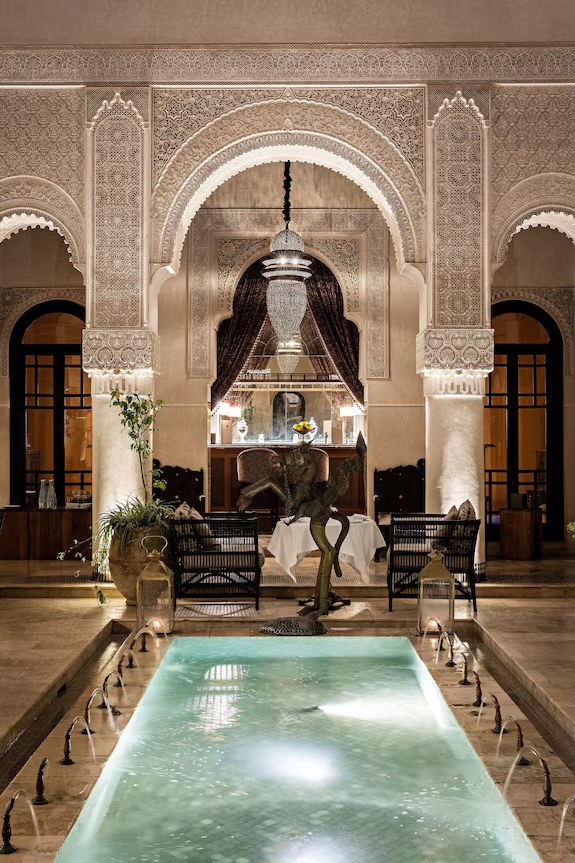
Hotel Sahrai — a modern perch with a rooftop bar and sweeping views.
Palais Amani — intimate riad living with 21 rooms full of character.
Taste: Fes shines in street food — try spiced breads and grilled meats in the souks. For fine dining, Gayza at Riad Fes elevates Moroccan classics, while the leafy Ruined Garden offers a rustic oasis. For something modern, Nur presents a refined tasting menu, while Palais Amani’s l’Amandier fuses Jewish, Arab, Moorish, and Amazigh traditions.
Marrakech: A City of Endless Energy
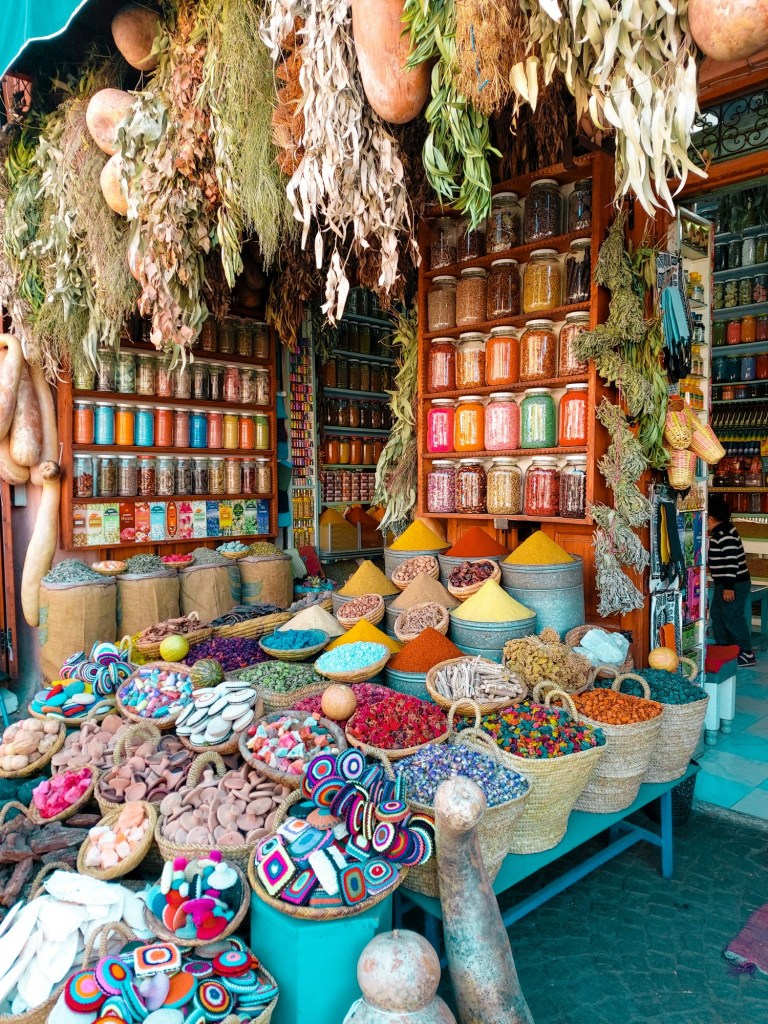
Marrakech is Morocco at its most vibrant — a labyrinth of souks, courtyards, gardens, and palaces where every turn reveals new colors and textures. This is a city of sensory overload, best balanced with a hammam visit to unwind and reset.
Wander: Lose yourself in the souks with the help of a guide, then find peace in the Jardin Majorelle, with its cobalt-blue walls and lush greenery. Visit the Yves Saint Laurent Museum next door, or the Pierre Bergé Museum of Berber Arts to learn about Amazigh traditions. As evening falls, the Djema El Fna square bursts into life with performers, fortune tellers, and food stalls.
Stay: The Oberoi Marrakech — opulence with Atlas Mountain views. Amanjena — minimalist elegance with Moroccan soul.
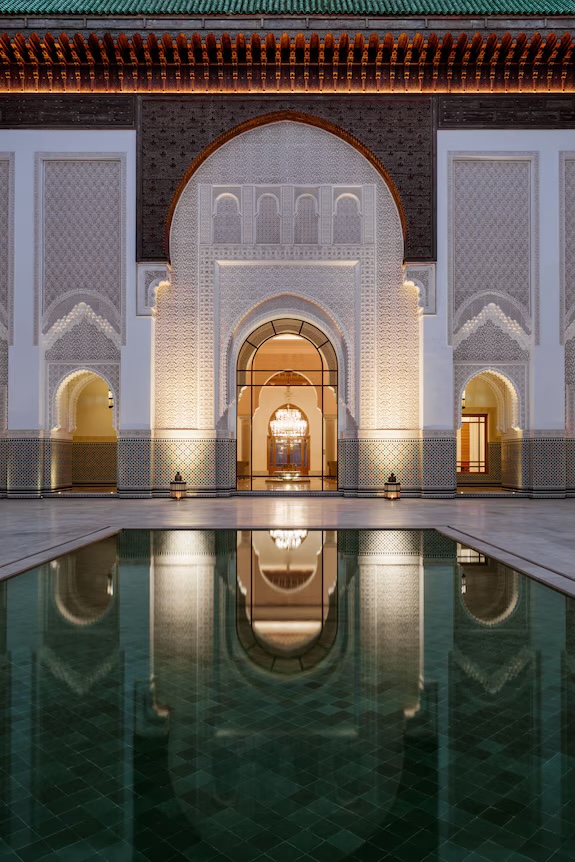
Royal Mansour — a medina-within-a-medina, blending riad privacy with hotel luxury.
La Mamounia — legendary glamour, pools, and cinematic design.
Mandarin Oriental Marrakech — contemporary elegance and serene gardens.
Taste: Dine at Le Jardin, a leafy riad serving Moroccan classics, or Nomad, which champions local ingredients in modern dishes. Rooftop spots like La Terrasse des Épices and Kabana mix fashion and flavor with skyline views. For fine dining, Dar Yacout offers candlelit grandeur, while Rivayat at The Oberoi serves Indian cuisine by a Michelin-starred chef.
The Atlas Mountains: Tranquility in the Heights
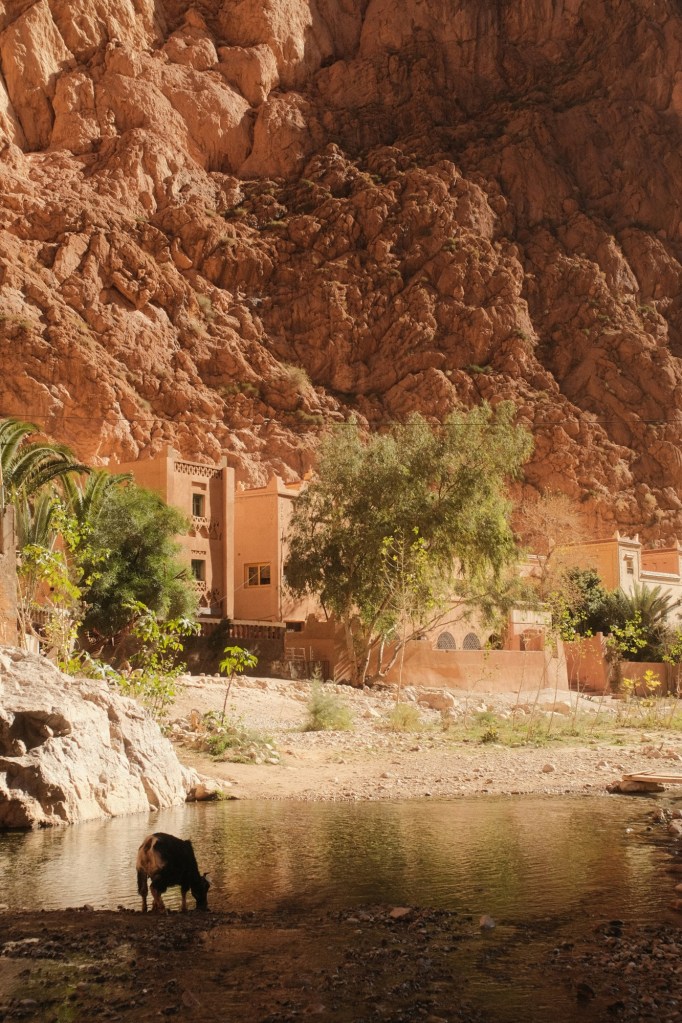
After the bustle of the cities, the Atlas Mountains feel like another world. Here, Amazigh villages dot the hillsides, trails weave through valleys, and Mount Toubkal rises as North Africa’s highest peak.
This region was heavily affected by last year’s earthquake, and while many hotels have reopened, some are still rebuilding. Visiting now helps support recovery efforts. Whether you stay overnight or take a day trip, the mountains are a chance to slow down — hike, sip Amazigh tea, and soak in the stillness.
Essaouira: Breezy and Bohemian
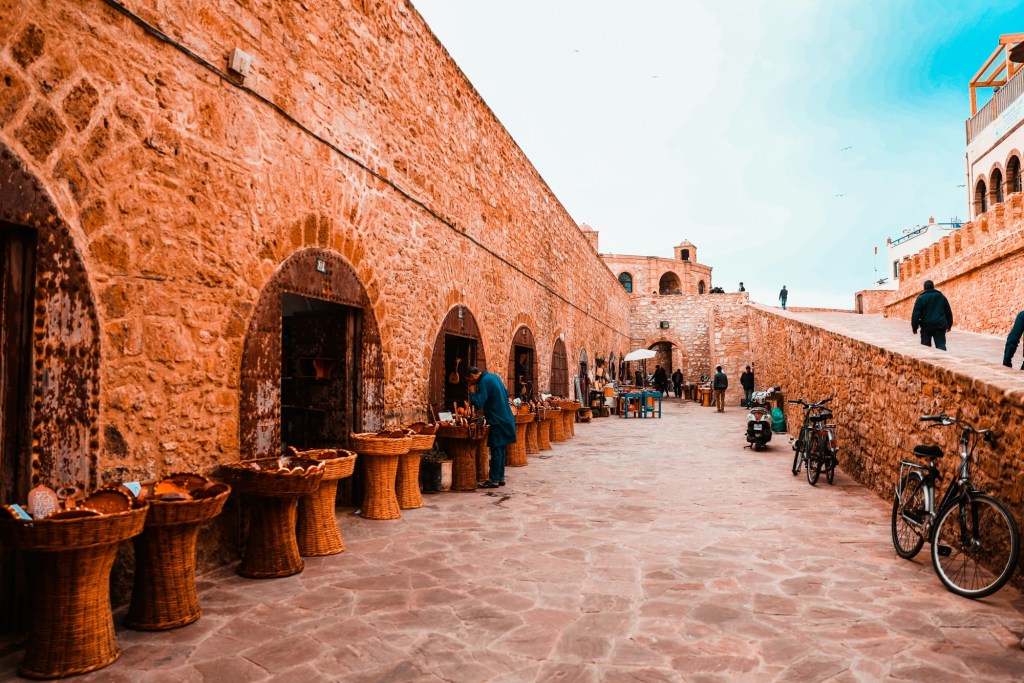
If Marrakech is energy, Essaouira is calm. This coastal city has been a crossroads since ancient times, shaped by Portuguese forts and maritime trade. Today, it’s beloved for windsurfing, art, and a laid-back vibe that makes it the perfect finale to a Moroccan journey.
Wander: Walk the ramparts, browse art galleries like Le Real Mogador and Galerie la Kasbah, and explore Bayt Dakira in the Jewish quarter, celebrating Jewish-Muslim coexistence. Shop for argan oil from women’s cooperatives or thuya wood crafts.
Stay: Heure Bleue Palais — a boutique gem with riad charm and Relais & Châteaux hospitality.

Taste: Enjoy Mediterranean fusion at Dar Baba, fresh seafood at La Table Madada, or organic wines at Domaine du Val d’Argan. Back at Heure Bleue Palais, dine at the elegant Salon Oriental or relax at the rooftop Terrace Grill.
Why Morocco Captivates
Morocco is a country that feels like many worlds in one. In Casablanca, modern energy meets history. In Fes, tradition thrives in every alleyway. Marrakech pulses with color and sound, while the Atlas Mountains offer space to breathe. Essaouira soothes with sea breezes and art.
Each city beats to its own rhythm, yet together they compose a tale as old as the desert winds. You’ll carry the warmth of spiced tagine, the call to prayer rising above the labyrinthine medinas, the shimmer of mosaics catching the last light of a Moroccan sunset.
 Bucket List World Travel
Leave a comment