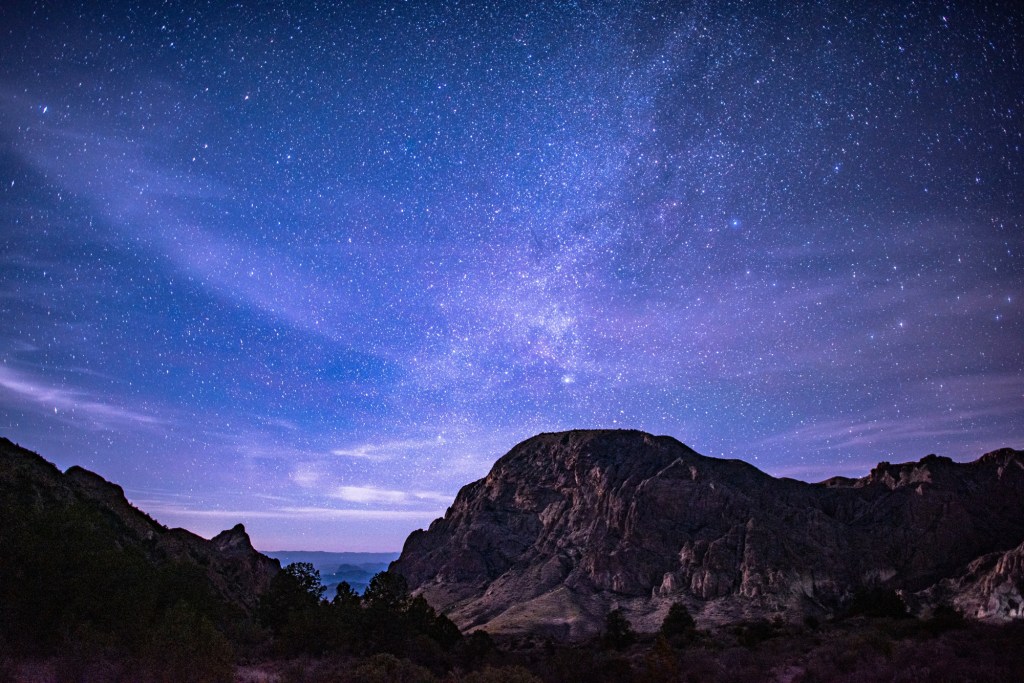
Some places make you feel small in the best possible way. Big Bend National Park, stretching across the remote southwest corner of Texas, is one of them. Here, mountains rise from desert plains, canyons echo with the whispers of the Rio Grande, and skies at night are so dark they blaze with galaxies.
It’s a place of extremes—scorching summers and crisp winters, silent desert valleys and rivers that sing, landscapes that shift from barren to lush within a single hike. Big Bend isn’t just a park; it’s an experience of scale, solitude, and wonder.
The Majesty of the Chisos Mountains
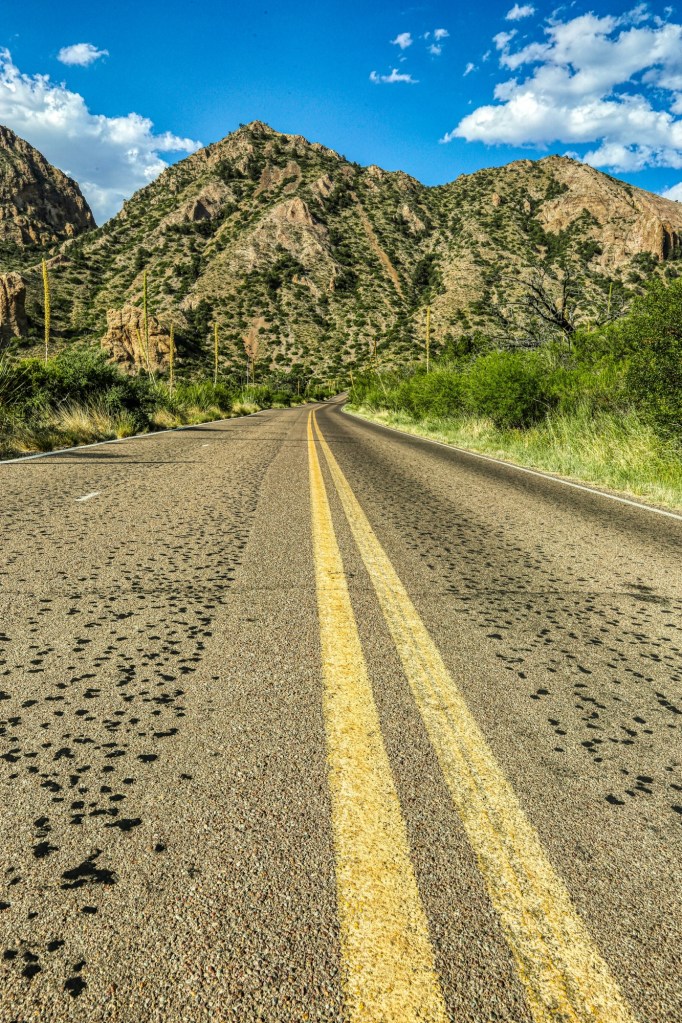
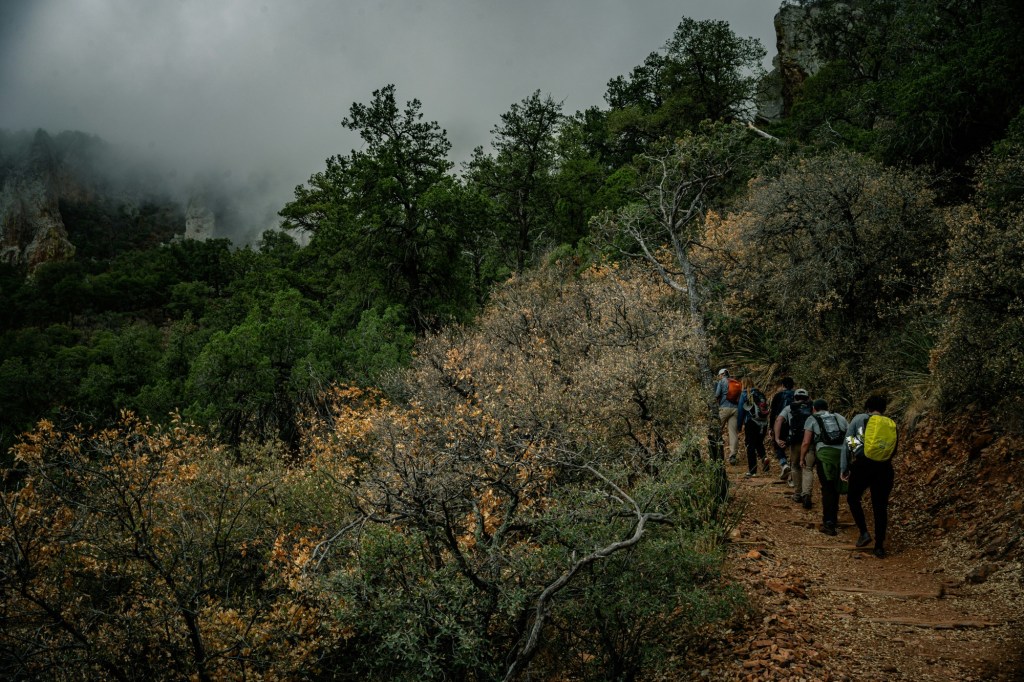
At the heart of the park rise the Chisos Mountains, the only mountain range fully contained within a national park in the United States. Their jagged peaks tower above the desert floor, offering trails shaded by pines and oaks, a startling contrast to the cactus-dotted lowlands below.
The Lost Mine Trail winds up to sweeping vistas of the basin, where ridges ripple like waves into Mexico. The South Rim Trail offers one of the most breathtaking views in Texas—a sheer cliff edge overlooking a sea of desert that stretches endlessly into the horizon. At sunrise or sunset, the mountains glow in hues of rose, amber, and violet, as if the desert itself were alive with fire.
Canyons Carved by Time
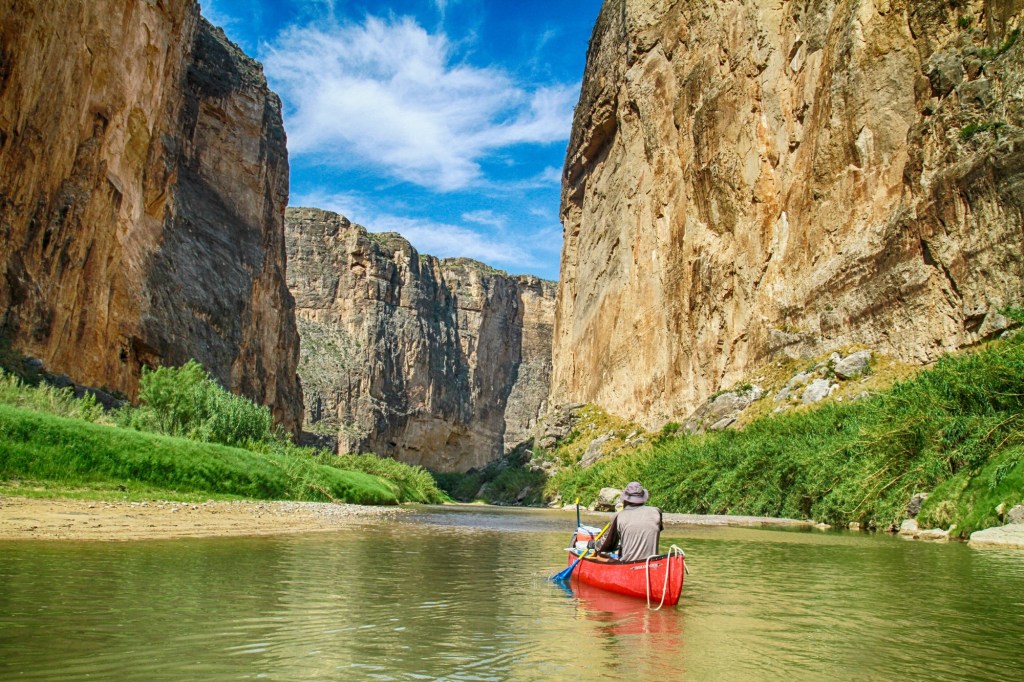
The Rio Grande is Big Bend’s lifeblood, carving deep canyons that tell stories millions of years old.
Santa Elena Canyon is the most iconic. Its sheer limestone walls rise 1,500 feet above the river, narrowing into a slot of shadow and light. Paddle a canoe through its calm waters, and the canyon swallows you in silence, broken only by the drip of water and the call of swallows overhead. Boquillas Canyon, longer and more winding, is gentler but no less magical. Sand dunes spill into the riverbanks, and the walls shimmer in the late afternoon sun. Mariscal Canyon, remote and wild, requires more effort to reach but rewards you with solitude and grandeur unmatched.
Standing at the edge of these canyons, you feel the raw power of nature, and the delicate thread of a river that sustains life in the desert.
Desert Life in Bloom
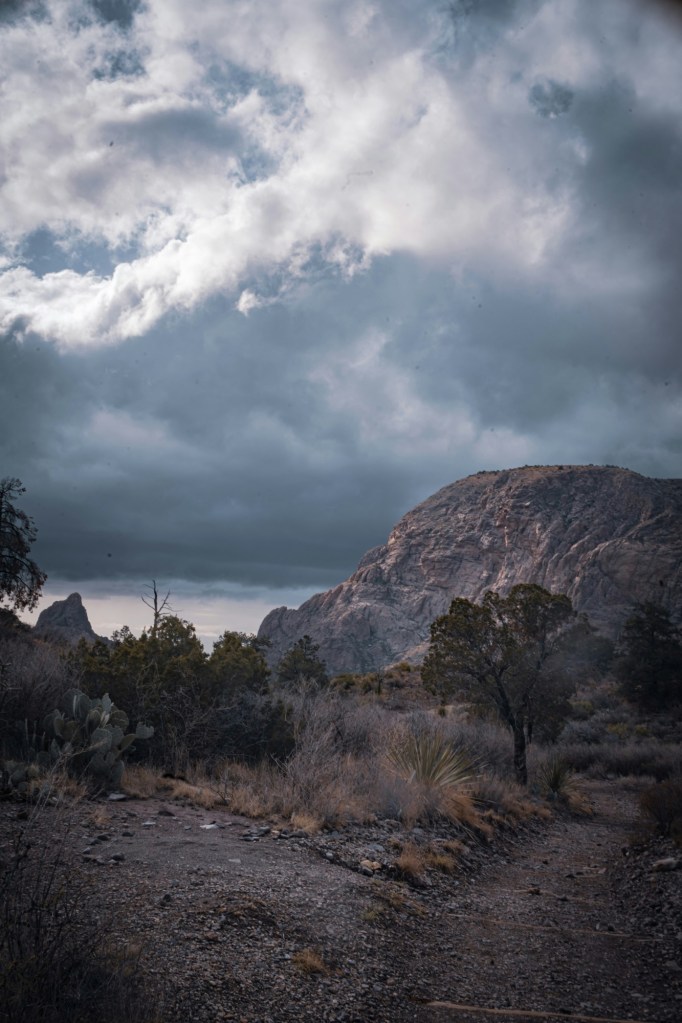
At first glance, Big Bend may look barren. But spend time here, and you’ll see the desert is anything but empty. Spring brings blooms of bluebonnets, prickly pear flowers, and ocotillo blossoms, splashing color across the arid land. Roadrunners dart between mesquite shrubs, javelinas shuffle through the underbrush, and if you’re lucky, you might glimpse a black bear in the Chisos or a bobcat at dusk.
By day, the desert hums quietly with life. By night, the silence is profound—broken only by the rustle of wind or the distant howl of a coyote.
A Stargazer’s Paradise
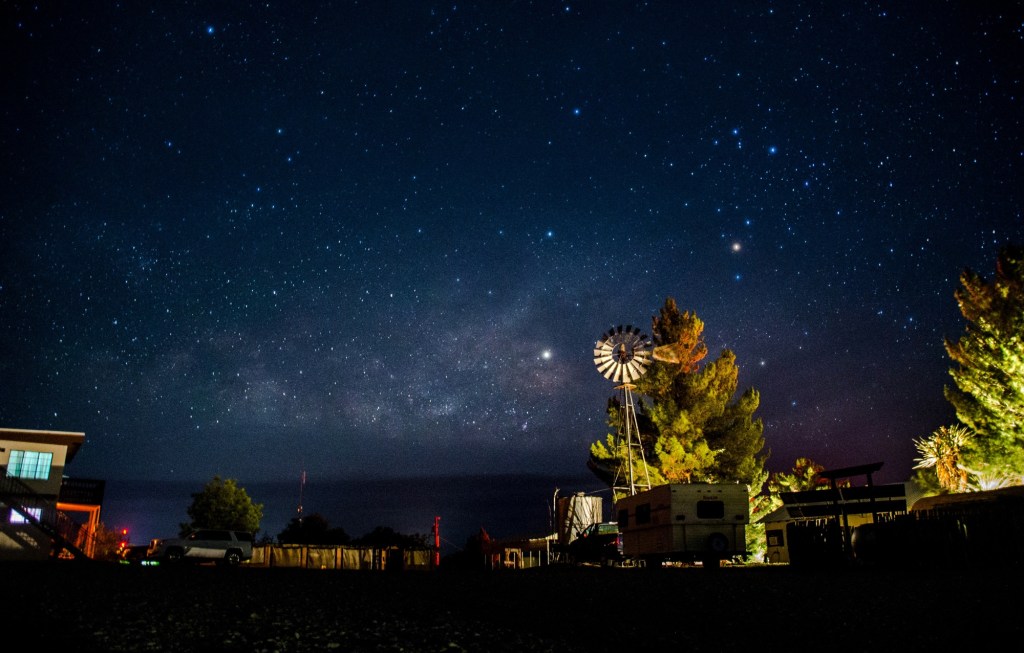
Big Bend is one of the darkest places in North America, a certified International Dark Sky Park. When the sun sinks, the heavens ignite with more stars than most people will ever see in their lives. The Milky Way arcs overhead like a river of diamonds, and planets glow brightly, mirrored in the stillness of desert pools.
Lay back on a warm rock, breathe in the desert night, and you’ll feel both humbled and infinite, a speck under the vast universe.
The Rio Grande Borderlands
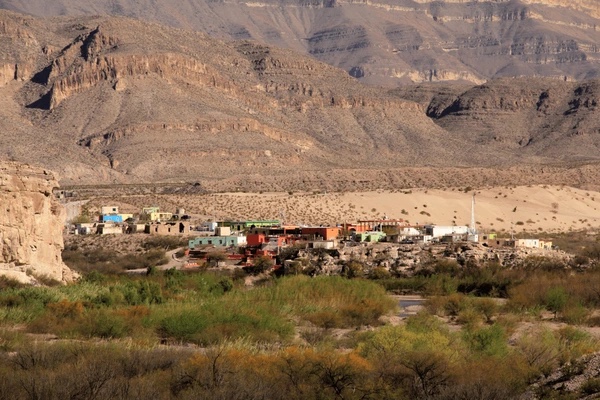
Big Bend is unique not only for its landscapes but also for its role as a borderland. The Rio Grande defines much of the park’s southern edge, dividing the U.S. from Mexico.
At Boquillas Crossing, you can even step across—legally. With your passport in hand, take a small rowboat across the river to the Mexican village of Boquillas del Carmen, where cold cervezas, handmade crafts, and warm hospitality await. The crossing is more than a novelty; it’s a reminder of the cultural and natural ties that bind both sides of the river.
Adventures That Beckon
Big Bend is vast—larger than the state of Rhode Island—and offers adventure for every spirit.
Hiking: Over 150 miles of trails, from easy desert strolls to challenging mountain climbs.
River Trips: Paddle the Rio Grande for a few hours or embark on multi-day excursions through canyons.
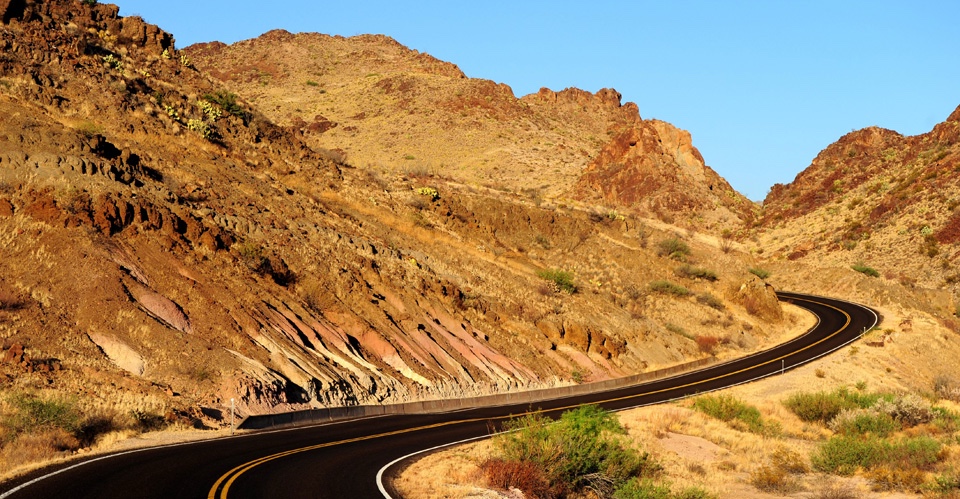
Scenic Drives: Ross Maxwell Scenic Drive winds past overlooks, historic sites, and surreal desert panoramas.
Hot Springs: Soak in the park’s natural hot springs along the Rio Grande, where 105-degree waters bubble beside the river.
Whether on foot, by water, or behind the wheel, every journey here feels epic.
Practical Magic
Best Time to Visit: October to April, when temperatures are cooler and hiking is more comfortable. Summers can be dangerously hot.
Getting There: The park is remote—nearest airports are in Midland or El Paso, each several hours away. Most visitors arrive by car, embracing the long, empty highways that lead to the park.

Where to Stay: Inside the park, Chisos Mountains Lodge offers the only in-park accommodations. Outside, quirky towns like Terlingua—a ghost town turned bohemian outpost—offer rustic casitas, adobe rentals, and starry-night campgrounds.
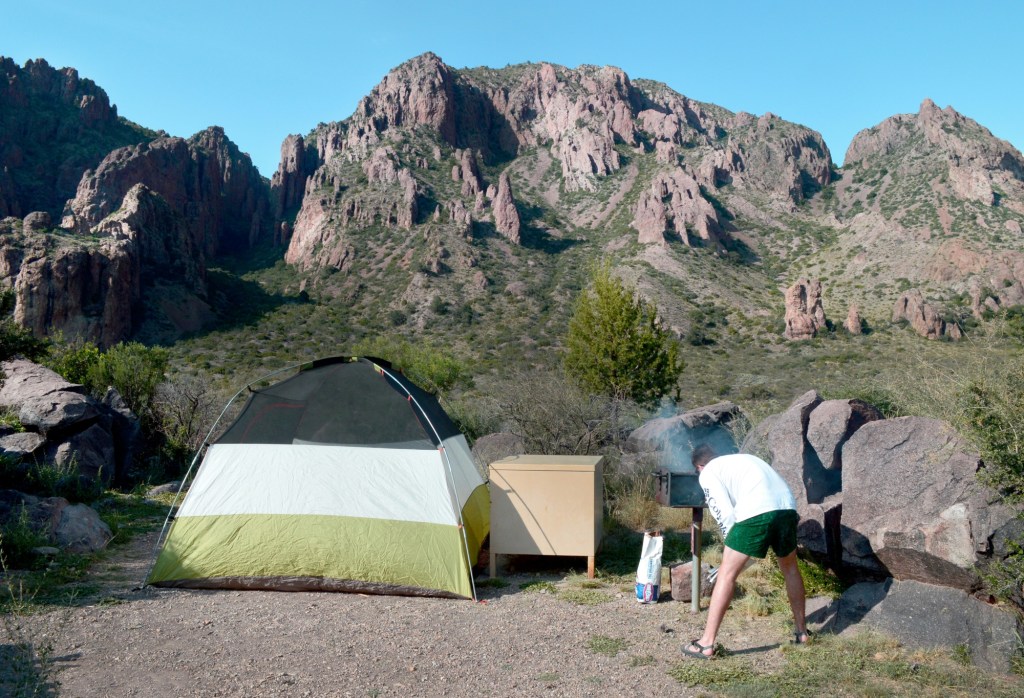
Tips: Bring plenty of water, gas up before you arrive, and prepare for spotty cell service. Solitude is part of Big Bend’s magic, but it demands respect.
The Call of Big Bend
Big Bend is not a casual park. It requires effort to reach, respect to explore, and time to fully embrace. But those who venture here are rewarded with something rare: a landscape so vast it redefines your sense of scale, a night sky so deep it reawakens wonder, and a silence so profound it feels sacred.
 Bucket List World Travel
Leave a comment