
Some islands sparkle with glamour. Others whisper with mystery. Montserrat, the tiny emerald of the Caribbean, does both—quietly, powerfully, and unlike anywhere else. Known as the “Emerald Isle of the Caribbean” for both its Irish heritage and its lush green peaks, Montserrat is a place where volcanoes reshape landscapes, rainforests hum with life, and black-sand beaches kiss the edges of a resilient, soulful community.
The Island of Fire and Resilience
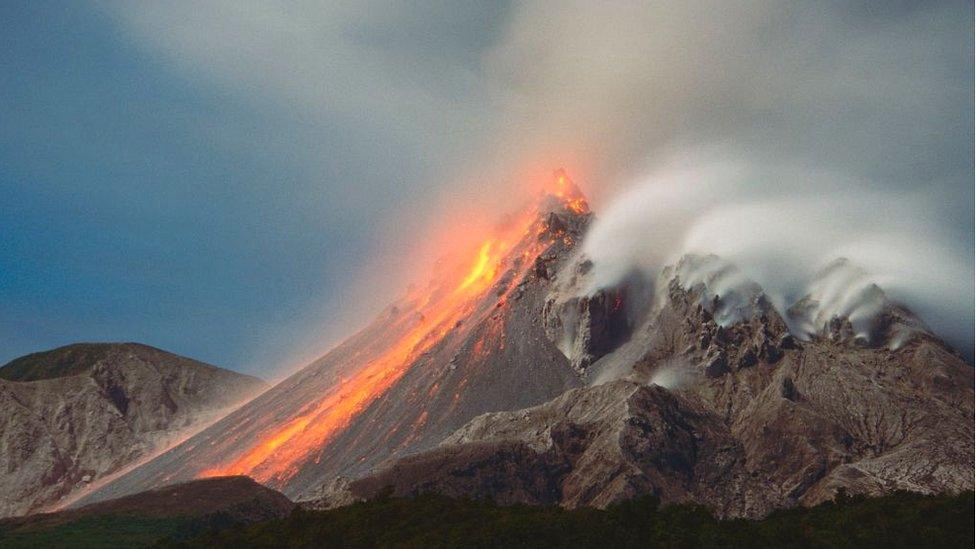
Montserrat’s story is inseparable from its volcano. In 1995, the Soufrière Hills Volcano roared to life, forever changing the island. Its eruptions buried the capital city of Plymouth beneath ash and lava, leaving it frozen in time—a modern-day Pompeii. Today, the exclusion zone around the volcano is both haunting and mesmerizing. From safe vantage points, you can see crumbled buildings, half-submerged streets, and an eerie silence that speaks louder than words.
Yet Montserrat is not defined by destruction—it is defined by resilience. The people rebuilt, villages flourished in the north, and a spirit of strength and welcome lingers in every smile you encounter. Standing at the Montserrat Volcano Observatory, watching plumes drift from Soufrière’s peak, you’ll feel both the power of nature and the courage of those who call this island home.
Emerald Peaks and Hidden Trails
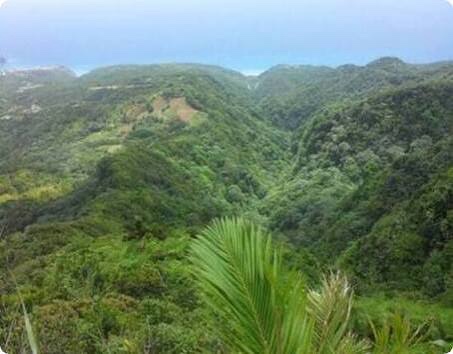
Away from the exclusion zone, Montserrat is a hiker’s paradise. Trails wind through emerald rainforests where the air smells of earth and orchids, and birdsong fills the canopy. The Oriole Walkway Trail takes you deep into the island’s lush interior, where you might glimpse the Montserrat oriole—an endangered bird found nowhere else in the world.
For a challenge, hike up to Katy Hill for sweeping views of the volcano, coastline, and Caribbean Sea. The contrast of green mountains against black volcanic landscapes is unforgettable, a reminder of the island’s dual nature: beauty and power, destruction and renewal.
Black-Sand Beaches and Turquoise Waters
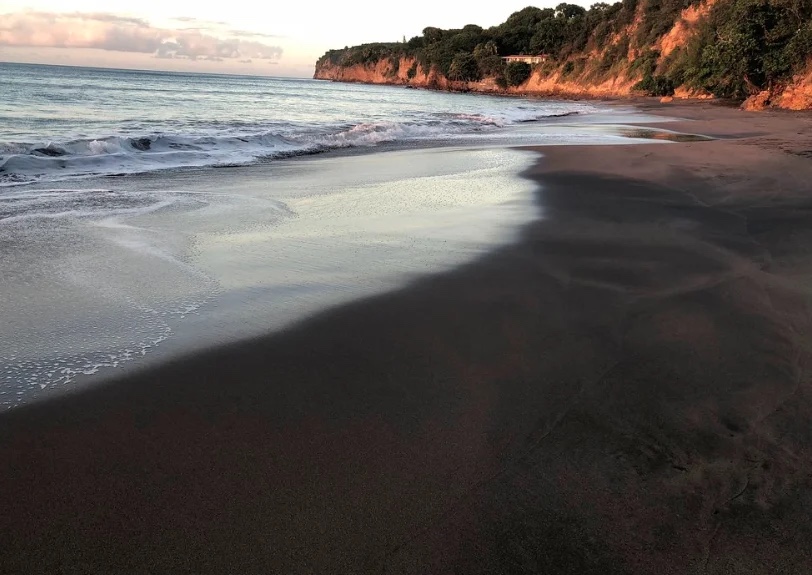
Unlike the sugary-white beaches of neighboring islands, Montserrat’s sands are volcanic black—soft, striking, and dramatic against turquoise waves. Rendezvous Bay is the island’s only white-sand beach, accessible by hike or kayak, making it feel like a secret discovered by few.
Woodlands Beach, fringed by cliffs, is a favorite for swimming and spotting sea turtles. Lime Kiln Bay and Little Bay offer calmer waters and opportunities for snorkeling, where coral gardens and colorful fish thrive just offshore. Each beach is quiet, uncrowded, and unspoiled—a far cry from the bustling resorts of other Caribbean destinations.
Culture and Irish Charm

Montserrat’s nickname as the “Emerald Isle of the Caribbean” is more than poetic—it’s rooted in history. Irish settlers arrived here centuries ago, and their influence lives on in music, festivals, and even the lilt of local accents. Nowhere is this more vibrant than during the annual St. Patrick’s Festival in March, where the island comes alive with parades, calypso, dancing, and a spirited celebration of both Irish and African heritage.
Music is the heartbeat of Montserrat. This is the island that once drew legends like Elton John and Stevie Wonder, thanks to George Martin’s AIR Studios. Though the studio is now closed, the rhythm remains—whether in steel drum performances, reggae beats, or the soulful sway of local string bands.
Flavors of Montserrat

Eating in Montserrat is both comforting and surprising. Dishes draw from African, Caribbean, and Irish roots, creating flavors as unique as the island itself. Try goat water, a hearty stew simmered with herbs and spices, considered the national dish. Fresh seafood—snapper, lobster, and conch—is served straight from the ocean, often grilled and paired with rice and peas.
Don’t miss bush teas brewed with local herbs, said to heal body and spirit alike. And if you’re lucky enough to join a community gathering, you’ll find that meals here are about more than food—they’re about laughter, music, and connection.
Adventures Beyond the Shore
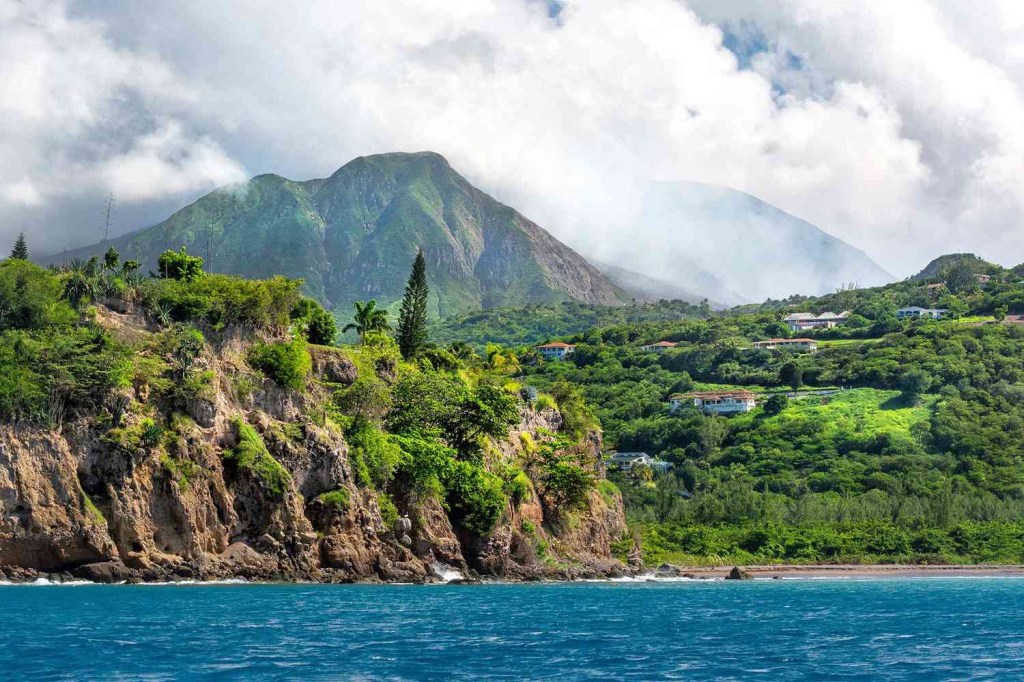
Montserrat may be small, but it offers big adventures. Kayak to hidden coves, dive among volcanic boulders where marine life thrives, or take a boat tour along the southern coast for views of the exclusion zone from the water. The sight of Plymouth’s ghost city against a backdrop of volcanic peaks is both eerie and awe-inspiring.
For those seeking serenity, the island offers it in abundance. Watch the sunset from a cliffside, listen to the ocean lull the night, or simply wander through villages where everyone greets you like family. Montserrat is a reminder that adventure doesn’t always mean adrenaline—it can mean presence, peace, and rediscovery.
When Night Falls

Nights in Montserrat are quiet and magical. Without the glare of big resorts or cities, the sky opens into a sea of stars. Constellations shine brilliantly, and the Milky Way stretches across the horizon in a river of light. Add the sound of waves crashing on black-sand shores, the chirp of crickets, and the scent of hibiscus on the breeze, and you’ll realize nights here carry their own kind of wonder.
Practical Magic
Best Time to Visit: December through May, when the weather is dry and festivals bring the island to life.
Getting There: Fly from Antigua on small regional airlines, or arrive by ferry. The journey itself is part of the adventure.
Where to Stay: Choose from intimate guesthouses, cozy villas, and boutique inns. Options are limited but charming—another reason Montserrat feels so special.
Cultural Etiquette: Greet locals warmly, respect village customs, and take time to listen—Montserrat moves at its own rhythm, and that’s part of its charm.
The Call of Montserrat
Montserrat is not a place you stumble into—it’s a place you seek. And in that seeking, you’re rewarded with something rare: authenticity. This is an island where nature rules, where history is written in ash and green peaks, and where community is as strong as the roots of its rainforests.
 Bucket List World Travel
Leave a comment