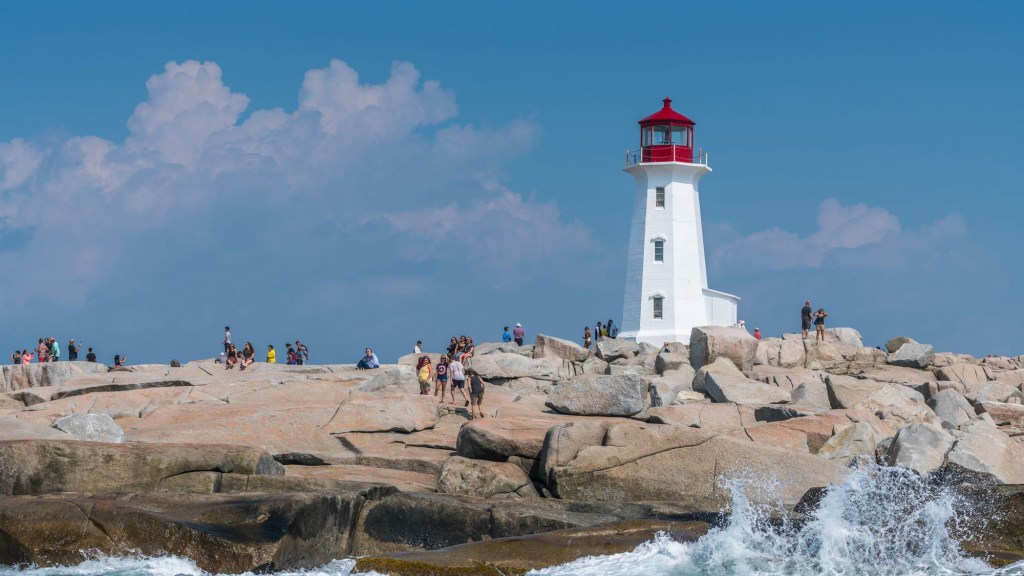
There’s a moment every traveler remembers — when the world goes quiet except for wind and waves. At Peggy’s Cove, that moment comes easily. Perched along Nova Scotia’s rugged South Shore, this tiny fishing village has become one of Canada’s most photographed places, famous for its red-and-white lighthouse rising from granite boulders battered by the sea.
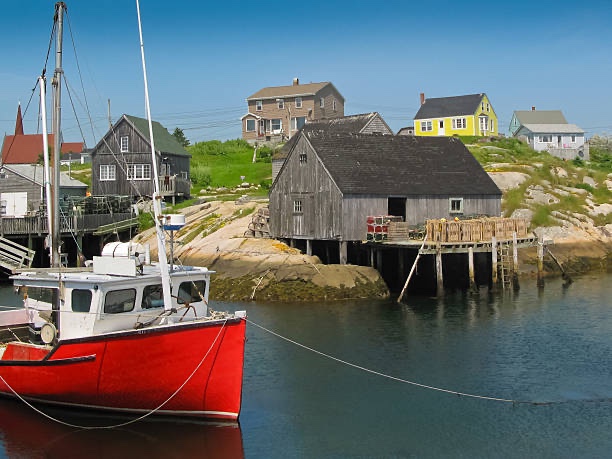
But Peggy’s Cove isn’t just a postcard. It’s a living, breathing coastal community — part fishing village, part artist haven, part elemental encounter between human and nature. Whether you’re visiting from Halifax for a day trip or road-tripping across Atlantic Canada, this guide will help you experience Peggy’s Cove like a traveler, not a tourist.
Getting There: A Scenic Hour from Halifax
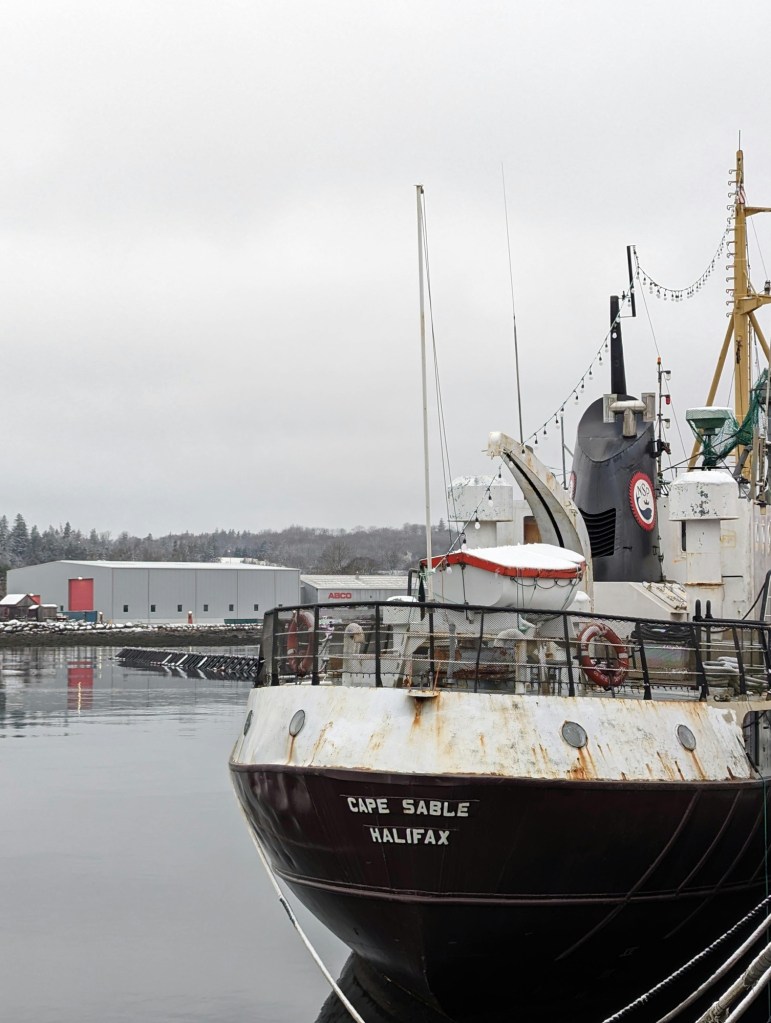
Peggy’s Cove is only about 45 minutes from downtown Halifax, making it an easy half-day or full-day trip. The drive itself is part of the experience — rolling hills, glimpses of rocky coastline, and tiny seaside communities like Indian Harbour and West Dover along the way.
Take the coastal road, Route 333, instead of the highway. It’s slower, but you’ll pass coves, cafés, and ocean overlooks perfect for spontaneous photo stops. If you don’t have a car, several local operators offer guided half-day tours from Halifax that include Peggy’s Cove, often paired with the Swissair Flight 111 Memorial or nearby Lunenburg.
The First Glimpse: Granite, Waves, and Wind
As you approach, the road dips and curves, and suddenly the ocean appears — a horizon of steel-blue water, glinting under whatever light the day brings. The village itself is small, with weathered wooden shacks, lobster traps, and fishing boats bobbing in the cove.
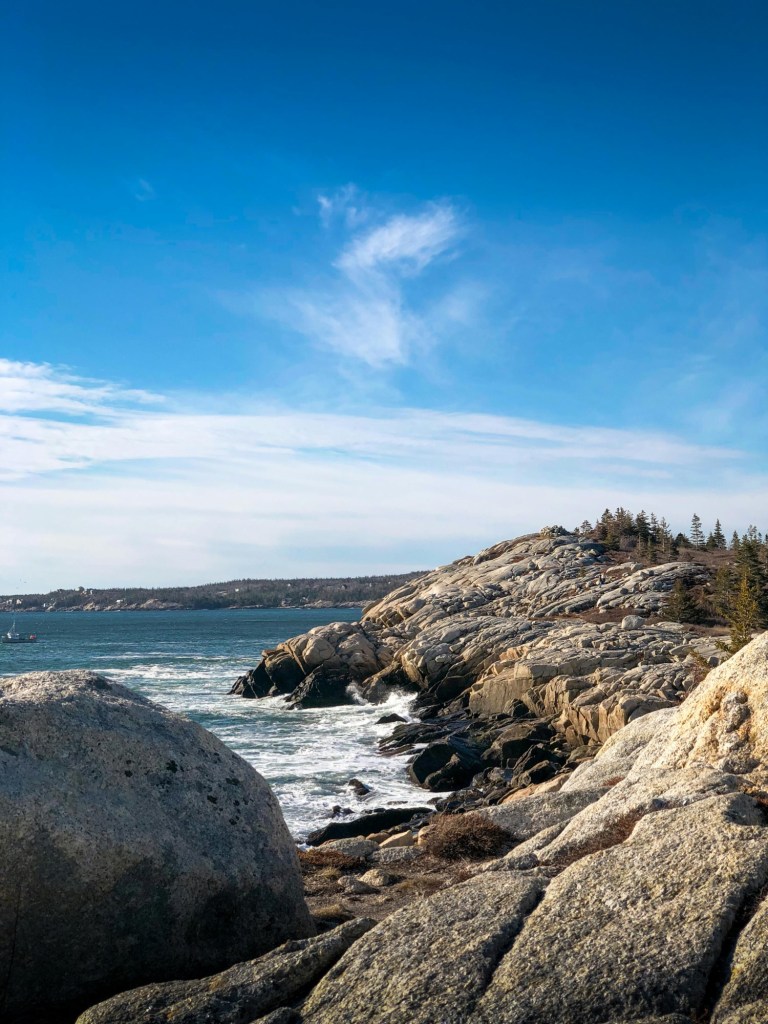
Then comes the granite. Massive slabs of pale rock stretch toward the sea, sculpted smooth by centuries of wind and salt spray. Visitors wander across them toward the lighthouse, pausing to watch waves crash and foam roll through the cracks.
Wear sturdy shoes with good grip — the rocks can be slick after rain or high tide. Avoid stepping onto the darker, wet-looking stones near the waterline. Rogue waves arrive without warning, and the ocean here commands respect.
The Icon: Peggy’s Point Lighthouse
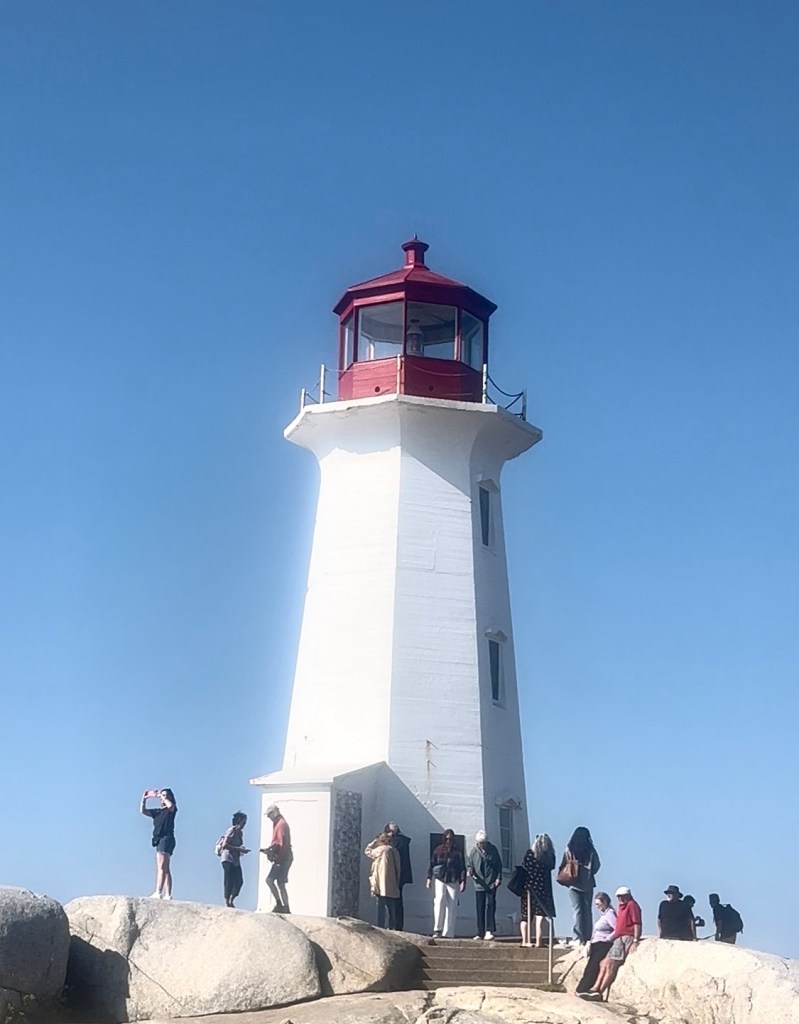
No place in Nova Scotia is more instantly recognizable than Peggy’s Point Lighthouse. Built in 1914, it still stands tall as an active beacon marking the entrance to St. Margaret’s Bay.
The lighthouse’s red-and-white contrast against the gray granite and blue Atlantic has become a symbol of Canada’s maritime identity. It’s also one of the most photographed lighthouses in the world, yet somehow, when you’re standing before it, the moment feels entirely personal.
The best time for photos is early morning or just before sunset, when the light softens and the rocks glow gold. Foggy days create their own quiet magic, and even after a rain shower, pools of water reflect the lighthouse perfectly.
For a less crowded perspective, walk to the far side of the cove and capture the lighthouse framed by the fishing shacks and boats. It’s one of those timeless travel shots that feels both familiar and new every time you see it.
Beyond the Lighthouse: What to See and Do
While the lighthouse draws most visitors, there’s much more to experience in and around the village.
Explore the Working Harbor
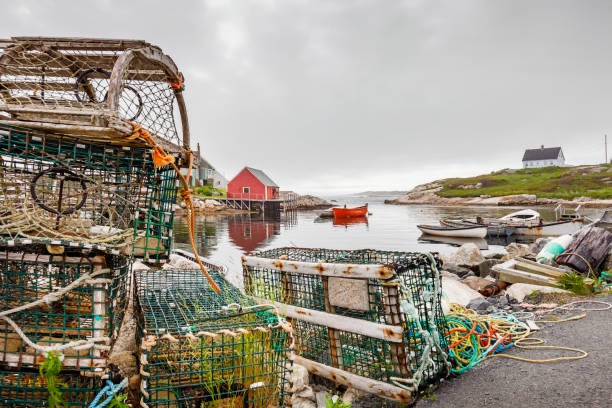
Peggy’s Cove is still home to active fishermen. Wander through the harbor area and you’ll see colorful buoys, lobster traps, and weathered boats. The smell of salt and bait mixes with the sound of gulls and creaking docks. Remember to stay off private property and working wharves, but take your time observing daily coastal life.
Visit the deGarthe Monument

Just beyond the village stands the Fisherman’s Monument, carved directly into a granite cliff by local artist William E. deGarthe. The sculpture depicts 32 fishermen, their families, and guardian angels protecting them from the sea. It’s a powerful tribute to the people who have built their lives here in rhythm with the ocean.
Pause for a Meal or Warm Drink
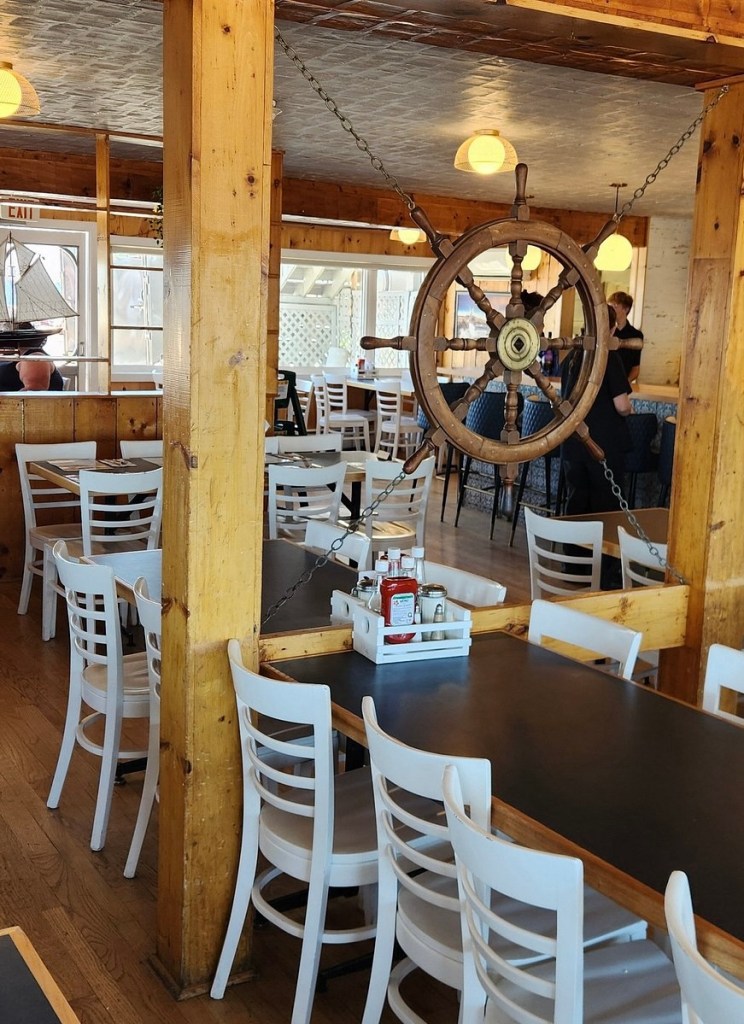
The Sou’Wester Restaurant and Gift Shop sits near the lighthouse, serving steaming bowls of seafood chowder, lobster rolls, and hot chocolate with panoramic ocean views.

A few minutes up the road in Indian Harbour, Rhubarb Restaurant offers a cozy, upscale take on local cuisine in a more relaxed setting.
Reflect at the Swissair Flight 111 Memorial
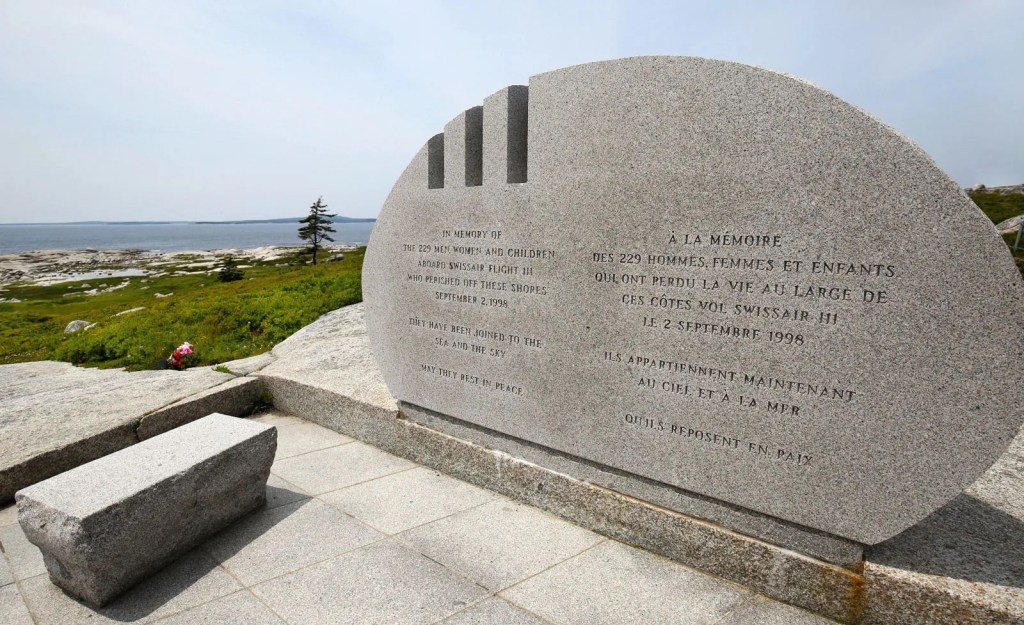
Just a short drive away, this understated granite monument overlooks the site of the 1998 Swissair Flight 111 crash, which claimed 229 lives. The memorial honors both those lost and the local communities who took part in the recovery. It’s a solemn and beautiful reminder of the sea’s power and the compassion of those who live along it.
When to Visit
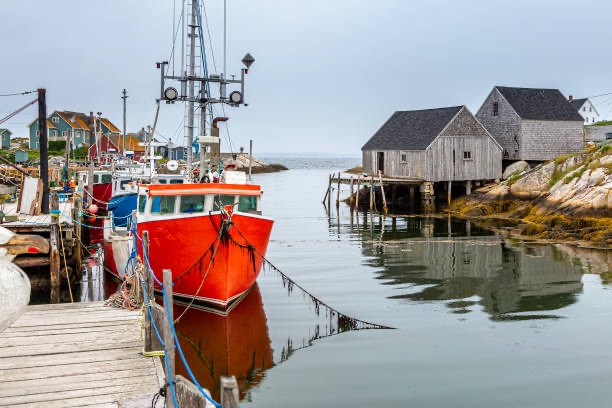
Each season offers its own mood, and choosing the right time depends on what kind of traveler you are.
In spring, the weather warms, wildflowers bloom along the cliffs, and the crowds are still light. Days can be breezy, and the cove feels fresh and awakening.
Summer is the most popular season, filled with energy and long days of sunlight. Everything is open, from galleries to gift shops to roadside seafood shacks. It’s busier, but the Atlantic sparkles in its full glory.
Fall is arguably the most beautiful time to visit. The hills around Halifax ignite with color, the air turns crisp, and the sunsets deepen to orange and rose. You’ll have more room to wander and better chances for moody photographs.
Winter brings quiet. The village slows, many shops close, and the rocks may dust with snow. It’s cold, but for those who crave solitude, Peggy’s Cove in winter offers unmatched stillness.
Peggy’s Cove is a fragile and sacred place, shaped by centuries of wind, water, and human resilience. Treat it with care. Stay on marked walkways and trails. Don’t climb fences or scramble across unsafe rocks. Take your trash with you and avoid disturbing wildlife or private property.
Stay a Little Longer
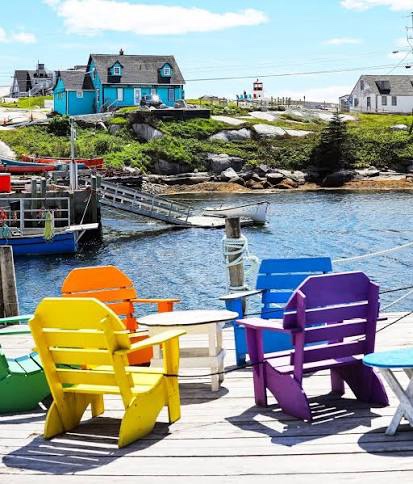
Many travelers stop at Peggy’s Cove for an hour and leave, but lingering transforms the experience. Consider staying overnight in nearby Indian Harbour or Tantallon. Watching sunrise light the rocks pink, or seeing the lighthouse glow against a fiery sunset, is worth every extra mile.
Peggy’s Cove also sits along Nova Scotia’s famous Lighthouse Route, which winds through charming coastal towns. Continue west to Mahone Bay with its colorful houses and cafés, or to Lunenburg, a UNESCO World Heritage Site with deep maritime roots and excellent seafood.
For nature lovers, the Polly’s Cove Trail just before the village offers a short, scenic hike with panoramic views of the coastline — often without the crowds.
Practical Tips
Allow at least two to three hours for your visit, longer if you plan to explore nearby trails or stay for a meal. Bring a light jacket or windbreaker; the weather shifts quickly here, even in summer.
Public restrooms are available near the main parking lot, and parking is free but can fill quickly during peak hours. Arrive early in the morning or closer to sunset for the most peaceful experience.
If you’re bringing a dog, keep it leashed and away from the slick rocks. And if you’re visiting during high tide or in windy conditions, maintain distance from the shoreline — the waves can surprise even the most careful traveler.
Travel Responsibly
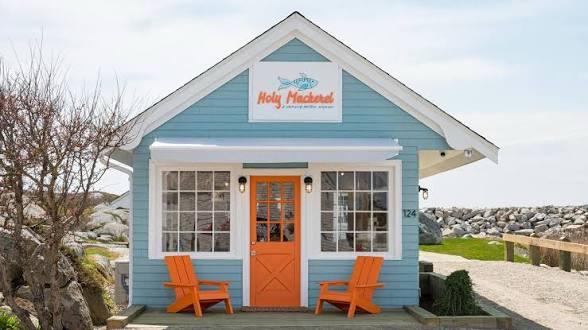
Support local artisans and small restaurants — your purchase helps sustain this small community long after the tour buses leave.
Why Peggy’s Cove Belongs on Every Traveler’s Itinerary
Peggy’s Cove isn’t about adrenaline or luxury. It’s about presence — standing in the wind and realizing how small we are beside the Atlantic, how vast and eternal the world can feel.
For some, it’s a quick stop on a Nova Scotia road trip. For others, it becomes a memory that lingers long after the trip ends — the sound of waves, the feel of cold stone underfoot, the sight of that lighthouse holding its ground against the horizon.
When you go, go slowly. Take in the texture of the rocks, the scent of the sea, the rhythm of the tide. Watch the light change by the minute. Let the cove speak — not as a tourist attraction, but as a reminder of how travel connects us to something greater.
 Bucket List World Travel
Leave a comment