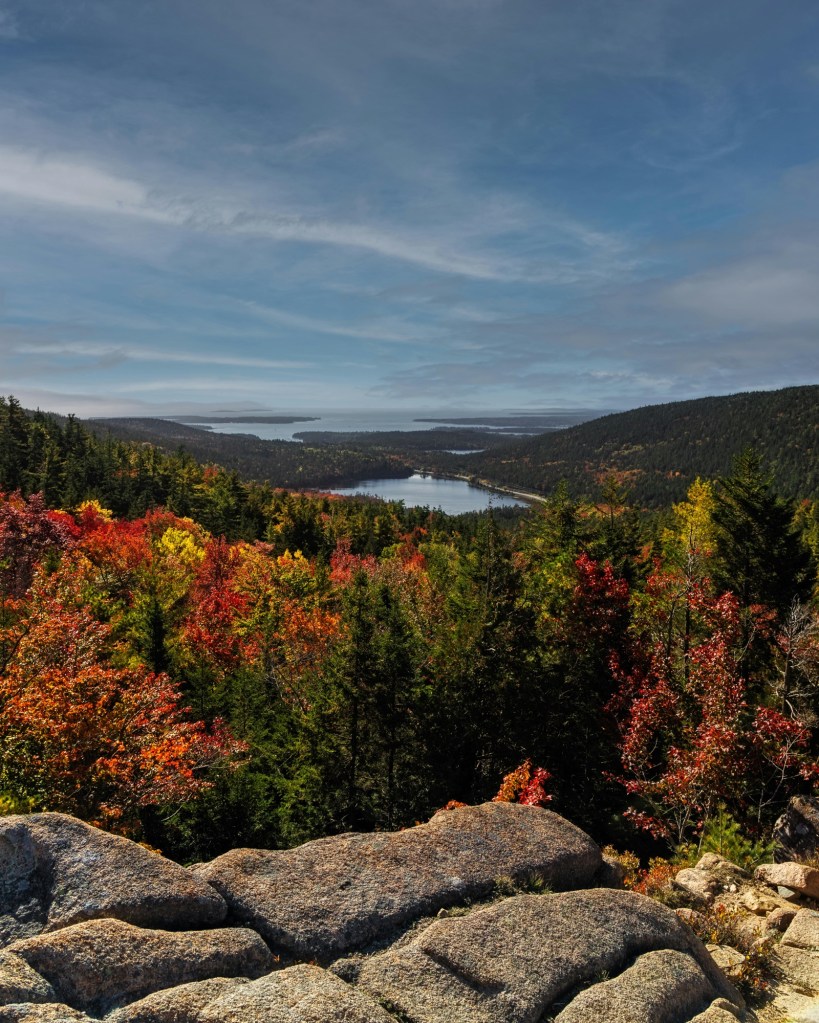
There are few places in America that capture nature’s poetry quite like Acadia National Park. Perched along Maine’s rugged coastline, this gem blends granite peaks, misty forests, and wild Atlantic shores into a landscape that feels both ancient and alive. It’s a place where travelers trade city noise for crashing waves, and sunrise becomes a ritual rather than a rarity.
Whether you’re chasing coastal sunrises, leaf-peeping in autumn, or cycling beneath canopies of birch and pine, Acadia delivers a kind of beauty that lingers long after you’ve left. Here’s everything you need to know about visiting, from scenic drives and hidden trails to essential travel tips that make your trip seamless and unforgettable.
Why Visit Acadia National Park

Acadia is often described as “where the mountains meet the sea,” and it’s one of the few places on the U.S. East Coast where granite peaks rise directly from the ocean. The park spans more than 47,000 acres across Mount Desert Island, Isle au Haut, and the Schoodic Peninsula, offering a rare mix of ecosystems including rocky coasts, glacier-carved valleys, alpine summits, and peaceful lakes.
For travelers, it’s the perfect balance between adventure and tranquility. You can climb Cadillac Mountain at dawn, wander along the Ocean Path as the waves crash against pink granite cliffs, then sip local blueberry lemonade in nearby Bar Harbor by afternoon. Every experience feels both wild and personal, as if Acadia reveals just what you came for.
The Best Time to Visit
Acadia is beautiful year-round, but each season brings its own charm.
Spring (April – May)
The park begins to wake after its long winter sleep. Waterfalls rush with snowmelt, wildflowers bloom, and the crowds are still light. It’s a quieter time to hike and photograph without summer traffic, though some facilities may still be closed.
Summer (June – August)
Summer is peak season, and for good reason. Temperatures hover around 70°F, ideal for hiking, biking, and kayaking. Expect lively crowds, busy trails, and advance reservations for both accommodations and the park’s Cadillac Mountain sunrise tickets (required during summer and early fall).
Fall (September – October)
If you’re drawn to color, fall in Acadia is pure magic. Crimson maples and golden birches set the hills ablaze, especially in early to mid-October. The air turns crisp, the crowds thin, and the golden light transforms every overlook into a painting. This is a dream season for photographers and anyone seeking that quintessential New England autumn experience.
Winter (November – March)
Snow blankets the trails, the ocean turns steel-blue, and Acadia becomes a serene escape for cross-country skiers and snowshoers. Many roads close, but the Park Loop Road’s Ocean Drive section remains open and is perfect for a peaceful coastal drive.
Getting There and Getting Around
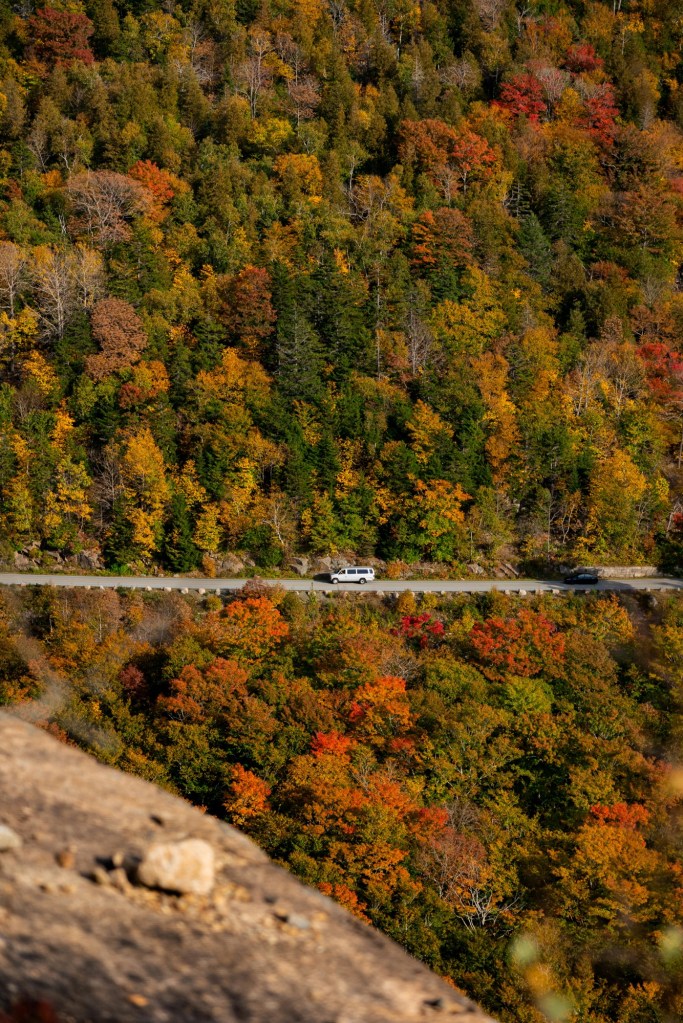
Bar Harbor, the charming gateway town, is your base for exploring Acadia. It’s about 4.5 hours from Boston and 1 hour from Bangor by car. If you’re flying, the closest airport is Hancock County–Bar Harbor Airport (BHB), though Bangor offers more flight options.
Once you arrive, you’ll want a car to fully explore the park, though the Island Explorer shuttle (free and eco-friendly) runs from late June through early October, connecting major sites like Sand Beach, Jordan Pond, and Cadillac Mountain.
Traveler Tip: If you visit during the busy months, use the shuttle to avoid parking headaches. Parking at popular trailheads fills early, especially between 9 a.m. and 2 p.m.
Top Things to See and Do
Cadillac Mountain Sunrise
Watching the sunrise from Cadillac Mountain is a rite of passage in Acadia. Standing at 1,530 feet, it’s the tallest point along the U.S. Atlantic coast — and from October through March, one of the first places in the country to see the sunrise.
You’ll need to reserve a sunrise vehicle pass in advance through Recreation.gov (they sell out quickly). Dress warmly, even in summer — the wind at the summit can be fierce. Or, if you prefer a quieter experience, return at sunset for sweeping golden views over Frenchman Bay.
Park Loop Road
This 27-mile scenic drive is the heart of Acadia and offers access to many of its most beloved spots. Begin early in the day, ideally counterclockwise from the Hulls Cove Visitor Center, and make time for stops at:
Sand Beach – A stunning crescent of golden sand framed by cliffs.
Thunder Hole – A natural rock inlet where the waves boom dramatically at high tide.
Otter Cliff – One of the most photographed coastal points in New England.
Jordan Pond – Known for its crystal-clear waters and the famous popovers at Jordan Pond House.
Traveler Tip: Go early morning or late afternoon to avoid the heaviest traffic, and bring a picnic to enjoy along the way.
Jordan Pond & The Bubbles
The trail around Jordan Pond is an easy, scenic loop offering reflections of North and South Bubble Mountains. Afterward, stop at Jordan Pond House, where travelers have been sipping tea and eating warm popovers since the late 1800s. On sunny afternoons, grab an outdoor table with a view — it’s one of Acadia’s most iconic experiences.
Hiking Trails for Every Level
Acadia offers more than 150 miles of trails, from gentle lake walks to thrilling cliffside climbs. Some must-try routes include:
Beehive Trail (Moderate/Strenuous) – A short but steep iron-rung climb with breathtaking views of Sand Beach. Not recommended for those afraid of heights, but unforgettable for the adventurous.
Ocean Path (Easy) – A 4-mile round trip from Sand Beach to Otter Point, perfect for photography and coastal views.
Jordan Pond Path (Easy) – Ideal for families or leisurely walks.
Precipice Trail (Strenuous) – The park’s most challenging and dramatic hike. Iron rungs, ladders, and ledges lead up Champlain Mountain. Best tackled early in the morning and only in dry weather.
South Bubble Trail (Moderate) – Offers panoramic views of Jordan Pond and the surrounding peaks.
Traveler Tip: Always check the weather before hiking. Fog and rain can make some of Acadia’s exposed trails dangerously slippery.
Biking the Carriage Roads
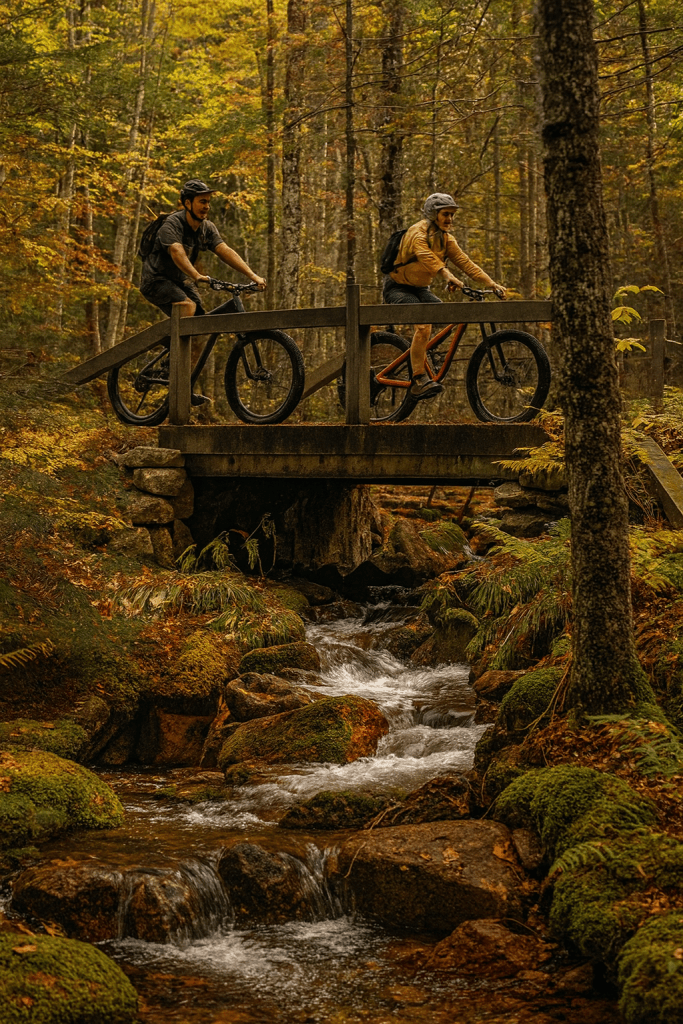
One of Acadia’s most unique features is its 45 miles of carriage roads, built by John D. Rockefeller Jr. between 1913 and 1940. These wide, car-free gravel paths wind through forests, lakes, and stone bridges. They are ideal for biking or leisurely strolls.
You can rent bikes in Bar Harbor, and e-bikes are permitted (with speed restrictions). Don’t miss the Eagle Lake Loop for classic views and peaceful surroundings.
Exploring Bar Harbor
After a day in the park, Bar Harbor feels like a reward. This charming seaside town brims with art galleries, seafood shacks, and coastal boutiques. Enjoy lobster rolls on the pier, take a sunset cruise around Frenchman Bay, or stroll the Shore Path, a scenic walkway that hugs the coast right from downtown.
Hidden Gems in Acadia
If you’ve already checked off Cadillac Mountain and Jordan Pond, here are a few lesser-known corners worth discovering:
Schoodic Peninsula – A quieter section of Acadia across the bay, offering dramatic ocean views and fewer crowds.
Wonderland and Ship Harbor Trails – Short, scenic coastal hikes with tide pools and views that live up to their names.
Bass Harbor Head Lighthouse – One of Maine’s most photographed lighthouses, best viewed from the rocky shore at sunset.
Isle au Haut – Remote and rugged, accessible only by ferry from Stonington. Ideal for solitude seekers and experienced hikers.
Practical Tips for Travelers
Plan Ahead
Acadia is one of the most-visited national parks in the U.S., so advance planning makes a big difference.
Park Pass: Required for all visitors and available online or at park entrances.
Timed Entry for Cadillac Mountain: Book early via Recreation.gov.
Parking: Arrive before 8 a.m. for popular trails or take the Island Explorer shuttle.
Pack Smart

Weather in coastal Maine changes quickly. Even in summer, mornings can be chilly and foggy. Pack layers, rain gear, sturdy hiking shoes, and a reusable water bottle.
Stay Local
Staying in or near Bar Harbor gives you easy park access, but consider nearby villages like Southwest Harbor or Northeast Harbor for a quieter experience. Many travelers enjoy cozy inns, cabins, or boutique hotels with water views.
Respect the Park
Stay on marked trails, don’t climb or stand near cliff edges, and avoid feeding wildlife. Acadia’s fragile ecosystems depend on mindful visitors.
Where to Stay
Bar Harbor offers everything from charming B&Bs to luxury stays with harbor views.
A few favorites include:
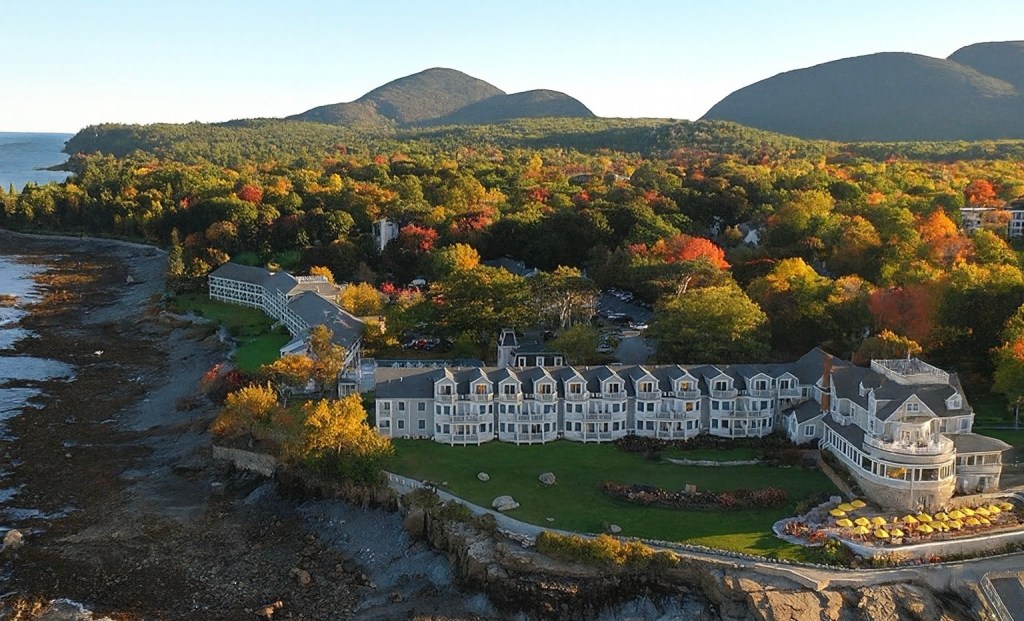
Classic coastal elegance overlooking the bay.
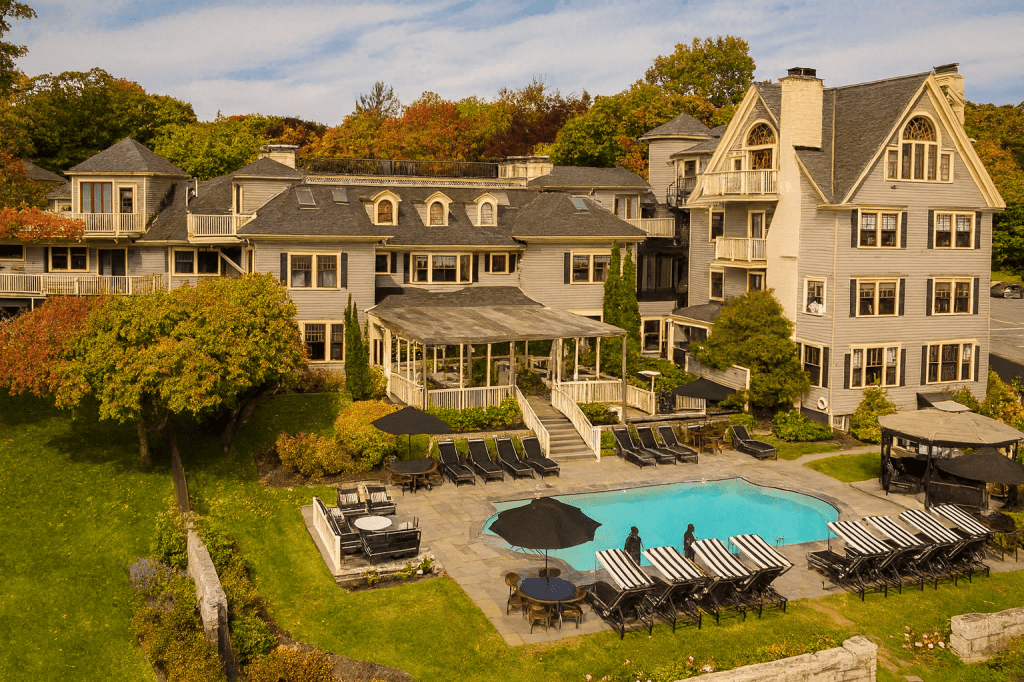
Historic charm with modern comfort.
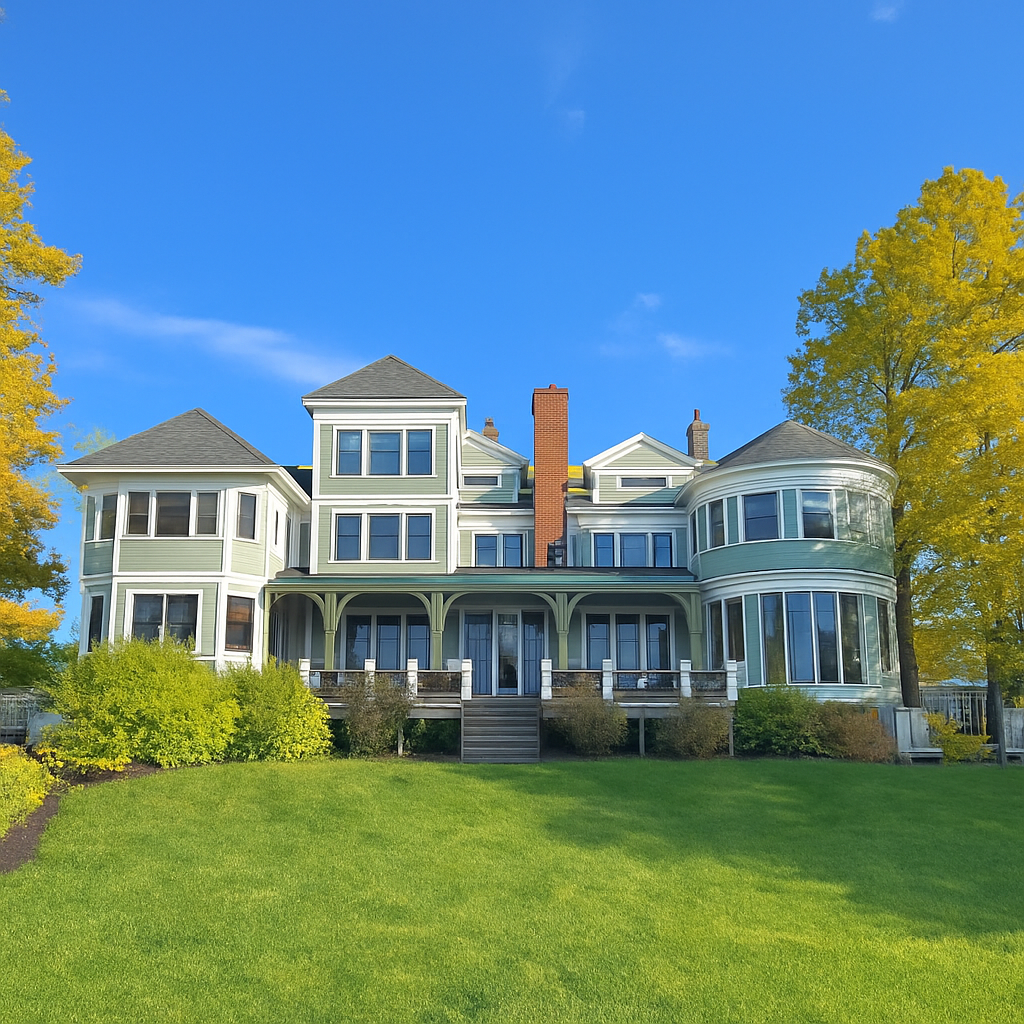
Romantic rooms right on the water.
For campers, Blackwoods Campground (near the Park Loop Road) and Seawall Campground (on the quieter side of the island) are both excellent options, You must book months in advance.
When to Capture the Magic
Photographers will find inspiration at every turn, but the best light comes early and late in the day.
Sunrise: Cadillac Mountain or Ocean Path near Thunder Hole.
Sunset: Bass Harbor Head Lighthouse or the cliffs at Otter Point.
Foggy mornings: Jordan Pond and the carriage roads look ethereal when mist rolls through.
The Spirit of Acadia
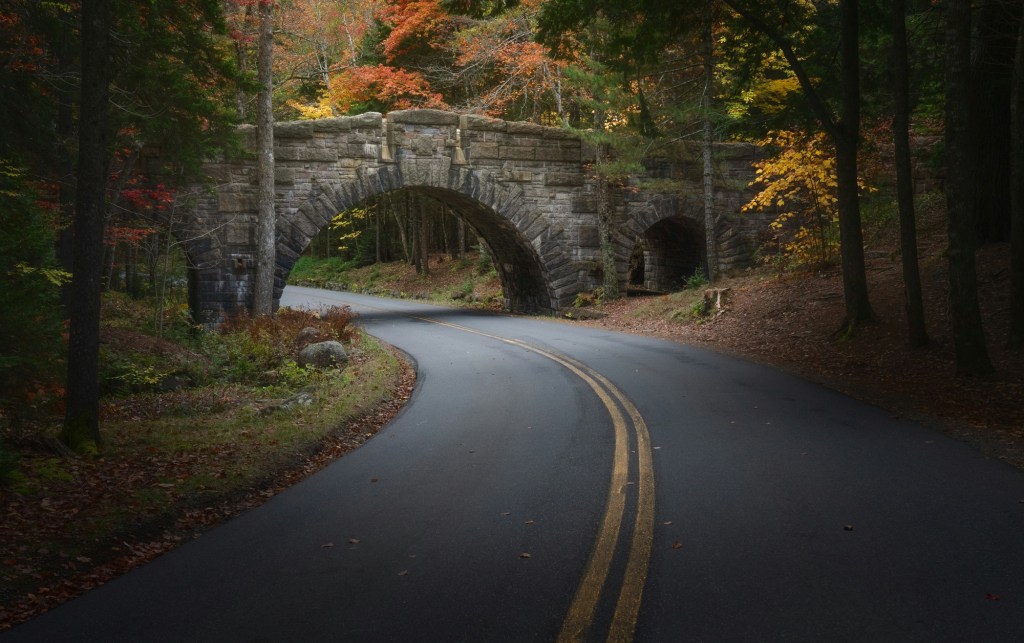
There’s something about Acadia that feels timeless. Maybe it’s the sound of waves echoing through pine forests, or the way morning light touches the granite peaks. It’s not just a park to see, but one to feel. Travelers who come here don’t just tick a box on their bucket list; they reconnect with nature, with stillness, and often with themselves.
Whether you’re hiking, stargazing, or simply breathing in the salt air, Acadia has a way of grounding you. It reminds you that the wild still has a place in our busy lives, and that beauty often hides in simplicity.
 Bucket List World Travel
Leave a comment