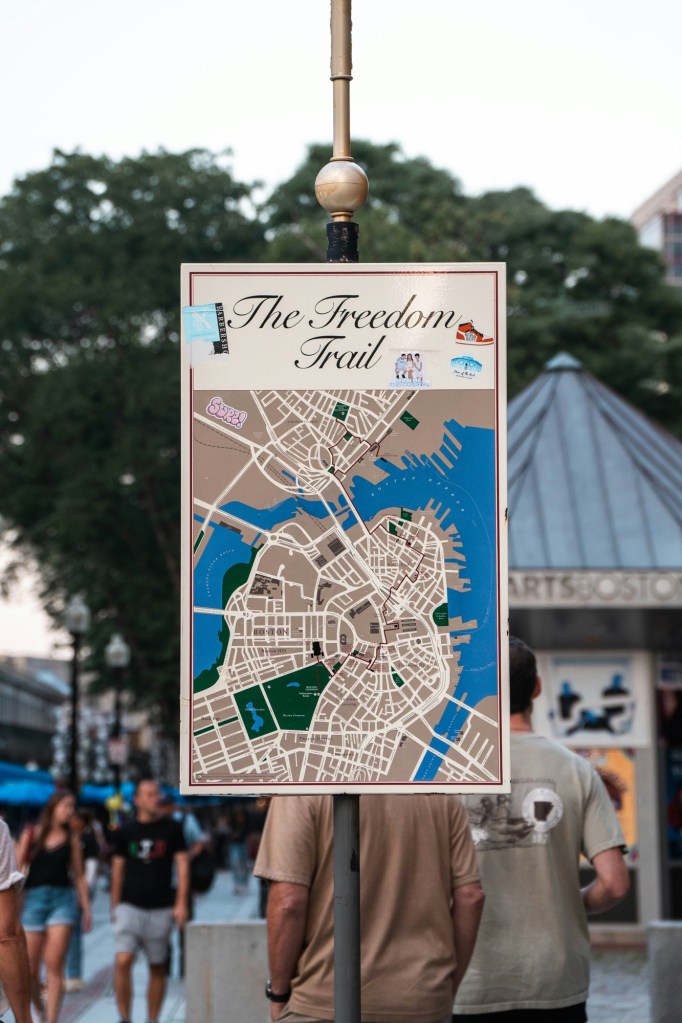
Boston is a city where every cobblestone seems to whisper a story, and few experiences capture that better than walking the Freedom Trail. This 2.5-mile red-brick path weaves through the heart of downtown, connecting sixteen historic sites that trace the nation’s fight for independence. For travelers, it’s not just a history lesson—it’s a journey through time, architecture, and the enduring ideals of liberty and resilience that define America’s beginnings.
Whether you’re visiting Boston for a day or a week, the Freedom Trail offers a self-guided adventure that combines culture, discovery, and the simple joy of exploring a city that still wears its history proudly.
Where the Freedom Trail Begins
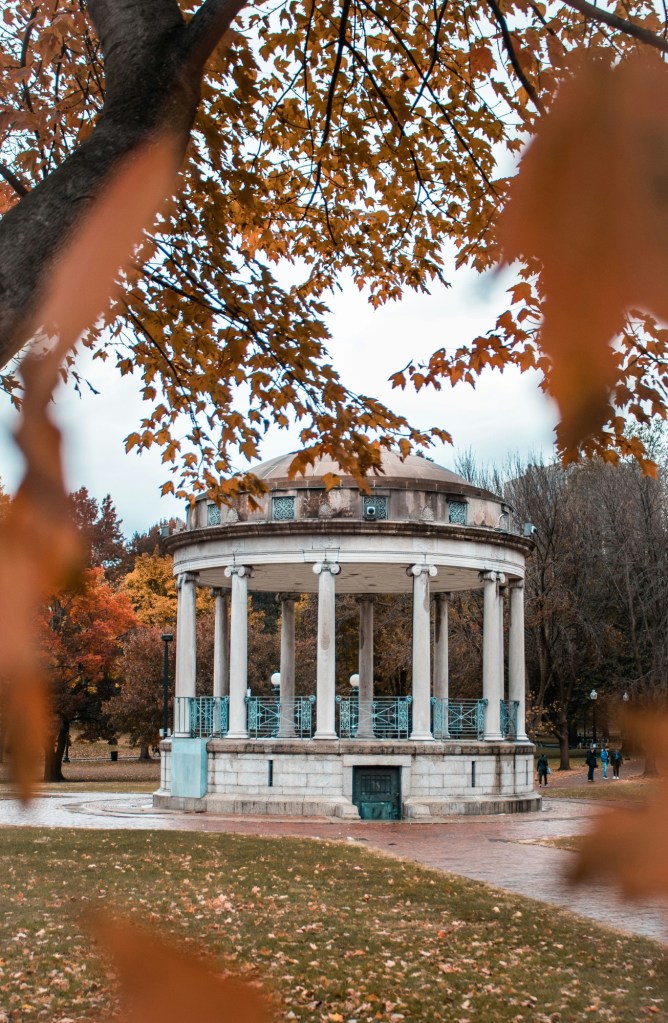
The Freedom Trail begins in Boston Common, America’s oldest public park, established in 1634. This is the perfect place to start your exploration. Stretching across 50 acres of green lawns and winding paths, the Common has been everything from a colonial grazing pasture to a site of protests and celebrations. Today, it’s where locals picnic and relax while visitors gather around the Visitor Information Center to grab maps or join a guided tour.
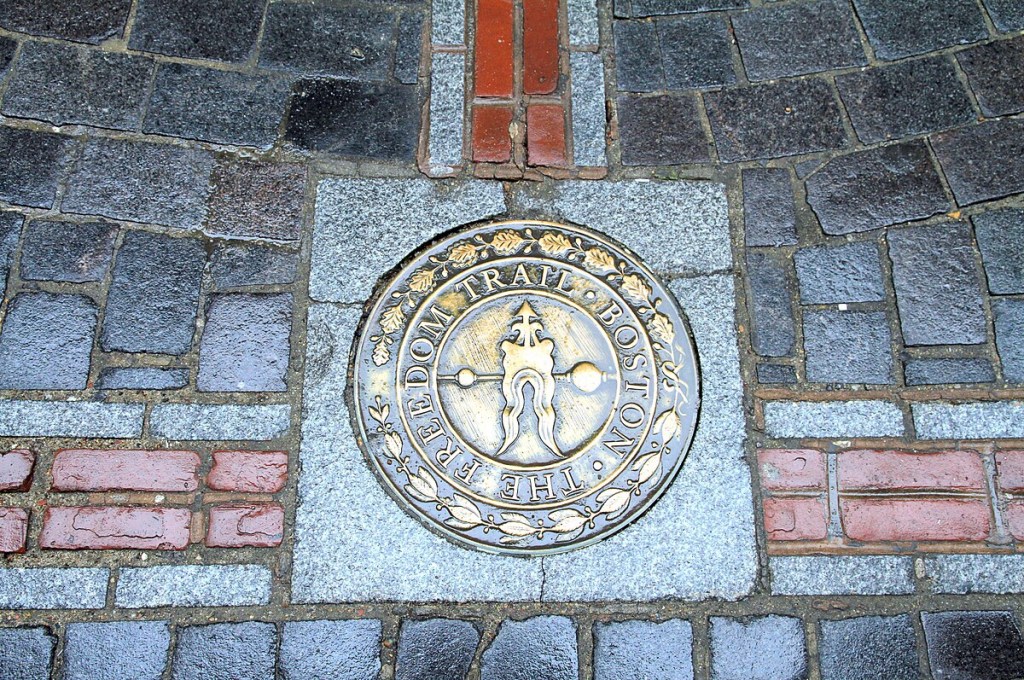
From here, look down—you’ll notice the red-brick or painted line that will lead you through the city. That simple line connects nearly four centuries of stories, guiding you past some of the most significant landmarks in early American history.
Following the Path of Revolution
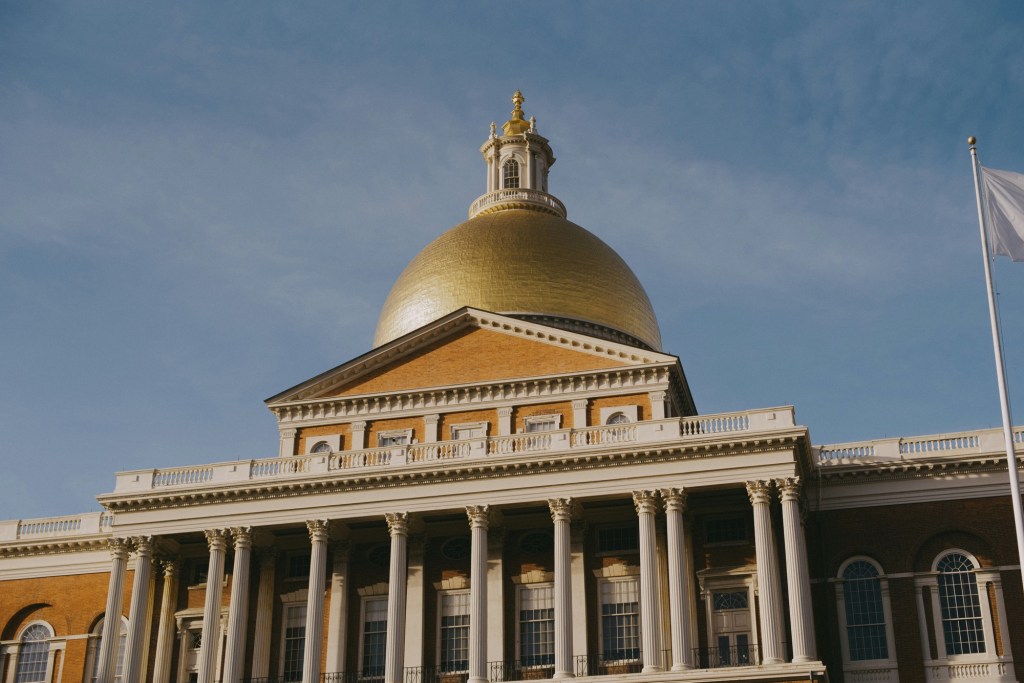
Leaving the Common, the trail quickly leads you to the Massachusetts State House, crowned with its gleaming golden dome. Built in 1798 and designed by Charles Bulfinch, it remains a powerful symbol of the state’s government and pride. Standing on Beacon Hill, it’s one of the most recognizable landmarks in Boston.
A short walk away, you’ll find the Park Street Church, famous for its role in social reform and abolitionist movements. It was here in 1829 that William Lloyd Garrison delivered his first anti-slavery speech. Right next door lies the Granary Burying Ground, one of the city’s oldest cemeteries and the resting place of several key figures from the American Revolution, including Paul Revere, Samuel Adams, and John Hancock.
It’s a humbling moment to pause among the weathered gravestones, surrounded by the sounds of a modern city, and imagine the people who helped shape the course of a new nation.
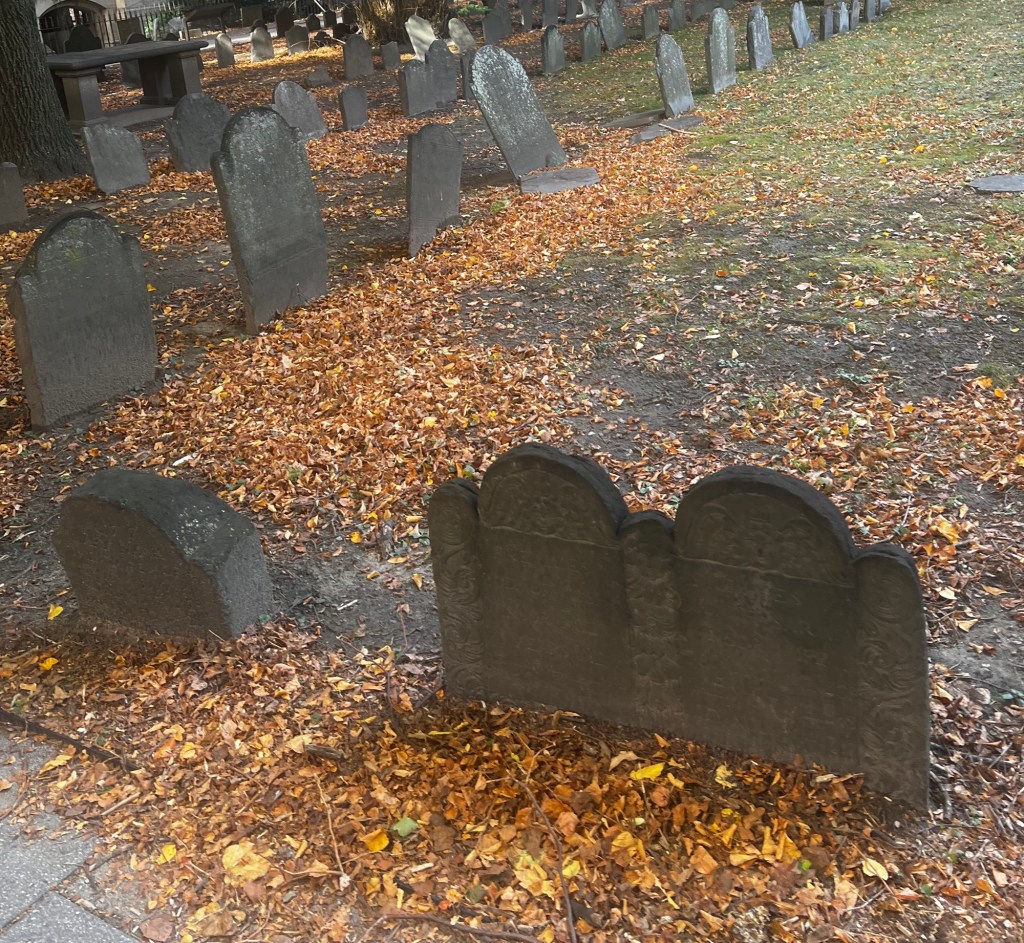
Continue along the red line and you’ll reach King’s Chapel and its adjoining burying ground. The chapel, originally Anglican, became the first Unitarian church in America and still holds services today. Its stone architecture and simple, elegant interior feel like a quiet refuge from the bustling streets outside.
The Old South Meeting House and Old State House
Few places on the Freedom Trail hold as much revolutionary energy as the Old South Meeting House. In December 1773, more than five thousand colonists gathered here to protest the British tax on tea. Their impassioned meeting ended with the march to Griffin’s Wharf, where they dumped the tea into Boston Harbor—a moment that would ignite the American Revolution.
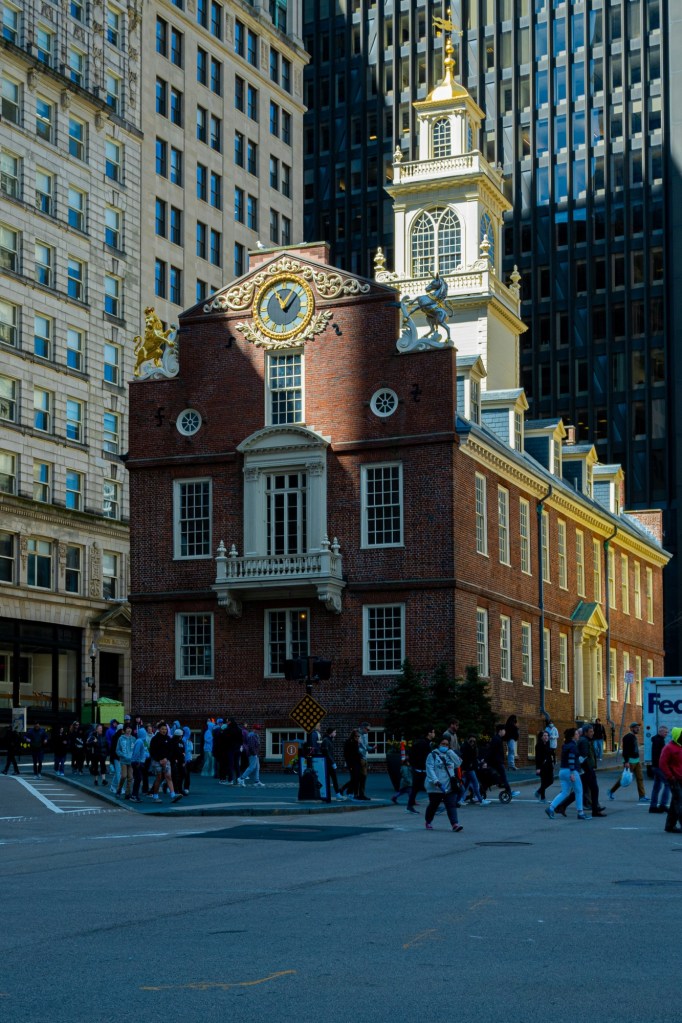
Just a short distance away stands the Old State House, one of the oldest surviving public buildings in the United States. Surrounded by skyscrapers, it feels like a time capsule amid modern glass and steel. It was from the balcony of this very building that the Declaration of Independence was first read to the people of Boston on July 18, 1776.
Today, the Old State House functions as a museum filled with exhibits that bring 18th-century Boston to life. Outside, at the foot of the building, you’ll find the site of the Boston Massacre, marked by a circular plaque embedded in the cobblestones. This is where, in March 1770, British soldiers fired into a crowd of protesting colonists, killing five men and setting the stage for revolution.
Exploring the North End: Paul Revere’s Legacy
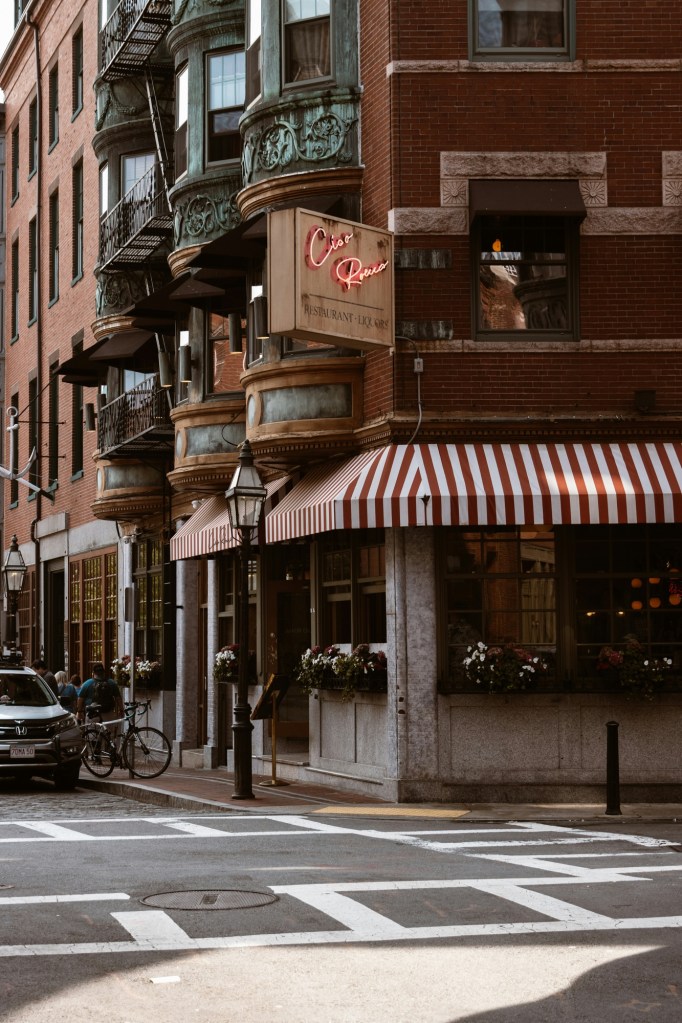
As you follow the trail north across bustling downtown streets, you’ll arrive in the North End, Boston’s oldest residential neighborhood. Here the city’s colonial charm comes alive—narrow brick alleys, gas lamps, and the smell of espresso from Italian cafés.
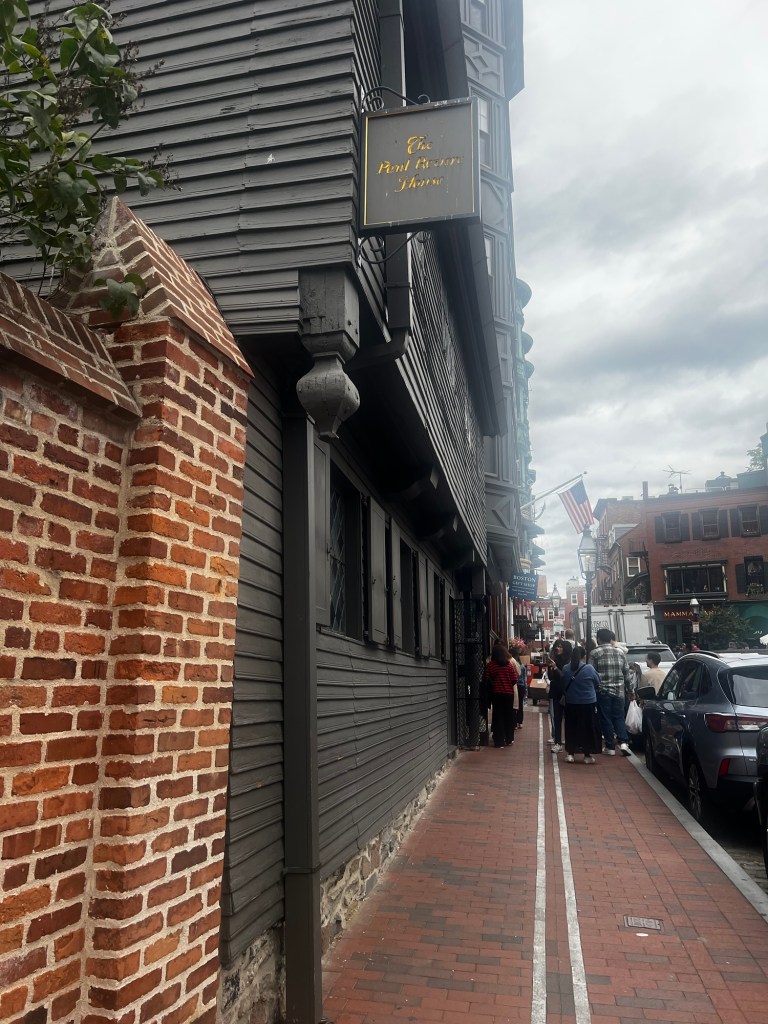
At the heart of the North End stands the Paul Revere House, the modest wooden home of the famous patriot and silversmith. Built around 1680, it’s one of the oldest remaining buildings in the city. Inside, the furnishings and displays offer a glimpse into colonial life and the legendary ride that helped spark the Revolution.
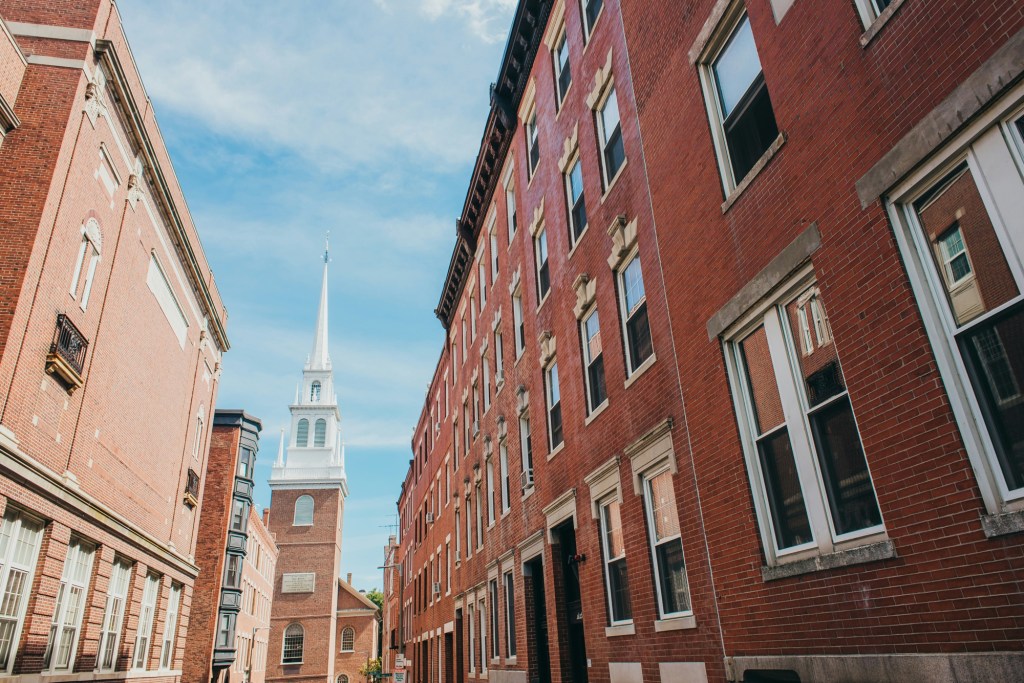
Not far from Revere’s house stands the Old North Church, the tallest building in colonial Boston and one of the most iconic stops on the trail. It was from this church’s steeple that the signal lanterns were hung—“One if by land, two if by sea”—to warn that British troops were on the move.
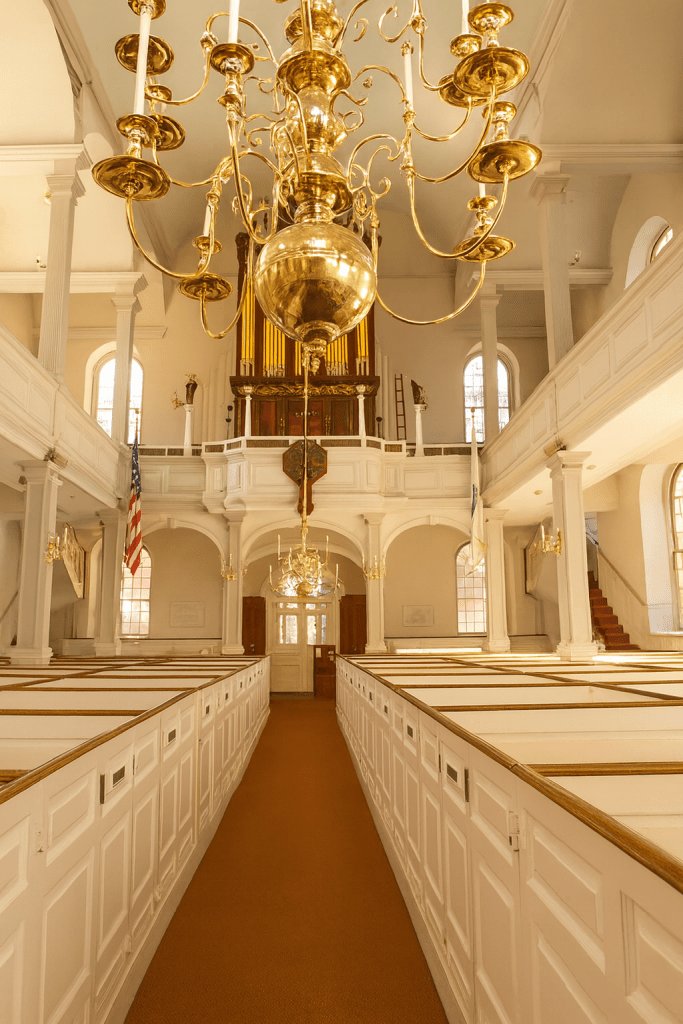
Climb the narrow stairs to the steeple for sweeping views of the North End and Boston Harbor, or wander through the church’s historic pews where generations have worshiped since 1723. The adjacent courtyard and burying ground provide a peaceful place to reflect before continuing on.
Across the Charles River: The Bunker Hill Monument
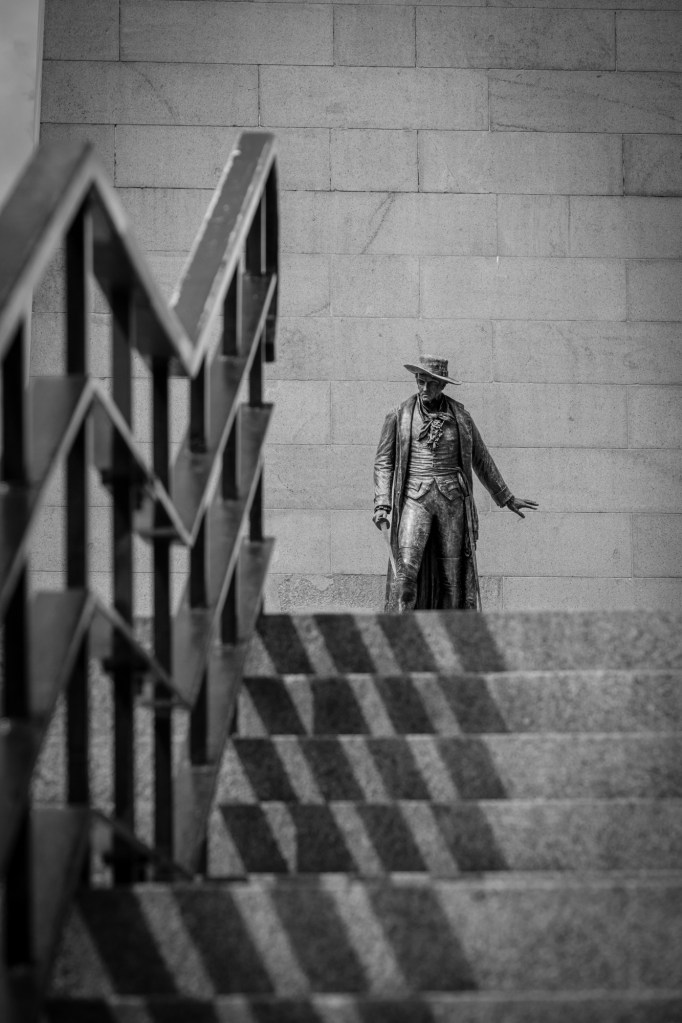
Leaving the North End, the Freedom Trail crosses the Charlestown Bridge into one of Boston’s most scenic neighborhoods. The final stretch leads to two landmarks that represent both victory and sacrifice: the USS Constitution and the Bunker Hill Monument.

The USS Constitution, affectionately known as “Old Ironsides,” is the world’s oldest commissioned warship still afloat. Launched in 1797, she earned her nickname during the War of 1812 when British cannonballs appeared to bounce off her strong oak hull. Visitors can tour the ship and explore the nearby museum to learn about her battles and her crew’s lives at sea.
A short walk uphill brings you to the Bunker Hill Monument, a towering granite obelisk commemorating one of the first major battles of the American Revolution. The Battle of Bunker Hill in 1775 was technically a British victory, but it came at such a high cost that it proved the colonial militia could stand up to one of the most powerful armies in the world.
Climb the 294 steps to the top of the monument and you’ll be rewarded with panoramic views of Boston’s skyline, the harbor, and the path you’ve walked—a breathtaking conclusion to your journey.
Tips for Walking the Freedom Trail
The Freedom Trail is best experienced at your own pace. The full walk can take anywhere from two hours to a full day depending on how many stops you make and how long you spend exploring.
Start early to avoid crowds and enjoy the morning light, especially in summer. Wear comfortable shoes; the path includes brick sidewalks and uneven cobblestones. Bring water, as there are limited spots to refill along certain sections. Consider splitting the trail into two segments if you prefer a slower pace: downtown Boston and the North End in one half-day, then Charlestown and Bunker Hill in another. If you want expert storytelling, book a tour through the Freedom Trail Foundation. Their costumed guides—often in period attire—bring the characters of 1775 to life with humor and passion.
Many travelers also enjoy turning the Freedom Trail into a culinary journey. Grab lunch at Quincy Market, stop for coffee in the North End, or reward yourself with a lobster roll after reaching Charlestown. Boston’s food scene is intertwined with its history, and there’s no better way to experience both than on foot.
Why the Freedom Trail Still Matters

The Freedom Trail isn’t just a collection of historic buildings—it’s the story of how a small group of people dared to challenge an empire. It’s about ideas that were once radical but became the foundation of democracy. And as you walk, those ideals feel close enough to touch.
In an age of fast travel and fleeting trends, the trail stands as a reminder that some journeys deserve to be taken slowly. Each site tells a piece of a larger story: one of courage, debate, rebellion, and hope.
The experience is powerful not just because of what happened here, but because of how Boston preserves it. You’re not looking at distant history behind ropes and glass—you’re walking through it. The same streets that carried the footsteps of revolutionaries now carry your own.
Final Thoughts

For travelers, the Freedom Trail is a must-do experience that combines culture, storytelling, and unforgettable scenery. It’s an easy-to-follow route that transforms a day in Boston into a journey through the birth of a nation.
Whether you’re standing beneath the golden dome of the State House, pausing at Paul Revere’s doorstep, or gazing across the city from the top of Bunker Hill, every moment on the trail connects past and present.
Boston has many layers—academic, maritime, modern—but its heart beats strongest along this red line. To walk the Freedom Trail is to walk in the footsteps of dreamers and revolutionaries. And when you reach the end, standing high above the city they helped build, you’ll understand that freedom isn’t just a word carved in stone—it’s something that must be lived, cherished, and protected, one step at a time.
 Bucket List World Travel
Leave a comment