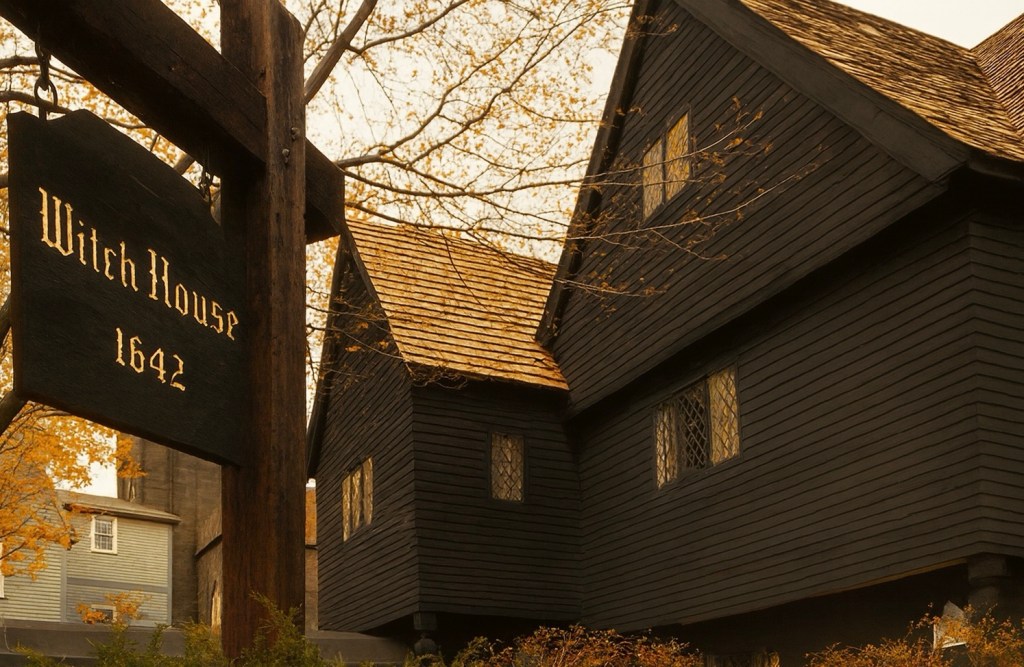
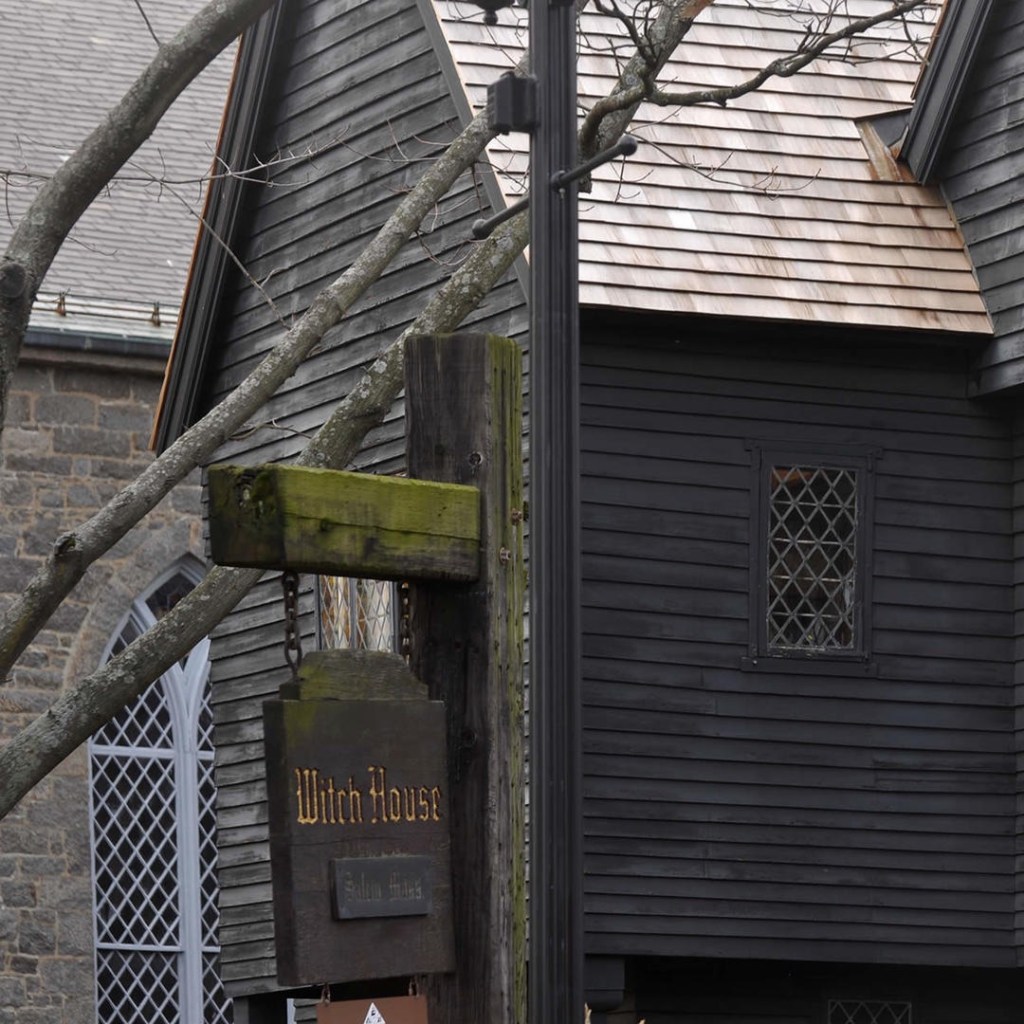
If you only have time for one stop in Salem, make it The Witch House. Officially known as the Jonathan Corwin House, this striking black timber home is the only building in Salem still standing with direct ties to the 1692 Witch Trials. Step inside, and you’ll travel back more than three centuries to a world of superstition, religion, and fear — the very roots of one of America’s darkest chapters.
Whether you come for the history, the atmosphere, or the photo ops, this is a place that captures the true essence of Salem — eerie, fascinating, and deeply human.
A Brief History of the Witch House
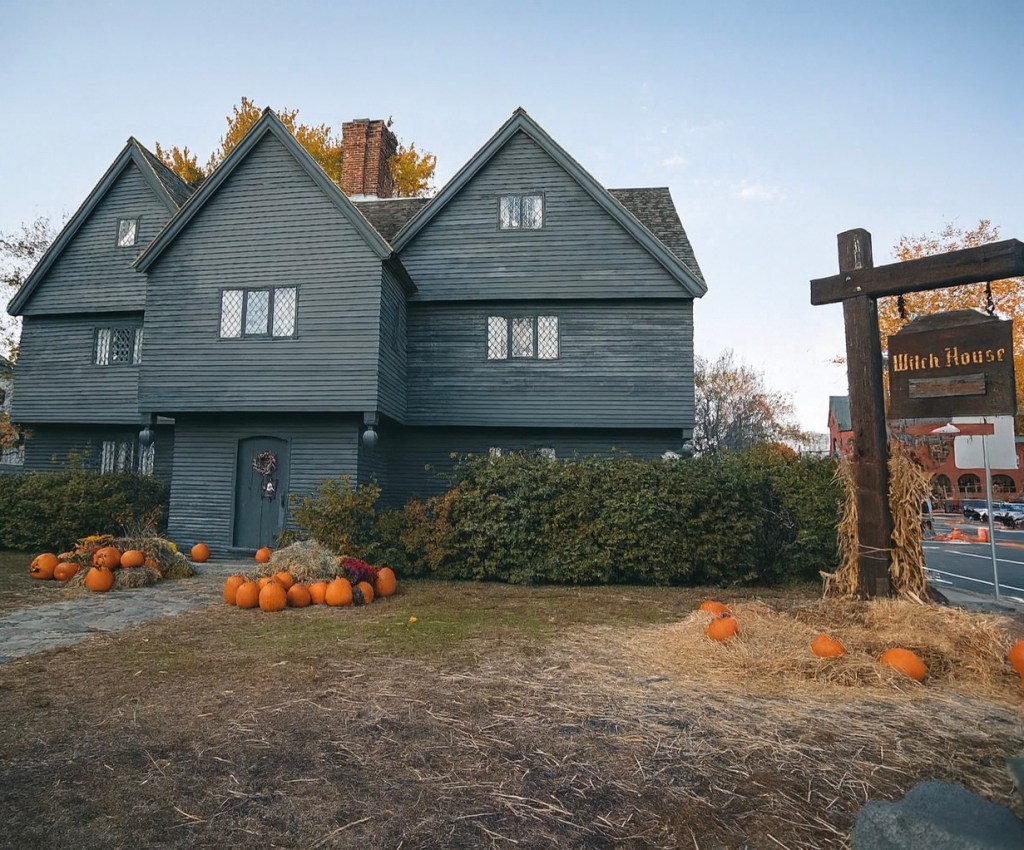
The Witch House was built between 1620 and 1642 and later purchased by Judge Jonathan Corwin, a wealthy merchant and civic leader. In 1692, Corwin was called to investigate the strange “afflictions” that swept through Salem Village (now Danvers). He became one of the judges in the Witch Trials, which led to the execution of 20 people and the imprisonment of many more.
Though no one accused of witchcraft ever lived or died inside this house, it’s the last physical structure connected to the trials. Corwin and his family lived here during that turbulent time, and many decisions that shaped the course of the trials were likely discussed under this very roof.
The house has survived fires, wars, and centuries of change. Today, it stands as a preserved museum — part historical exhibit, part time capsule, and part haunting reminder of what hysteria can do to a community.
Stepping Inside — What You’ll See

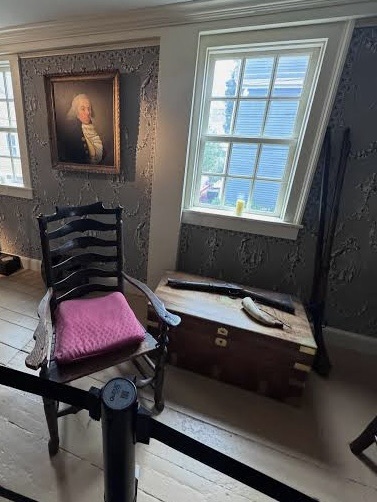
When you walk through the dark wooden door of the Witch House, you immediately notice how small and dim the rooms feel. The ceilings are low, the floors creak underfoot, and the air smells faintly of smoke and age. Every room is carefully furnished to reflect life in 17th-century Puritan New England.
You’ll move through several restored rooms that tell the story of both daily life and the broader context of the Witch Trials:
• The Front Parlor

Once a formal space used to receive guests, this room offers insight into Puritan domestic life. The carved chairs, heavy oak table, and spinning wheel show the simplicity and restraint that defined early colonial homes. Here, guides explain how religion dominated family routines — from mealtime prayers to bedtime devotions.
• The Kitchen
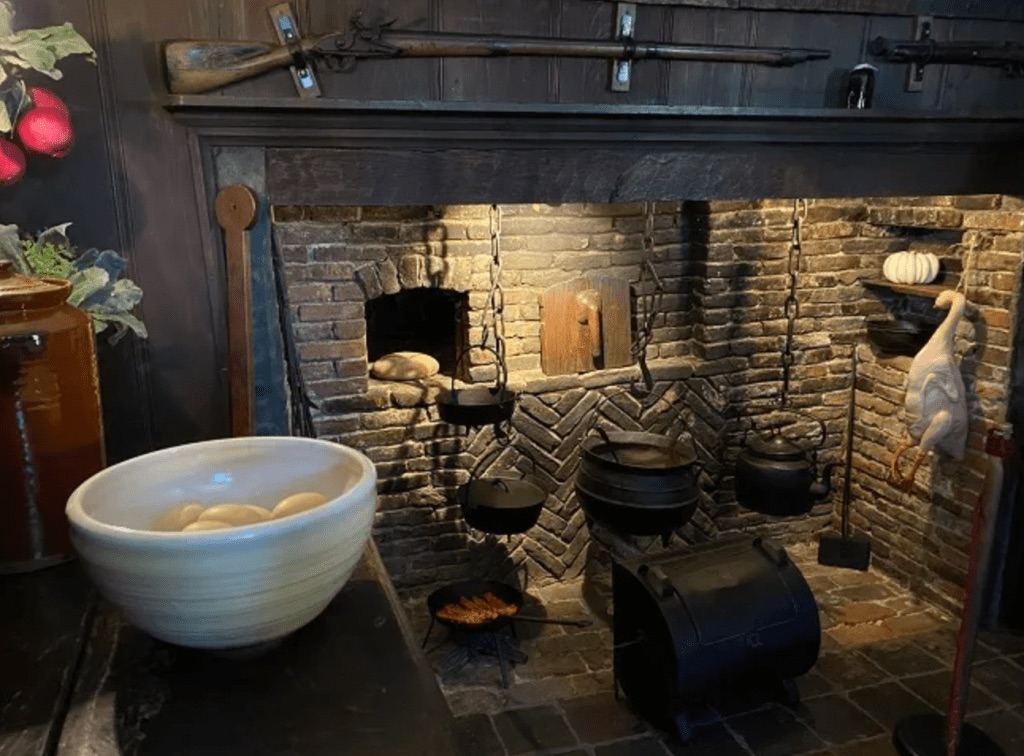
The kitchen is the largest and most fascinating room in the house. You’ll see a massive hearth used for cooking, drying herbs, and making candles. Hanging herbs and iron cooking tools illustrate how closely Puritan life was tied to both faith and folklore — sickness, bad luck, and poor harvests were often blamed on spiritual causes.
Visitors often linger here, where docents explain early medical beliefs and “witch marks” — strange symbols scratched into tools or door frames to ward off evil.
• The Children’s Chamber

A small cradle, hand-sewn quilts, and period toys reveal how children were raised in a world that taught them to fear sin and the devil. It’s both fascinating and sobering to think that in 1692, even young girls became central figures in the witch hysteria.
• The Study
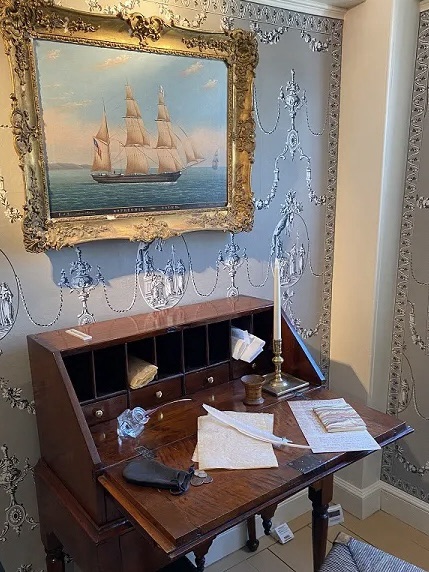
This is perhaps the most chilling room. It’s where Judge Corwin might have read legal documents or discussed accusations that changed lives forever. The room includes 17th-century books, writing quills, and a replica of an early court record. Standing there, it’s easy to imagine the moral struggle between justice and belief that defined Salem’s history.
The Atmosphere

Unlike the theatrical haunted houses that fill Salem in October, the Witch House doesn’t rely on gimmicks. Its power is in its authenticity.
The shadows, the smell of old wood, and the silence between footsteps create a quiet intensity that feels far more real than any staged scare. You can almost hear the echo of voices — a mother teaching her child, a judge debating with himself, a community divided by fear.
Even during the lively Halloween season, when costumed visitors crowd the streets outside, the interior feels frozen in time. It’s both eerie and moving — a reminder that real people once lived here, loved here, and made decisions that would ripple through centuries.
What You’ll Learn
The Witch House doesn’t just tell you what happened in 1692 — it helps you understand why it happened.
Through displays and guided interpretation, you’ll learn about:
The Puritan belief system and how religion shaped their laws. The social tensions and rivalries that fueled suspicion. The medical and superstitious practices of the time. The psychological fear of the unknown that led to mass hysteria.
It’s a place where the story unfolds slowly, through objects and atmosphere, rather than flashy exhibits. By the time you leave, you’ll feel like you’ve stepped out of another world — one that still echoes through American history.
Visitor Information
Location:
310 Essex Street, Salem, Massachusetts
Hours:
Spring & Summer: 10 a.m. – 5 p.m.
Fall (September–October): Extended hours until 7 or 8 p.m.
Winter: Shorter hours; check the official website for seasonal updates.
Tickets:
Adults: around $10–$13
Seniors, Students, Military: discounted
Children under 6: free
Tickets are available both at the door and online, but advance booking is strongly recommended during October when Salem gets extremely busy.
Tours:
You can take a self-guided tour at your own pace or join a docent-led experience that dives deeper into the history and context. The guided option is especially worthwhile if you’re interested in the Witch Trials or early New England culture.
Accessibility:
The structure dates to the 1600s, so accessibility can be limited — stairs and narrow doorways may be difficult for some visitors. The staff are helpful and can assist where possible.
Time Needed:
Most visitors spend 30–45 minutes exploring the interior and a bit longer if joining a guided tour or browsing the gift shop.
Visiting in October
October is when Salem transforms into a full-blown celebration of all things spooky, and the Witch House becomes one of the city’s must-see stops. Expect long lines, street performers, costume parades, and festivals all around Essex Street.
To make the most of your visit:
Buy tickets ahead of time. Arrive early in the morning before crowds form. Plan extra time for parking — downtown fills up fast. Combine your visit with nearby attractions like the Salem Witch Museum, Witch Trials Memorial, or The Burying Point Cemetery for a full day of Salem history.
Even though October is crowded, it’s also the most magical time to visit — with crisp air, colorful leaves, and the unmistakable feeling that the past is never too far away in Salem.
Nearby Things to See and Do
After visiting the Witch House, explore the nearby historic district, which is walkable and packed with attractions, restaurants, and boutiques.
Top Nearby Stops:
Salem Witch Trials Memorial: A peaceful stone monument honoring the victims of 1692.
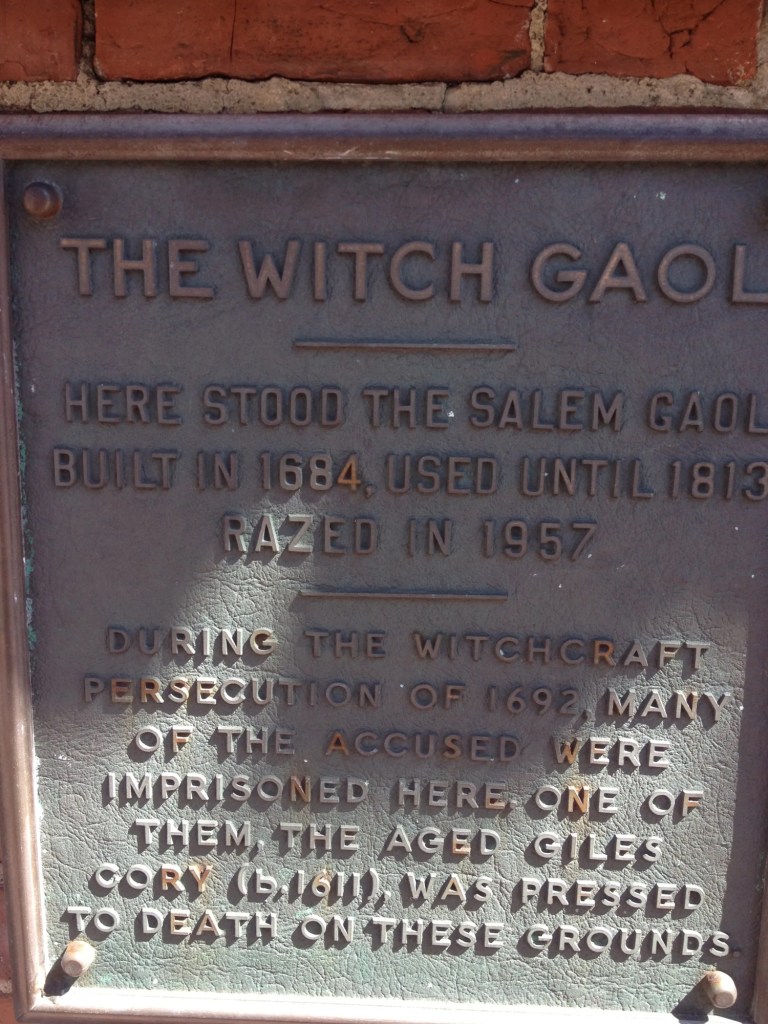
Old Burying Point Cemetery: One of the oldest cemeteries in the U.S. and the resting place of Judge Hathorne.
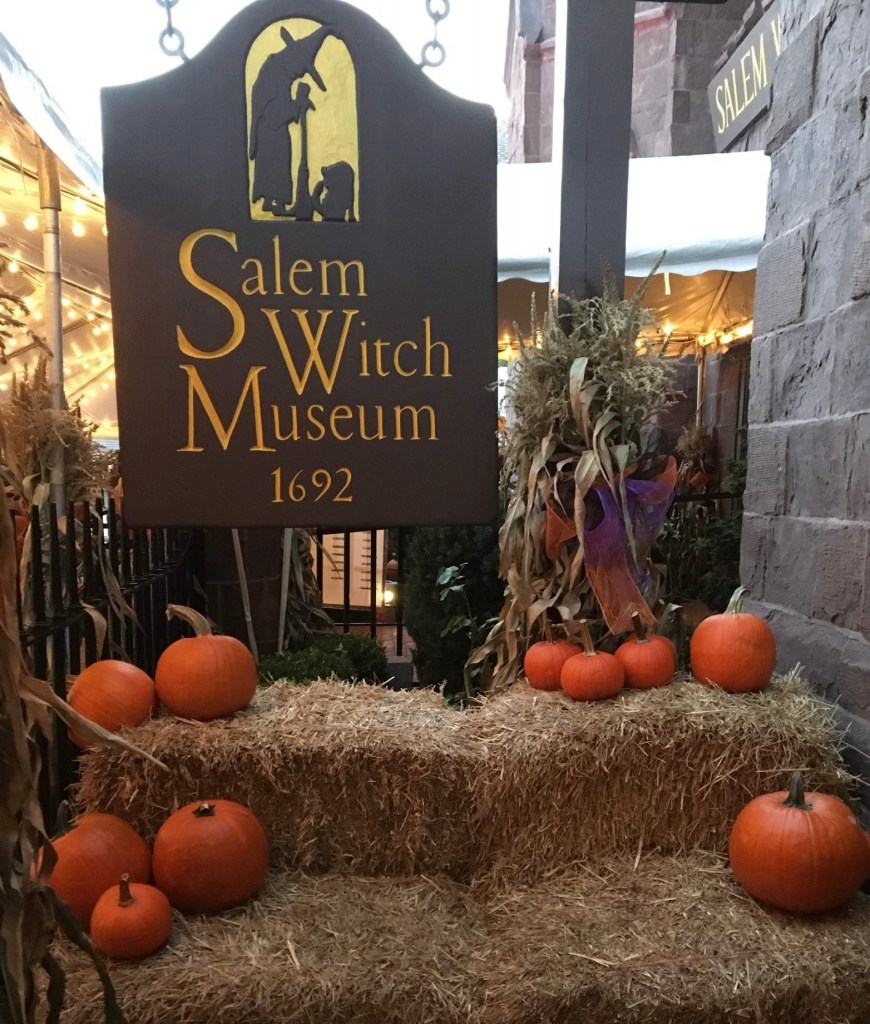
The Salem Witch Museum: Offers a theatrical overview of the trials — more dramatic but a good complement to the Witch House.
Peabody Essex Museum: A world-class museum that connects Salem’s maritime and global heritage.
Pickering Wharf: A scenic waterfront spot for lunch, souvenirs, and harbor views.
Tips for the Best Experience
Go early or late: To avoid crowds and get better lighting for photos.
Bring cash: Some smaller attractions and vendors nearby are cash-only.
Dress comfortably: You’ll be walking a lot on cobblestone streets.
Stay overnight: Salem has charming inns and boutique hotels like The Merchant, The Hawthorne Hotel, and The Salem Inn, all within walking distance.
Combine your visit: Pair the Witch House with other sites to deepen your understanding of Salem’s past beyond the witch trials — the maritime heritage, architecture, and modern art scene all add balance to your visit.
Final Thoughts
The Witch House isn’t just a museum — it’s a portal into the mindset of 17th-century Salem.
While most attractions in town play up the supernatural, this house tells a quieter, more haunting truth: how fear and belief can shape a community.
Walking through its creaking halls, you can almost feel the tension between faith and reason, justice and hysteria. And when you step back outside into the modern bustle of Salem, you carry that story with you — a reminder that history isn’t just in books, but in the walls we choose to preserve.
 Bucket List World Travel
Leave a comment