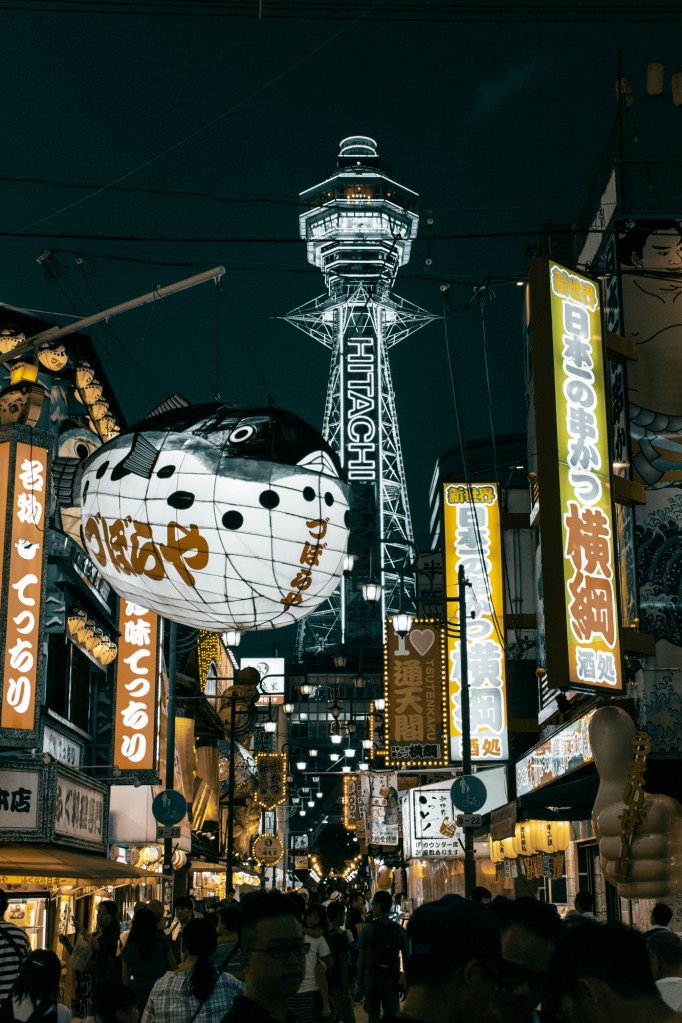
There’s a rhythm to Osaka that you can’t quite put into words until you’ve been there. It’s in the sizzle of takoyaki on a street corner, the neon reflection dancing on Dotonbori’s canal, and the friendly nods of locals who treat visitors like neighbors. Tokyo may be the polished metropolis and Kyoto the ancient soul of Japan, but Osaka — Osaka is the heart. It’s where culture, food, and character collide in a way that feels both real and endlessly exciting.
If you’re planning a trip to Japan, set aside time for this bold, boisterous, and utterly lovable city. Here’s everything you need to know about visiting Osaka — from its top attractions and hidden gems to where to eat, stay, and soak up the energy that makes it unforgettable.
The Spirit of Osaka: A City with Personality

Osaka is Japan’s third-largest city, but it’s known for being the most down-to-earth. Locals, called Osakans, have a reputation for humor, warmth, and a love of conversation. You’ll notice it the moment you walk into a café or a ramen shop — people greet you with genuine smiles, not the distant politeness you might find elsewhere.
The city’s motto might as well be kuidaore — meaning “to eat until you drop.” But Osaka is much more than Japan’s food capital. It’s a city that embraces both the old and new with effortless charm — ancient temples resting in the shadow of skyscrapers, retro shopping streets buzzing with teenagers, and tranquil gardens tucked just minutes from modern train stations.
Dotonbori: The Beating Heart of Osaka
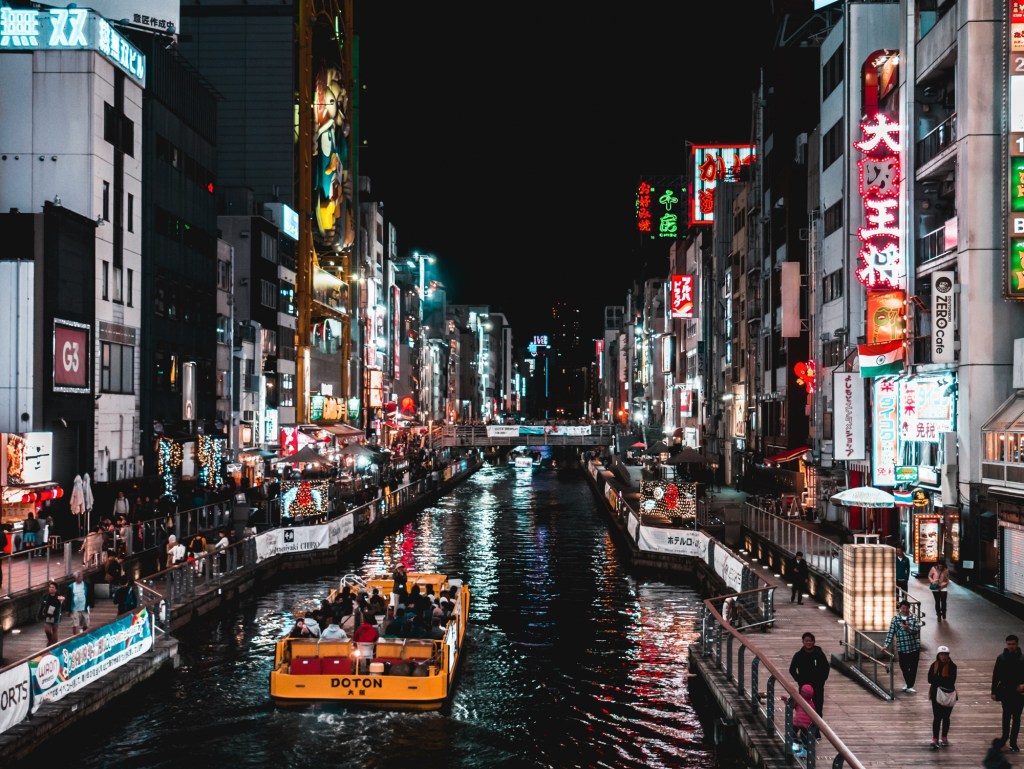
If Tokyo has Shibuya, Osaka has Dotonbori — a neon-lit playground that feels alive every hour of the day. Located along the Dotonbori Canal, this district is where locals and travelers come to eat, shop, and simply feel the pulse of the city.
Giant illuminated signs tower above — from the famous Glico running man to the enormous moving crab of Kani Doraku. The lights reflect on the water like a living painting, and the streets are filled with the scent of grilled seafood, fried skewers, and soy sauce.
Must-try street foods in Dotonbori:
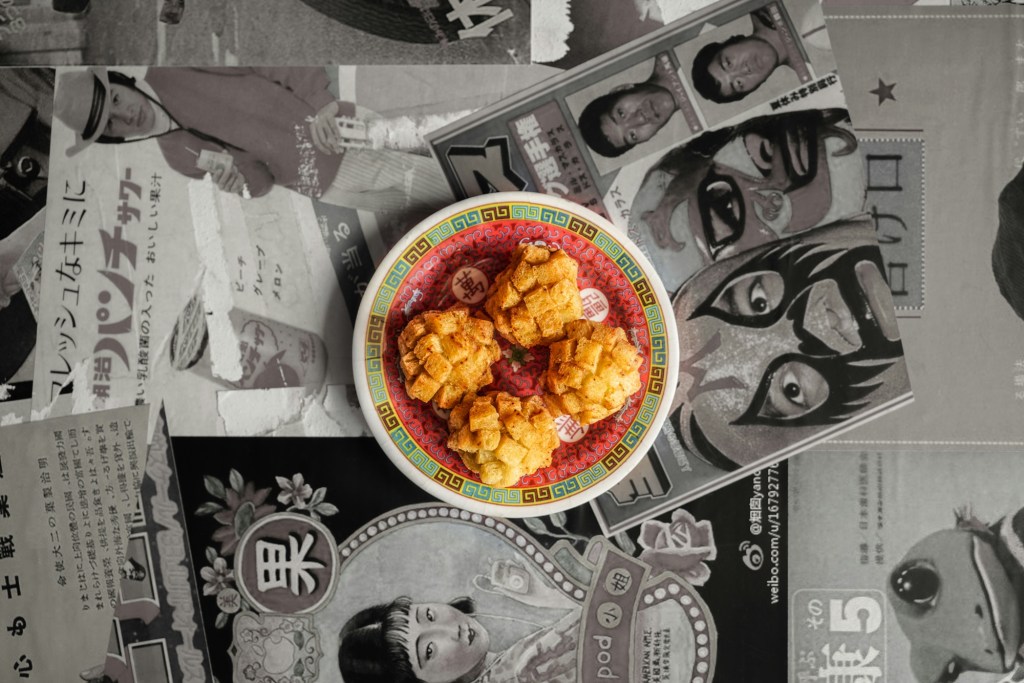
Takoyaki – Fried octopus balls topped with sweet sauce, mayo, and bonito flakes.
Okonomiyaki – A savory pancake layered with cabbage, meat, and seafood — cooked right in front of you.
Kushikatsu – Deep-fried skewers of meat or vegetables, dipped in a tangy sauce.
Yakisoba – Stir-fried noodles with pork and vegetables, served sizzling hot.
Tip: Visit in the evening, when the neon signs come alive, and take a slow walk along the canal. You’ll see Osaka’s personality in full color — energetic, bold, and full of heart.
Osaka Castle: History Wrapped in Beauty
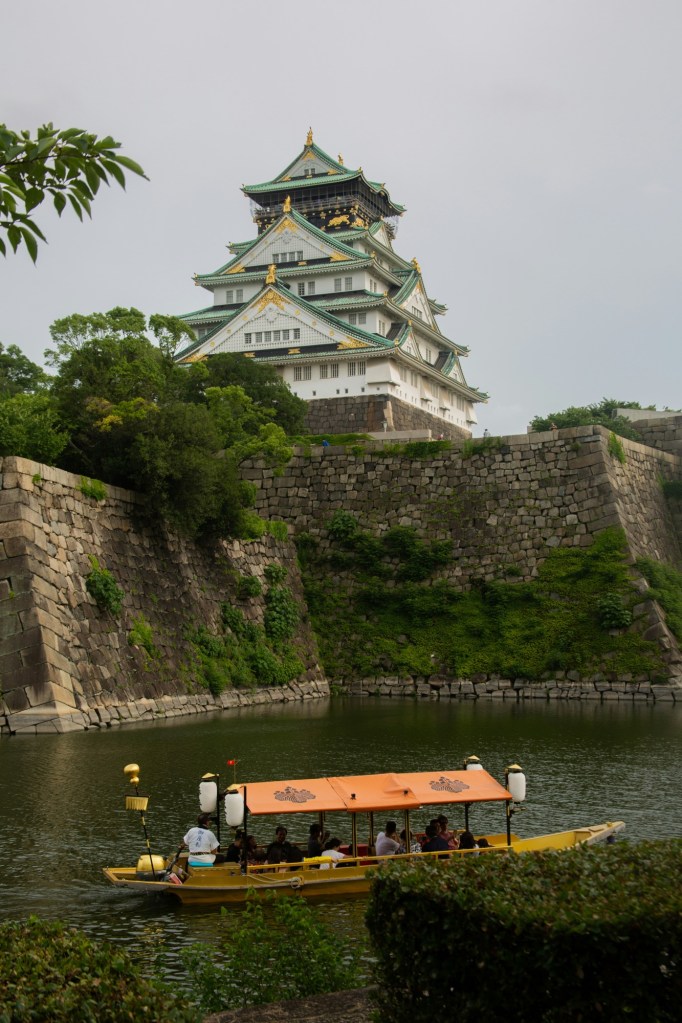
A symbol of resilience and grandeur, Osaka Castle stands proudly amid sprawling parklands that are especially breathtaking in spring and autumn. Originally built in the 16th century by the warlord Toyotomi Hideyoshi, the castle played a major role in Japan’s unification.
Today, the castle houses a museum chronicling Osaka’s history, while the grounds serve as a peaceful escape from the city buzz. Climb to the observation deck for panoramic views of the skyline framed by cherry blossoms (in April) or fiery red maples (in November).
If you visit in fall, the air feels crisp, and the leaves blanket the park in shades of amber and gold — it’s one of the most picturesque spots in the city.
Shinsaibashi & Amerikamura: Osaka’s Shopping Soul
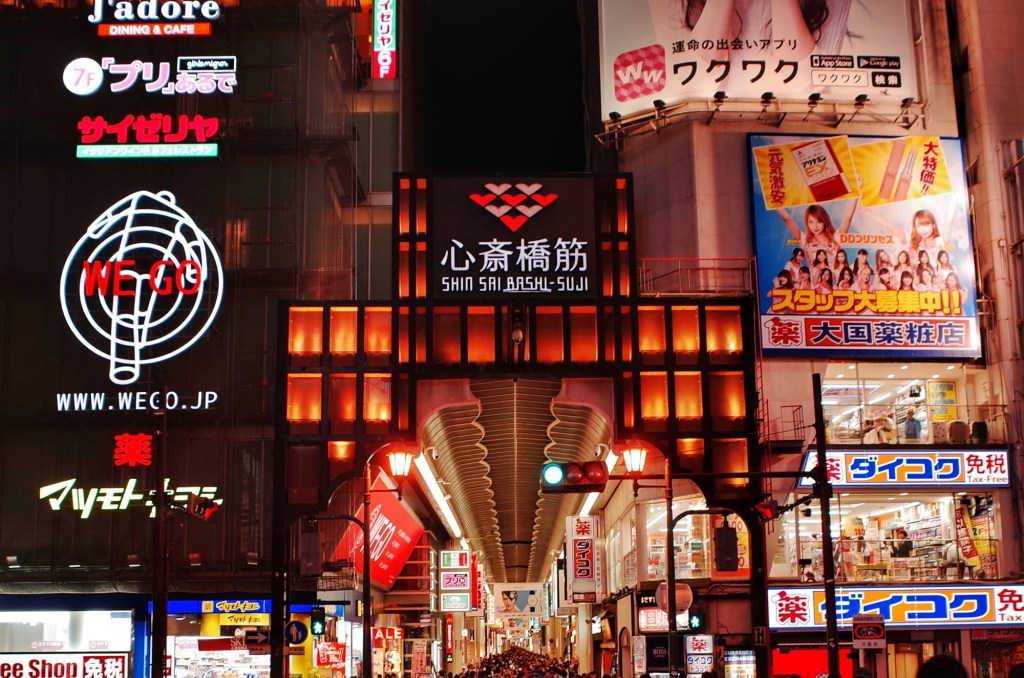
A short walk from Dotonbori lies Shinsaibashi-suji, Osaka’s main shopping arcade — a covered street packed with boutiques, cafés, and colorful storefronts that seem to stretch endlessly.
For something more creative, head to Amerikamura (American Village) just nearby. Think of it as Osaka’s version of Harajuku — a youthful, artsy district filled with thrift stores, murals, street food trucks, and independent fashion shops.
Grab a matcha latte from a quirky café and spend an afternoon exploring. You’ll find vintage denim shops, handmade jewelry stalls, and even entire stores dedicated to sneakers. The vibe is effortlessly cool, blending Japanese subculture with Western influences in a way that feels distinctly Osaka.
A Food Lover’s Dream: What to Eat in Osaka
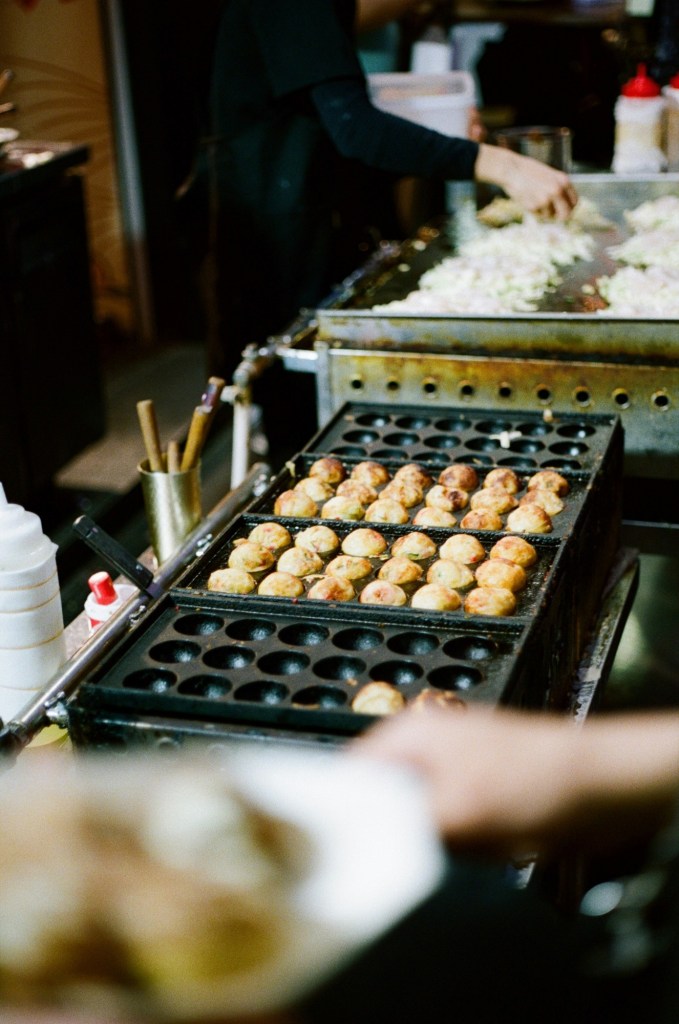
If there’s one thing you must do in Osaka, it’s eat. The city’s culinary scene is legendary, not just for its flavors but for its passion.
Top food experiences you shouldn’t miss:
Kuromon Ichiba Market: Known as “Osaka’s kitchen,” this market is paradise for food lovers. Try everything from fresh sashimi to wagyu skewers and mochi desserts.
Shinsekai District: A retro neighborhood that feels like stepping back into the 1950s. Grab kushikatsu (fried skewers) from a street stall and enjoy it under the glow of Tsutenkaku Tower.
Ramen in Namba: Duck into one of the tiny ramen shops near Namba Station for steaming bowls of rich, flavorful broth — you’ll likely find your favorite by accident.
Street-side takoyaki stalls: They’re everywhere, and every local will tell you a different “best one.” Try a few — it’s part of the fun.
Don’t forget dessert — Osaka is home to mouthwatering treats like taiyaki (fish-shaped pastries filled with sweet bean paste or custard) and fluffy Japanese cheesecakes.
Peace and Culture: Shrines, Parks, and Day Trips
Osaka’s charm extends beyond its urban energy. Take a slower day to explore its quieter, cultural side.
Sumiyoshi Taisha Shrine
One of Japan’s oldest Shinto shrines, Sumiyoshi Taisha dates back to the 3rd century. The curved Taiko Bridge and vermilion gates create a serene atmosphere — a perfect place to reflect and recharge.
Osaka Bay & Tempozan Ferris Wheel
Head to Osaka’s waterfront for family-friendly attractions like the Osaka Aquarium Kaiyukan, one of the world’s largest aquariums. Ride the nearby Tempozan Ferris Wheel at sunset for sweeping views of the harbor and city skyline.
Day Trip Ideas from Osaka
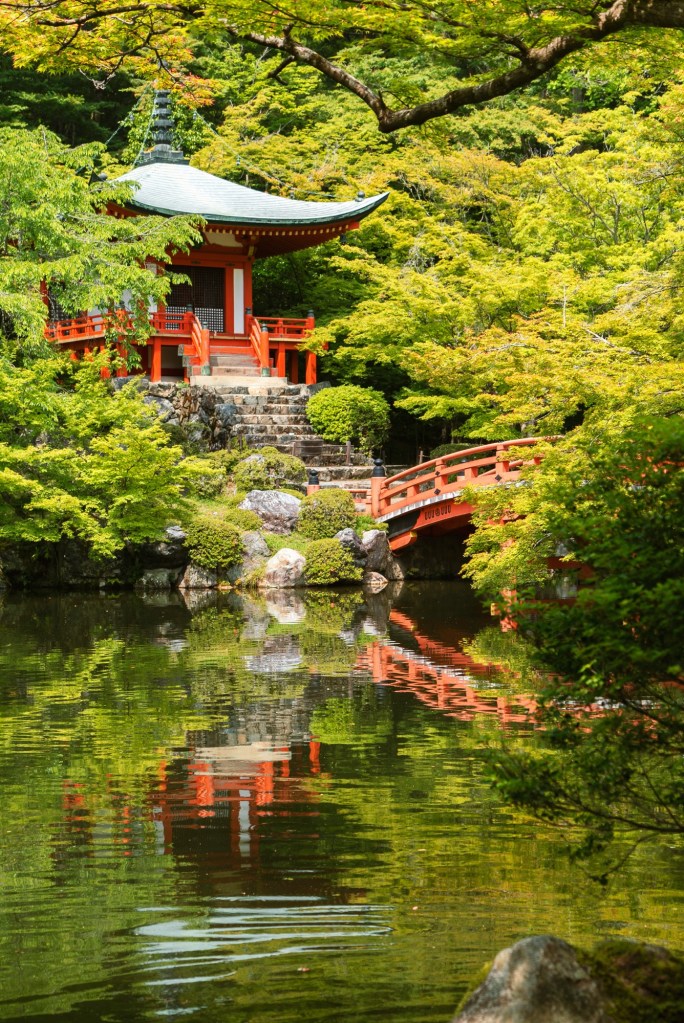
Kyoto (15–30 minutes by train): Temples, tea houses, and traditional streets.
Nara (40 minutes): Famous for friendly deer and the giant Buddha statue at Todai-ji Temple.
Kobe (30 minutes): Beautiful port city known for its world-famous beef and scenic harbor views.
These easy day trips make Osaka a perfect base for exploring western Japan.
Where to Stay in Osaka
Osaka has accommodations for every type of traveler — from modern luxury hotels to cozy local guesthouses.
Best Areas to Stay:
Namba / Dotonbori: Central and energetic, ideal for first-time visitors.
Umeda: Modern, polished, with excellent shopping and train access.
Shinsekai: Quirky, nostalgic, and full of local character. Great for families or those wanting scenic harbor views.
Top Picks:
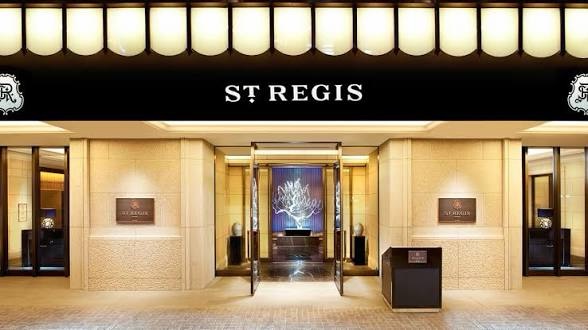
The St. Regis Osaka — Elegant and centrally located on Midosuji Boulevard.
Cross Hotel Osaka — Stylish and steps from Dotonbori’s nightlife.
Hotel Universal Port — Perfect for families visiting Universal Studios Japan.
Evenings in Osaka: Lights, Laughter, and Late Nights
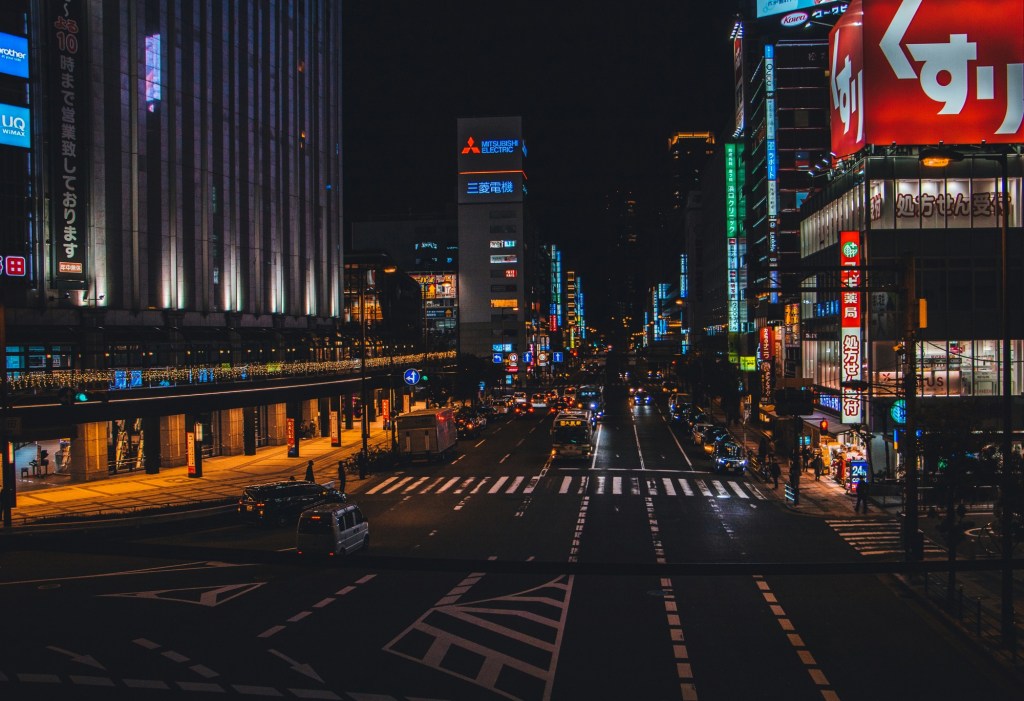
As the sun sets, Osaka becomes even more alive. Locals gather in izakayas (Japanese pubs) to laugh over shared plates and beer, street musicians perform along the canal, and the city’s glow feels electric yet intimate.
For nightlife:
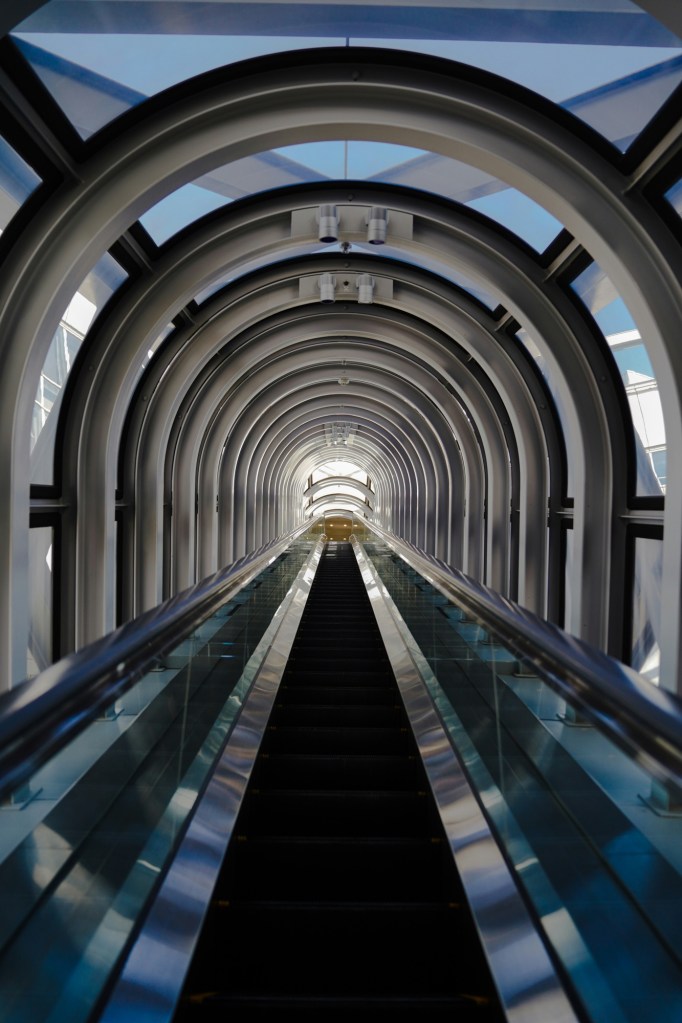
Umeda Sky Building: Catch the sunset from the Floating Garden Observatory. Dotonbori River Cruise: See the city from a new perspective under twinkling lights.
Namba’s Backstreets: Explore cozy bars and late-night ramen spots where conversations flow as easily as sake.
Getting Around Osaka
Osaka’s public transportation is one of the most efficient in the world. The Osaka Metro connects all major attractions, and the JR Loop Line circles the city.
For day trips, the JR Pass or Kansai Thru Pass are great value.
Tip: The ICOCA card (similar to Tokyo’s Suica) works seamlessly across trains, buses, and convenience stores — it’s a traveler’s best friend.
Why You’ll Fall in Love with Osaka
Osaka isn’t about perfection — it’s about personality. It’s loud, flavorful, and full of heart. It’s a city where you’ll laugh with strangers, taste something you’ve never tried, and find beauty in the buzz of ordinary life.
It’s the kind of place that lingers with you — not because of a postcard view, but because of how alive it makes you feel.
So when you visit Japan, don’t just pass through Osaka. Stay a while.
Walk its markets, taste its flavors, watch its lights dance on the water — and let this vibrant city show you why it’s known as the “Nation’s Kitchen” and the soul of Japan.
 Bucket List World Travel
Leave a comment