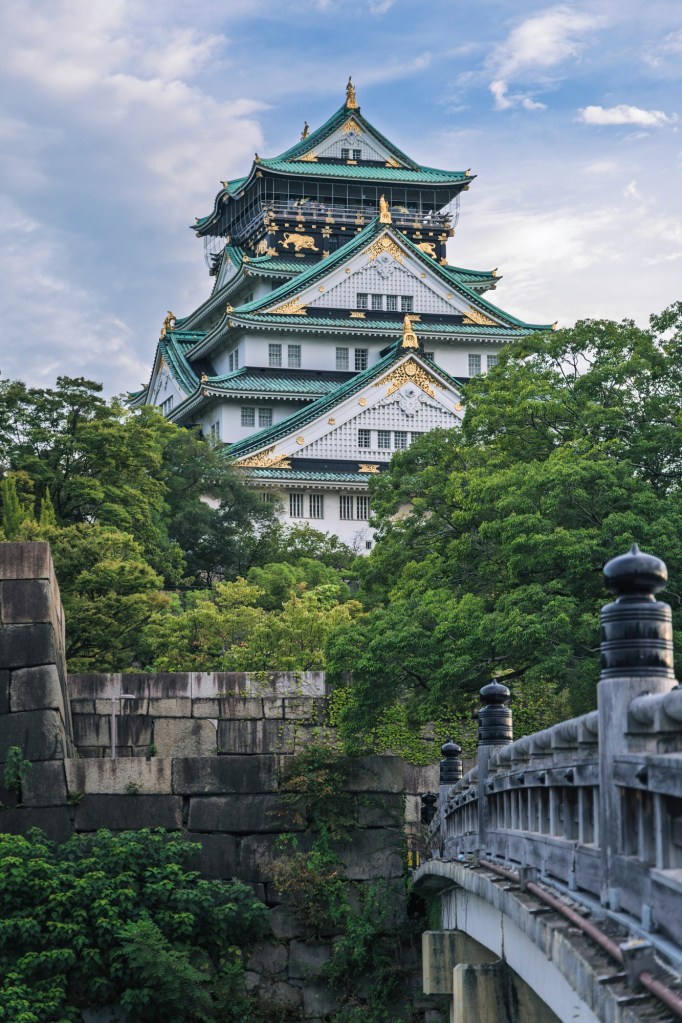
In the heart of Japan’s most vibrant city stands one of its most treasured symbols — Osaka Castle (Osaka-jō). With its elegant white walls, gold leaf details, and emerald-green rooftops rising above acres of gardens and moats, this castle is far more than a landmark. It’s a living story of ambition, war, resilience, and rebirth — and for anyone visiting Osaka, it’s an essential stop to understand the city’s soul.
Whether you’re drawn by its history, its panoramic views, or the sea of cherry blossoms that surround it each spring, Osaka Castle is where Japan’s past and present intertwine beautifully. Here’s your complete guide to visiting Osaka Castle — what to see, what to know, and how to make the most of your time in one of Japan’s most iconic sites.
Castle Built on Dreams and Powered

Osaka Castle’s story begins in the late 16th century, during Japan’s Sengoku (Warring States) period — a time of constant conflict among feudal lords. It was the vision of Toyotomi Hideyoshi, one of Japan’s great unifiers, who built the castle in 1583 as a symbol of his power and the center of his newly unified nation.
Hideyoshi’s dream wasn’t just military might — he wanted Osaka Castle to embody Japan’s glory. The structure was massive for its time, with towering stone walls, golden ornaments, and a central keep that dominated the skyline. It stood as a bold statement of ambition — a fortress, a palace, and a political center all in one.
But its grandeur didn’t last forever. After Hideyoshi’s death, his enemies — the Tokugawa clan — besieged the castle during the Siege of Osaka (1614–1615), destroying much of what he built. The Tokugawa shogunate rebuilt it later, but the castle’s fate would continue to mirror Japan’s turbulent history: struck by lightning, destroyed again in wars, and rebuilt yet another time.
What you see today is the 1931 reconstruction, meticulously restored and strengthened after World War II. It now houses a museum dedicated to the castle’s history — a monument not only to Japan’s feudal past but to its enduring spirit of renewal.
Exploring Osaka Castle Park
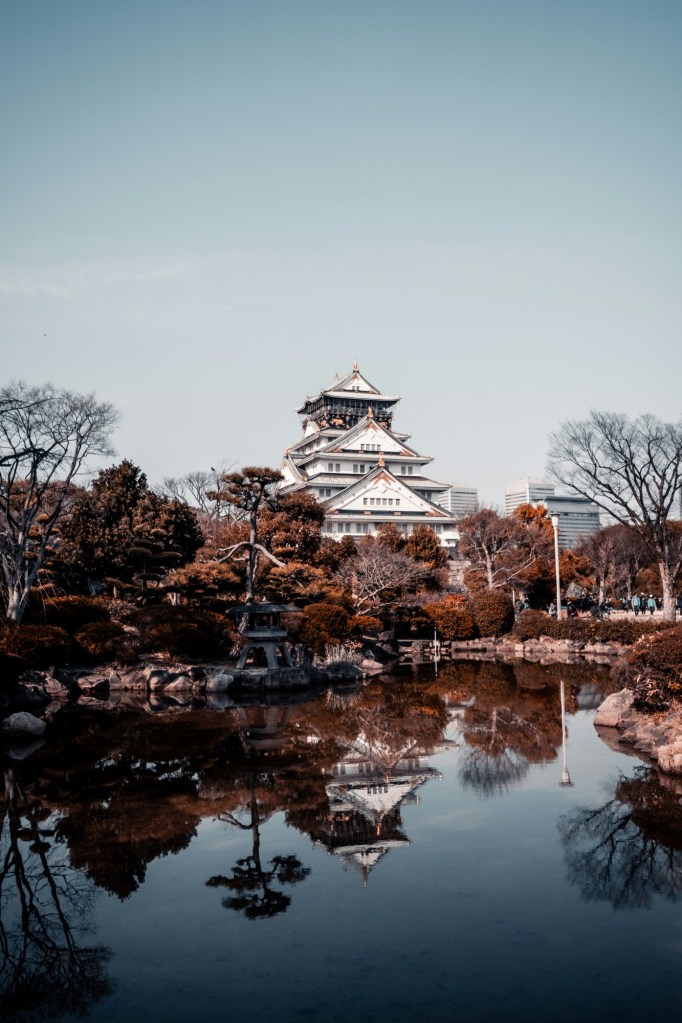
Surrounding the castle is Osaka Castle Park (Osaka-jō Kōen), a sprawling 100-hectare oasis in the middle of the city. It’s one of Osaka’s largest green spaces — and one of the most beloved. Locals come here for morning jogs, picnics, and festivals, while travelers find it to be a peaceful escape from the city’s neon rhythm.
Highlights within the park:
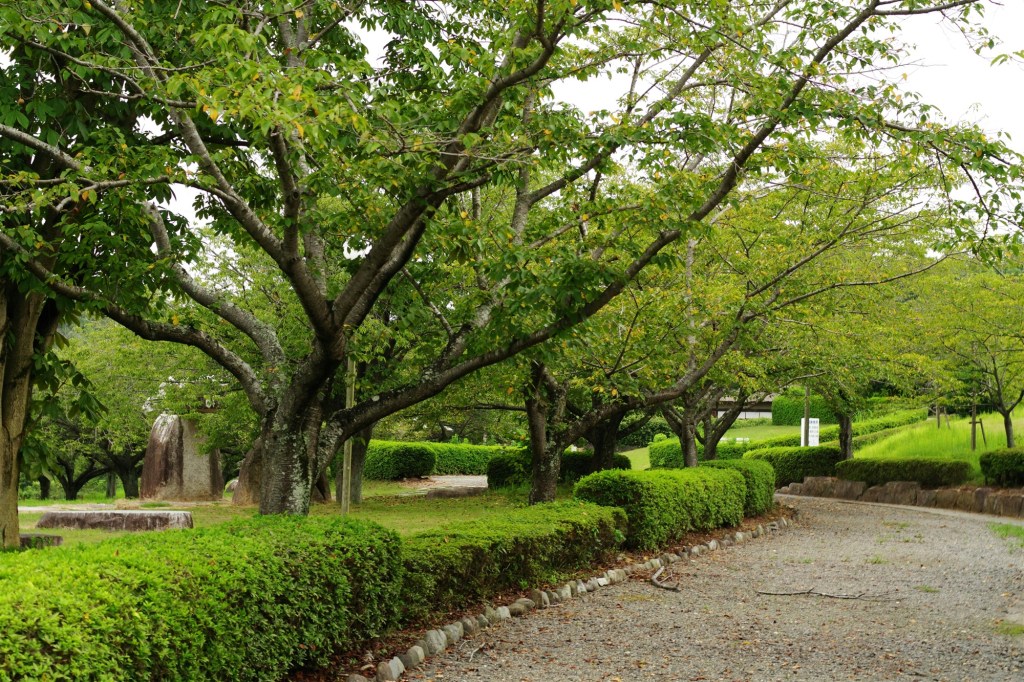
Nishinomaru Garden: The west side of the castle park is home to this serene garden, known for its 600 cherry trees and postcard-perfect views of the castle tower. In spring, it becomes one of Japan’s most famous hanami (cherry blossom viewing) spots.
Moats and Stone Walls: The castle is surrounded by two moats — an inner and outer one — connected by beautiful bridges like the Gokuraku-bashi. The massive stone walls, some weighing over 100 tons, were crafted by hand over 400 years ago and remain remarkably intact.
Osaka Castle Hall: A modern concert and event venue that blends seamlessly into the park’s landscape.
Seasonal Beauty: Spring brings pink blossoms, summer offers lush green foliage, autumn transforms the park into a palette of crimson and gold, and winter covers it in quiet stillness.
If you can, plan to spend at least half a day exploring the park and castle grounds — it’s not just a monument, it’s an atmosphere.
Inside Osaka Castle: The Museum Experience
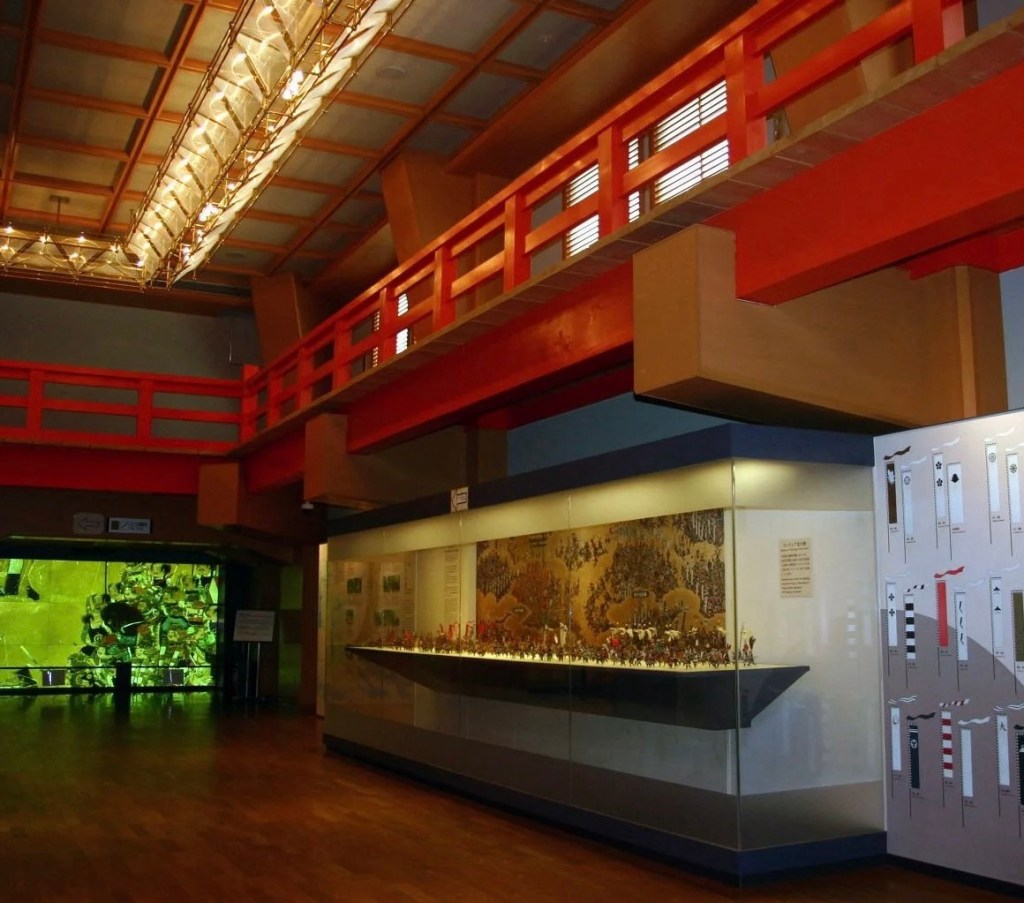
Stepping inside Osaka Castle today is stepping through layers of time. The current main tower (tenshukaku) houses a modern museum spread across eight floors, offering both historical artifacts and immersive multimedia exhibits.
Highlights of the museum:
Historical Artifacts: Armor, weapons, maps, and scrolls from the Toyotomi and Tokugawa periods, including Hideyoshi’s own letters and personal items.
Model Dioramas: Miniature displays recreate the Siege of Osaka and daily life in feudal Japan — fascinating for both adults and children.
360° Observation Deck: The top floor offers breathtaking views of Osaka’s skyline, surrounded by greenery and waterways. On a clear day, you can see as far as Abeno Harukas, Japan’s tallest building.
Interactive Exhibits: Many displays include English explanations, touch screens, and even samurai outfit experiences — perfect for photo opportunities.
Entry fee: ¥600 (around $4 USD).
Hours: 9:00 AM – 5:00 PM (last entry 4:30 PM).
Tip: Arrive early to avoid the midday crowds, especially during spring and autumn weekends.
Photogenic Spots Around the Castle
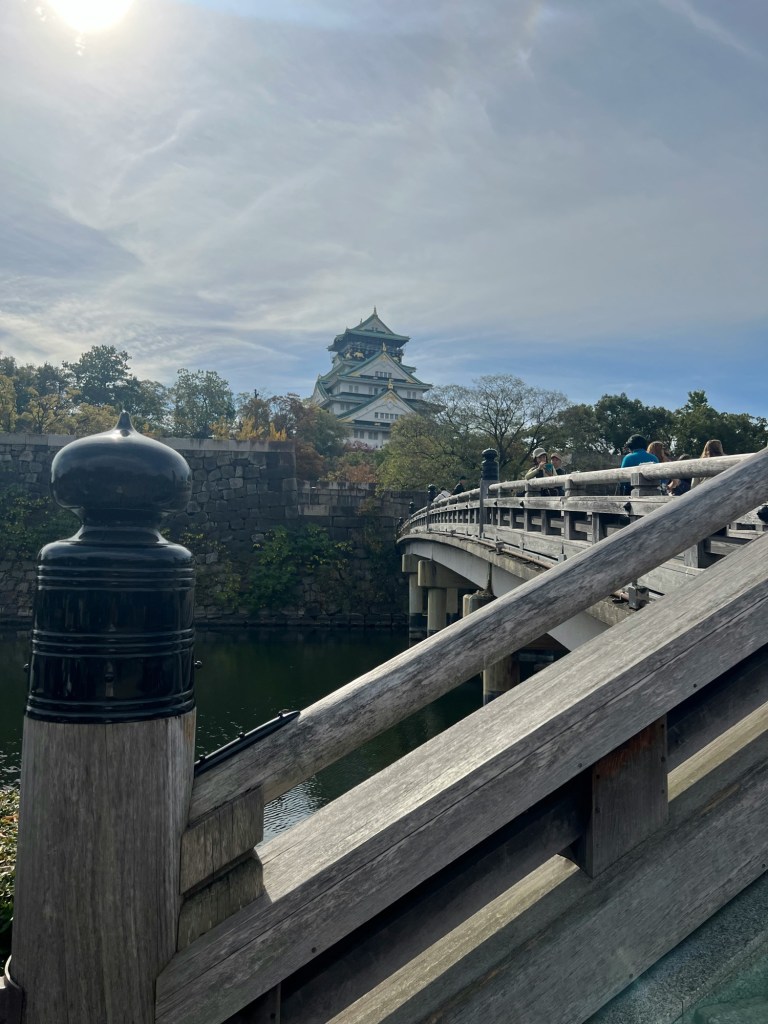
Osaka Castle is one of Japan’s most photographed landmarks — and for good reason. Here are the best spots for capturing it in all its beauty:
Gokuraku-bashi Bridge: Offers the classic postcard view of the castle reflected in the moat.
Nishinomaru Garden: Best for wide-angle shots framed by cherry blossoms or autumn foliage.
Osaka Castle Park Moat Path: Take the walking trail around the outer moat for different angles and a peaceful escape from the crowds.
Observation Deck: For skyline photos that blend ancient architecture with modern Osaka’s skyscrapers.
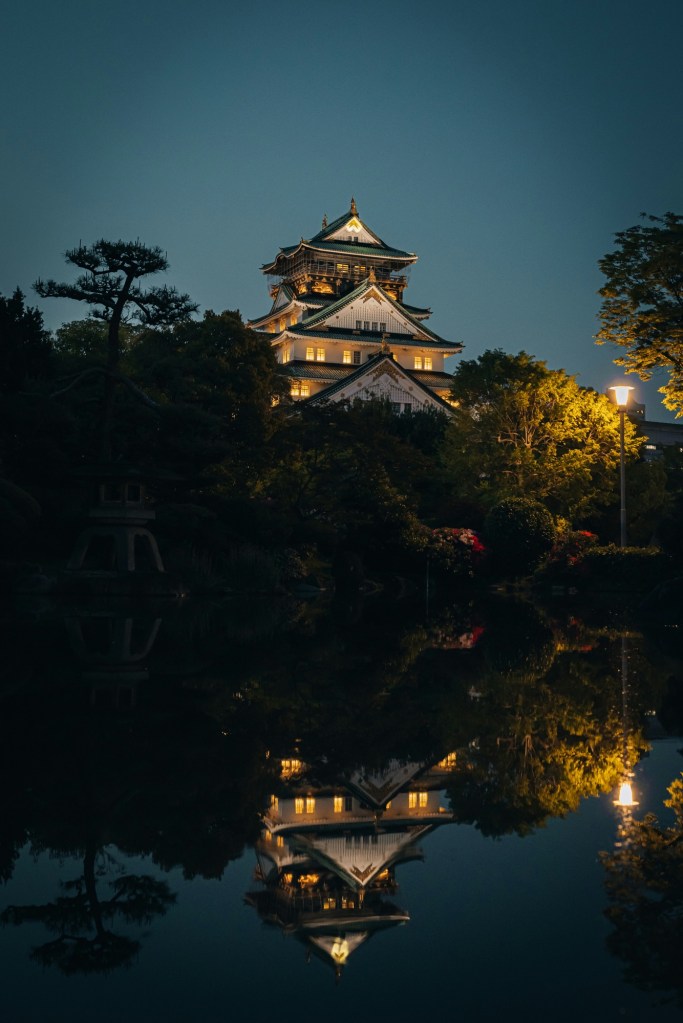
At Night: The castle is illuminated after sunset — soft golden light gives it an ethereal glow against the dark sky.
Where to Eat Near Osaka Castle
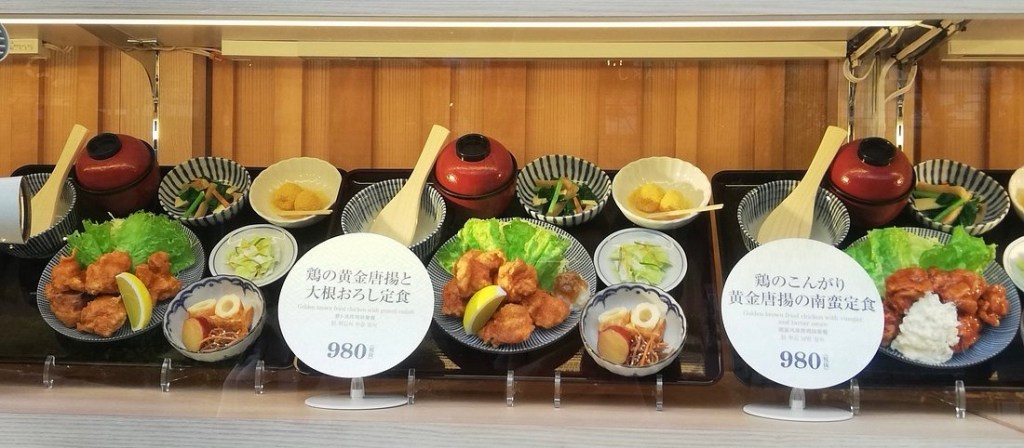
After hours of walking through history, you’ll be ready for Osaka’s most famous comfort foods — and luckily, the castle area has plenty to offer.
Jo-Terrace Osaka: Just outside the park’s main gate, this modern complex is filled with cafés, restaurants, and souvenir shops. Try a bowl of local ramen, fresh sushi, or even Osaka’s signature dish, okonomiyaki (savory pancake).
Sakura Café: Offers terrace seating with castle views — perfect for a coffee or dessert break.
Street Stalls (Seasonal): During cherry blossom season and festivals, vendors line the park pathways selling takoyaki (octopus balls), yakitori skewers, and sweet treats.
Tip: Bring a small picnic and enjoy it under the trees — especially in spring or fall when the park’s weather is perfect.
Souvenirs & Nearby Attractions
Before leaving, stop by the castle gift shop for unique mementos — traditional fans, samurai figures, and local snacks. For something more experiential, check out these nearby attractions:
Osaka Museum of History: Located just across the street, this modern museum tells the story of Osaka from ancient times to today. The top floors offer great views of the castle grounds.
Tenmabashi and Kyobashi Districts: Walk or take a short train ride to these nearby neighborhoods for shopping, casual eateries, and riverside views.
Mint Museum (Osaka Mint Bureau): Especially worth visiting during spring for its cherry tree promenade — open to the public for one week each year.
How to Get There
Osaka Castle is easily accessible from anywhere in the city.
Osakajōkōen Station (JR Loop Line): The most convenient stop — about a 10-minute walk to the main gate.
Tanimachi 4-chome Station (Tanimachi or Chuo subway lines): Closer to the museum and Osaka Museum of History.
Moriguchi or Kyobashi Stations: Offer scenic walking paths through the park.
If you’re visiting other attractions like Dotonbori or Umeda, the JR Loop Line connects directly — making it an easy half-day trip from anywhere in Osaka.
Best Times to Visit
Each season paints Osaka Castle in a different light — quite literally.
Spring (March–April): The cherry blossoms around the moat make this one of Japan’s most romantic sights. Arrive early in the morning or at dusk for magical light.
Summer (May–August): The park comes alive with festivals, food stalls, and outdoor concerts. Bring sunscreen and water — Osaka summers are warm and humid.
Autumn (October–November): Arguably the best time to visit. The maple trees turn fiery red and golden, creating an unforgettable contrast with the castle’s white walls.
Winter (December–February): Quiet and peaceful, perfect for travelers seeking calm and soft morning light.
Tips for First-Time Visitors
Plan at least 2–3 hours to explore both the castle and park.
Visit early morning or late afternoon for softer light and fewer crowds.
Wear comfortable shoes — you’ll be walking on stone paths and inclines.
If visiting in summer, bring a hat and water bottle; vending machines are plentiful.
Don’t skip the museum — even if history isn’t your thing, the view from the top alone is worth it.
Why Osaka Castle Still Captures Hearts
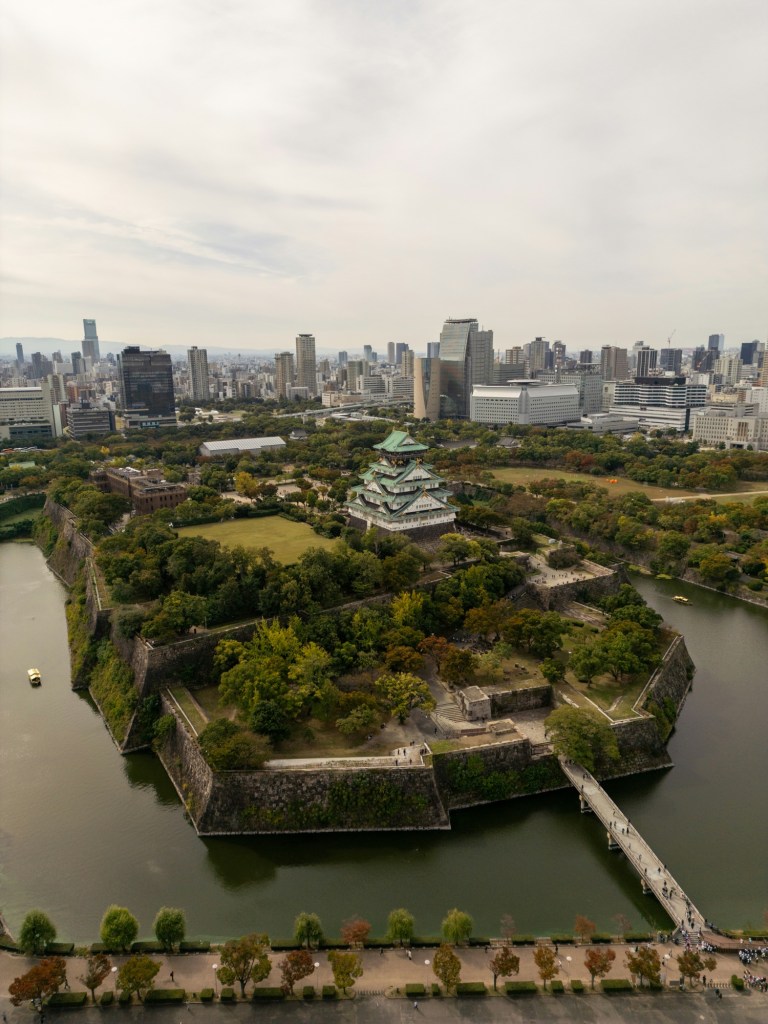
What makes Osaka Castle so special isn’t just its architecture or its history — it’s what it represents. For over 400 years, it’s stood as a symbol of Osaka’s resilience. Destroyed and rebuilt time after time, it mirrors the city’s spirit: bold, proud, and always reborn.
Standing atop the observation deck, watching the sunlight dance on the rooftops, you’ll feel a quiet power in the air — the weight of history balanced with the pulse of modern Osaka all around you.
It’s the perfect metaphor for Japan itself: a country that honors its past while always looking forward.
Whether you come for the photos, the blossoms, or the story, Osaka Castle isn’t just a place you visit — it’s a place that stays with you.


 Bucket List World Travel
Leave a comment