
Bhutan is one of those destinations travelers talk about in a different tone. Not with the rush of adrenaline that follows a safari or the beachy enthusiasm of an island getaway—but with a kind of grounded reverence. People return from Bhutan not only with photographs of mountains and monasteries, but with the sense that they’ve stepped briefly into a society where time stretches, priorities rearrange themselves, and the pace of daily life is anchored in something deeper than modern urgency.
Visiting Bhutan isn’t like visiting other countries. It’s intentionally protected, culturally rich, and refreshingly uncommercial. This is a place where mountain air replaces billboards, monasteries outnumber nightlife spots, and conversations often revolve around values instead of transactions. And for many travelers, that’s exactly the appeal.
If you’re curious about what traveling through Bhutan really feels like—this guide offers a realistic picture of the journey.
Understanding Bhutan Before You Go
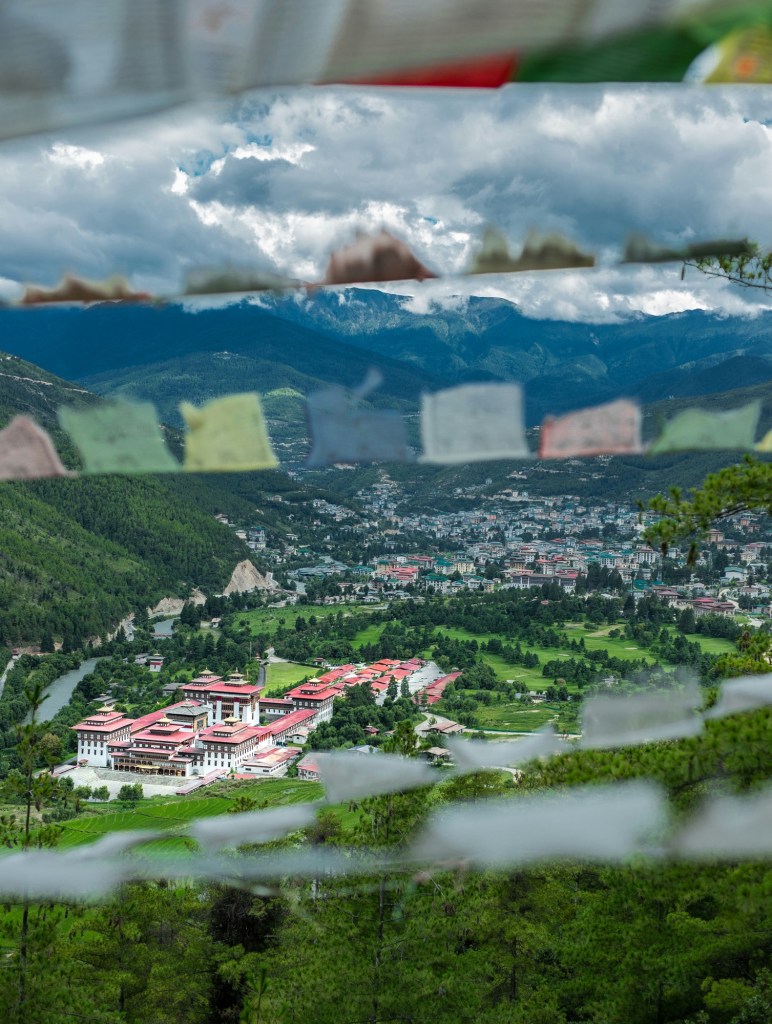
Bhutan is a small Himalayan kingdom bordered by India to the south and Tibet/China to the north. It remained closed to much of the world until the 1970s and still regulates tourism to preserve its culture and environment. Travelers must book through a licensed tour operator, and your itinerary is accompanied by a certified Bhutanese guide.
This might sound restrictive at first, but most visitors quickly discover the benefits: logistics are seamless, cultural insights are deeper, and you rarely feel lost or overwhelmed.
Bhutan also frames progress differently than most countries. Instead of measuring success by economic growth alone, it famously prioritizes Gross National Happiness, a holistic approach that values community, cultural preservation, environmental conservation, and well-being. That philosophy subtly shapes almost every aspect of the visitor experience.
Arriving in Bhutan: First Impressions That Stay With You
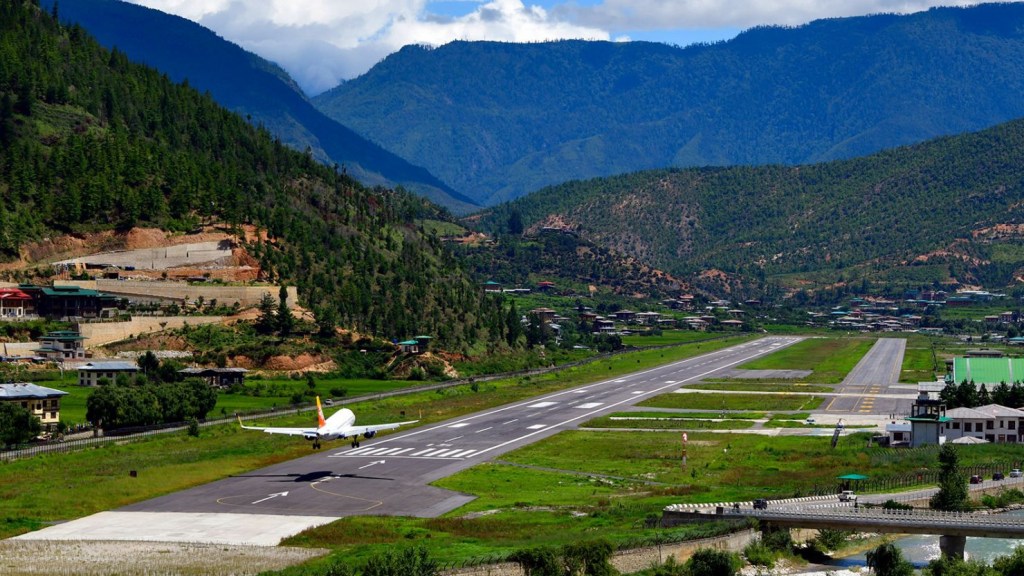
Most travelers enter Bhutan through Paro International Airport, a small, scenic airport tucked into a narrow valley. The descent is famous—pilots navigate between steep ridges and terraced hillsides before touching down on one of the world’s most challenging runways.
But once you walk onto the tarmac, the drama of the approach fades into something surprisingly peaceful. The air is crisp, often scented with pine or earth. The airport buildings are decorated with traditional Bhutanese paintings and woodwork. The atmosphere is calm and organized.
Paro: A Valley of Farmhouses, Forests, and Bhutan’s Most Iconic Monastery
Paro is more than an entry point—it’s a scenic valley where many travelers spend their first and last nights. The town blends tradition and comfort: whitewashed farmhouses, fields of rice or buckwheat, and quiet streets lined with small shops.
Tiger’s Nest (Taktsang Monastery)
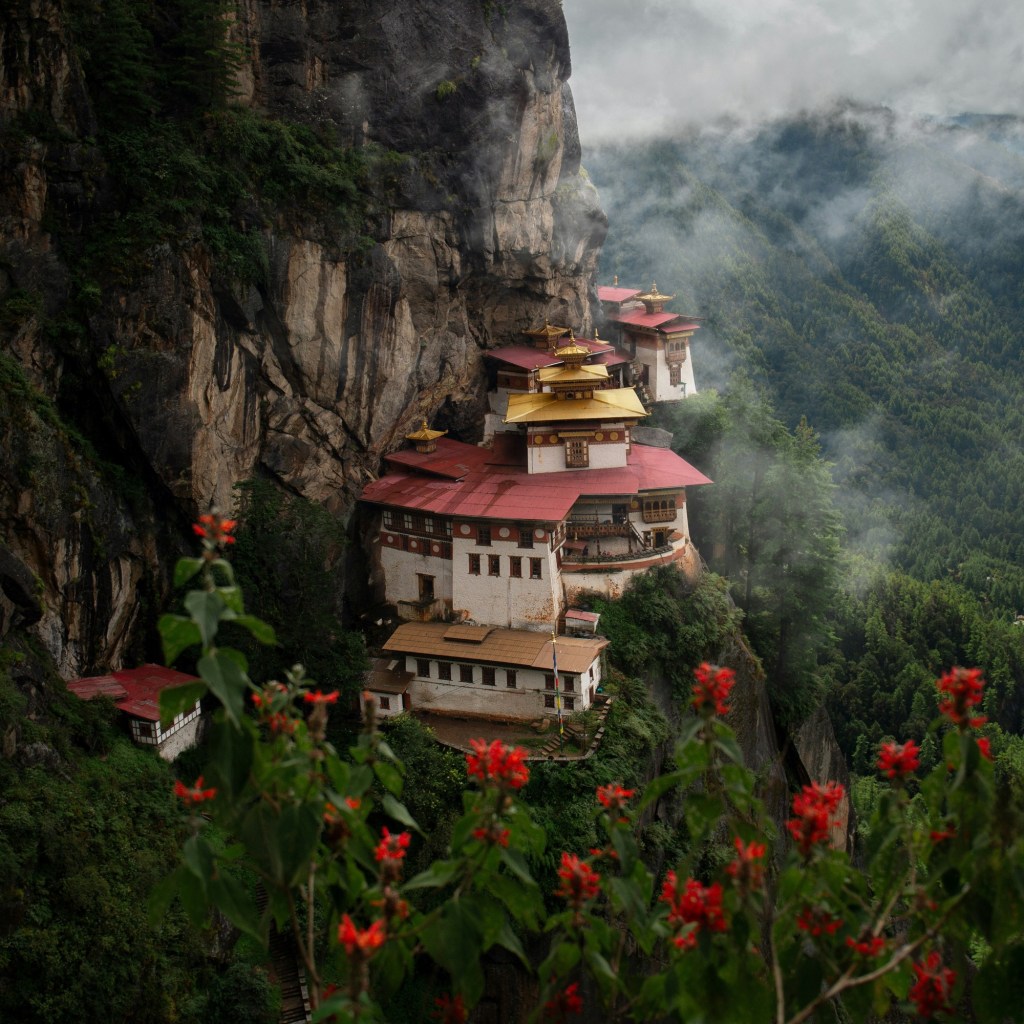
The main reason people come to Paro is to hike to Tiger’s Nest, Bhutan’s most famous landmark. Perched dramatically on a cliff 10,000 feet above the valley floor, the monastery looks almost unreal. Getting there requires a moderately challenging hike of about 2–3 hours uphill.
What to expect:
The trail begins with a steady incline through pine forests. A teahouse halfway offers rest and a perfect panoramic shot. The final stretch involves stone steps, bridges, and sweeping views.
Reaching the monastery doesn’t feel like conquering a mountain—it feels like participating in a tradition. Bhutanese families, monks, and travelers hike it for spiritual reasons as much as scenic ones. The monastery interiors are simple, smoky with incense, and filled with murals that tell stories of meditation, mythology, and devotion.
Tiger’s Nest is often the highlight of the journey, not just visually but emotionally.
Thimphu: Bhutan’s Unconventional Capital

From Paro, the road winds into the mountains toward Thimphu, the capital city. Unlike other capitals, Thimphu doesn’t have high-rise buildings or traffic lights; instead, a police officer directs cars from a decorated booth in the city center.
Thimphu is walkable, approachable, and full of places that help travelers understand Bhutan’s identity.
Top Things to Do in Thimphu
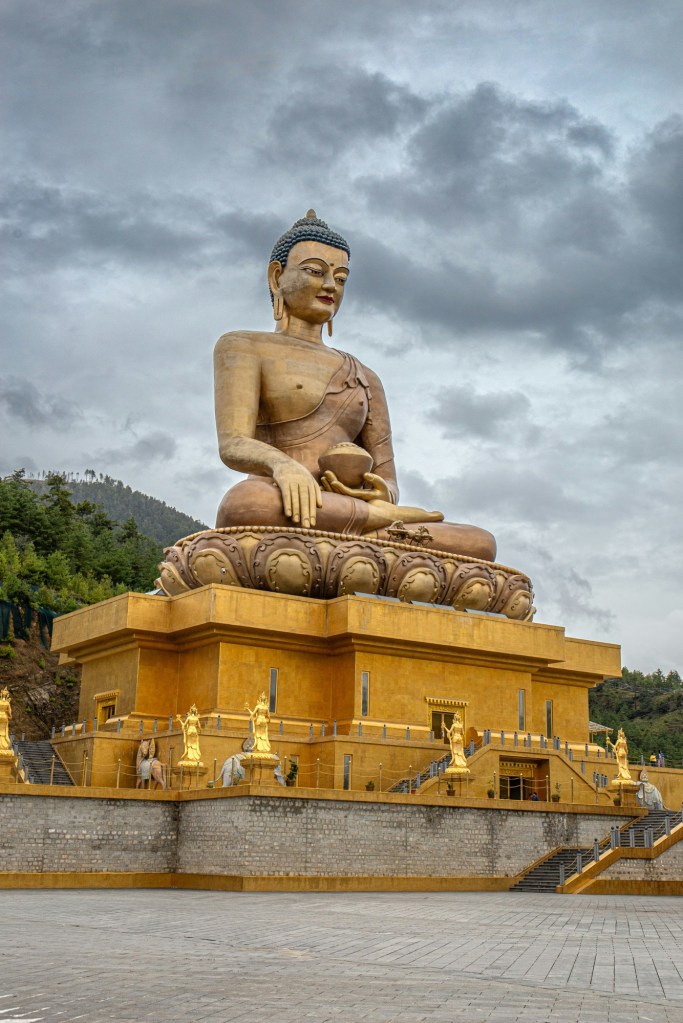
A massive golden Buddha statue overlooking the valley, visible from almost everywhere in town. The scale is impressive, but the setting—surrounded by forested hills—is what stays in your memory.
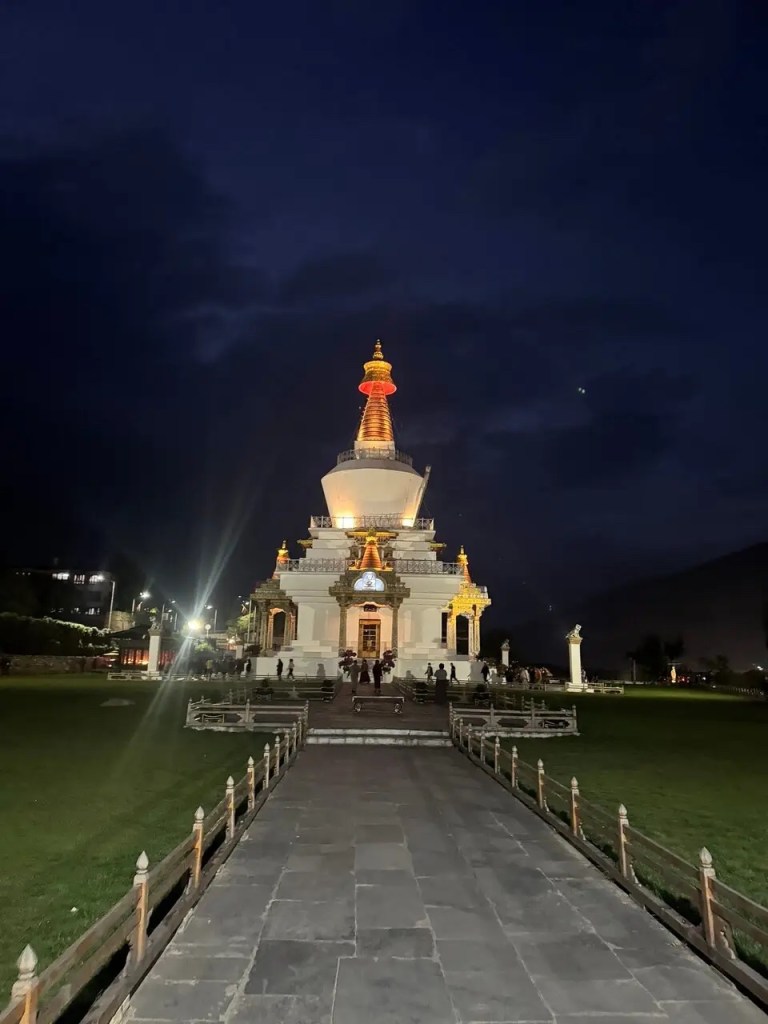
Locals gather here at all hours of the day to walk clockwise around the stupa, spin prayer wheels, and pray. It’s one of the best places to observe Bhutanese daily life.
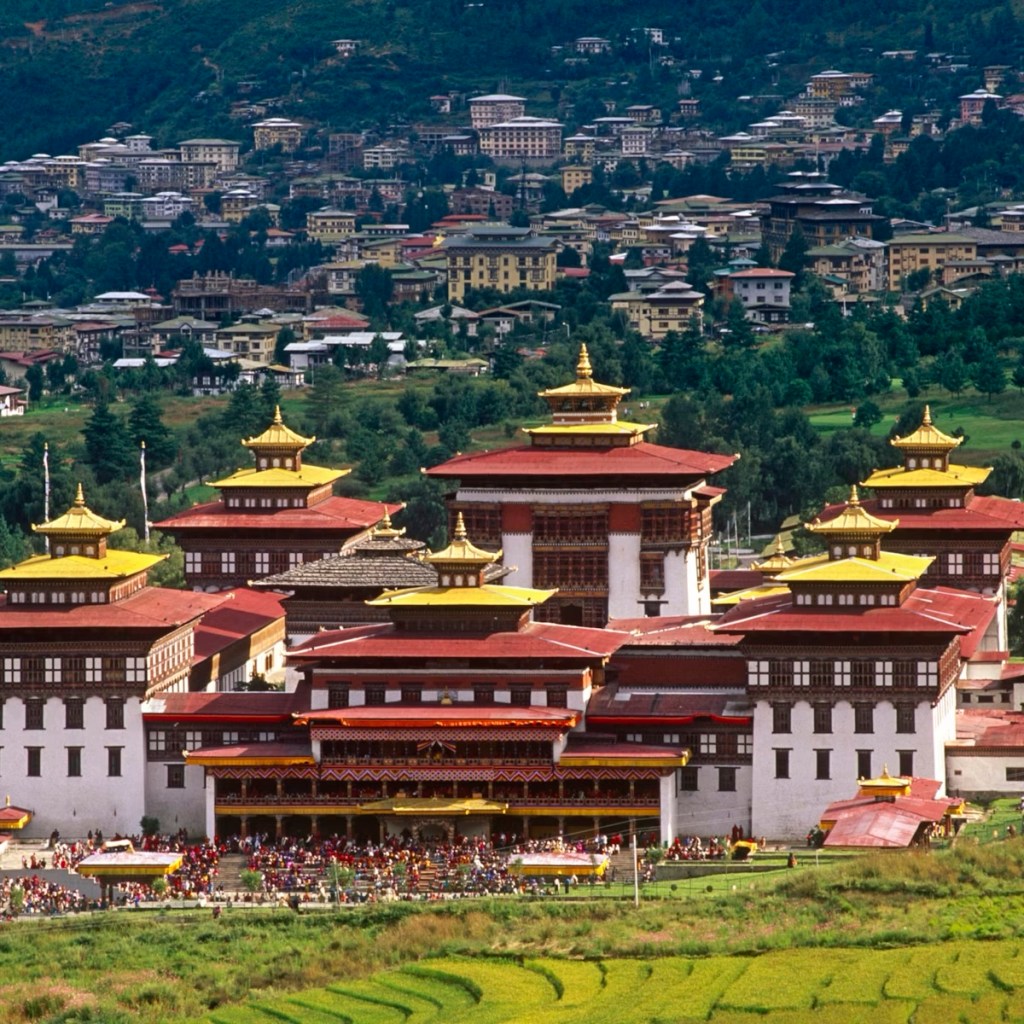
Both offer grounding insights into Bhutanese culture: farm life, traditional weaving techniques, family customs, and festivals.
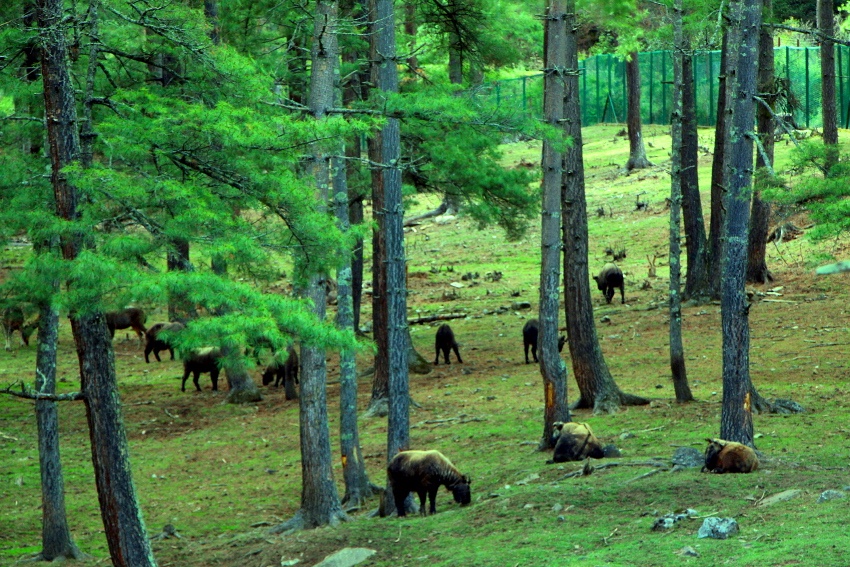
Home to Bhutan’s national animal, the takin—a quirky, rare mammal found only in this region.
Thimphu is also filled with cozy restaurants, craft shops, and small bakeries. It’s an easy, welcoming base where modern convenience meets deeply rooted tradition.
Dochula Pass: Where Mountains and Memory Meet
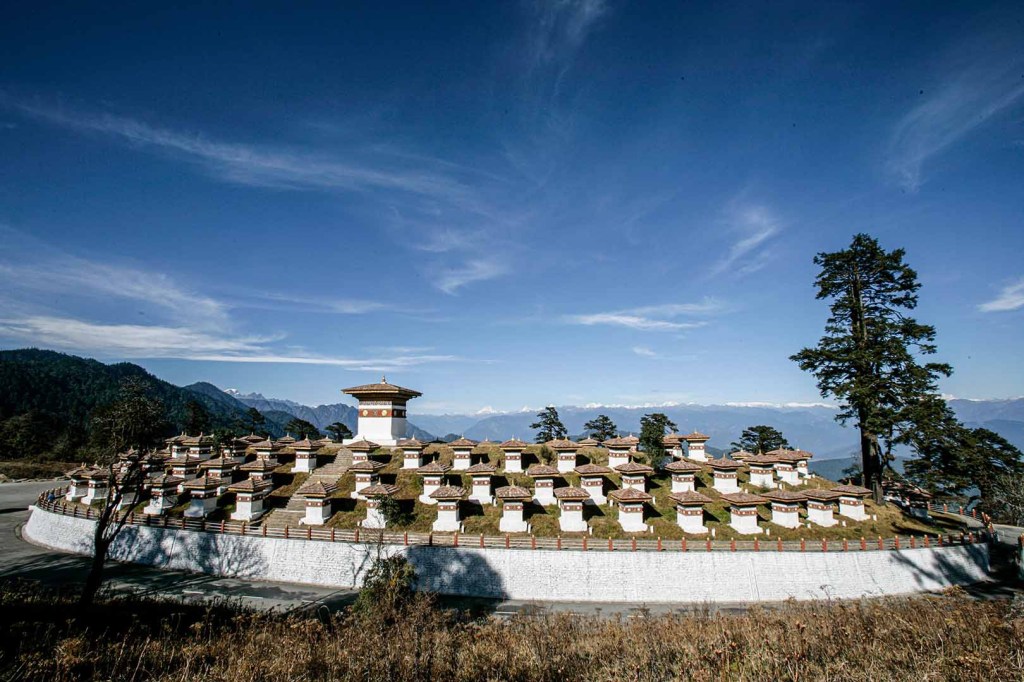
Between Thimphu and central Bhutan lies Dochula Pass, a high mountain crossing often shrouded in mist. On clear days, it offers panoramic views of the eastern Himalayas. Even when fog rolls in, the atmosphere is serene.
Here you’ll find 108 memorial chortens, built in honor of soldiers who lost their lives defending the country. The site is peaceful, scenic, and often windswept—one of those places where travelers instinctively fall quiet, just to take it in.
Punakha: Warm Valleys and Bhutan’s Most Beautiful Dzong
Descending from Dochula, the landscape changes dramatically. The air warms, rice paddies line the hills, and the valley opens into wide fields. This is Punakha, the former capital and one of the most picturesque regions in the country.

Often described as Bhutan’s most beautiful fortress, Punakha Dzong sits at the confluence of two rivers. It’s a masterpiece of whitewashed walls, carved wooden balconies, and glowing copper-colored roofs.
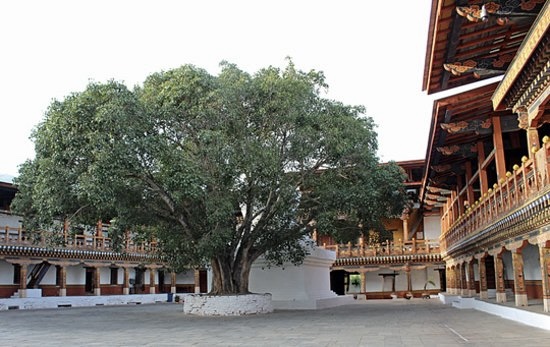
Inside its main courtyard, a sacred Bodhi tree stands tall—a point of shade, reflection, and ceremony. Monks walk quietly between shrines. Murals depict deities and historical events. Despite being centuries old, the dzong is alive with activity.
Travelers especially love the long covered bridge leading to the entrance, the soft colors reflected on the water, the courtyard after rain when the stones shine, the peaceful, open feeling compared to more crowded historic sites elsewhere in the world
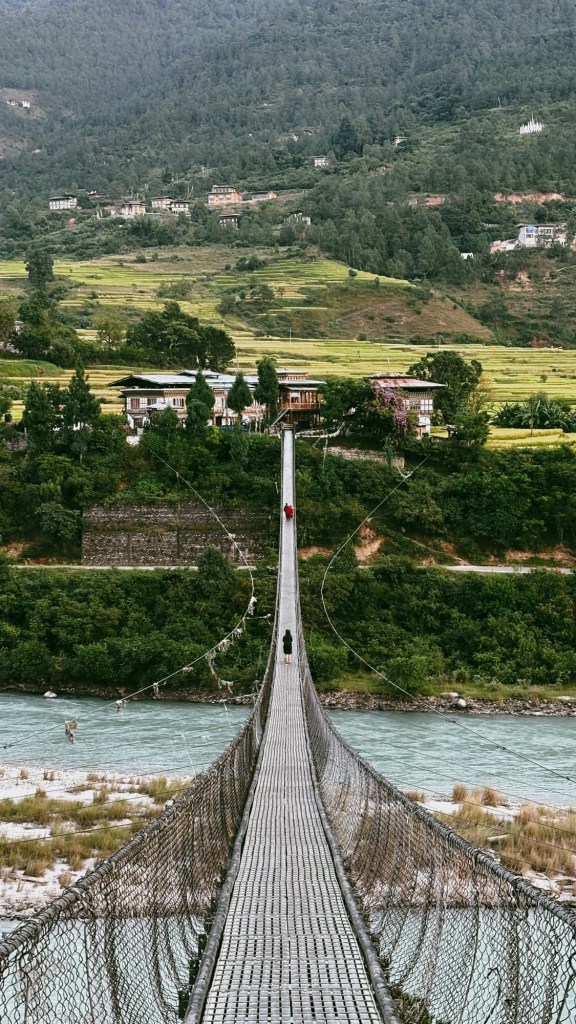
One of the longest in the country, this bridge is draped with prayer flags and offers sweeping views of the river below.
Chimi Lhakhang (Fertility Temple)
A short village walk takes you to a hilltop temple known for its blessings for fertility and family. The surrounding countryside—fields, farmhouses, and friendly locals—makes this small detour special.
Wangdue, Gangtey, or Phobjikha: Valleys of Nature and Quiet Simplicity
If your itinerary continues east, the landscape grows wilder and more remote.
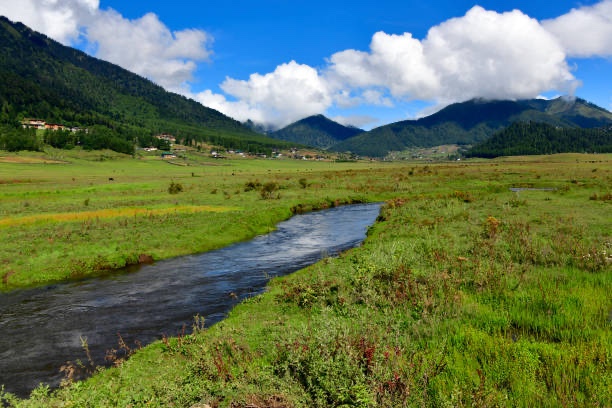
A large glacial valley, wide and bowl-shaped, home to black-necked cranes in winter. Stays here tend to be quiet and deeply peaceful—ideal for hiking, farm visits, and reconnecting with nature.
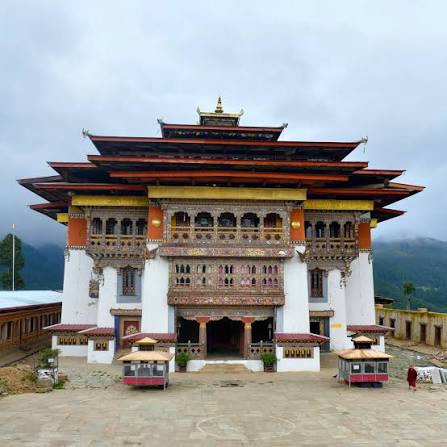
One of Bhutan’s most important monasteries, perched above the valley with vistas that stretch for miles.
Travelers come here for the untouched scenery, the wildlife, and the feeling of being far from modern noise.
Food in Bhutan: Mild, Colorful, and Comforting
Bhutanese cuisine is simple but flavorful.
Dishes often include:
Red rice, vegetable curries, lentils, ema datshi (chilies with cheese—spicier than it sounds!), buckwheat pancakes and noodles in the highlands, and fresh produce depending on the season
Most meals on tours are buffet-style or family-style and offer plenty of mild options for international travelers.
If you like spicy food, you’re in luck. If not, your guide will help you choose gentler dishes.
Hotels and Lodges: From Traditional to Luxury Wellness
One of Bhutan’s strongest surprises is the quality of its accommodations.
Travelers can choose from:
Boutique lodges with traditional architecture
Cozy, family-run properties
High-end wellness retreats like Six Senses, COMO Uma, and Amankora
Even simpler hotels tend to be clean, warm, and comfortable, with incredible views of valleys or monasteries.
Many lodges also offer hot stone baths, farmhouse dinners, cooking demonstrations, yak butter, tea tastings, and evening fires or cultural performances
Practical Things Travelers Should Know
Travel Requirements
All travel must be booked through an approved tour operator. Your guide and driver accompany you for the duration of your trip.
Safety
Bhutan is one of the safest countries in Asia. Violent crime is extremely rare, and locals are warm and respectful toward visitors.
Altitude
Most regions sit between 6,000–8,000 feet. Allow time for adjustment, especially before major hikes.
Weather
Spring (Mar–May): Flowers blooming, mild weather
Autumn (Sep–Nov): Clear skies, excellent trekking, peak season
Winter (Dec–Feb): Cold but calm, fewer crowds
Monsoon (Jun–Aug): Rains, lush scenery, quieter travel period
Electricity & Connectivity
Wi-Fi is available in most hotels, though speeds vary. Electricity uses standard plugs, and outages are occasional but brief.
Culture & Etiquette
Dress modestly for religious sites Remove hats inside temples Ask before photographing monks Walk clockwise around stupas and prayer wheels
Why Travelers Fall in Love With Bhutan
Bhutan does not overwhelm you with attractions or noise. Instead, it offers something many destinations have lost: a sense of clarity and calm.
Travelers describe feeling more present, more connected to nature, less hurried, deeply welcomed, and inspired by the country’s approach to happiness and sustainability
It’s not about escaping life—it’s about remembering a version of life that feels more balanced.
Is Bhutan Worth Visiting?
If you’re looking for nightlife, shopping malls, or fast-paced entertainment, Bhutan isn’t the place. But if you want breathtaking Himalayan landscapes quiet moments in ancient monasteries cultural immersion guided by locals clean air, forests, and mountain views a travel experience that feels intentional and meaningful
…then Bhutan is one of the most rewarding destinations you can choose.
 Bucket List World Travel
Leave a comment