
Visiting Kyrgyzstan offers a travel experience that feels increasingly rare. This Central Asian country is defined by dramatic mountain landscapes, deep rooted nomadic traditions, and a slower pace of life that rewards travelers willing to step off the well worn path. With more than ninety percent of the country covered by mountains, Kyrgyzstan is a destination where nature shapes culture, daily routines, and the way people move through the world.
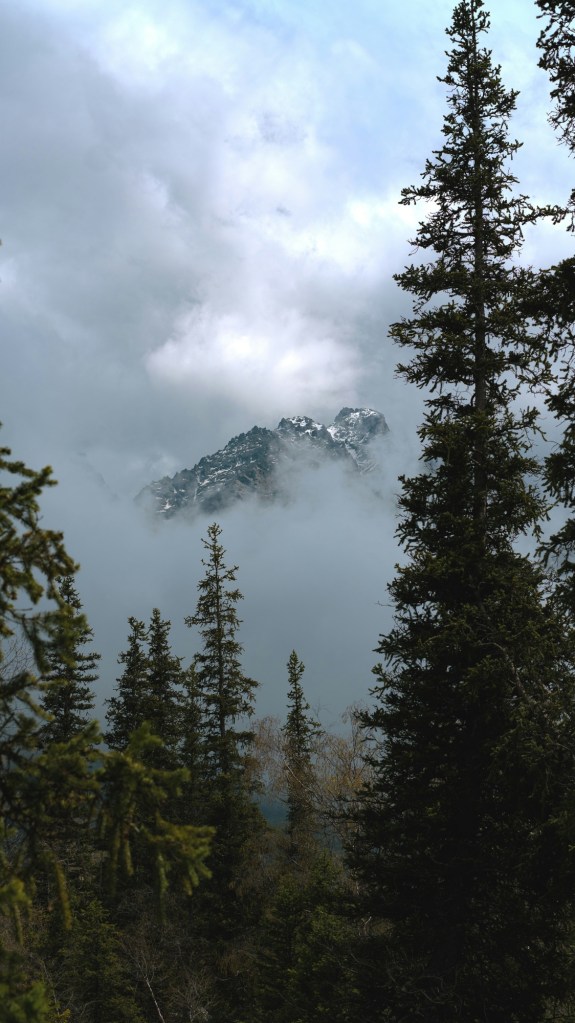
Travelers come to Kyrgyzstan to explore alpine lakes, stay in traditional yurts, trek through remote valleys, and experience genuine hospitality that feels instinctive rather than staged. It is not a destination built around luxury resorts or polished attractions. Instead, it offers authenticity, open space, and meaningful cultural connection.
For those wondering if Kyrgyzstan is worth visiting, the answer is yes, especially for travelers who value experience over convenience and depth over crowds.
Why Visit Kyrgyzstan
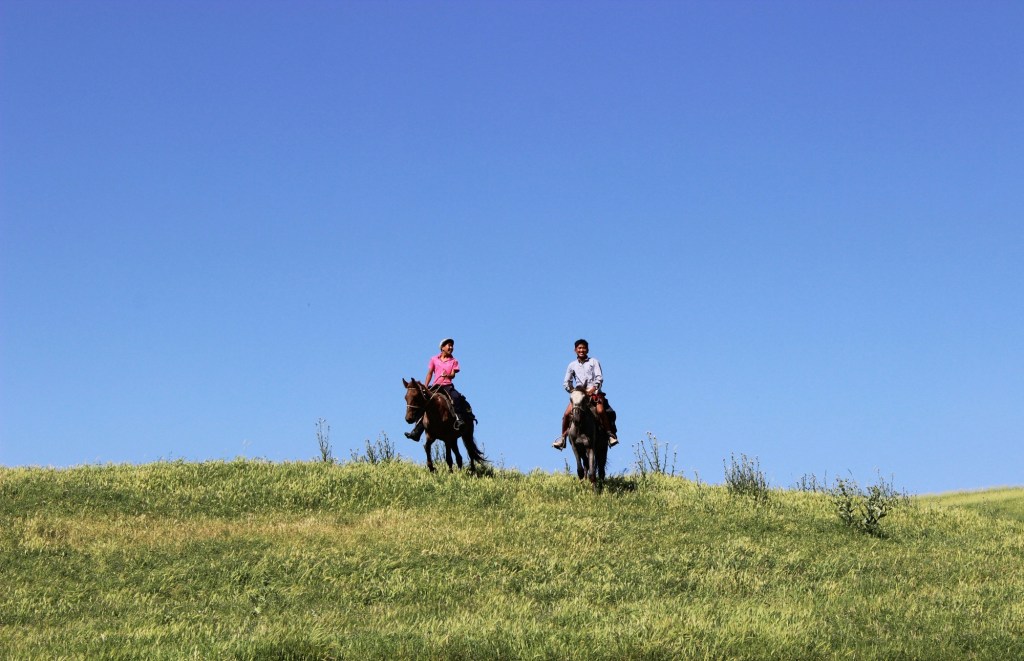
Kyrgyzstan stands out for its combination of raw natural beauty and living cultural traditions. Unlike many destinations where heritage is preserved mainly for tourism, nomadic culture here remains part of everyday life. Horses are still a primary mode of transport in rural areas, seasonal migrations continue, and traditional food and customs shape daily routines.
The country is also remarkably uncrowded. Even during peak travel months, it is possible to hike for hours without seeing another person or to stay in remote areas where silence feels expansive rather than empty. For travelers seeking solitude, reflection, or a deeper connection with nature, Kyrgyzstan delivers in ways few destinations can.
Kyrgyzstan’s Mountain Landscapes and Lakes
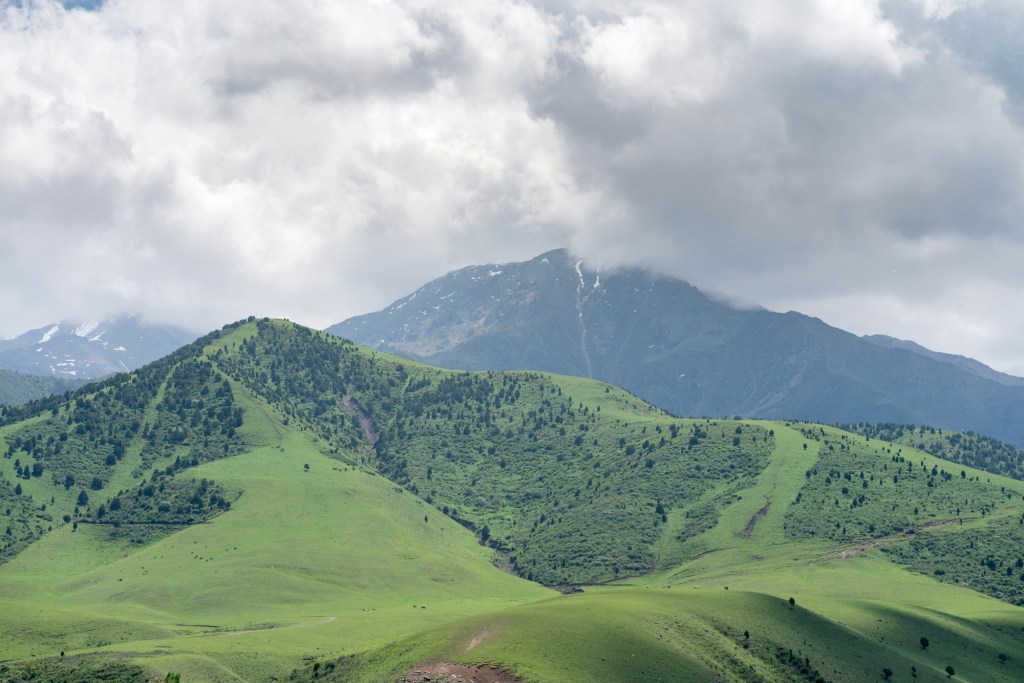
Mountains dominate nearly every horizon in Kyrgyzstan. The Tian Shan mountains, often referred to as the Celestial Mountains, stretch across the country with snow capped peaks, deep valleys, and high altitude plateaus. These landscapes feel vast and powerful, yet accessible to travelers willing to explore beyond the cities.
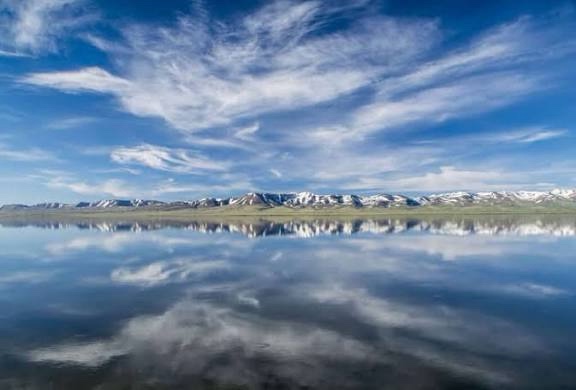
Song Kul Lake sits high above sea level and is surrounded by rolling grasslands where nomadic families set up seasonal yurt camps. Issyk Kul Lake, one of the largest alpine lakes in the world, never freezes and offers a striking contrast between blue water and snow covered peaks. Its shoreline ranges from quiet villages to relaxed resort towns.
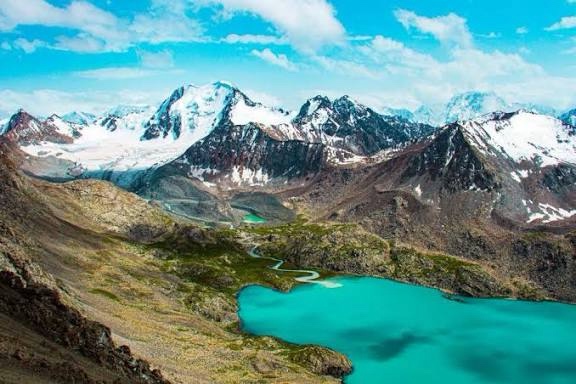
Other highlights include Ala Kul Lake, known for its dramatic colors and challenging hike, and Jeti Oguz, famous for its red rock formations and forested valleys. These landscapes are not just scenic backdrops. They shape how people live, travel, and connect with the land.
Staying in a Yurt in Kyrgyzstan
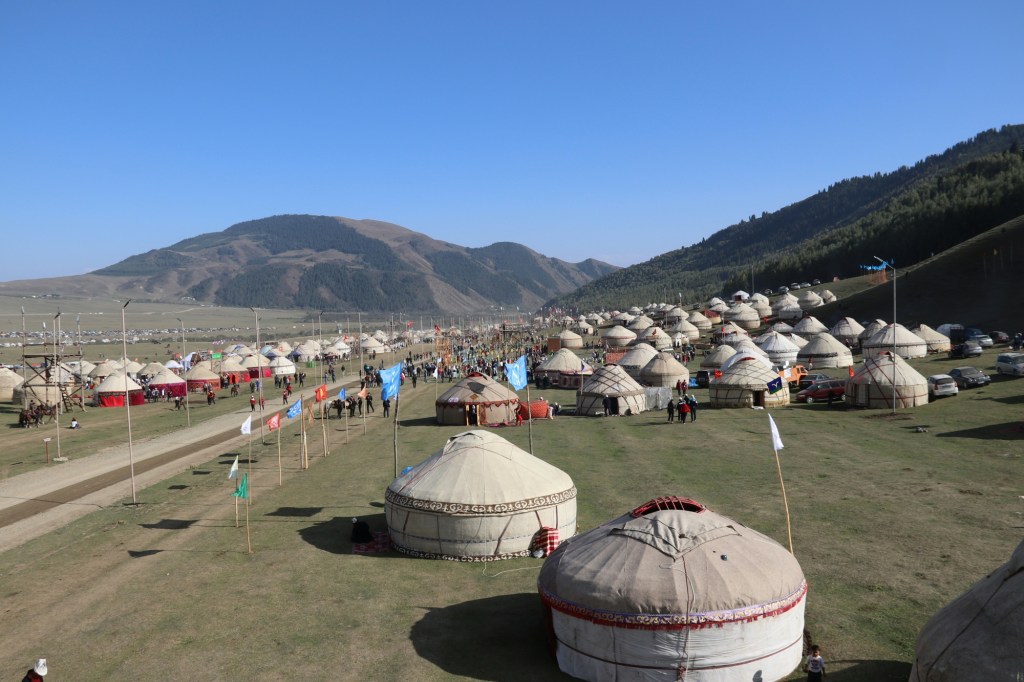
One of the most memorable experiences when visiting Kyrgyzstan is staying in a traditional yurt. These circular felt structures have been used by nomadic families for centuries and are designed to be durable, warm, and easily assembled or moved.
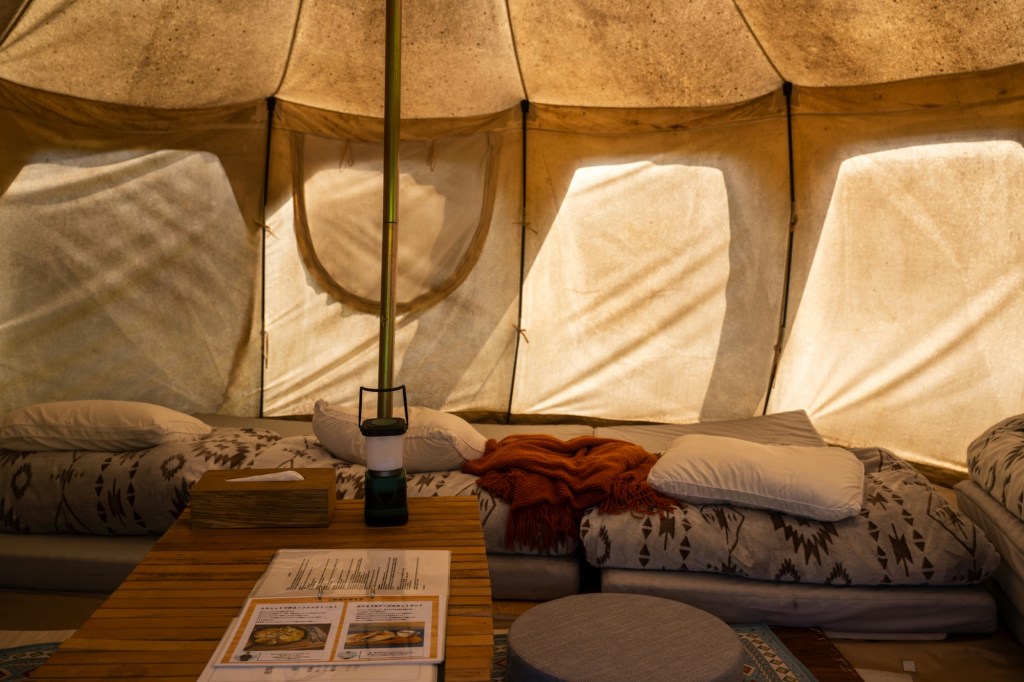
Yurt stays are common around Song Kul Lake, Issyk Kul, and along popular trekking routes. Inside, you will find handwoven rugs, thick blankets, and simple furnishings that emphasize comfort over excess. Evenings are quiet, often lit by lanterns, while nights bring skies filled with stars far brighter than most travelers have ever seen.

Mornings begin with fresh bread, hot tea, and the sounds of animals grazing nearby. Staying in a yurt offers more than accommodation. It provides insight into a way of life shaped by movement, resilience, and respect for nature.
Nomadic Culture and Traditions in Kyrgyzstan

Nomadic culture in Kyrgyzstan is not a relic of the past. It is lived and practiced across the country, particularly in rural and mountainous regions. Horses play a central role, symbolizing freedom, strength, and identity. They are used for travel, work, and traditional games.
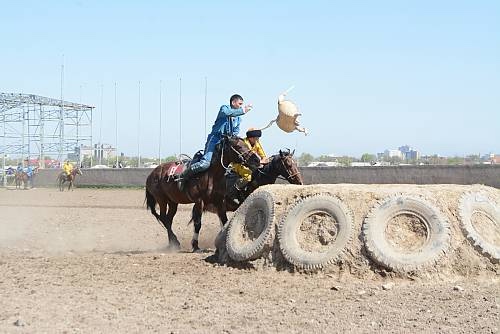
One of the most well known cultural traditions is Kok Boru, a horseback game played during festivals and celebrations. Eagle hunting, another ancient practice, continues in certain regions and reflects the close relationship between people and animals.
Hospitality is one of the most striking aspects of Kyrgyz culture. Guests are welcomed warmly, often with tea and food, regardless of social or economic differences. Visitors may be invited into homes unexpectedly and treated with genuine generosity. This openness creates meaningful connections that often become highlights of the journey.
Bishkek Travel Guide
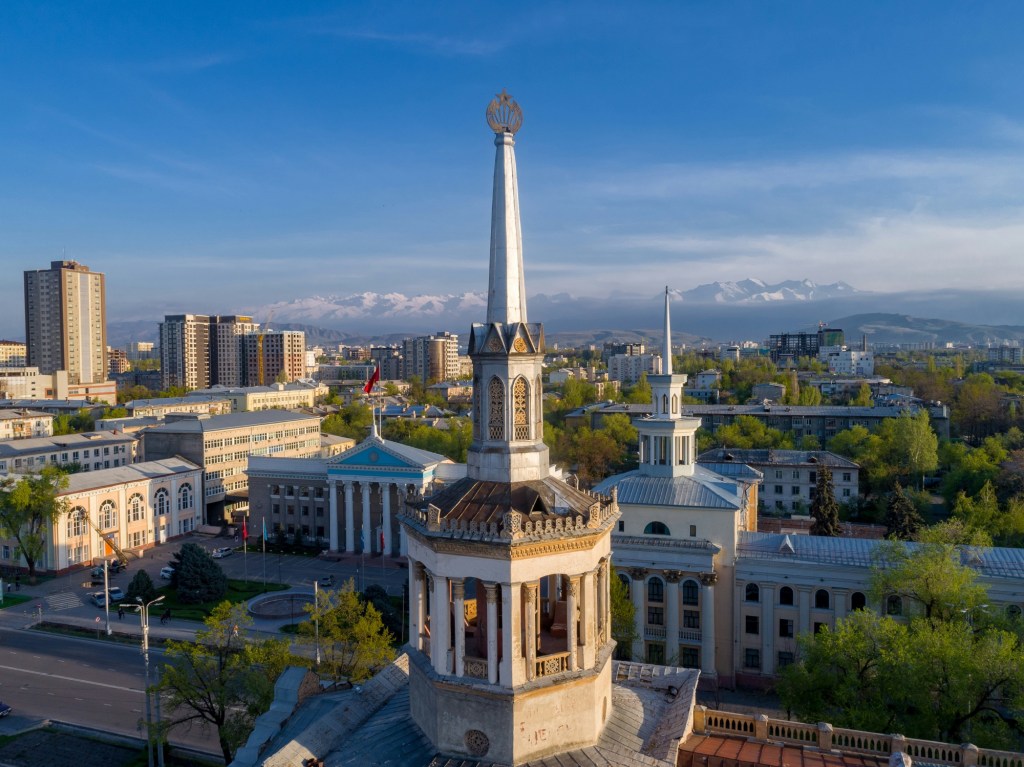
Bishkek, the capital of Kyrgyzstan, serves as the main gateway for travelers. The city offers a mix of wide boulevards, leafy parks, Soviet era architecture, and a growing café culture. While not traditionally considered a major tourist city, Bishkek provides valuable context for understanding the country.
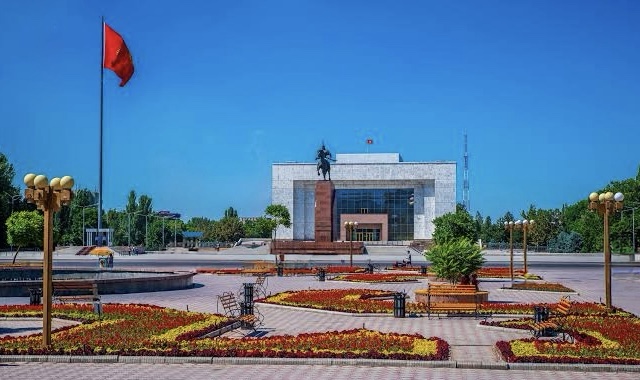
Ala Too Square reflects Kyrgyzstan’s national identity and history, while Osh Bazaar offers a lively introduction to local food, produce, and daily life.
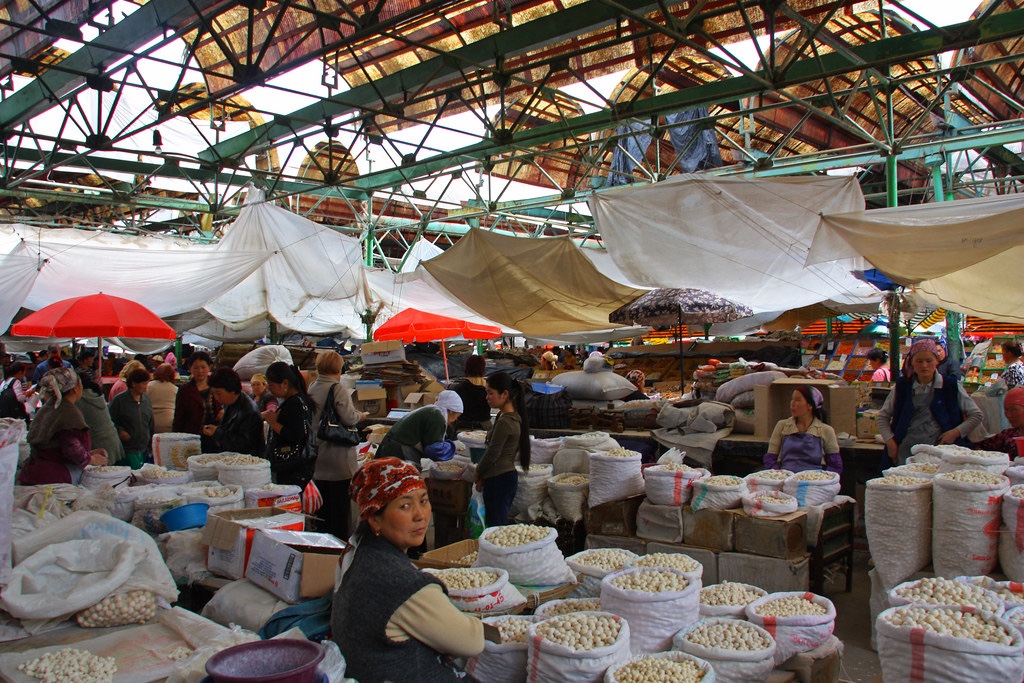
Spices, dried fruits, bread, and textiles fill the narrow aisles, making it an essential stop for travelers.
Bishkek is also a practical base for day trips and excursions into the nearby mountains, including Ala Archa National Park, which offers dramatic scenery just a short drive from the city.
Traditional Food to Try in Kyrgyzstan
Kyrgyz cuisine reflects the nomadic lifestyle and the realities of mountain living. Meals are hearty, filling, and designed to provide energy for physical work and travel.
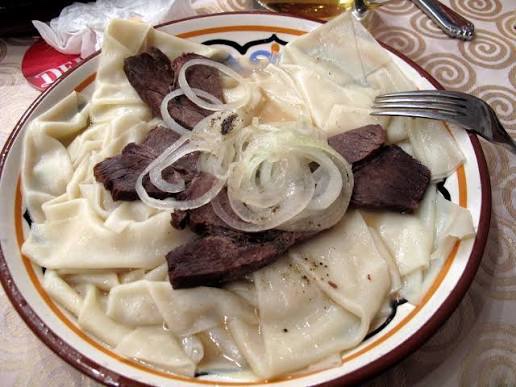
Beshbarmak is the national dish and consists of boiled meat served with noodles. It is traditionally eaten by hand and shared communally. Lagman features long hand pulled noodles served in broth or stir fried with vegetables and meat. Manty are large steamed dumplings that are especially popular during colder months.
Tea is a constant presence and is offered throughout the day. It is often served with bread, jam, honey, or sweets. Food in Kyrgyzstan is simple but meaningful, emphasizing nourishment and togetherness rather than presentation.
Outdoor Adventures in Kyrgyzstan
Kyrgyzstan is an ideal destination for travelers interested in outdoor adventure. Hiking and trekking routes range from gentle valley walks to challenging multi day mountain crossings. Many trails remain unmarked, adding a sense of exploration and discovery.
Horse trekking is one of the most authentic ways to experience the countryside. Guided trips allow travelers to reach high mountain passes, remote lakes, and isolated villages that are inaccessible by road. These journeys often include overnight stays in yurts or guesthouses.
Ala Archa National Park is one of the most accessible outdoor areas and offers glaciers, alpine meadows, and scenic hiking trails. For more remote adventures, regions like Naryn and Karakol provide extensive trekking opportunities.
Best Time to Visit Kyrgyzstan
The best time to visit Kyrgyzstan is from late spring through early autumn, typically May through September. During this period, mountain roads and passes are open, yurt camps are active, and weather conditions are favorable for hiking and outdoor activities.
Summer offers warm days and cool nights, especially in higher elevations. Autumn brings golden landscapes, fewer travelers, and crisp air. Winter travel is possible but more challenging due to snow and limited access to remote areas.
Travelers should plan with flexibility, as weather and road conditions can change quickly, particularly in mountainous regions.
Travel Tips for Visiting Kyrgyzstan
Traveling in Kyrgyzstan requires patience and adaptability. Infrastructure continues to improve, but rural areas may have limited services and rough roads. Hiring local guides or drivers can enhance safety and provide deeper cultural insight.
Cash is commonly used outside major cities, so carrying local currency is important. Learning a few basic phrases in Russian or Kyrgyz is appreciated and can greatly improve interactions.
Kyrgyzstan is generally safe for travelers, but standard travel awareness is recommended, especially when trekking or traveling in remote regions.
Is Kyrgyzstan Worth Visiting
For travelers seeking authenticity, open landscapes, and meaningful cultural experiences, Kyrgyzstan is absolutely worth visiting. It offers a rare combination of natural beauty and living tradition that feels increasingly difficult to find elsewhere.
Kyrgyzstan does not cater to rushed itineraries or surface level tourism. It invites travelers to slow down, engage deeply, and embrace a different rhythm of life. Those who do often leave with a sense of connection that lasts long after the journey ends.
 Bucket List World Travel
Leave a comment