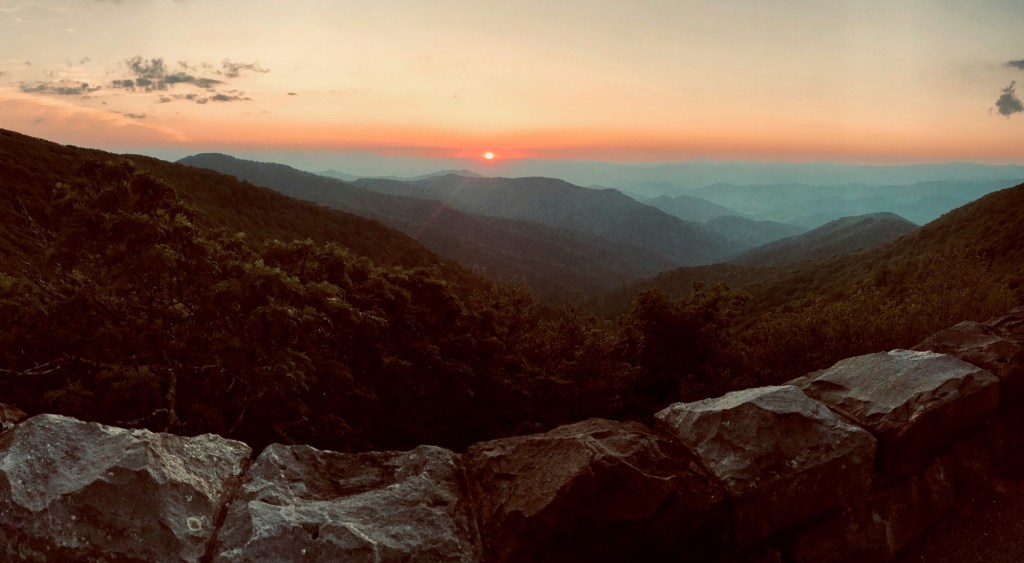
Shenandoah National Park is one of those rare places that feels effortless, even when you’re doing something big. You can chase sunrise views without waking up at 4 a.m., hike to waterfalls without becoming a hardcore backpacker, and pull off a perfect weekend that somehow feels like you were gone for a week. If you want mountain overlooks, misty ridgelines, deer wandering through meadows, and “why does the air feel cleaner here?” vibes, this park delivers.
Here’s everything you actually need to know before you go, plus the tips that save time, frustration, and wasted driving.
1) First Things First: What Shenandoah Is Really Like
Shenandoah runs along the Blue Ridge Mountains in Virginia, with Skyline Drive as the main scenic road cutting through it. The park is long (over 100 miles), so it’s not a “pop in and see it all” destination. It’s more like: pick a section, plan a few hikes, build your trip around sunrise/sunset, and let the park do the rest.
The overall experience:
Iconic overlooks every few minutes Easy-to-moderate hikes with huge payoff Waterfalls you can reach without a full-day trek Wildlife (deer, turkeys, black bears) Peaceful mountain energy that feels genuinely calming
2) Best Time to Visit (And When to Avoid It)
Fall (late September to early November)
Peak foliage is jaw-dropping. It’s also the busiest time. Expect traffic and crowded parking lots.
Spring (April to May)
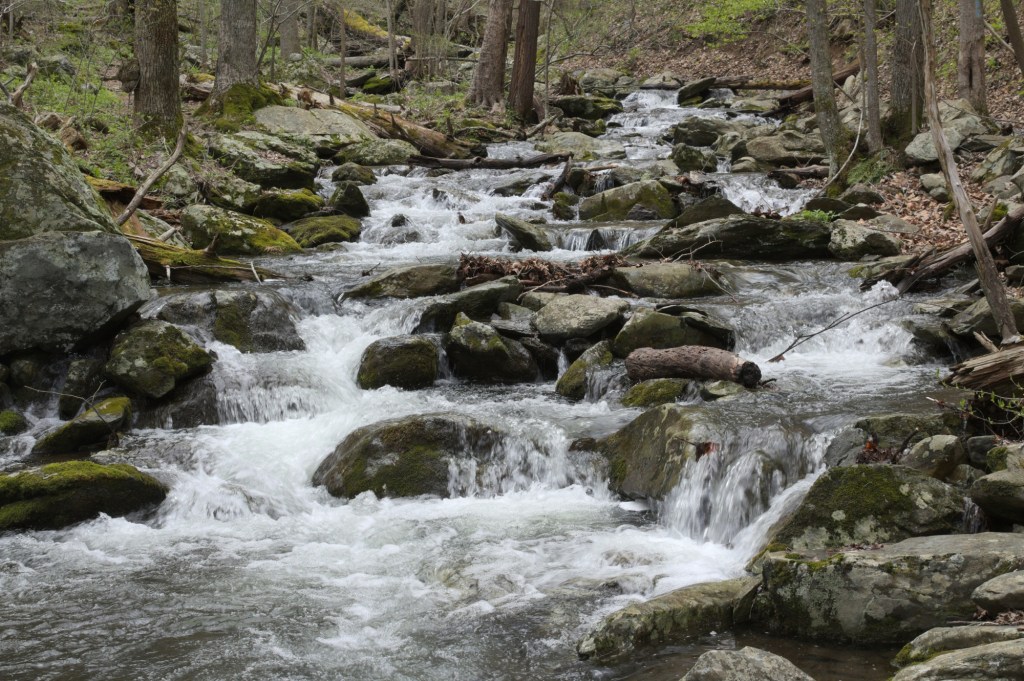
Wildflowers, fresh green landscapes, and great weather. Waterfalls are usually flowing nicely.
Summer (June to August)
Great for longer hikes but hot and humid. Storms can roll in quickly.
Winter (December to March)
Quiet, moody, beautiful, and sometimes icy. Skyline Drive can close due to snow or hazardous conditions.
Best days to visit:
If you can, go Monday through Thursday. Weekends in peak season can feel surprisingly packed for a nature destination.
3) The Key to Shenandoah: Choosing the Right Entrance
If you choose the wrong entrance, you can waste half your trip driving.
Skyline Drive runs north to south, and Shenandoah is huge.
Before you go, decide what region you’ll focus on:
North District:
Closest to Front Royal
Great for shorter visits and scenic overlooks
Easier “quick park trip” energy
Central District:

A sweet spot for first timers
Big Meadows area is here
Many classic hikes
South District:
Less crowded Gorgeous views and longer hikes More peaceful for people who want quiet
Tip: If you’re visiting for only 1 to 2 days, pick one district and commit to it.
4) Skyline Drive Tips (How to Actually Enjoy It)
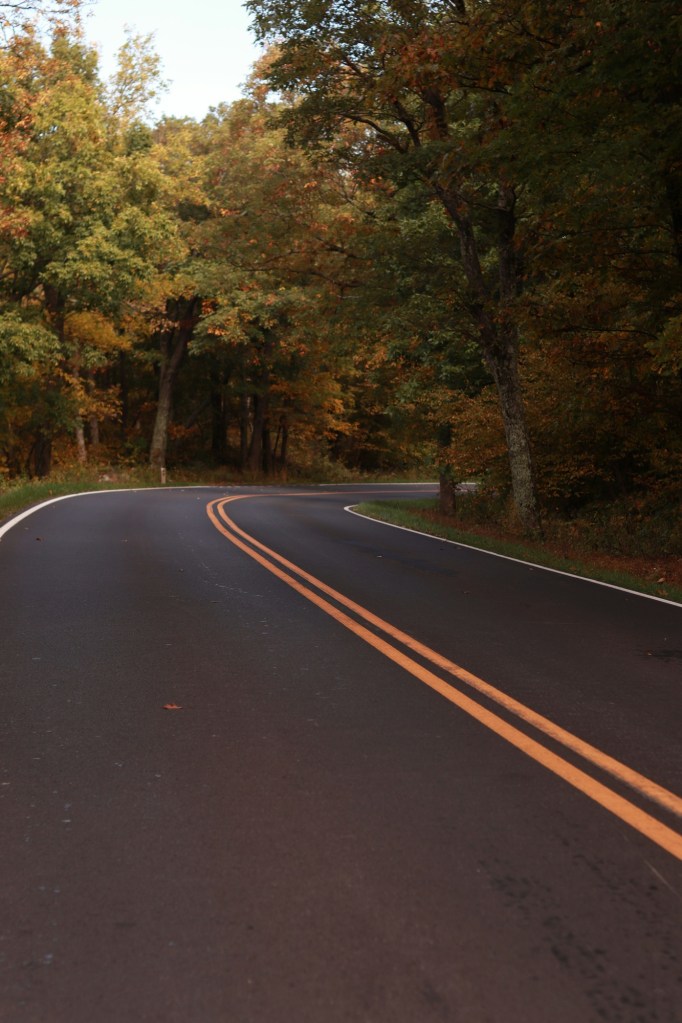
Skyline Drive is the heart of Shenandoah. It’s slow (35 mph max), scenic, and full of pull-offs.
Don’t try to drive the entire length in one day.
Yes, people do it. No, it isn’t relaxing. It turns into “overlook exhaustion” and you spend more time in the car than outside.
Instead choose five to eight overlooks, one sunrise spot one sunset spot, and one to two hikes
And you’ll have a dreamy, balanced day.
5) Best Things to Do in Shenandoah (That Don’t Require You To Be a Hardcore Hiker)
Drive Skyline Drive slowly, like it’s the whole activity
This is the rare park where “just driving” is genuinely worth it.
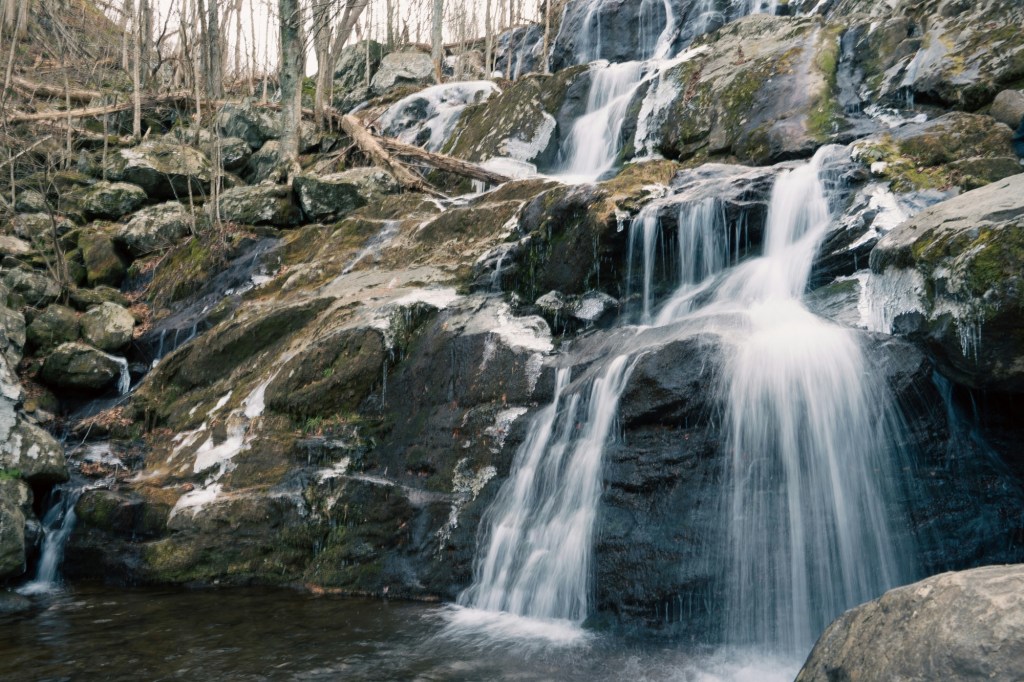
Hike to a waterfall
Shenandoah waterfalls are a major highlight and they feel like a reward.
Visit Big Meadows
This area has open grassy views wildlife sightings easy trails picnic vibes
See the Blue Ridge glow at golden hour
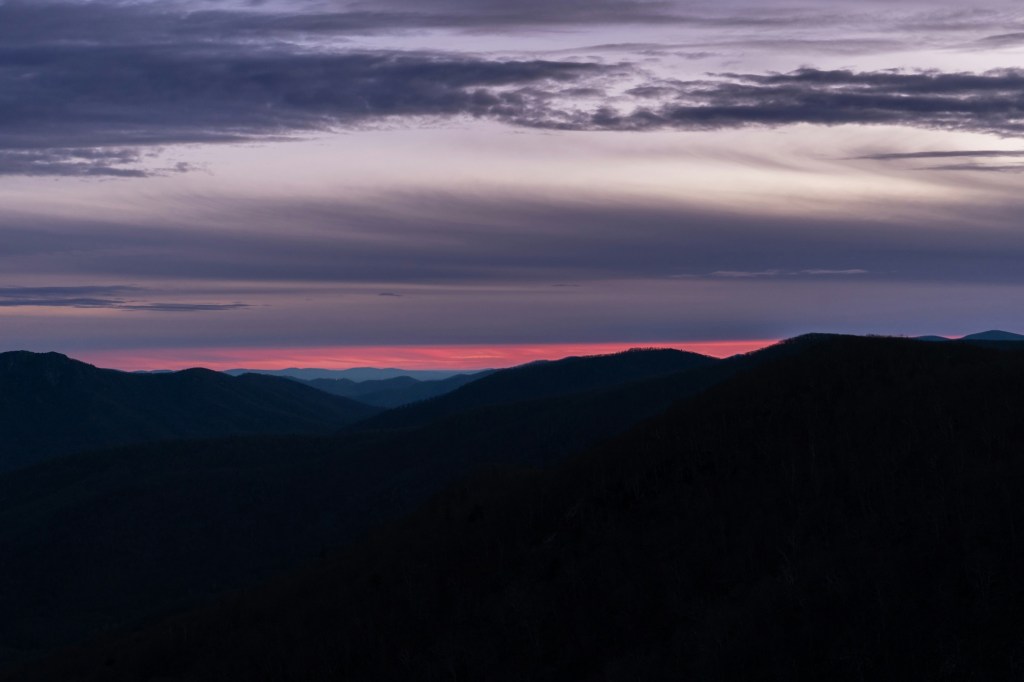
Even if you do nothing else, build your schedule around golden hour.
The Best Hikes (Organized by Difficulty)
Limberlost Trail (easy, mostly flat)- A peaceful loop through forest, great for casual walking.
Stony Man Trail (moderate-easy)-One of the best view-to-effort ratios in the entire park.
Dark Hollow Falls-Short, steep, popular. Beautiful waterfall. Go early for parking.
Hawksbill Summit-Highest point in Shenandoah. Great views and a strong “I earned this” feeling without being brutal.
Old Rag Mountain-This is the famous one, with rock scrambling and epic views. It’s incredible but not beginner-friendly. Requires prep and early timing.
Tip: If Old Rag sounds intimidating, do Hawksbill instead and you’ll still get huge payoff.
Packing List: What You Actually Need
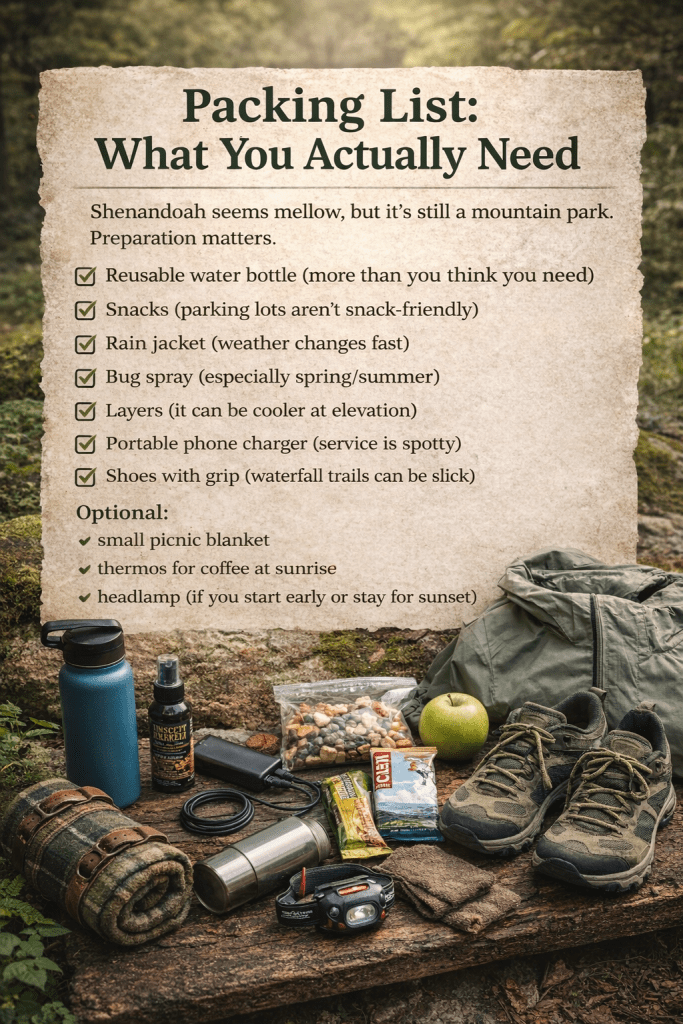
Optional:
Small picnic blanket
Thermos for coffee at sunrise
Headlamp (if you start early or stay for sunset)
8) Wildlife: What to Know (Especially Bears)
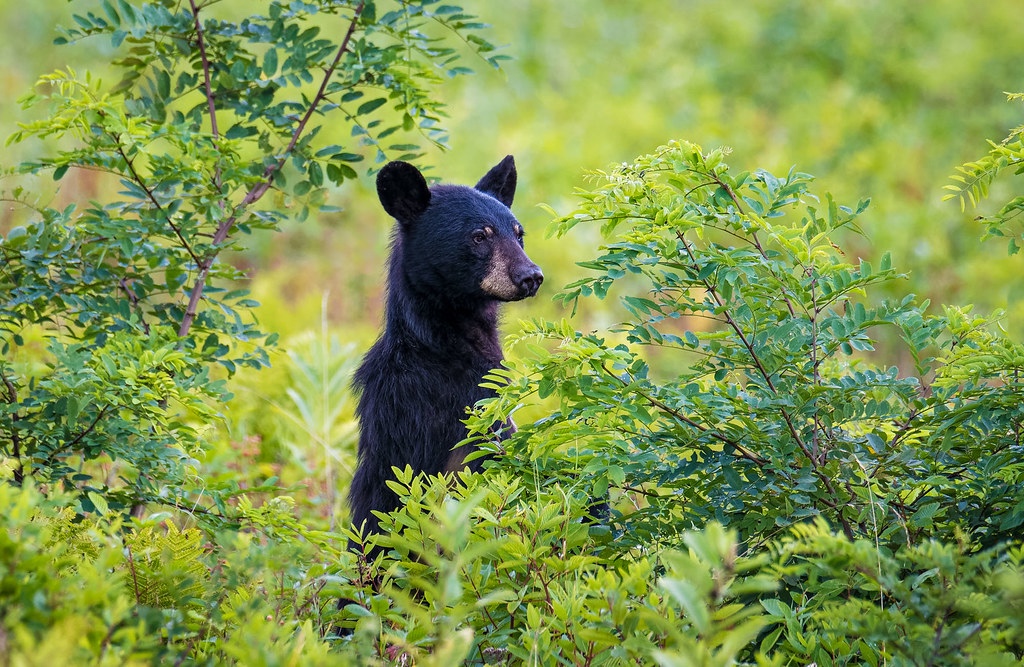
Yes, Shenandoah has black bears. Most are shy and want nothing to do with you.
If you see a bear don’t approach
Don’t run
Make noise and back away slowly
Keep your distance (especially with cubs)
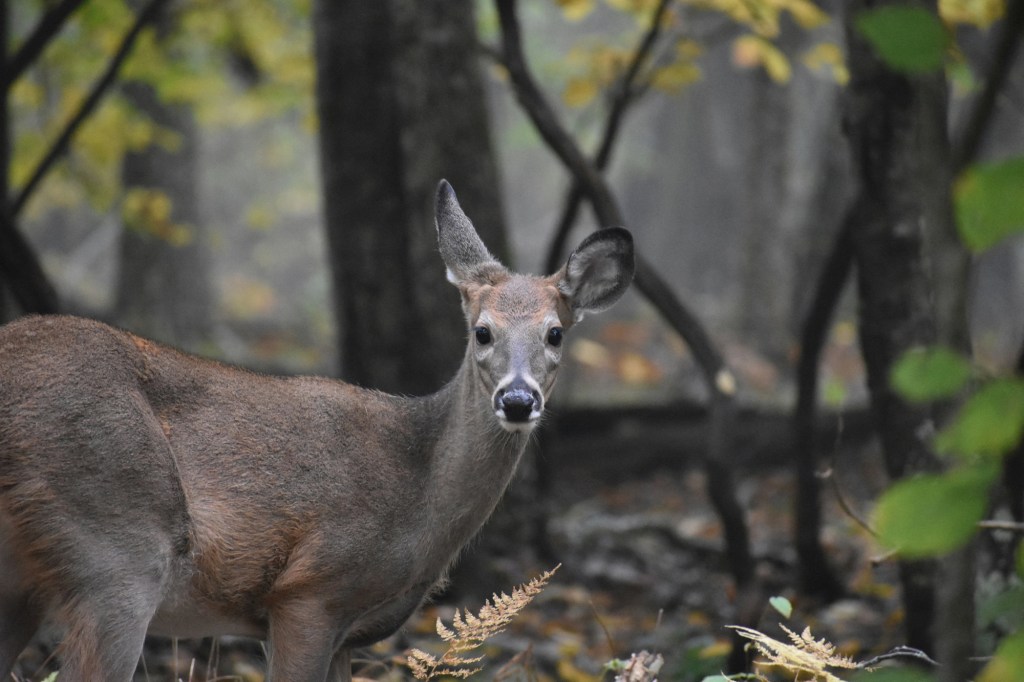
Also deer may look adorable, but they can be unpredictable. Give them space.
Where to Stay Near Shenandoah
You have two solid options depending on your trip style.
Skyland Resort and Big Meadows Lodge are both inside the park. These are ideal if you want maximum sunrise/sunset access without driving in and out.
Staying outside can be cheaper and gives you more restaurant options, but you’ll spend more time driving. If you chose this option we recommend Luray Front Royal in the Charlottesville area.
Sample Itinerary (Perfect for a Weekend)
Day 1:
Arrive and enter the park early
Scenic overlooks on Skyline Drive
Stony Man Trail Big Meadows picnic or relaxed walk Sunset overlook
Day 2:
Sunrise overlook with coffee
Waterfall hike (Dark Hollow Falls or another nearby)
Slow scenic drive back
Stop at a few overlooks you missed
Simple, balanced, and it feels like the kind of trip you’ll remember.
Final Tips That Make the Trip Better
Get in early. You’ll catch the calm, the prettiest light, and you won’t be fighting for parking. Download offline maps beforehand because service drops constantly. Don’t try to “do it all.” Shenandoah is not a checklist park, it’s a slow-down park. Plan around sunrise and sunset (the Blue Ridge glow is unreal), and pack snacks since food options are limited inside the park.
 Bucket List World Travel
Leave a comment