How to Choose the Right Island, What to Know Before You Go, and How to Experience It Well
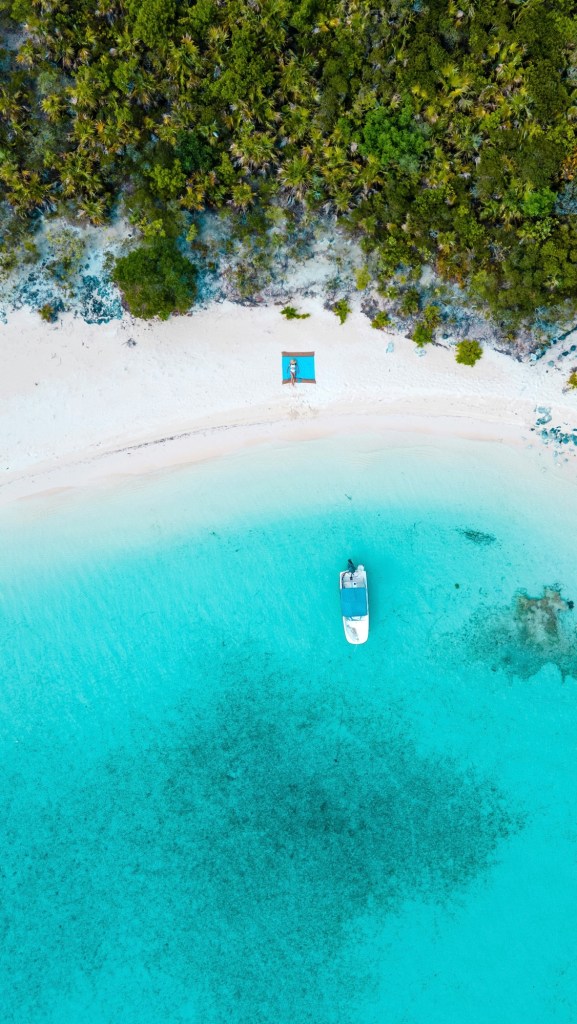
The Bahamas is often reduced to a single image. Clear turquoise water, white sand, and palm trees swaying in the breeze. While that picture is not wrong, it is incomplete. The Bahamas is not one destination but a collection of islands, each with its own rhythm, culture, and personality. Understanding that difference is the key to planning a trip that actually matches the experience you want.
With more than 700 islands and cays spread across the Atlantic, the Bahamas offers everything from lively towns and social resorts to quiet Out Islands where the days are shaped by tides and sunlight. This guide is designed to help you choose the right island, travel with intention, and experience the Bahamas beyond the surface.
Understanding the Bahamas
Why Choosing the Right Island Matters
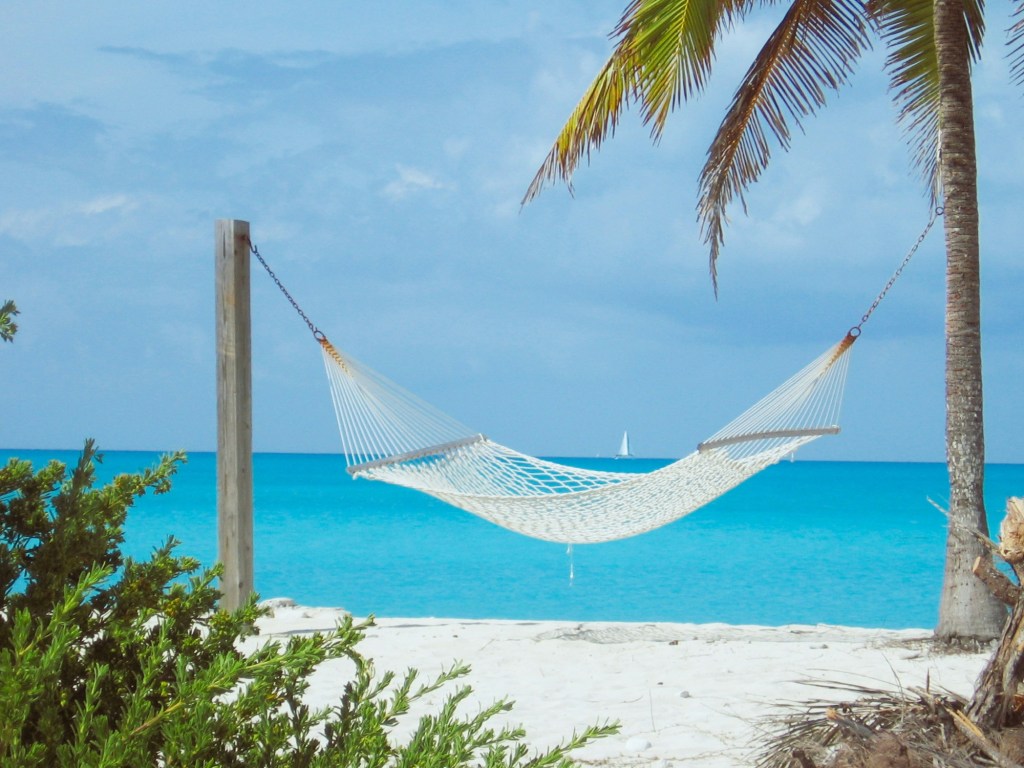
One of the most common mistakes travelers make is assuming all Bahamian islands offer the same experience. In reality, the difference between islands can feel like visiting entirely different countries.
Some islands are developed, social, and easy to navigate, with restaurants, nightlife, and large resorts. Others are quiet and rural, where the highlight of the day might be watching fishing boats return at sunset or walking a beach where you do not see another person for hours.
Before booking flights or hotels, ask yourself what kind of trip you want. Do you want convenience and energy, or solitude and nature. Do you want guided excursions or self paced exploration. The Bahamas can offer all of it, but rarely on the same island.
New Providence and Paradise Island
Culture, History, and Easy Access
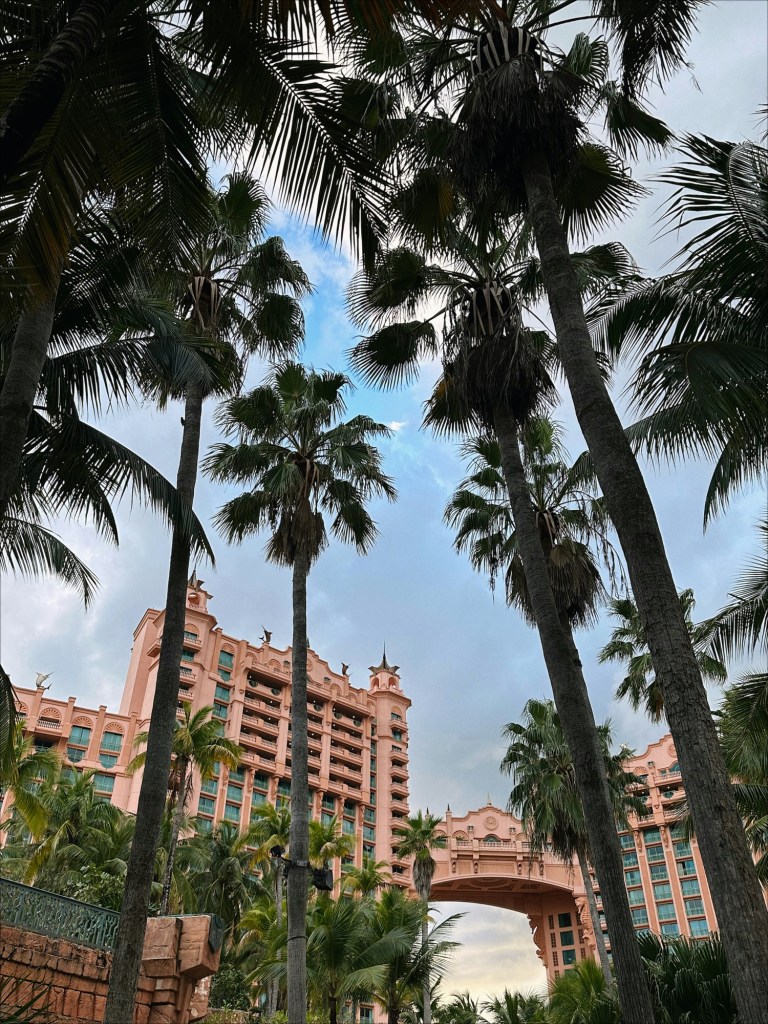
Home to the capital city of Nassau, New Providence is often the first stop for travelers visiting the Bahamas. It offers a mix of local culture, historical sites, beaches, and modern resorts. Paradise Island, connected by bridge, is known for its large scale resorts and calm beaches.
Nassau itself has depth when you step beyond the cruise port. Colonial architecture, historic landmarks, and local food stalls reflect the island’s layered history. Junkanoo culture, with its music, color, and celebration, remains a powerful expression of Bahamian identity.
This area is ideal for first time visitors who want variety, dining options, and easy logistics while still having access to beaches and cultural experiences.
Exuma
Water, Light, and Open Space
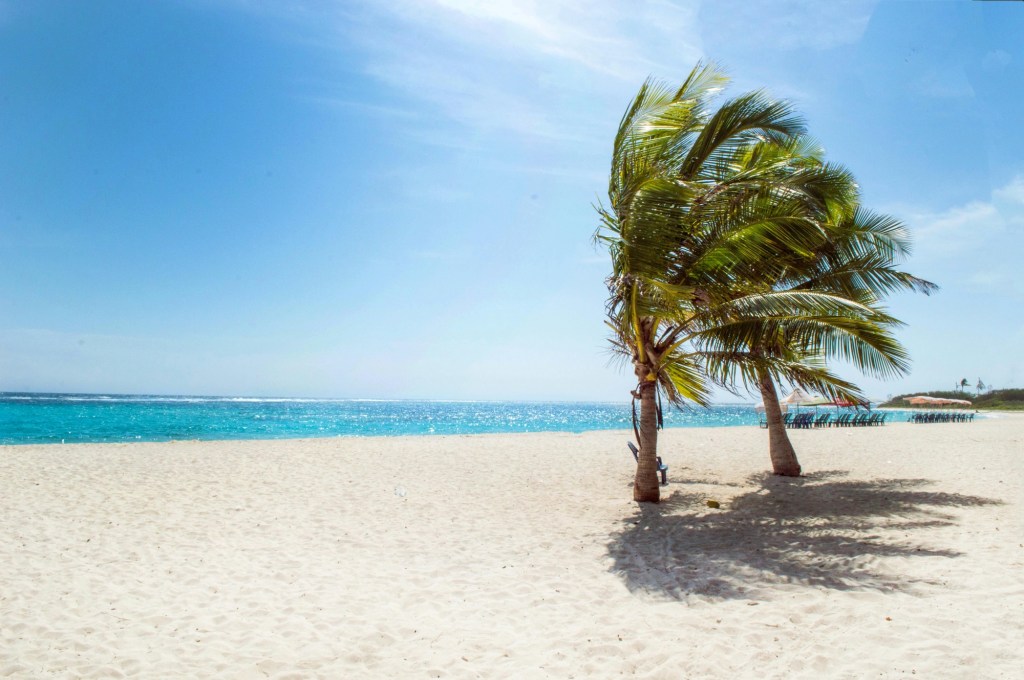
Exuma feels defined by water more than land. The sea here is exceptionally clear, shallow in places, and layered in blues that change with the light. Sandbars appear and disappear with the tide, and boat travel is the best way to experience the area.
Exuma is known for island hopping, quiet beaches, and marine life. While certain attractions receive attention online, the real magic of Exuma is the sense of openness. There is space here to slow down, to spend hours swimming or walking the shore without interruption.
Exuma is best suited for travelers who love being on the water and are comfortable with a slower pace. It rewards curiosity and patience.
Eleuthera and Harbour Island
Pink Sand and Laid Back Living
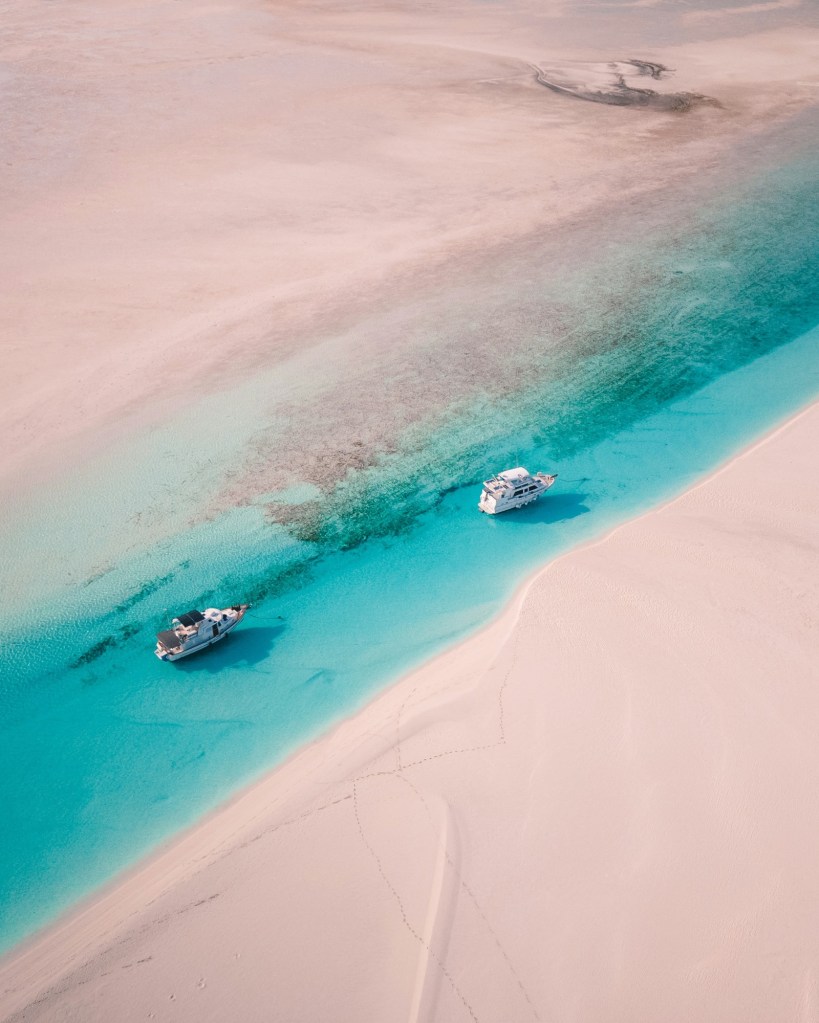
Eleuthera stretches long and narrow, offering dramatic coastlines, quiet settlements, and a strong sense of local life. Just off its northern coast lies Harbour Island, famous for its pink sand beaches and charming streets.
Harbour Island feels polished and social in a relaxed way, with small hotels, golf carts instead of cars, and a walkable layout. Eleuthera itself is quieter and more rugged, with cliffs, hidden beaches, and a slower rhythm.
This area is ideal for travelers who want beauty without crowds and who enjoy blending beach time with exploration.
The Abacos
Sailing, Small Towns, and Island Hopping
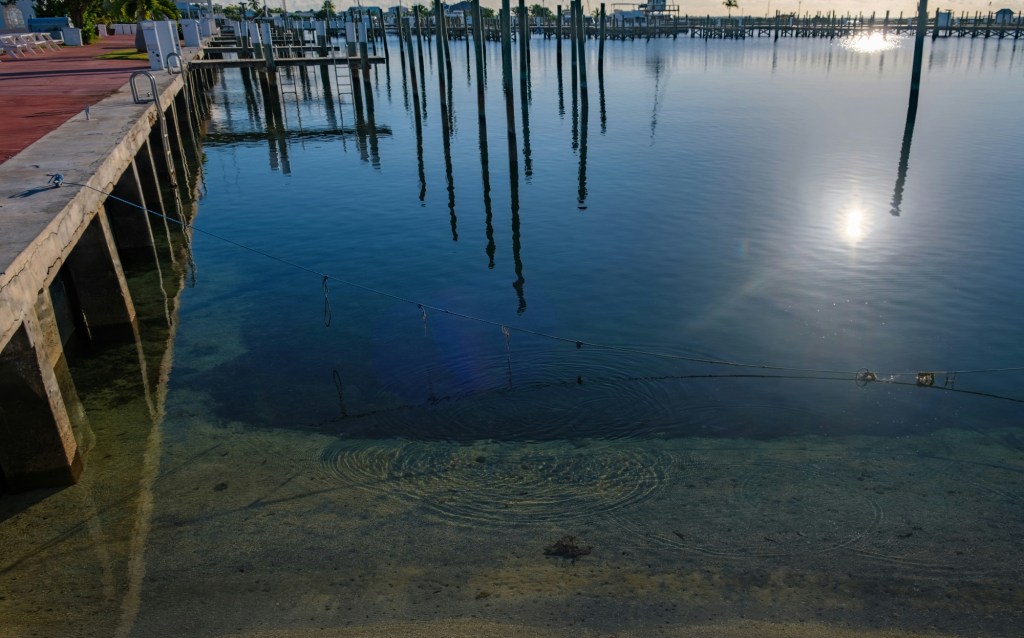
The Abaco Islands are known for calm waters, charming settlements, and a strong boating culture. Sailing between cays is common, and many travelers explore the region by water rather than road.
Towns like Hope Town and Marsh Harbour offer pastel colored buildings, historic lighthouses, and a welcoming atmosphere. The Abacos feel community oriented, with a strong connection to the sea.
This region is well suited to sailors, boaters, and travelers who enjoy moving between islands at their own pace.
The Out Islands
Where the Bahamas Feels Most Itself
The Out Islands refer to less developed islands such as Andros, Long Island, Cat Island, and others. These islands prioritize nature, tradition, and simplicity over convenience.
Life moves slower here. Fishing, farming, and daily routines shape the experience more than tourism schedules. Beaches are often empty. Nights are quiet. The stars feel closer.
The Out Islands are not for travelers seeking nightlife or luxury shopping. They are for those who want connection, stillness, and a deeper understanding of Bahamian life.
Best Time to Visit the Bahamas
Weather and Seasons
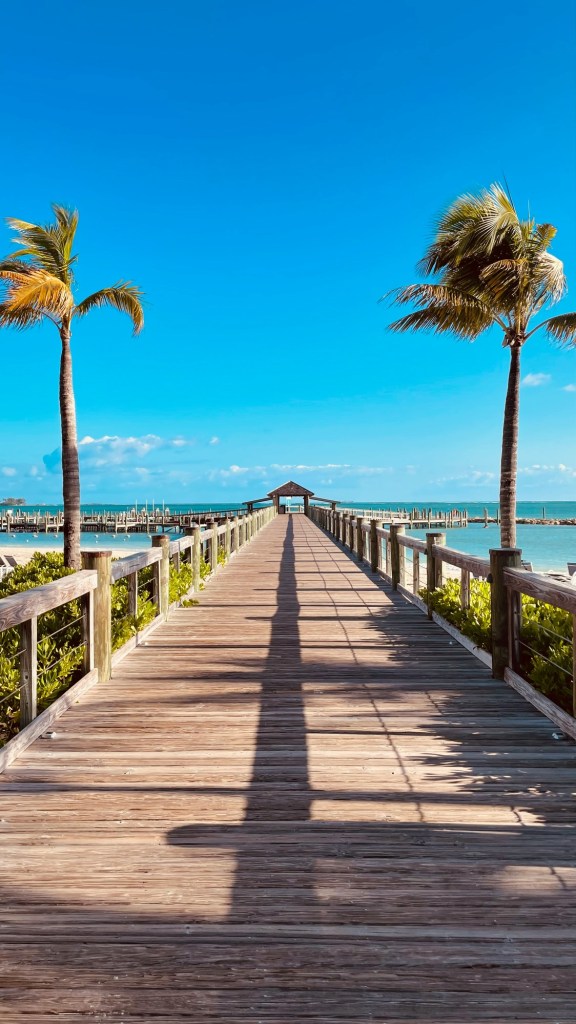
The Bahamas enjoys warm weather year round, but timing still matters. The most popular season runs from December through April, when temperatures are mild and rainfall is lower. This is also the busiest and most expensive time to visit.
Summer months bring warmer temperatures and fewer crowds, with better availability and lower prices. While hurricane season officially runs from June through November, many travelers visit during this time without issue. Travel insurance and flexible planning are recommended.
Choosing when to go depends on your comfort with heat, crowds, and budget.
Getting Around
Flights, Ferries, and Local Travel
Most travelers arrive through Nassau or Freeport, then connect to other islands via domestic flights. Inter island flights are common and often the most practical option.
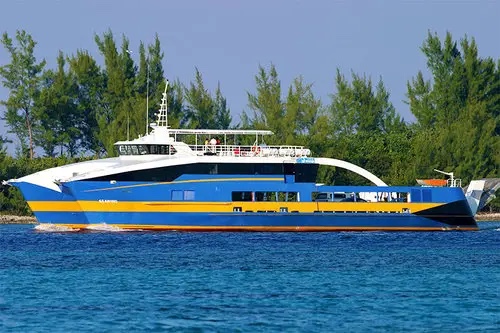
Ferries operate between certain islands, though schedules can vary. On many islands, rental cars or golf carts are the primary way to get around. Public transportation exists but is limited outside major areas.
Planning transportation in advance helps avoid delays and allows for a smoother experience.
What to Eat
Flavors of the Bahamas
Bahamian cuisine reflects its coastal setting and cultural roots. Seafood plays a central role, especially conch, which appears in salads, fritters, and stews. Fish, lobster, peas and rice, and tropical fruits are common.
Eating locally often means eating simply, but well. Small roadside stands and local restaurants frequently offer the most memorable meals.
Trying local food is one of the best ways to connect with the place.
Travel Tips for a Better Experience
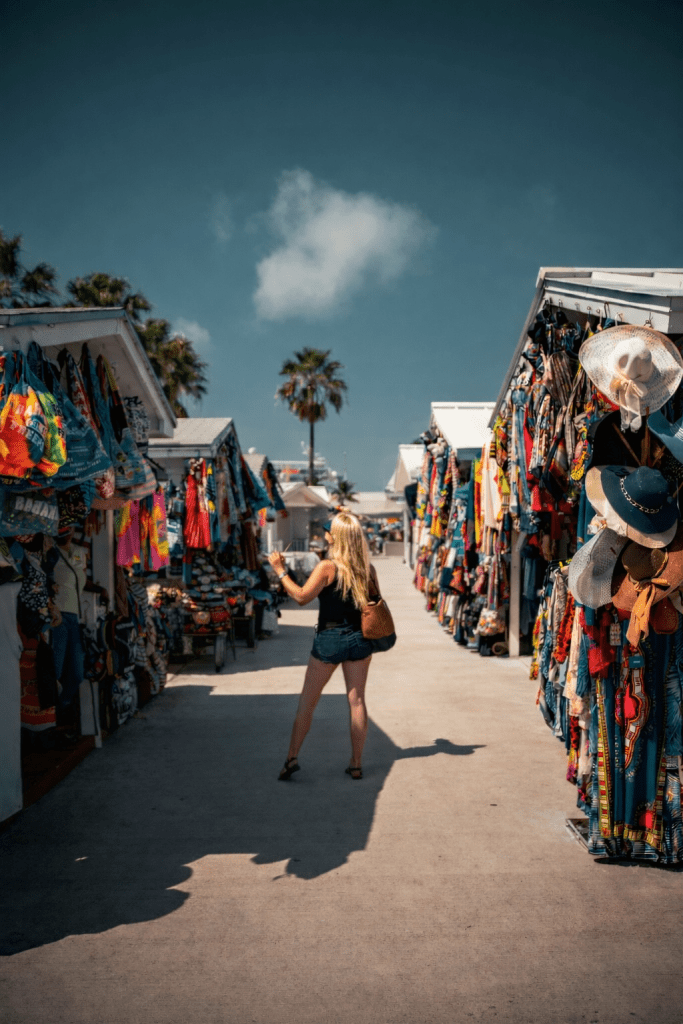
Bring cash for small vendors and remote areas. Respect local customs and take time to learn about Bahamian culture. Slow down. The Bahamas rewards patience and presence more than packed itineraries.
Final Thoughts
Finding Your Version of the Bahamas
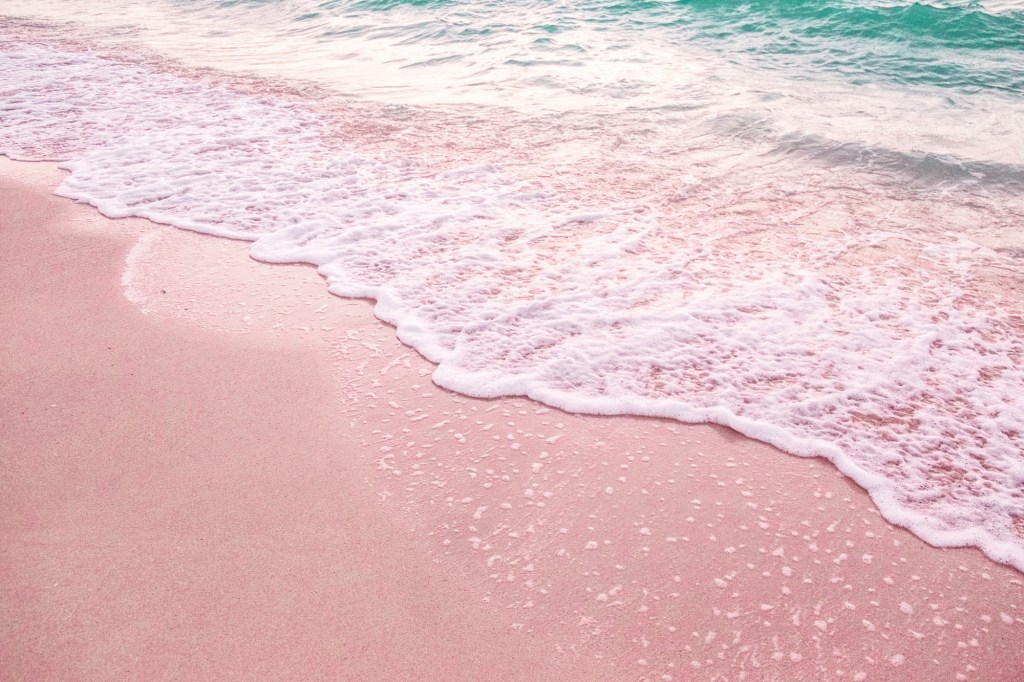
The Bahamas offers many stories, not just one. Whether you find yourself walking a quiet beach at sunrise, sharing a meal with locals, or drifting over shallow sandbars, the experience is shaped by how you choose to travel.
The Bahamas is not defined by a checklist of sights, but by the moments that linger long after the journey ends.
 Bucket List World Travel
Leave a comment